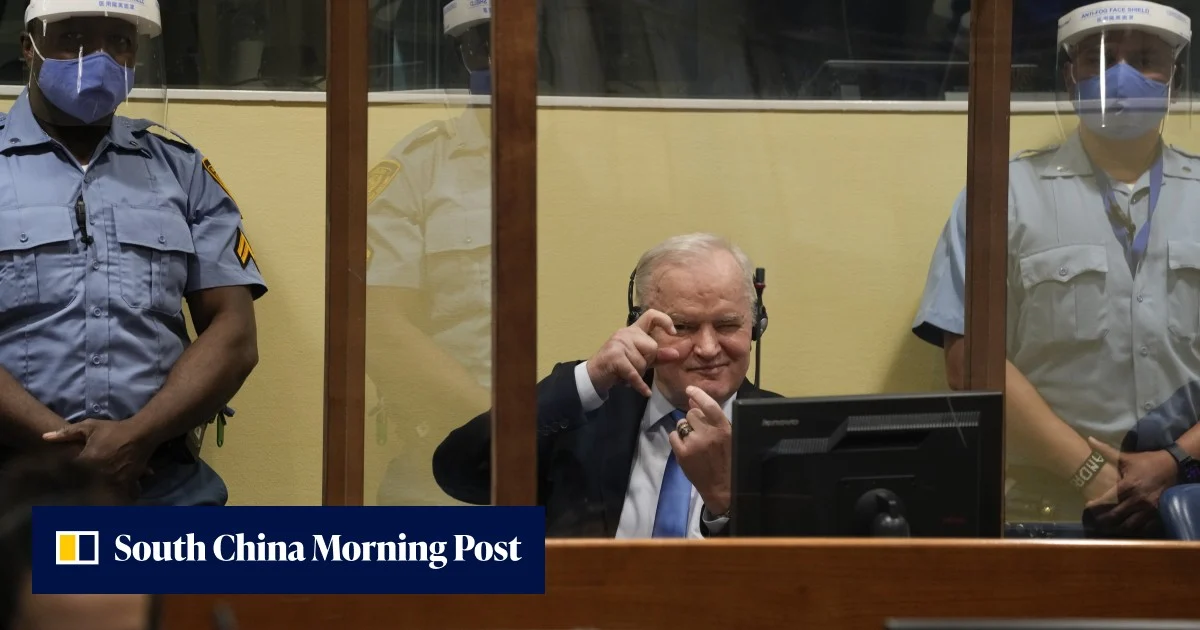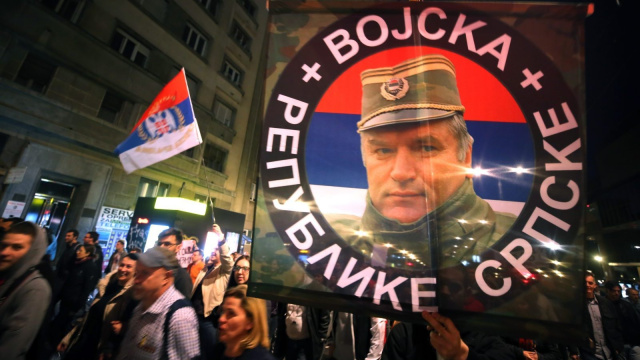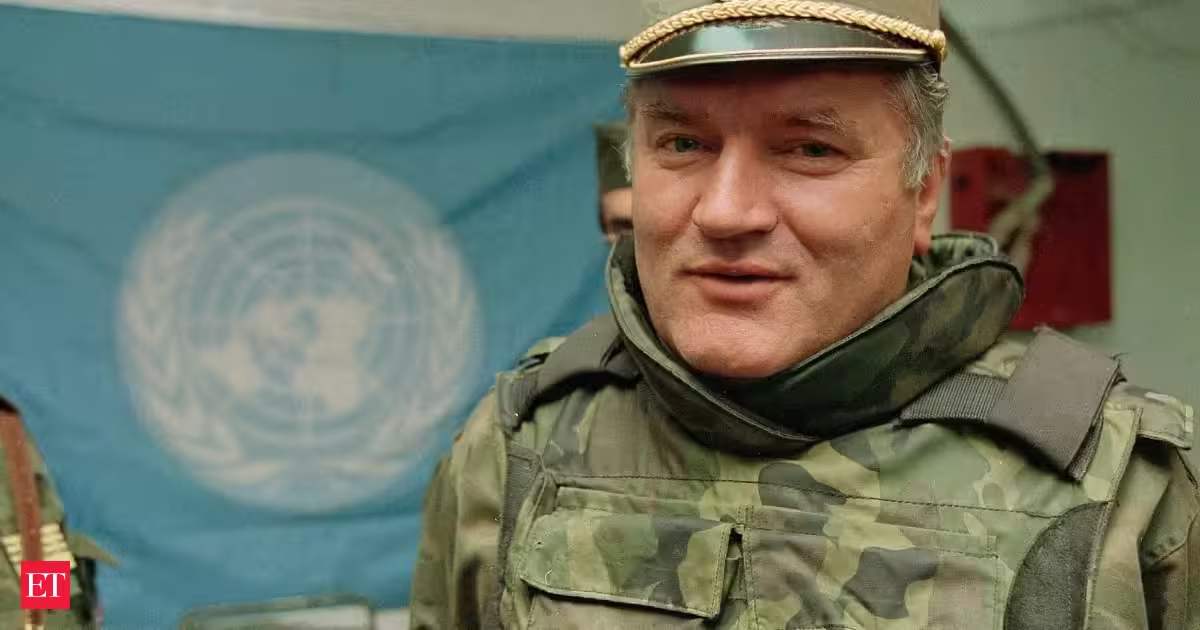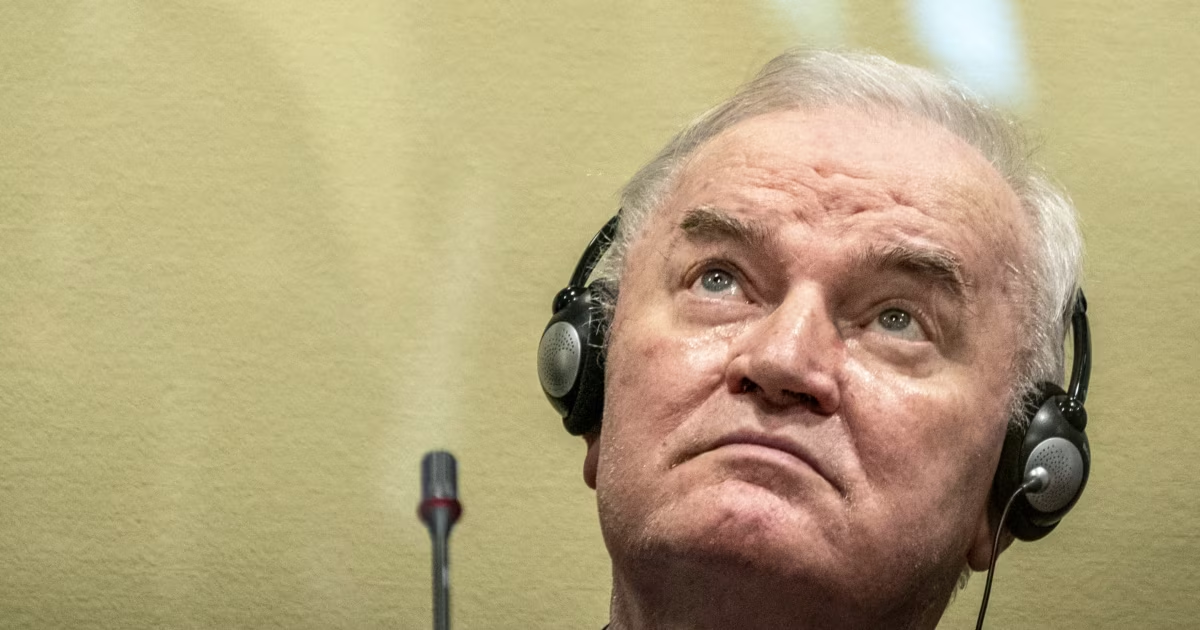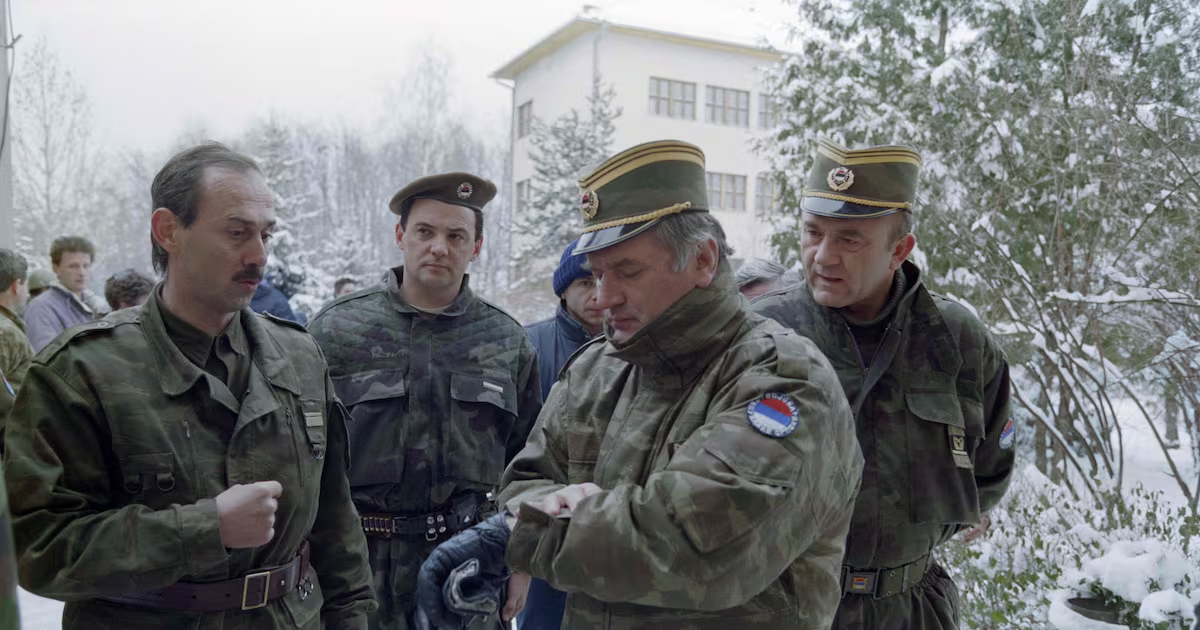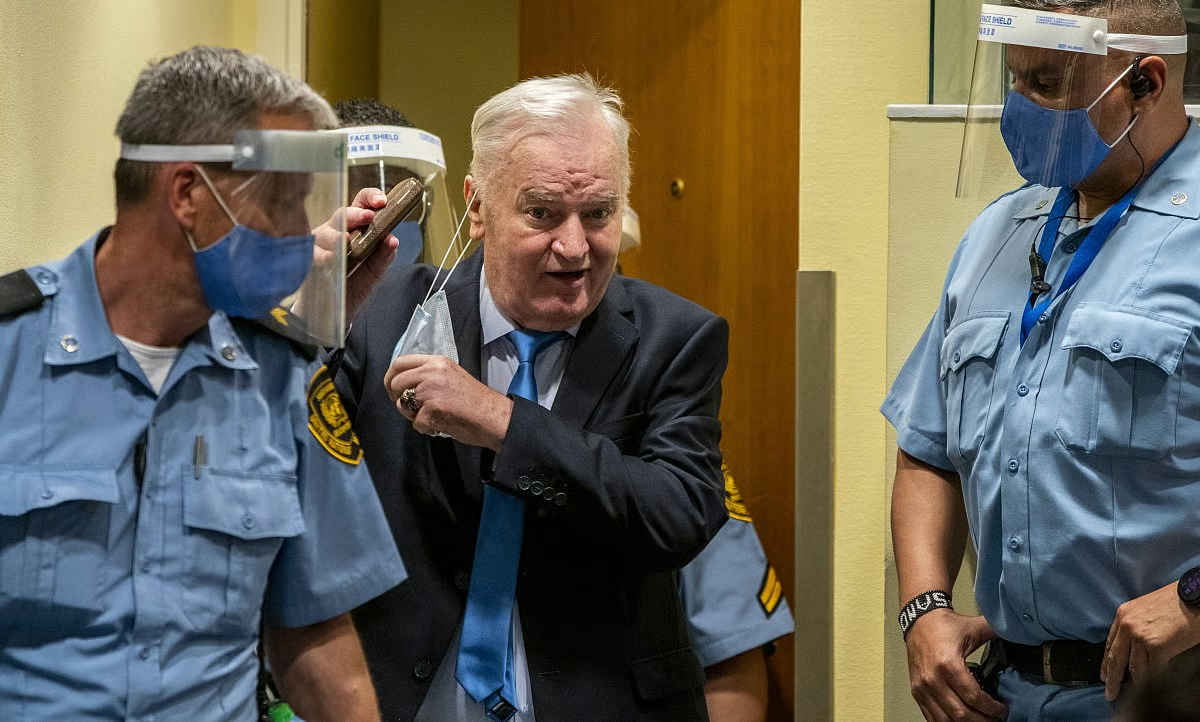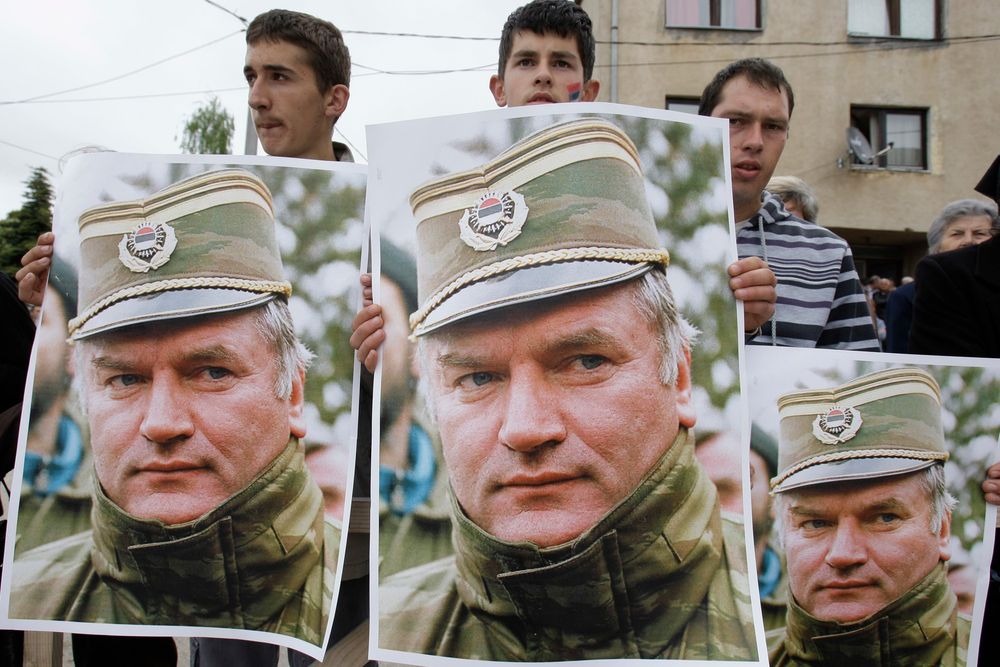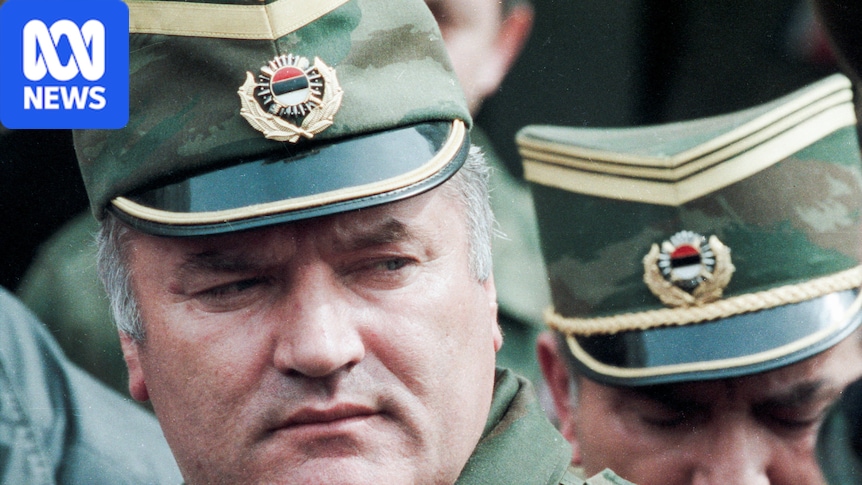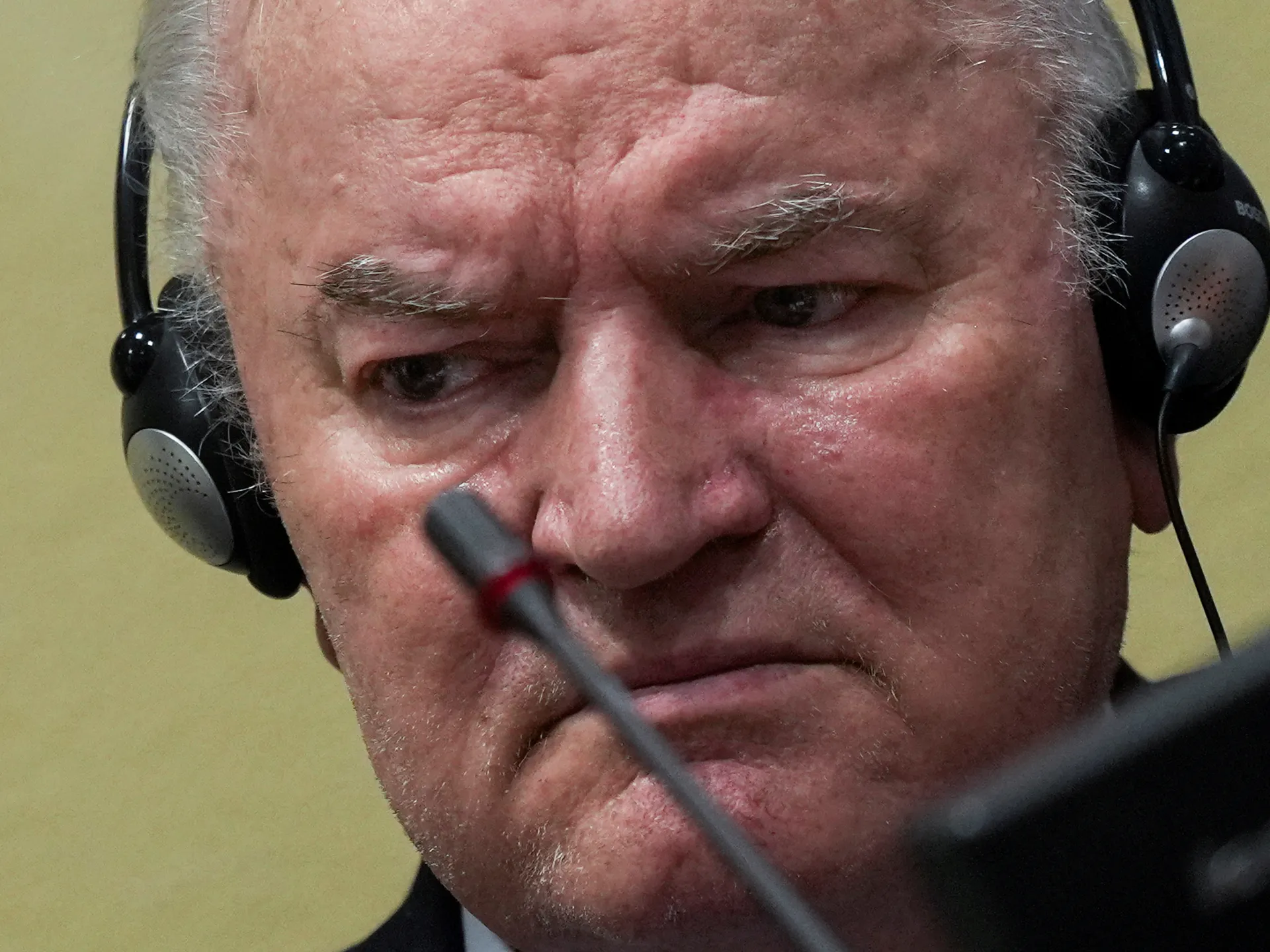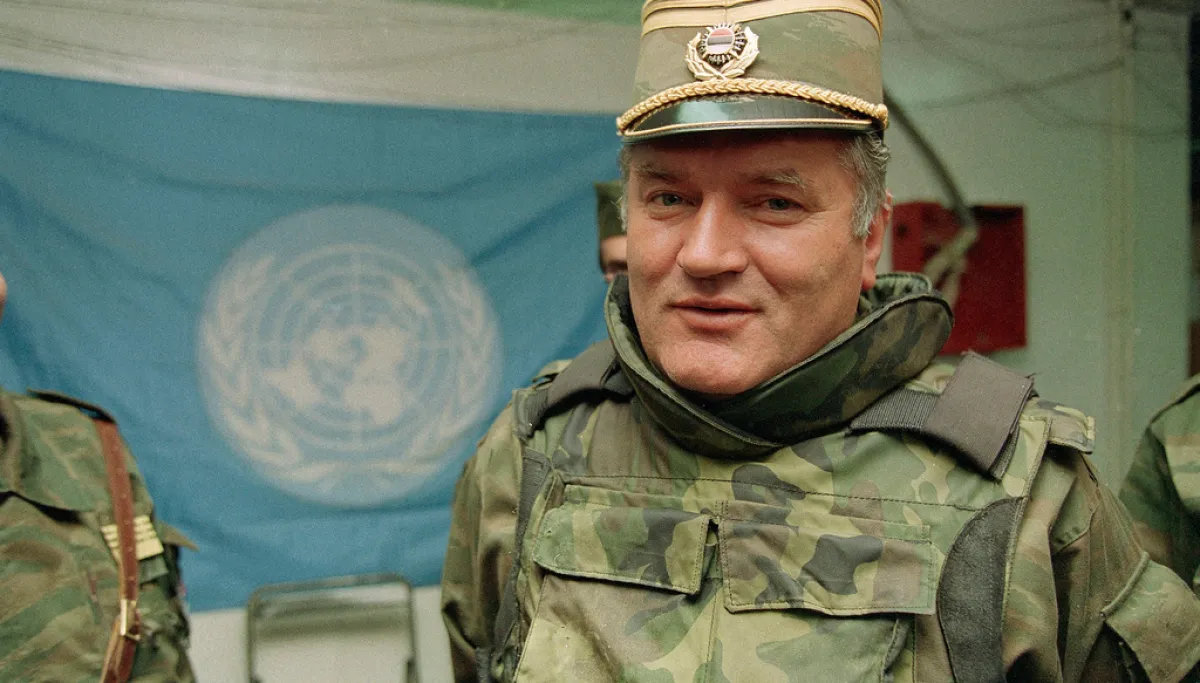
Bosnian Serb leader Ratko Mladic, known widely as the “Butcher of Bosnia,” died Thursday after a long illness while serving a life sentence on genocide charges in The Hague. He was 84.Mladic served as the leader of the Army of Republika Srpska, the ethnic Serbian entity that attempted to break away from Bosnia and Herzegovina following its declaration of independence in 1992, and it now serves as an autonomous entity within the country. As commander of the Bosnian Serb forces in the 1992-95 Bosnian Civil War, the deadliest of the wars from the collapse of Yugoslavia, Mladic came to symbolize the worst of the atrocities during the bloodiest conflict Europe had seen between World War II and the Russia–Ukraine War.Mladic’s death was announced by Serbian media, citing his family. He was first indicted by the International Criminal Tribunal for the Former Yugoslavia in 1995, but was sheltered by Serbian and Bosnian Serb authorities until finally being given up in 2011.
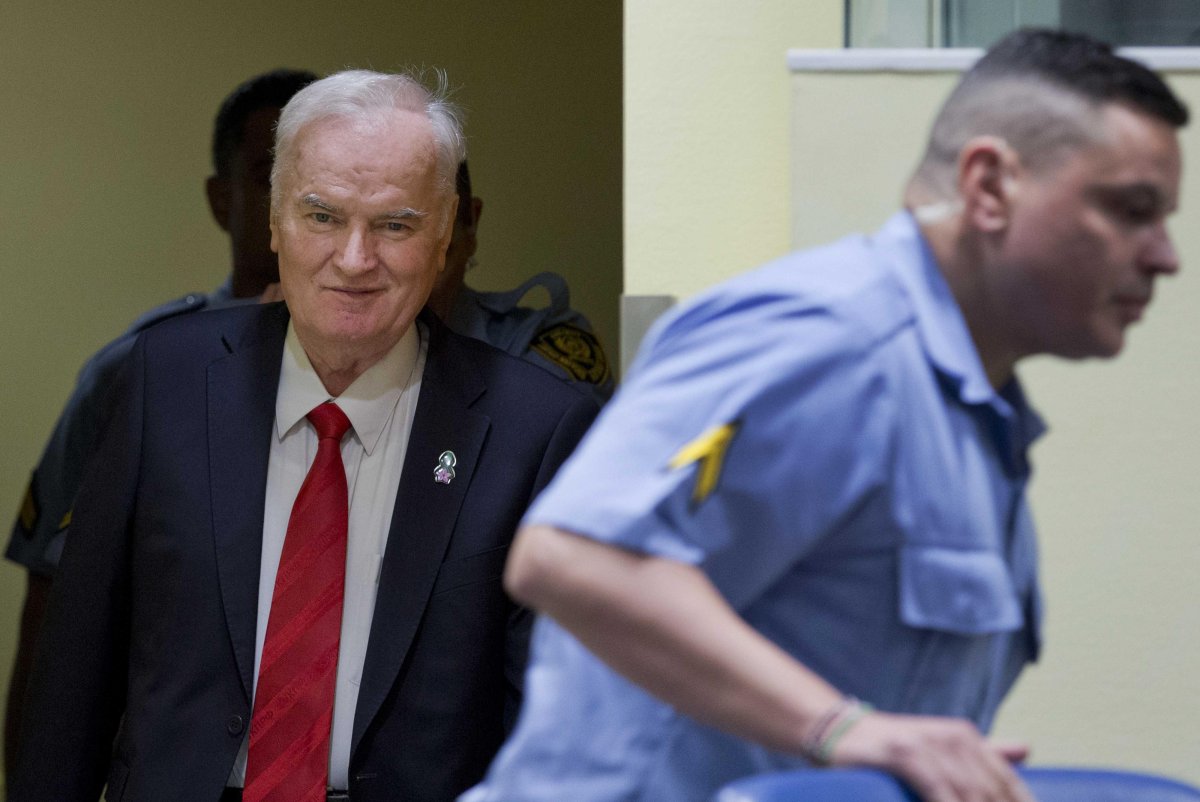
After a long and contentious trial, Mladic was finally convicted of 10 of 11 charges, including genocide, crimes against humanity, and war crimes, which got him a life sentence. United Nations appeals judges upheld the convictions in 2021, making his trial the last of a major figure of the Yugoslav wars.Mladic’s family and Serbian authorities had been warning of his ailing health for months. Just a few days before his death, Serbian President Aleksandar Vucic made one final appeal for a humanitarian release, saying that he was “de facto dying.” He pleaded for him to be allowed to die in his country.“Whether there is a week or five weeks left, it doesn’t matter. They could, just as they waited for Nebojša Pavković to literally arrive two weeks before his death, and then let him into the country, at least to die where he lived and what he fought for,” Vucic said on Aug. 18, referring to the former Chief of the General Staff of the Armed Forces of Yugoslavia, who was allowed to die in Serbia last October.“Why they behave like this and why they do this, I don’t understand anything, to be honest,” Vucic added. “This is not exactly the civilization they have been telling us about for so many years and decades.”Mladic’s death was met with widespread celebration in the nations of his enemies and victims. Bosnian Minister of Defense Zukan Helez gave one of the most colorful and celebratory obituaries in a Facebook post that reflected the Bosnian Muslim consensus.“Ratko Mladić has croaked. A convicted perpetrator of genocide, a lifer, and one of the most notorious war criminals Europe has seen since World War II,” he wrote. “The man who left behind Srebrenica, Sarajevo, mass graves, and thousands of ruined lives ended up exactly where he belonged — in The Hague, convicted of genocide and the gravest war crimes.”“Death brings no forgiveness,” Helez continued. “It does not erase the mass graves. It does not bring back the murdered children. It does not bring back the fathers, mothers, brothers, and sisters. All that’s left is shame, a verdict, and a bloody trail of crime.”Helez concluded with a jab at his ailing state and presumed incontinence, as Mladic had suffered multiple strokes by the time he died.“PS: Pampers sales might take a sudden hit now that he’s gone,” Helez said.Polarizing until the end