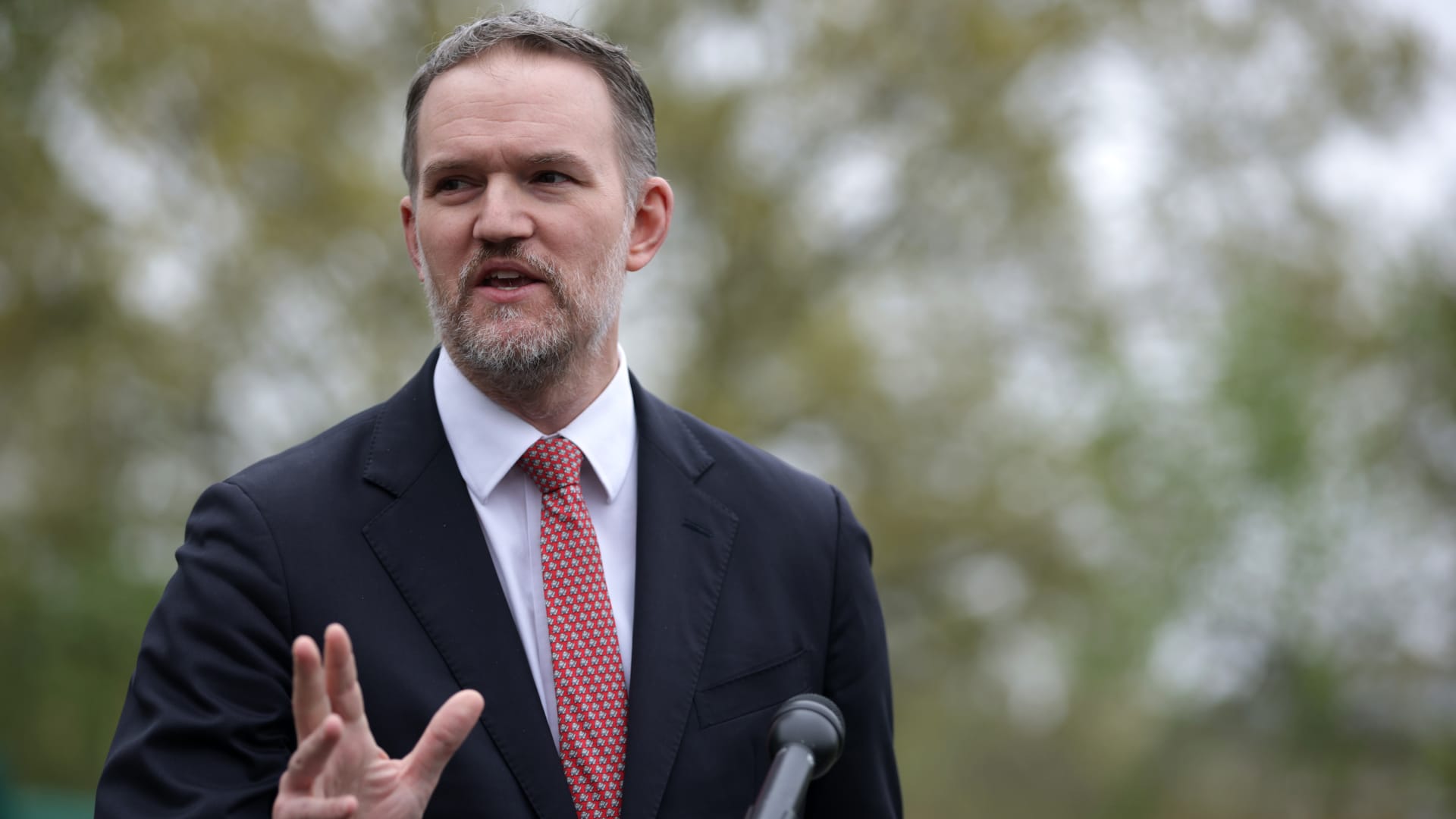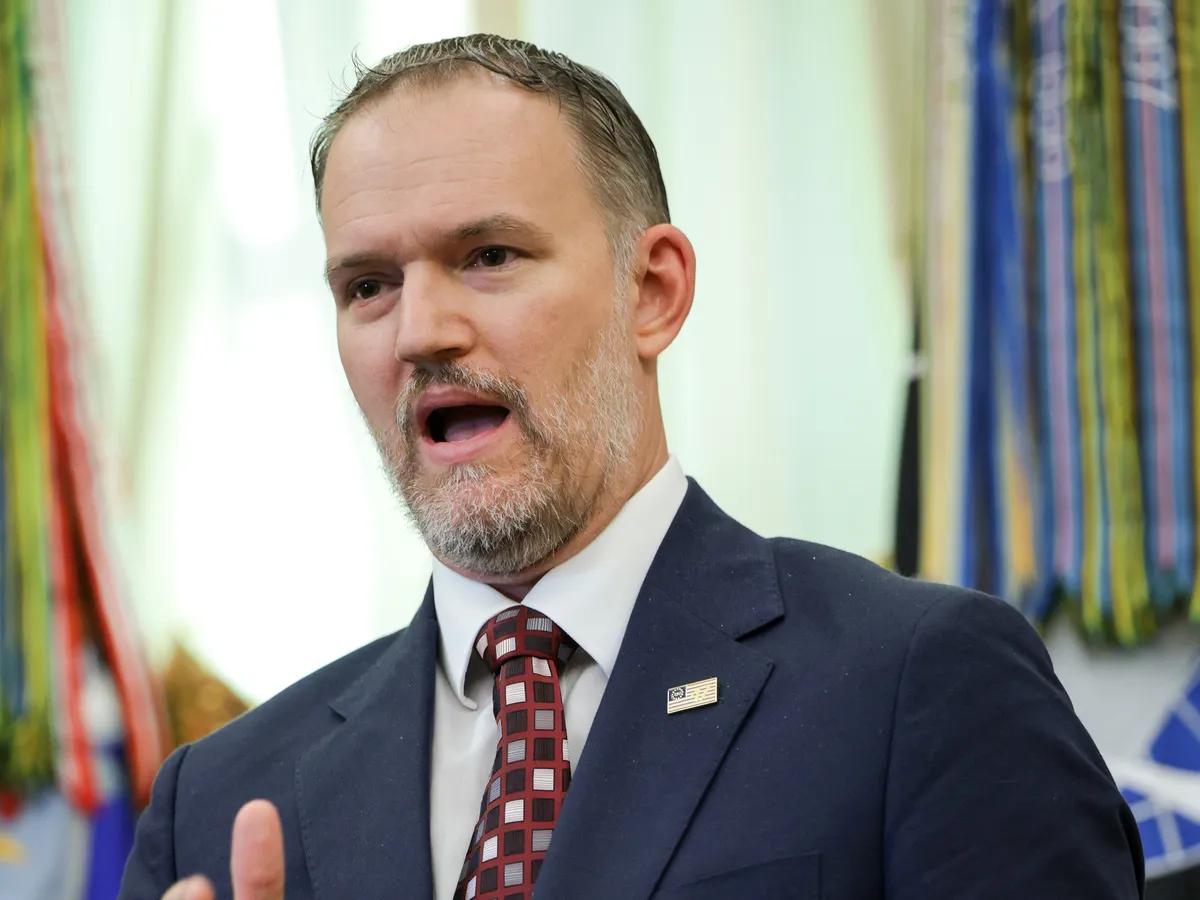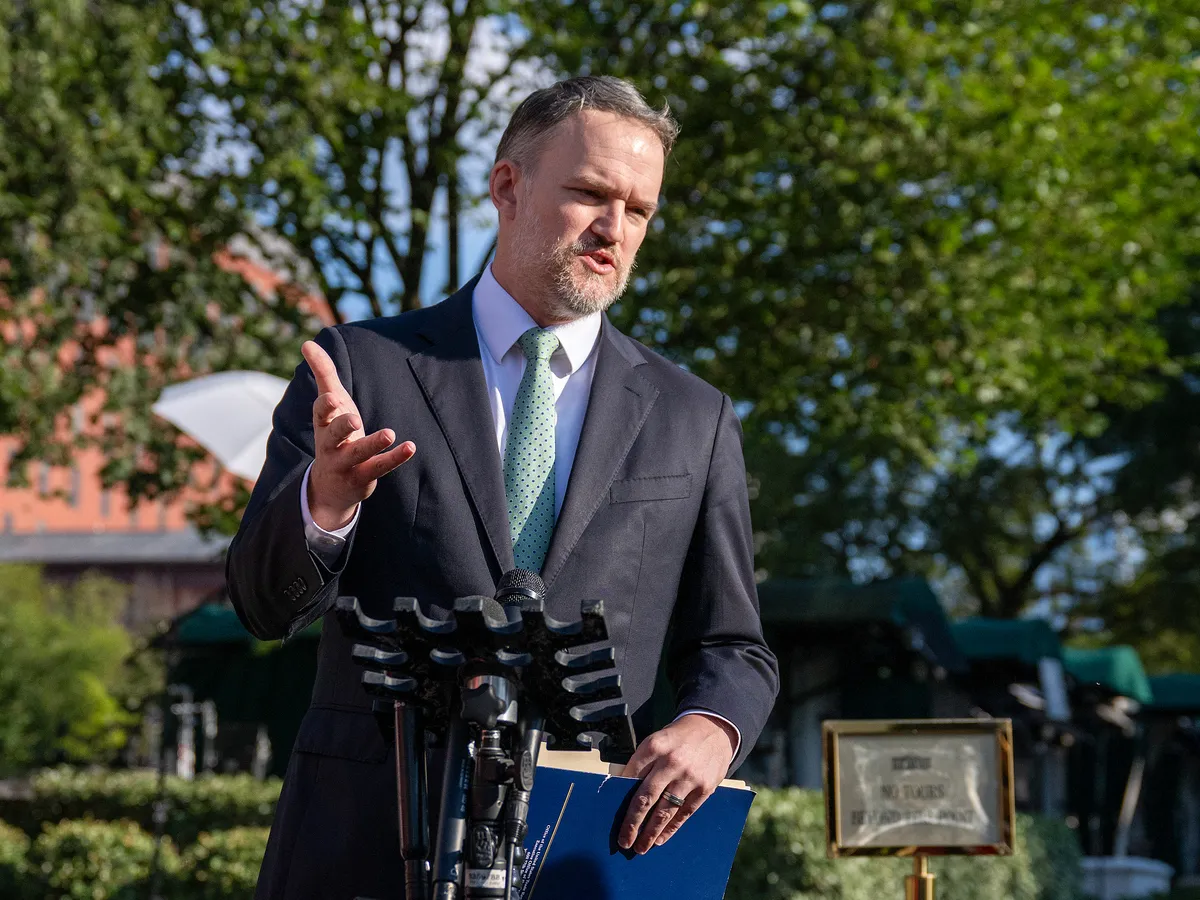
Skip to Content News Archives Economy Energy Oil & Gas Renewables Electric Vehicles Mining Commodities Agriculture Real Estate Mortgages Mortgage Rates Finance Banking Insurance Fintech Cryptocurrency Work Wealth Smart Money Wealth Management Investor Personal Finance Family Finance Retirement Taxes High Net Worth FP Comment Executive Women Puzzmo Newsletters Financial Times Business Essentials More Innovation Information Technology FP500 Podcasts Small Business Lives Told Tails Told Shopping Financial Post Store Obituaries Place a Notice Advertising Advertising With Us Advertising Solutions Postmedia Ad Manager Sponsorship Requests Classifieds Place a Classifieds ad Working Profile Settings My Subscriptions My Offers Newsletters Customer Service FAQ News Economy Energy Mining Real Estate Finance Work Wealth Investor FP Comment Executive Women Puzzmo Newsletters Financial Times Business Essentials HomeEconomyAutosGreer disputes Canada’s account of heavy truck tariff talksAsked whether he was still in contact with Dominic LeBlanc, Greer said that they 'don’t have open channels right now'Author of the article:Jamieson Greer pointed out that medium and heavy trucks were the subject of a separate order from Trump than tariffs on lighter vehicles, making it a distinct issue. Photo by Jim WATSON/AFP via Getty ImagesUnited States Trade Representative Jamieson Greer said he was clear during recent negotiations with Canada that medium- and heavy-duty trucks would be excluded from tariff relief, as officials sparred again over which side was responsible for the failure of the talks.Subscribe now to read the latest news in your city and across Canada.Exclusive articles from Barbara Shecter, Joe O'Connor, Gabriel Friedman, and others.Daily content from Financial Times, the world's leading global business publication.Unlimited online access to read articles from Financial Post, National Post and 15 news sites across Canada with one account.National Post ePaper, an electronic replica of the print edition to view on any device, share and comment on.Daily puzzles, including the New York Times Crossword.Subscribe now to read the latest news in your city and across Canada.Exclusive articles from Barbara Shecter, Joe O'Connor, Gabriel Friedman and others.Daily content from Financial Times, the world's leading global business publication.Unlimited online access to read articles from Financial Post, National Post and 15 news sites across Canada with one account.National Post ePaper, an electronic replica of the print edition to view on any device, share and comment on.Daily puzzles, including the New York Times Crossword.Create an account or sign in to continue with your reading experience.Access articles from across Canada with one account.Share your thoughts and join the conversation in the comments.Enjoy additional articles per month.Get email updates from your favourite authors.Create an account or sign in to continue with your reading experience.Access articles from across Canada with one accountShare your thoughts and join the conversation in the commentsEnjoy additional articles per monthGet email updates from your favourite authorsSign In or Create an AccountorA week ago, Canada and the U.S. appeared to be making progress toward an interim agreement to reduce tariffs, but those discussions broke down over a number of issues, including duties on Canadian-made vehicles. The White House was willing to reduce them to 15 per cent from 25 per cent, but only for cars and light trucks.That would have created risks for the Canadian plants of General Motors Co. and Ford Motor Co., which make heavier trucks.SUBSCRIBER EXCLUSIVE: FP West: Energy Insider brings you behind the oilpatch’s closed doors with exclusive insights from insiders every Wednesday morning.By signing up you consent to receive the above newsletter from Postmedia Network Inc.A welcome email is on its way. If you don't see it, please check your junk folder.The next issue of FP West: Energy Insider will soon be in your inbox.We encountered an issue signing you up. Please try againIn an interview with the Canadian Broadcasting Corp. broadcast on Wednesday, Greer addressed the breakdown and rejected Canadian Prime Minister Mark Carney’s characterization of what went wrong.“With respect to this issue of medium and heavy trucks, for weeks when I’ve been speaking with my Canadian colleagues, I’ve been clear about what we believe we could deliver, including about autos,” Greer said. He pointed out that medium and heavy trucks were the subject of a separate order from President Donald Trump than tariffs on lighter vehicles, making it a distinct issue.Carney has blamed the failure of negotiations on the Trump administration inserting late demands and using the draft text to narrow the scope of U.S. concessions. The prime minister has also said the Americans wanted Canada to relax rules that require streaming platforms to promote Canadian and French-language content.Greer, however, said the latter issue was never a “red line” for the U.S. American negotiators were much more concerned about a Canadian requirement that would force those entertainment platforms to contribute a portion of their revenues to Canadian content, he said.“This is something we talked about, but we showed a lot of flexibility,” Greer told the CBC. “It’s like the farthest thing from a red line. We were really focused on those taxes.”When negotiations faltered, the U.S. moved ahead with 50 per cent tariffs on Canadian goods that came into force on Saturday. Carney’s government announced retaliatory tariffs this week that will go into effect on Sept. 8. And in response to that, Trump threatened to increase tariffs on autos to 50 per cent on Jan. 1 and to add tariffs to Canadian auto parts.Greer said the U.S. would not “sit down and take” further retaliation from Canada.Asked whether he was still in contact with Dominic LeBlanc, the minister responsible for Canada-U.S. trade, he said that they “don’t have open channels right now.”Bloomberg News reported earlier this week that the Carney government sees little chance of resuming trade discussions before the U.S. midterm elections in November. Join the Conversation This website uses cookies to personalize your content (including ads), and allows us to analyze our traffic. Read more about cookies here. By continuing to use our site, you agree to our Terms of Use and Privacy Policy.
Greer disputes Canada’s account of heavy truck tariff talks
U.S. Trade Representative Jamieson Greer said he was clear during talks with Canada that trucks were excluded from tariff relief. Read on
976 words~4 min read