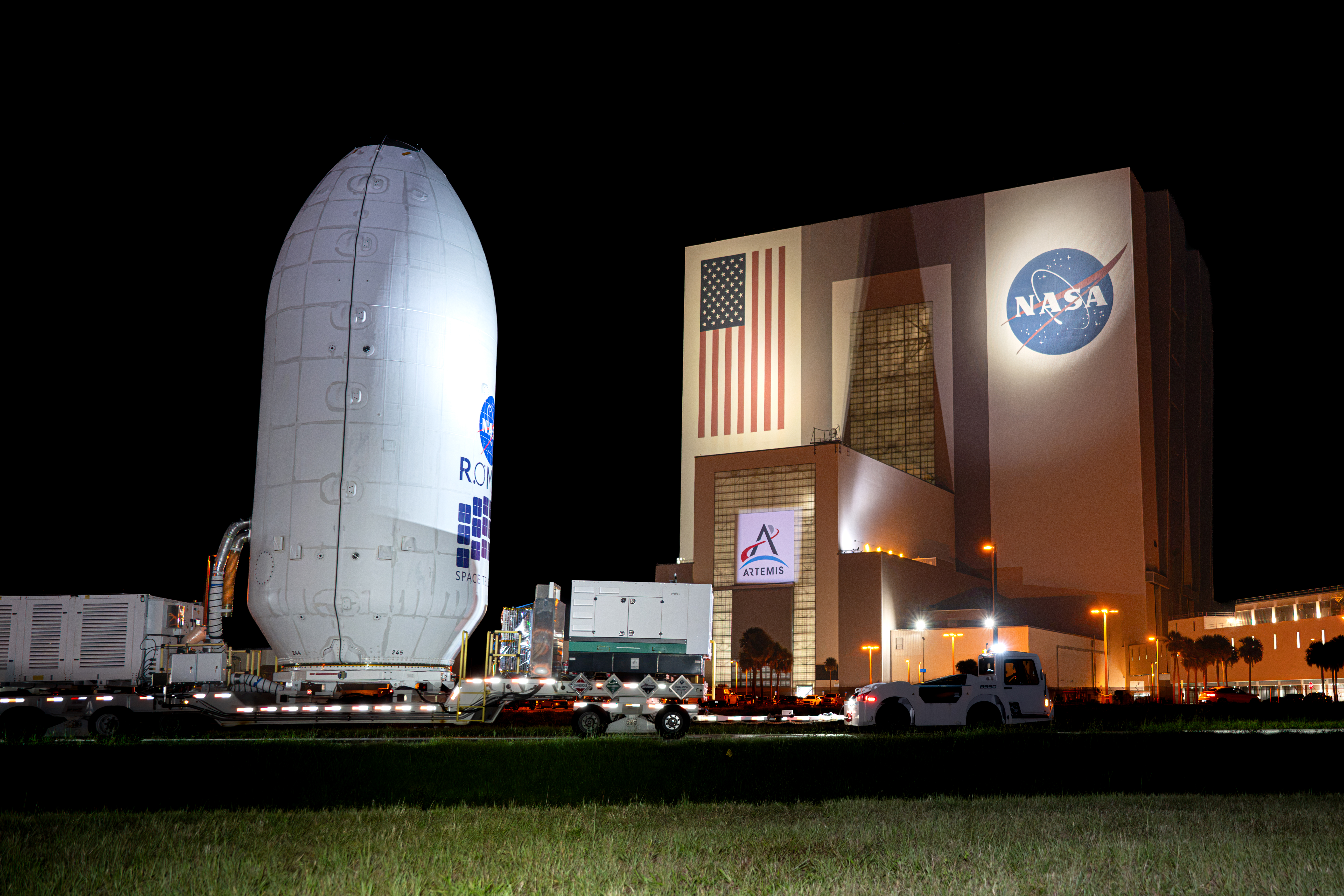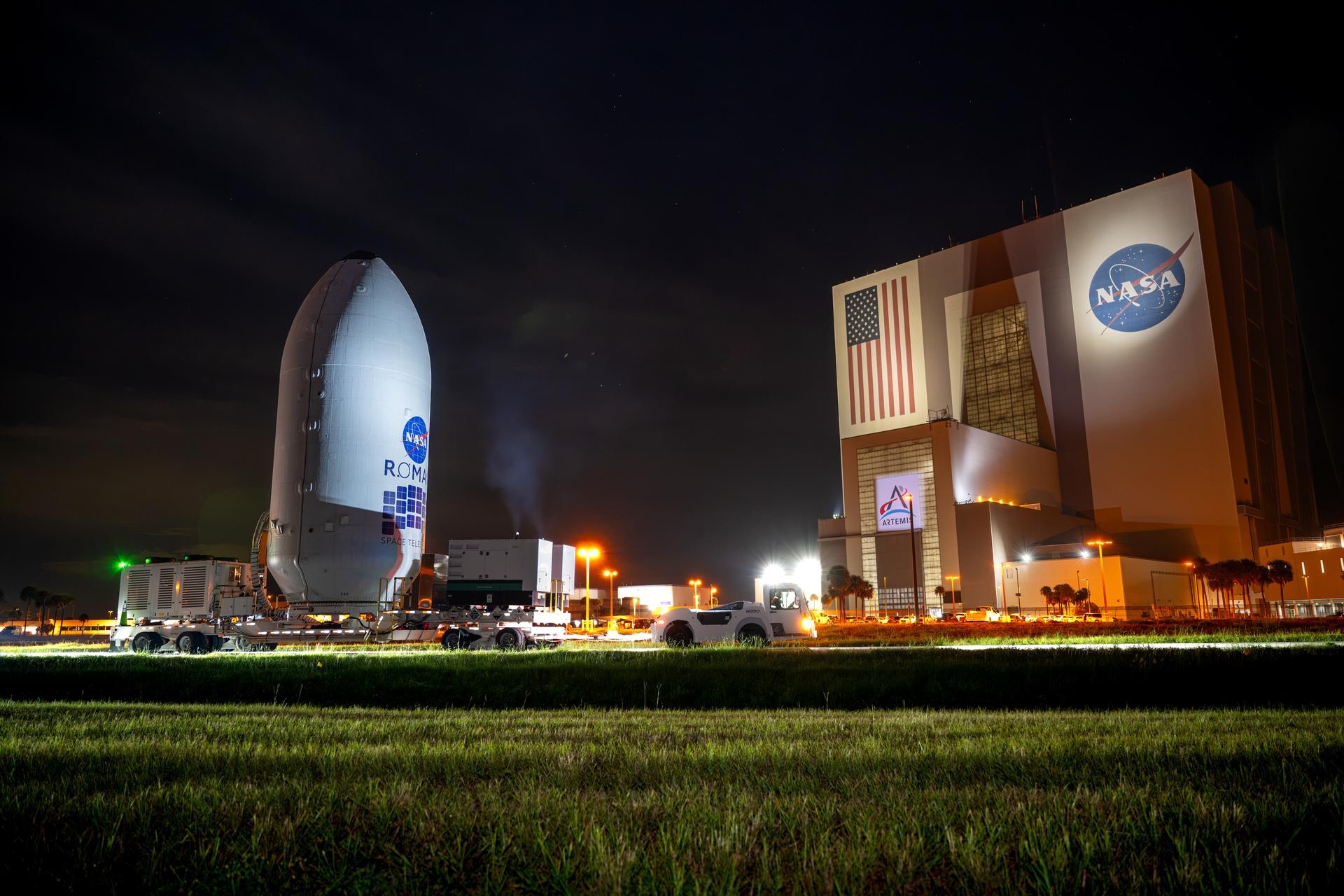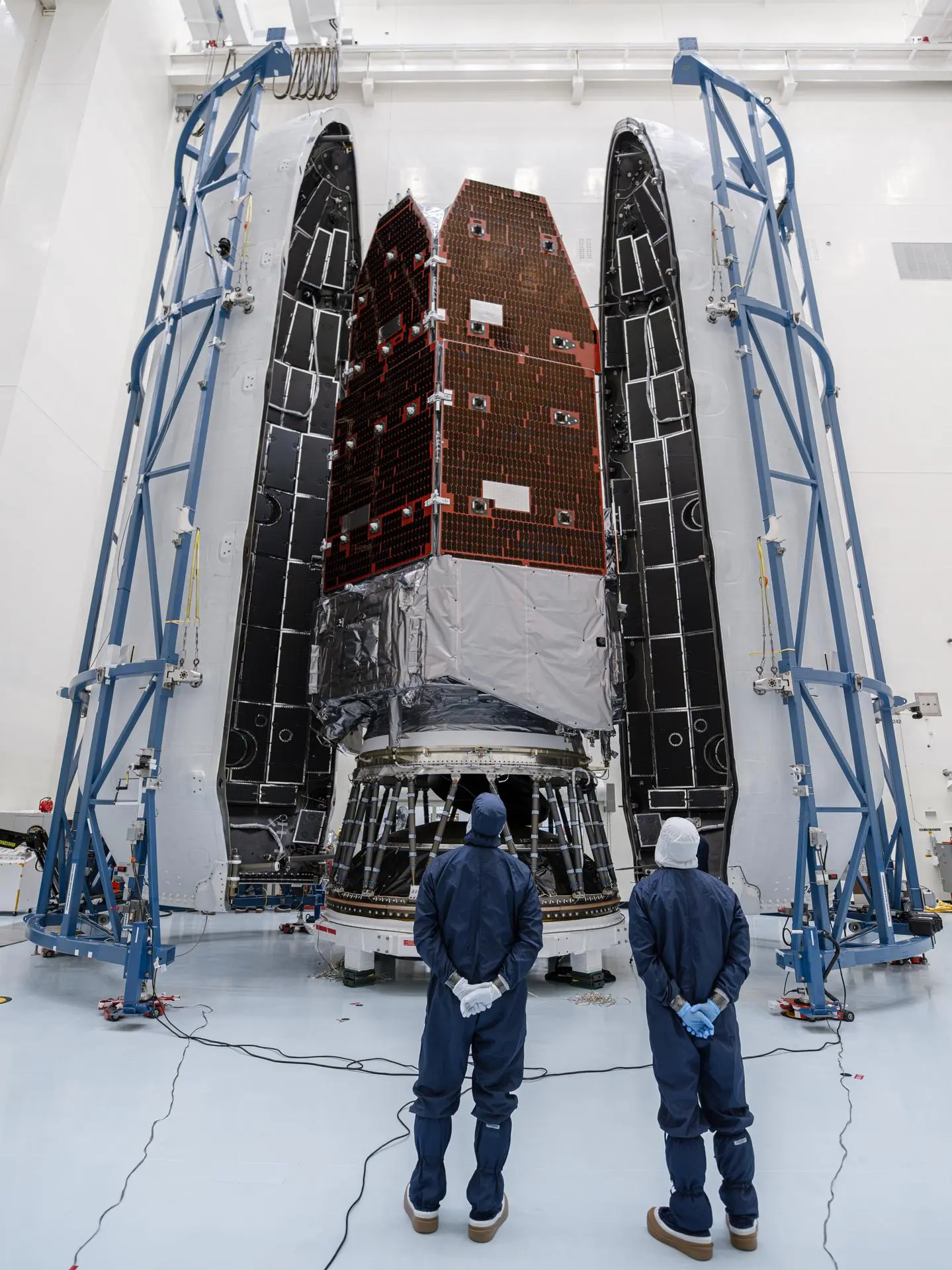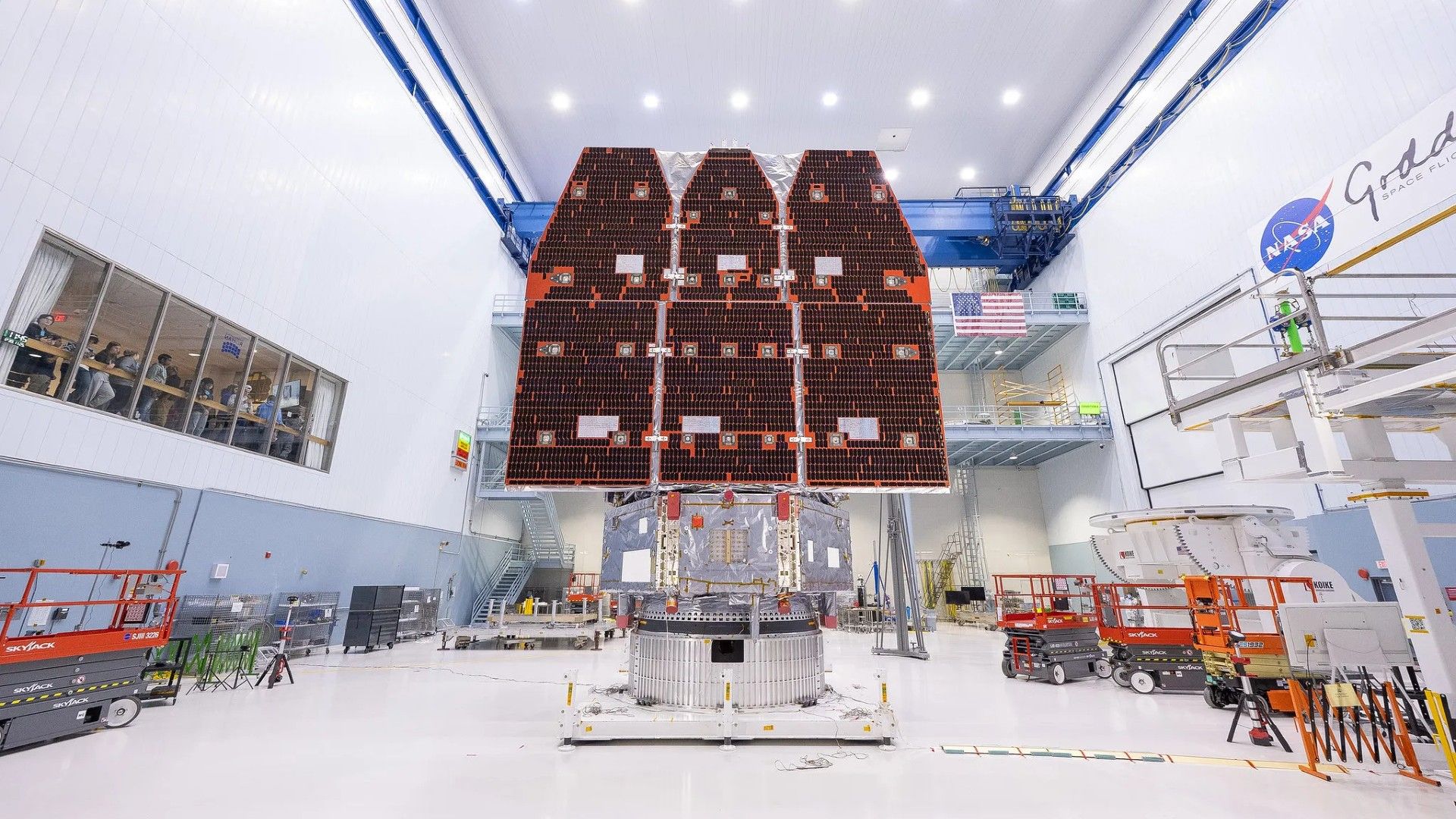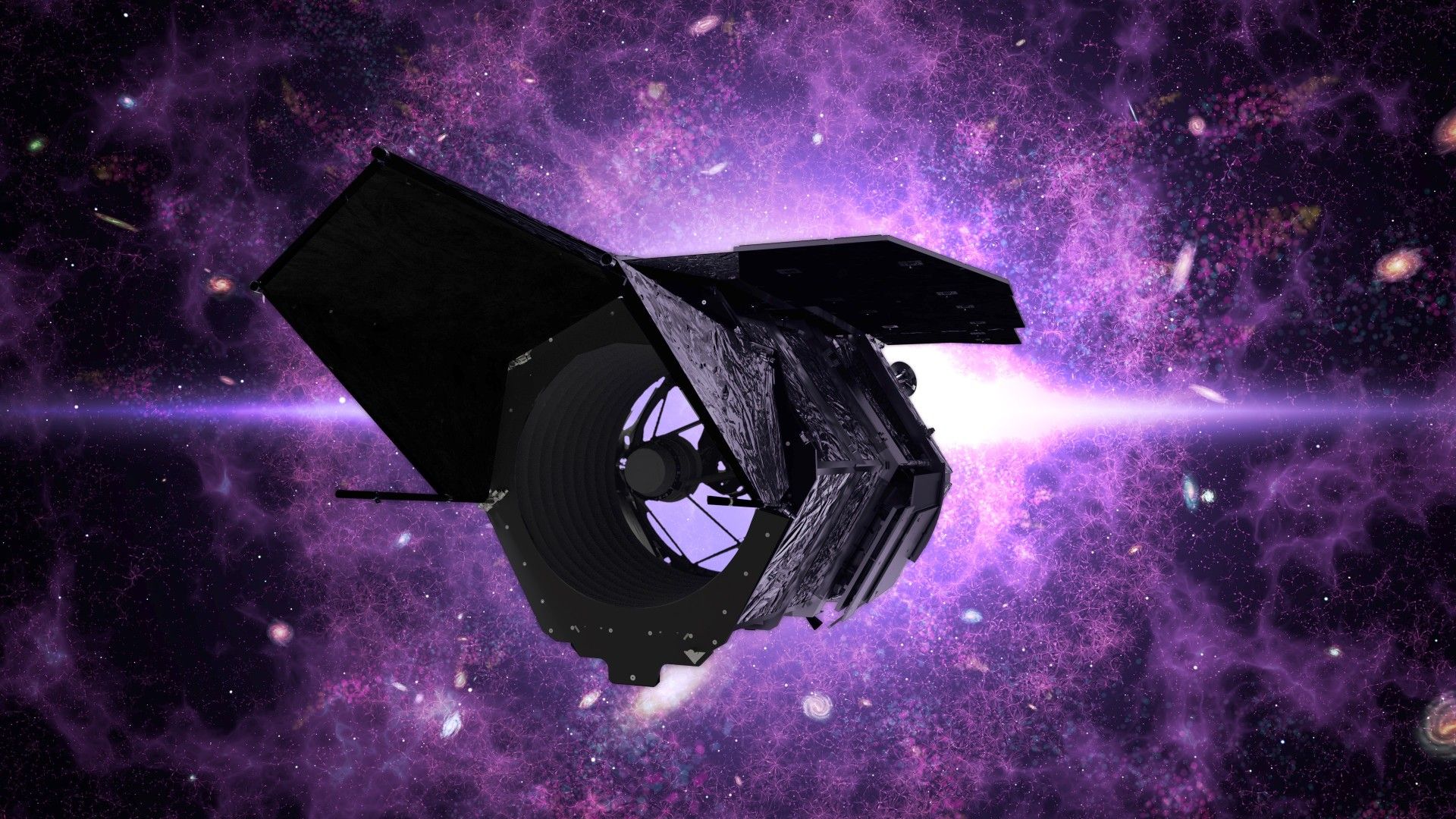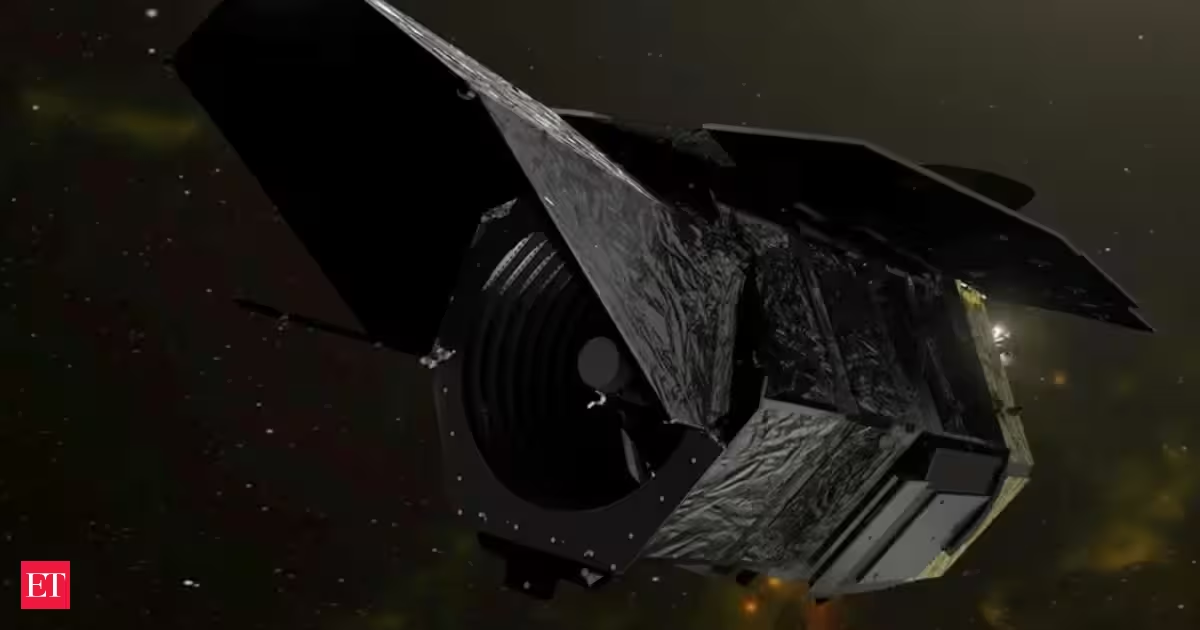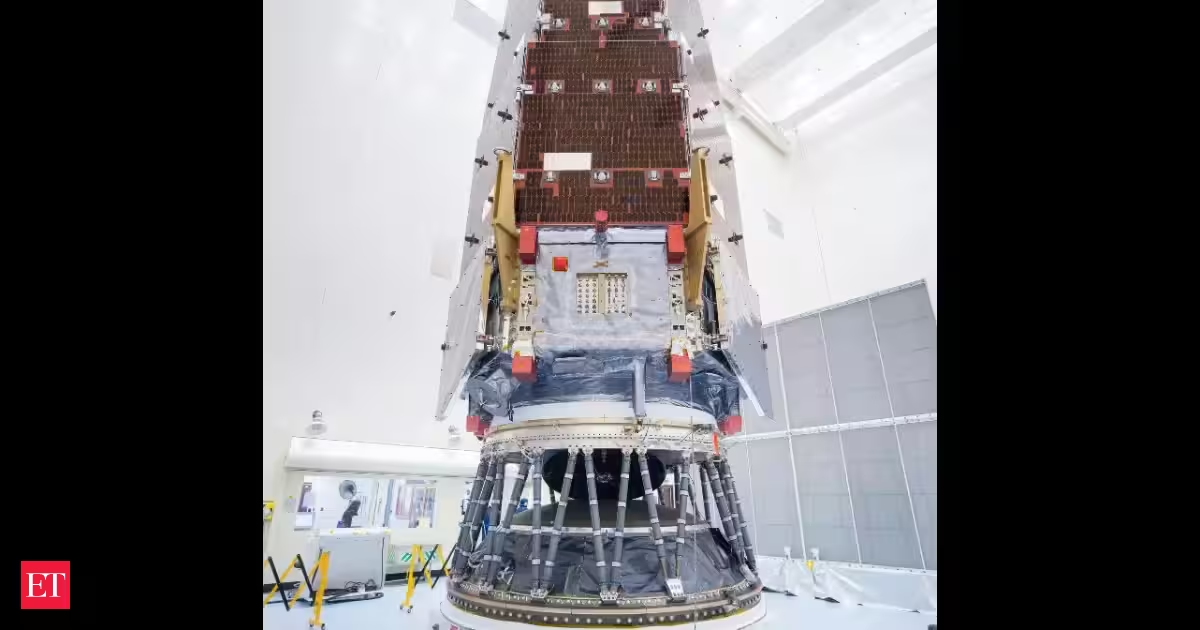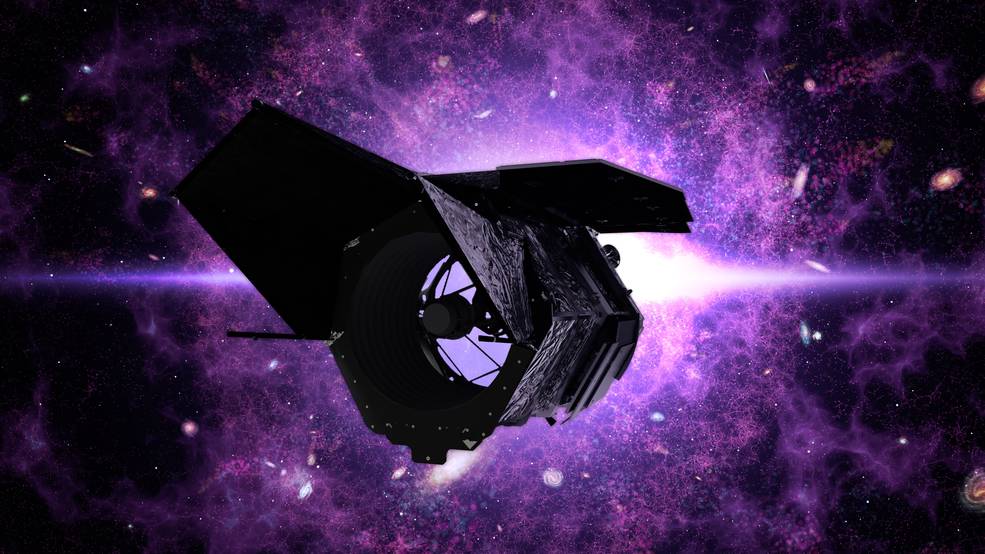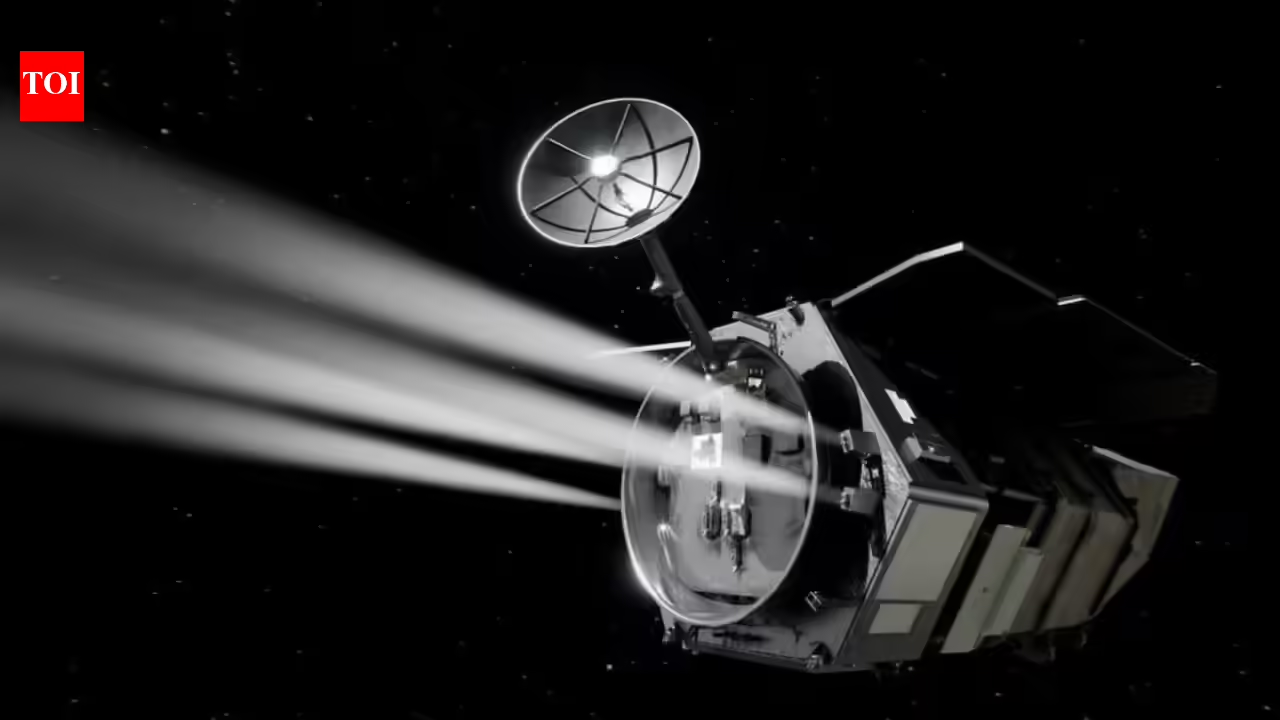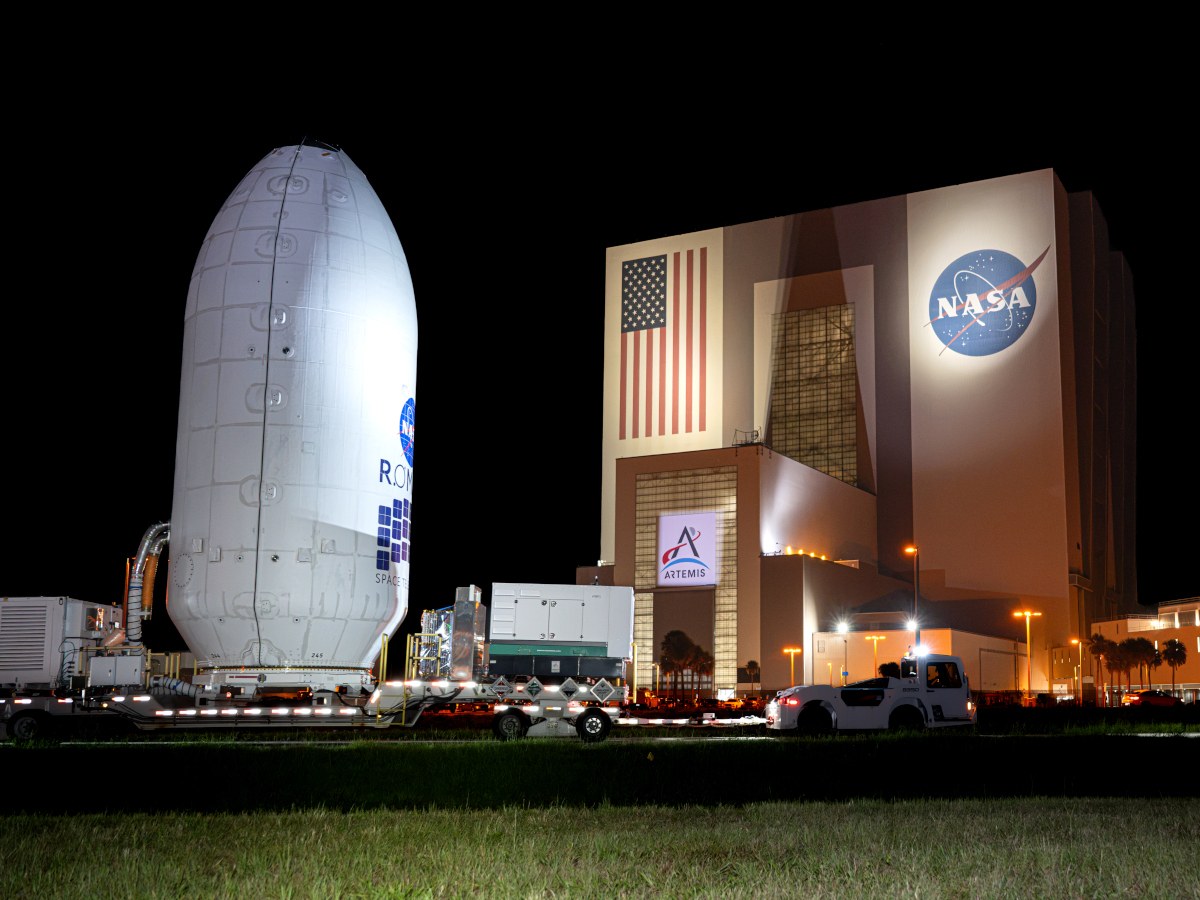
NASA’s Nancy Grace Roman Space Telescope, encapsulated in its payload fairing, travels from the Payload Hazardous Servicing Facility to the SpaceX hangar at Launch Complex 39A at NASA’s Kennedy Space Center on Tuesday (25 August). Image: NASA/Sydney Rohde (Rocz)
As NASA prepares to launch its new Nancy Grace Roman Space Telescope this weekend, Rochester Institute of Technology’s Prof Don Figer examines the telescope’s purpose and its origins in US spycraft.
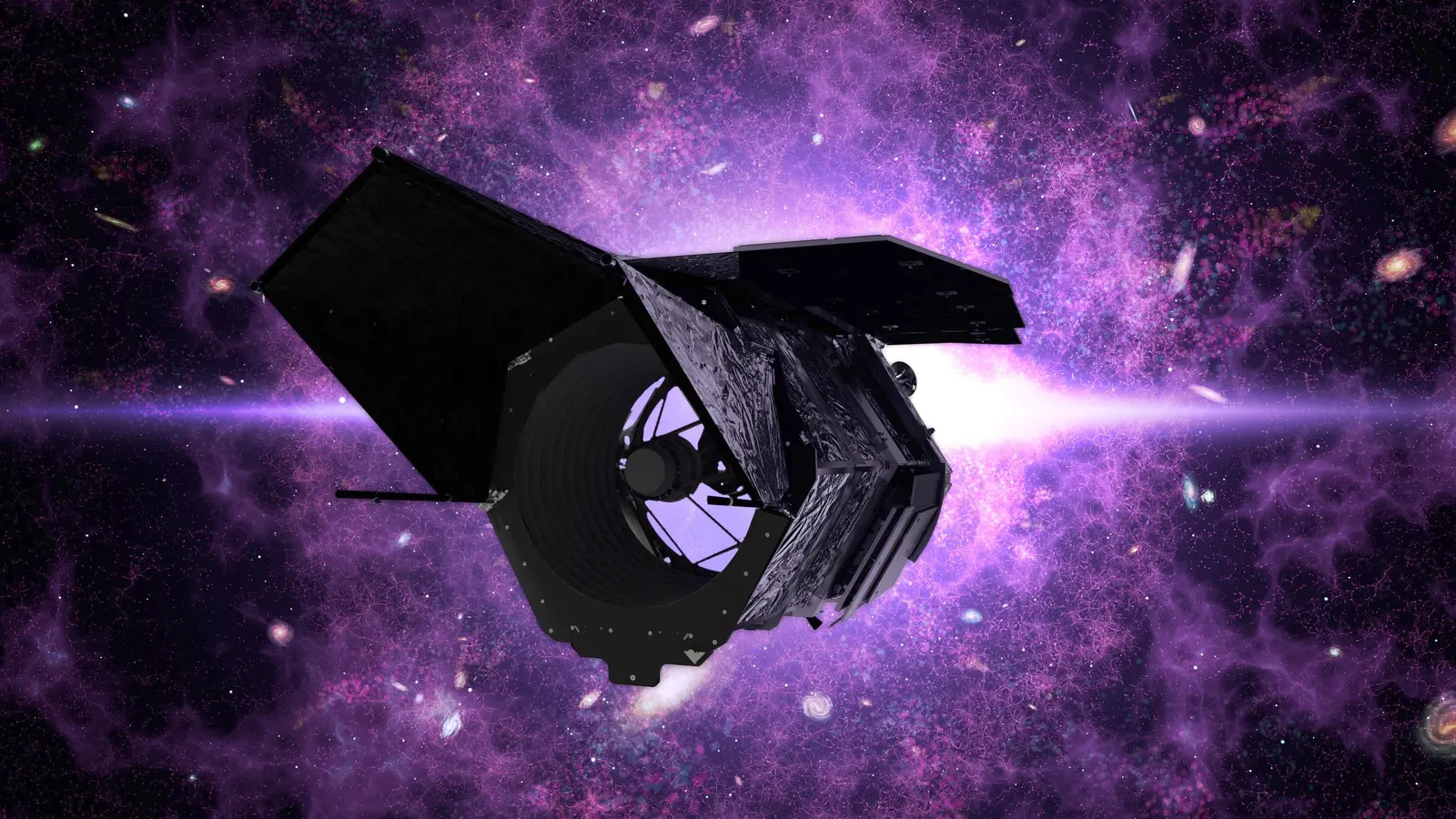
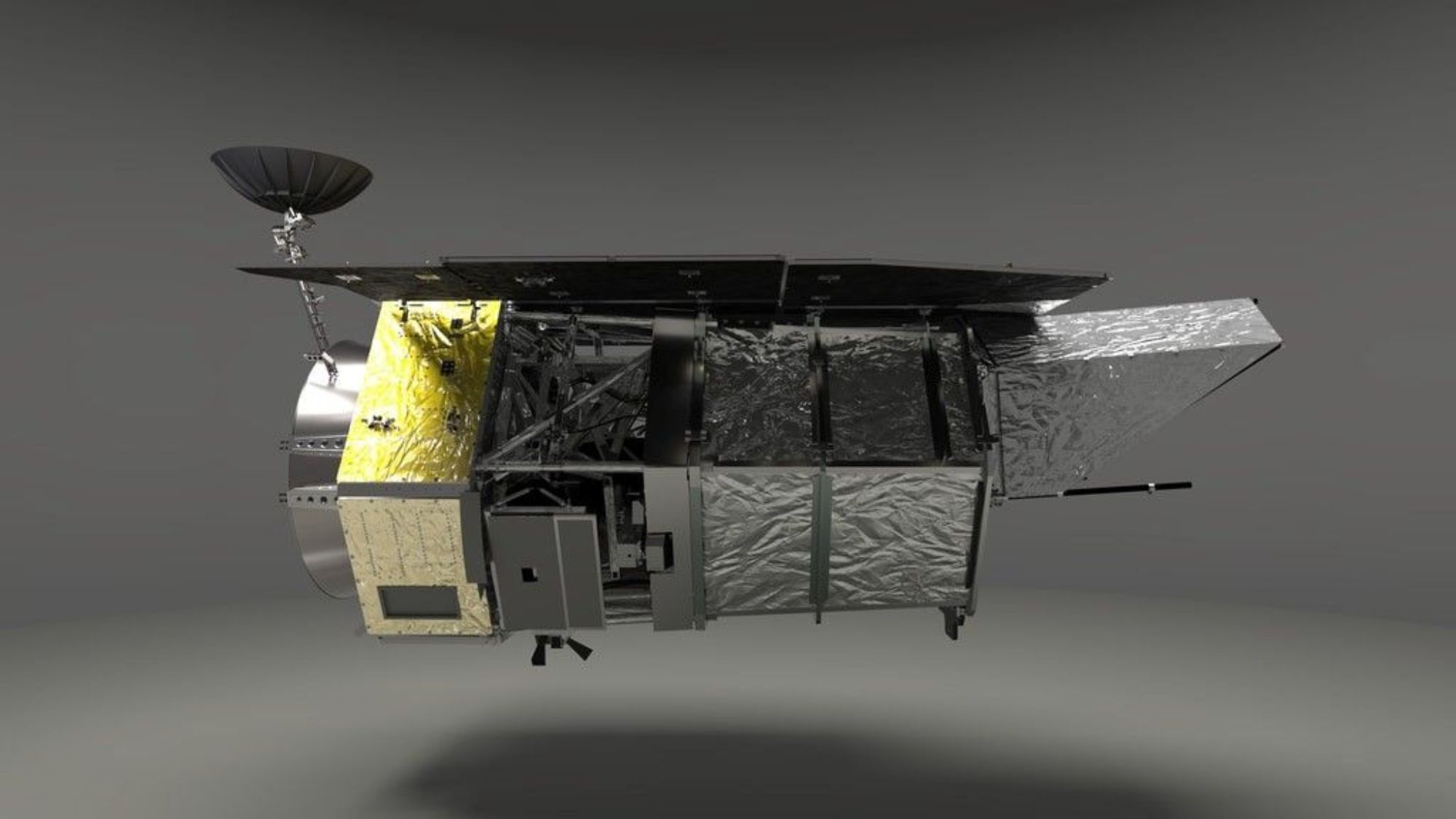
NASA plans to soon launch a new space telescope that will survey a billion galaxies to trace how the universe evolved over time, all courtesy of America’s spy programme and decades of research into detector technology.
The telescope, known as the Nancy Grace Roman Space Telescope, was first developed by the National Reconnaissance Office, before being transferred to NASA in 2012. The intelligence agency no longer needed the hardware for its future missions, so it sent the unused telescope to NASA. The space agency spent over a decade making modifications and aims to launch the telescope into space as early as 30 August 2026.
Once in position, the telescope will take data that astronomers like me hope will help answer some of the field’s most puzzling questions.