Josh Mackanic left a 10-year engineering career at Pacific Gas and Electric because he kept thinking about what the utility company doesn’t know about what’s buried underground.
“I had a job that got shut down because a pipe was in the excavation [that] we didn’t know about. Fortunately, we saw it before we impacted it,” he told TechCrunch. “But then there was this three-day ordeal of running around [asking] like: ‘Whose pipe is this? Can we tap it? Can we not? What’s in it?’”
Mackanic eventually got the answer, but it took three days, a delay that cost $60,000.
Despite being one of the largest utility companies in the United States, PG&E (and companies like it) only has visibility into the many miles of electric and gas lines it owns and operates. Pipes carrying sewage or water belong to other companies, and so does the information about where exactly they are. This leads to around 200,000 so-called “utility strikes” every year.
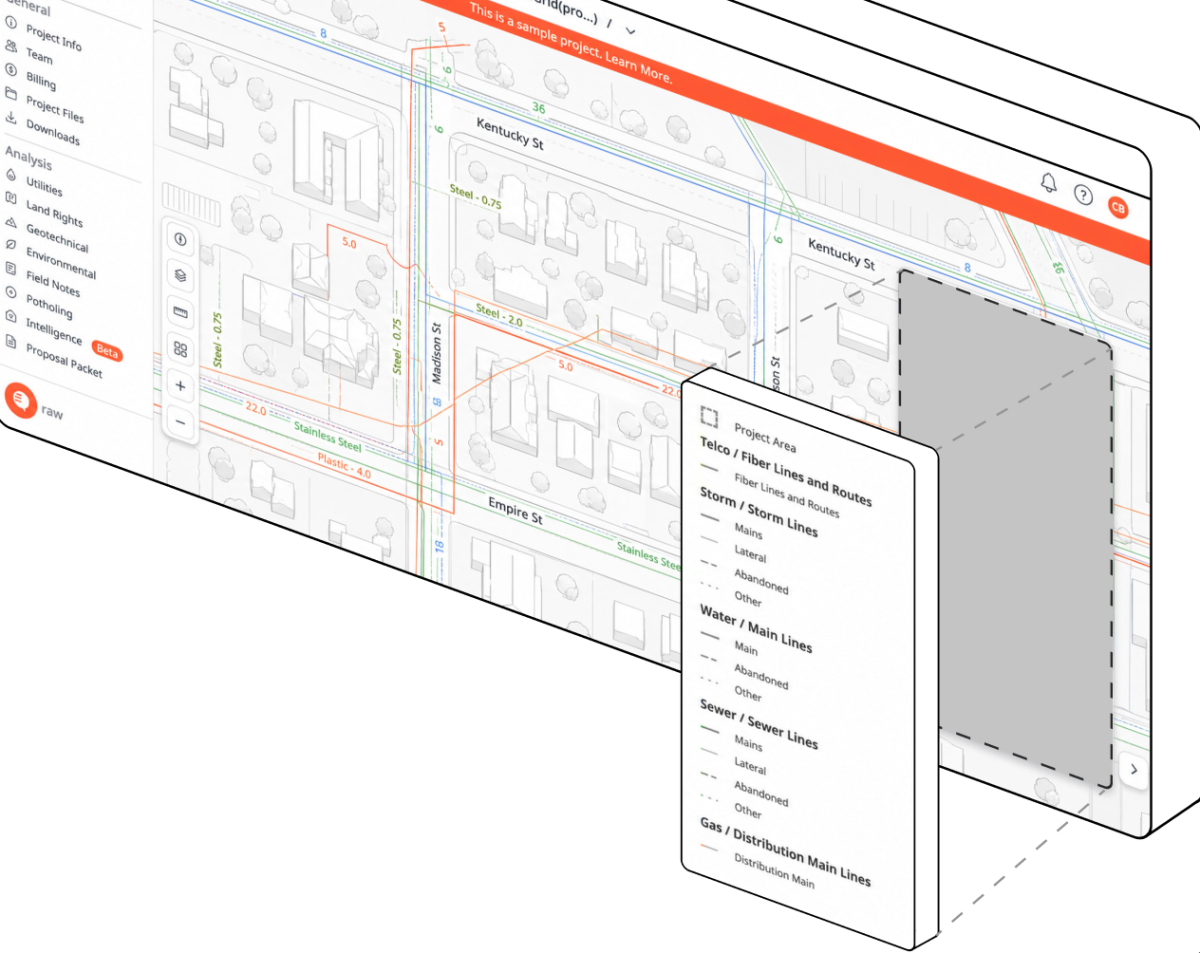
So in 2020, Mackanic founded a startup called CivilGrid designed to solve this problem. The company gathers disparate data regarding utility assets, property ownership, and environmental regulations and bundles it into what Mackanic cheekily refers to as “Google Maps for what’s underground.” It then sells access to governments, civil engineering firms, and utilities — including his former employer.