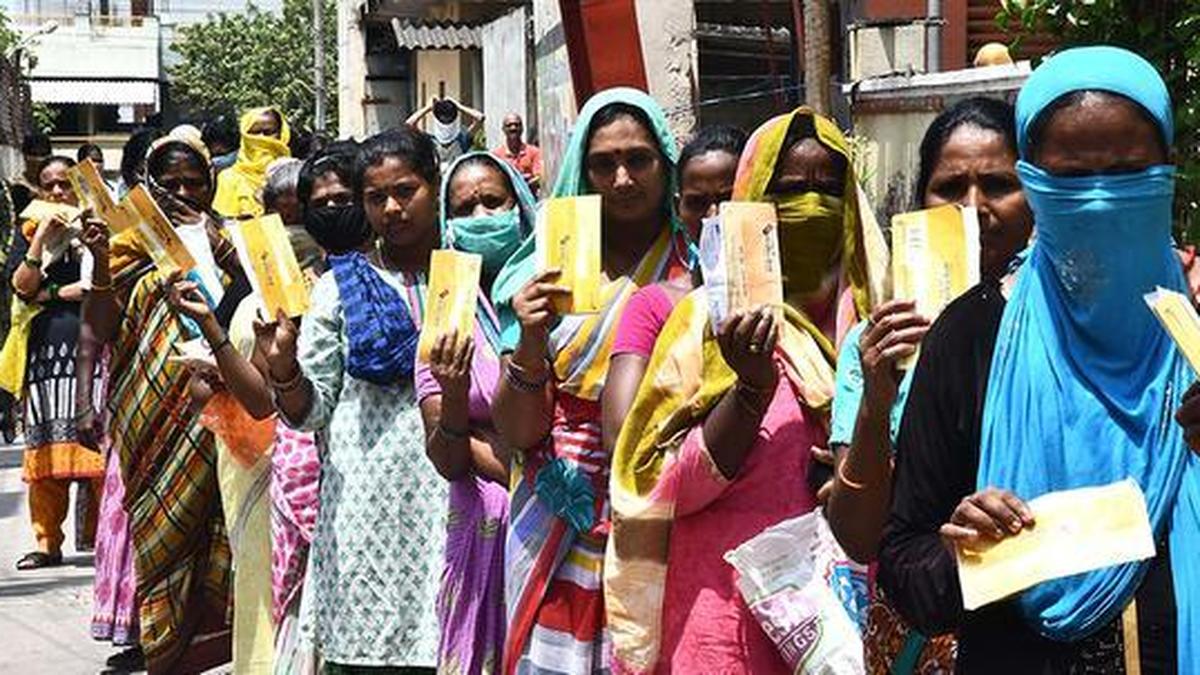
A bank account may appear to be a small and simple instrument. Yet, its significance lies not in the account itself, but in the opportunities it unlocks. Money can be received and kept safely. Savings can be built. Payments can be made without relying entirely on cash. Government benefits can reach the intended beneficiary directly. Over time, the same account can become the starting point for insurance, pension and credit.For a large country like ours, providing this basic financial access to every household is a formidable task. India had been expanding its banking network and pursuing financial inclusion for several years before 2014. However, a significant gap existed between having a bank in the vicinity and having a bank account of one’s own.The numbers explain that gap. In 2011, only 14.48 crore of India’s 24.67 crore households had banking facilities. The earlier approach to financial inclusion had largely focused on providing banking services to villages with a population of 2,000 and above. By 2014, the country had made progress, with 53.1 per cent of adults holding an account, compared with 35.2 per cent in 2011. Even then, a large section of the population remained outside formal banking. Among women, account ownership was 43.1 per cent.Four guiding principlesTo address this gap and bring the unbanked into formal banking stream, on August 28, 2014, Pradhan Mantri Jan Dhan Yojana was launched by Prime Minister Narendra Modi. The change was in the scale and focus of the effort. The programme was founded on four guiding principles: Banking the Unbanked, Securing the Unsecured, Funding the Unfunded, and Serving the Underserved. By expanding access to formal banking and financial services, PMJDY brought crores of previously excluded individuals into the mainstream financial system.
Twelve years of Jan Dhan: From financial access to economic empowerment
Explore the transformative journey of Jan Dhan Yojana, enhancing financial inclusion and economic empowerment in India over 12 years.
1,427 words~6 min read