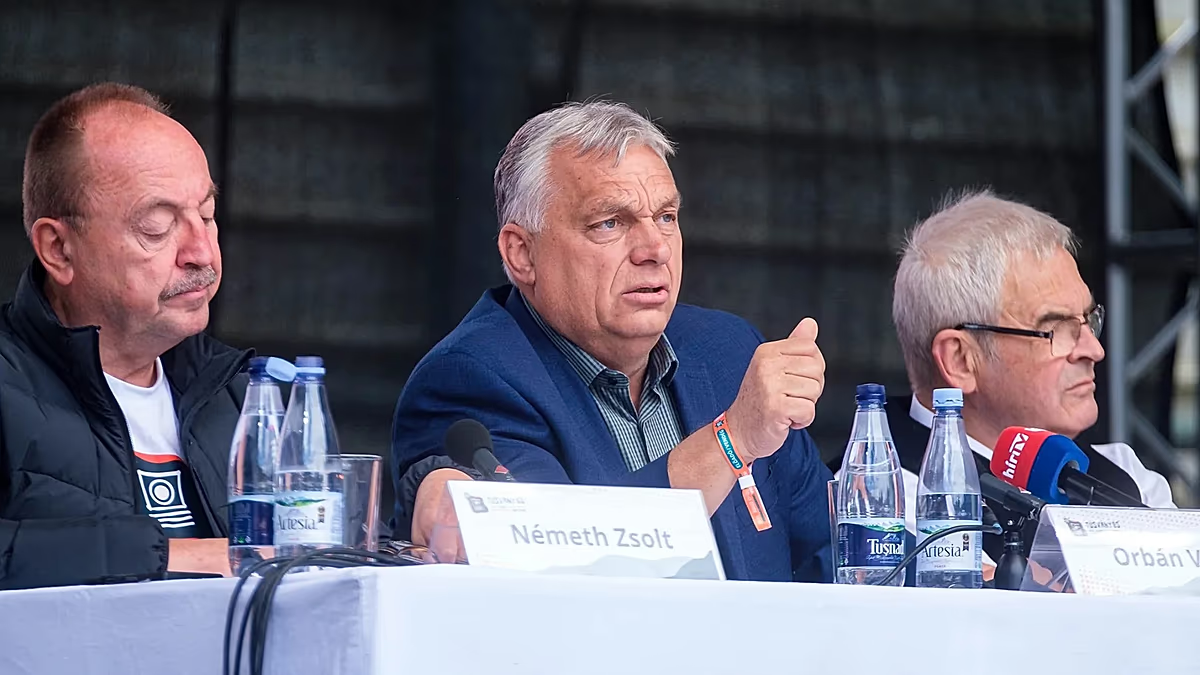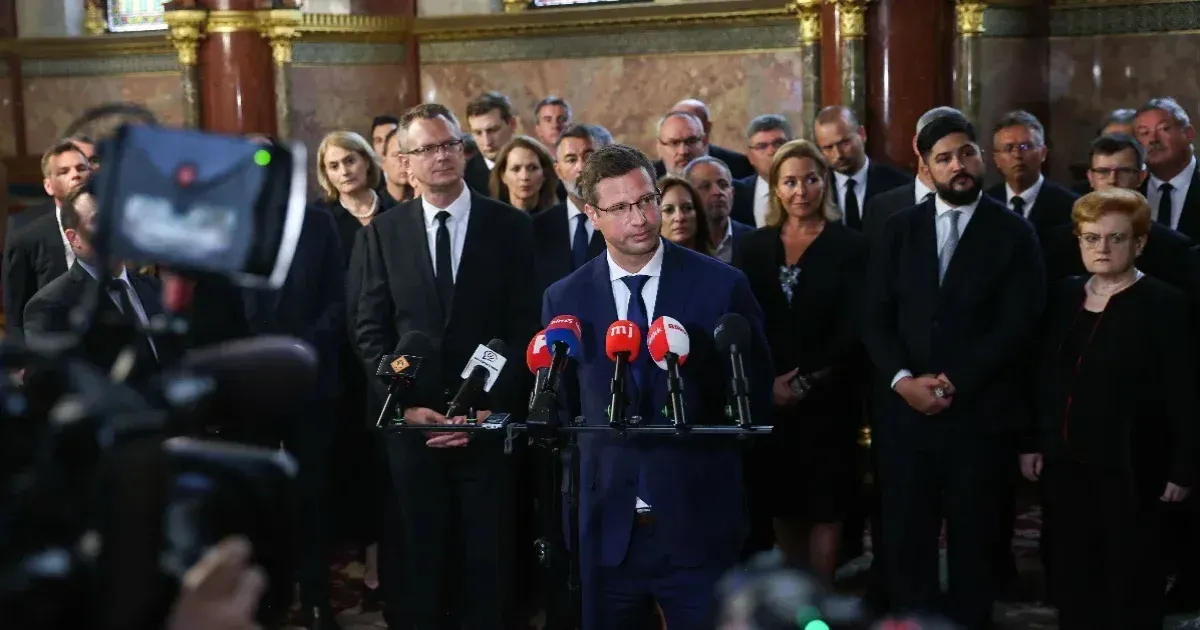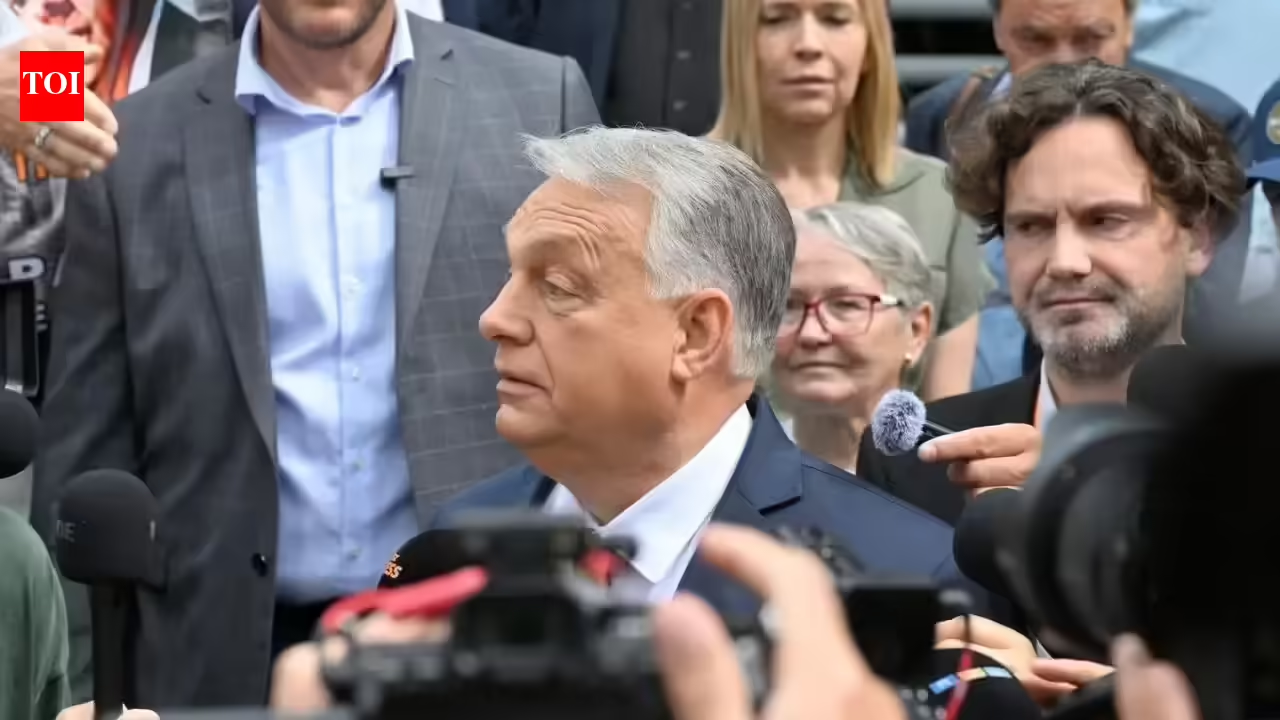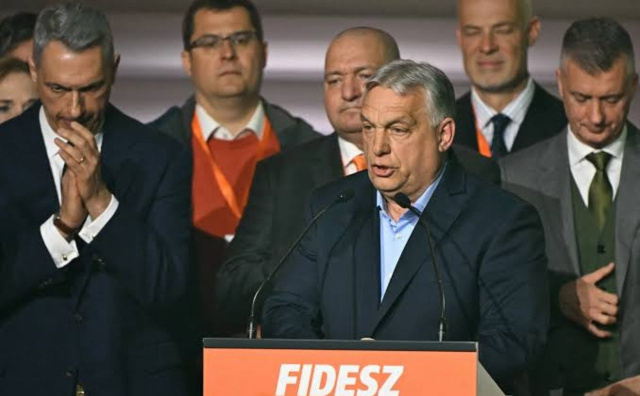
The Hungarian Fidesz party is confronting an existential crisis after its historic defeat in April, when Péter Magyar's Tisza party ended Viktor Orban's 16-year rule and stripped Fidesz of its parliamentary supermajority. The party, which played a major role in Hungary's democratic transition in the late 1980s before becoming the vehicle for Orban's nationalist and eurosceptic transformation after 2010, is now struggling to determine how it can survive in a radically changed political environment.
Tisza currently commands nearly 70% support in opinion polls, while Fidesz has fallen below 20%. Several senior figures have left politics since the defeat, while corruption investigations and renewed scrutiny of Orban's inner circle have further damaged the party's standing.
According to a source with close knowledge of Fidesz's internal affairs, the party is considering several possible paths, including a major reorganization, rebranding without Orban, or even dissolving Fidesz and creating an entirely new conservative political force.
The debate over the party's future intensified after Orban resigned his seat in parliament following the election, ending 36 years of parliamentary service. Fidesz nevertheless re-elected him as party chairman in May and tasked him with helping determine its next direction.