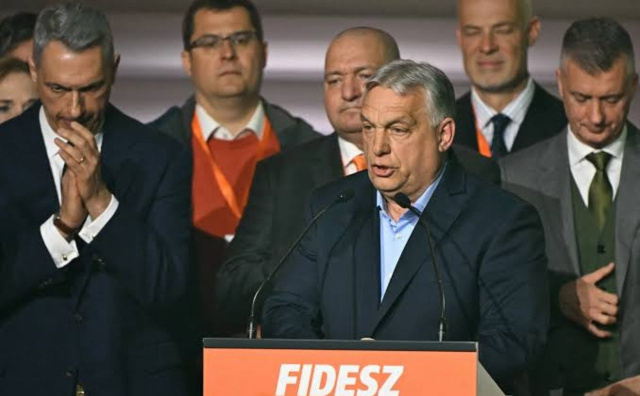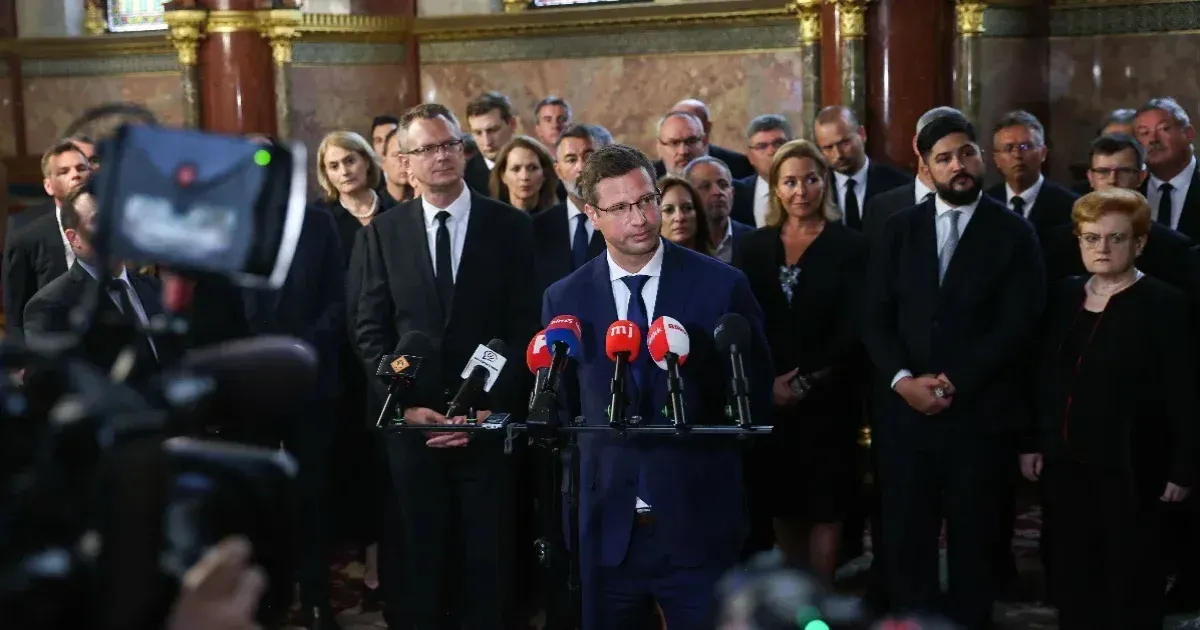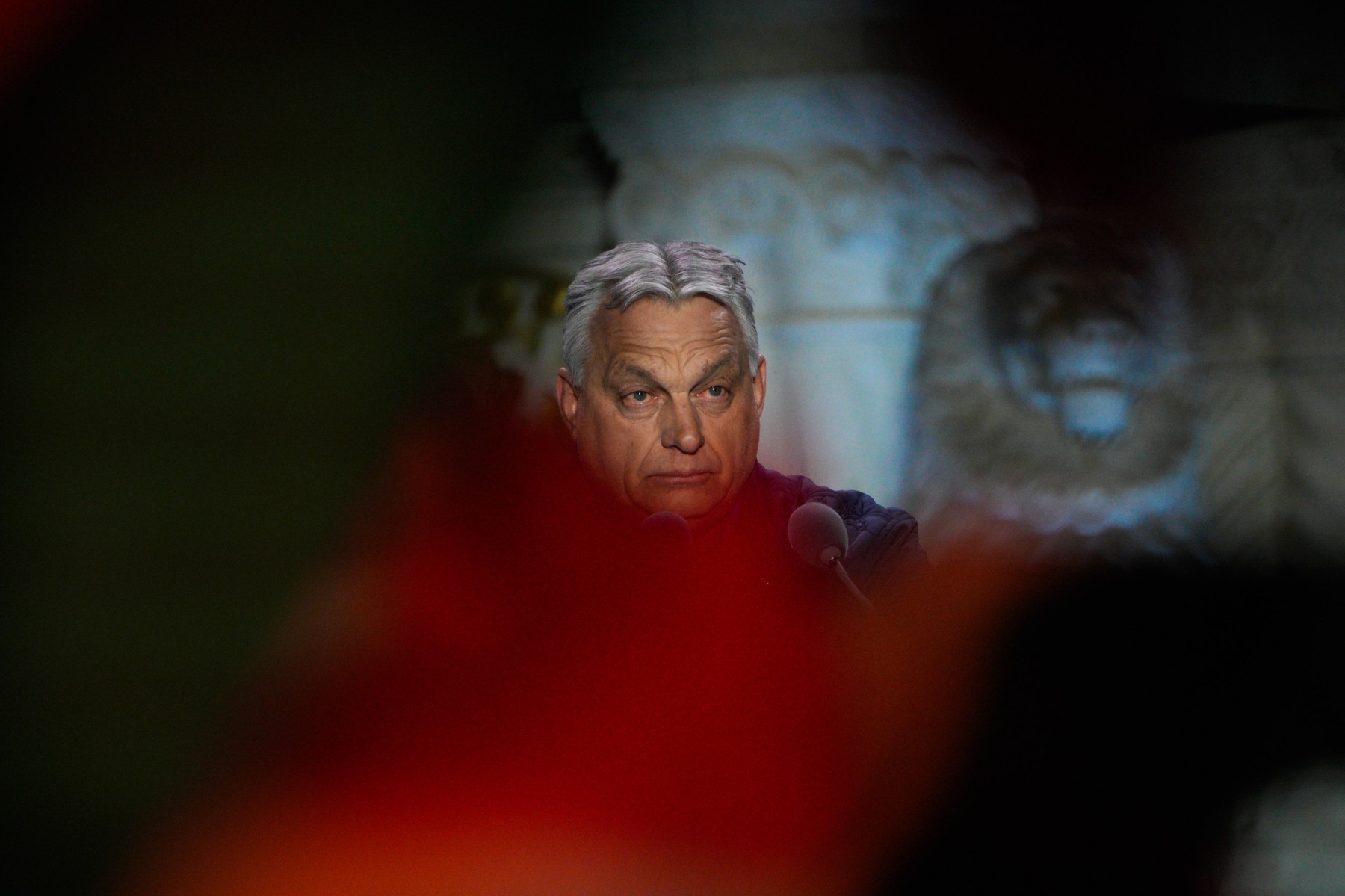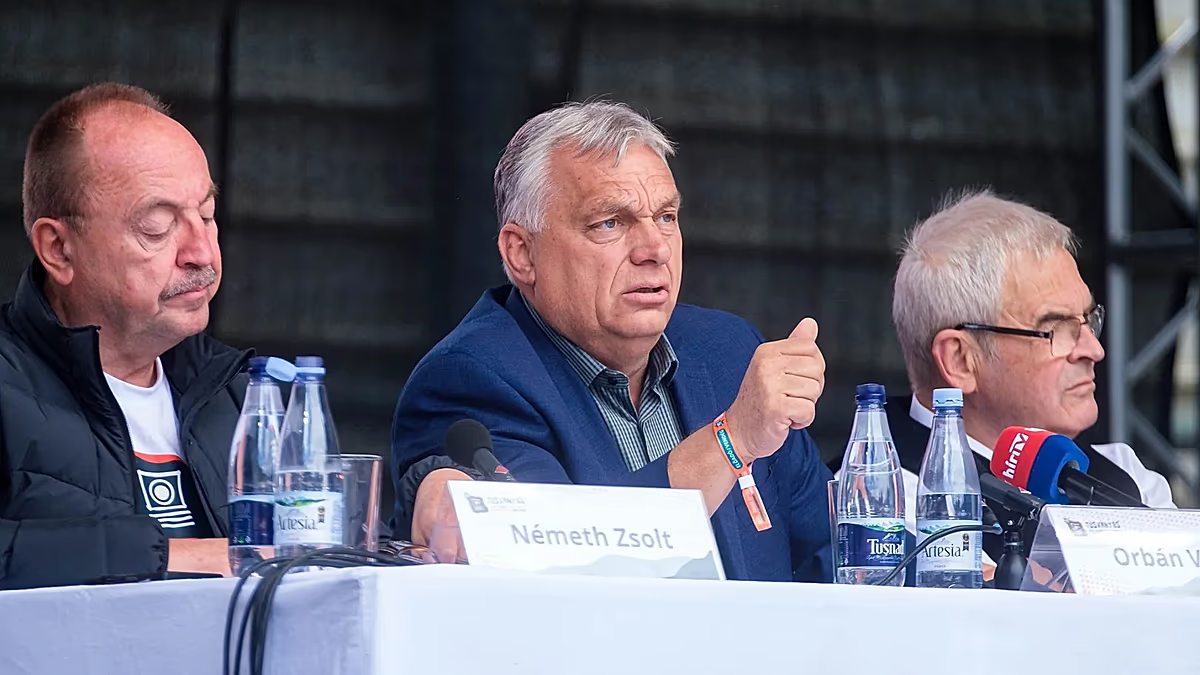
Hungary's Fidesz party is facing an existential crisis following its dramatic defeat in the country's April elections, in which Péter Magyar's Tisza party unseated Viktor Orbán after 16 years of governing with a supermajority.
Having been a key driver of Hungary's democratic transition at the end of the 1980s and then a vehicle for Orbán's nationalist, eurosceptic transformation of the country since 2010, Fidesz has since struggled to adapt to Hungary's new political reality.
Tisza commands nearly 70% support in opinion polls, while Fidesz's own rating has fallen below 20%. Several leading figures have left politics altogether since the defeat, and a series of corruption investigations has further eroded the party's standing.
According to a source with close knowledge of the party's internal affairs, Fidesz is now considering difficult paths forward, among them reorganisation, rebranding without Orbán, or complete dissolution.
Orbán weighs his options