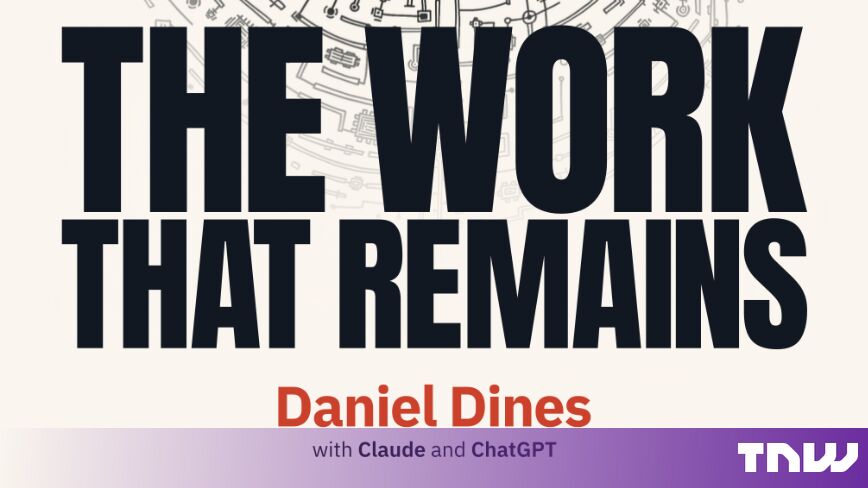
Daniel Dines has published The Work That Remains, arguing that enterprises should let AI agents prepare work while humans own consequential decisions and deterministic automation carries them out. He stakes the framework on a dated prediction and names the evidence that would weaken it.
Daniel Dines has written a book, and its most useful sentence is a bet with a date on it. He predicts that by the end of 2028, any large regulated enterprise running a high-consequence workflow autonomously will do it inside an engineered environment, not with a general agent dropped into legacy systems.
He then does something vendor books rarely do. “If broad enterprise deployment proves otherwise, this framework weakens,” he writes, naming the evidence that would sink his own argument.
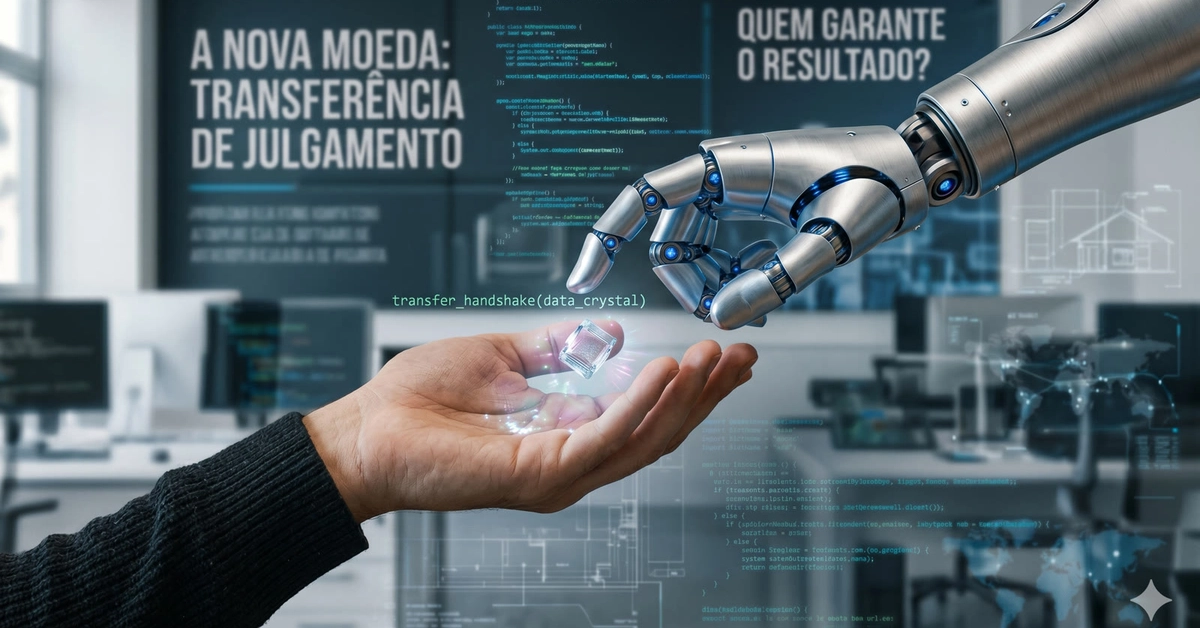
The thesis fits on a line. AI proposes, humans decide, automation executes, with agents planning and preparing, people owning anything carrying consequence, and deterministic systems doing what was approved.
His vocabulary for the missing layer is the map and the rails. The map is a governed description of how a business actually works, and the rails are the machinery that executes the stable parts exactly.