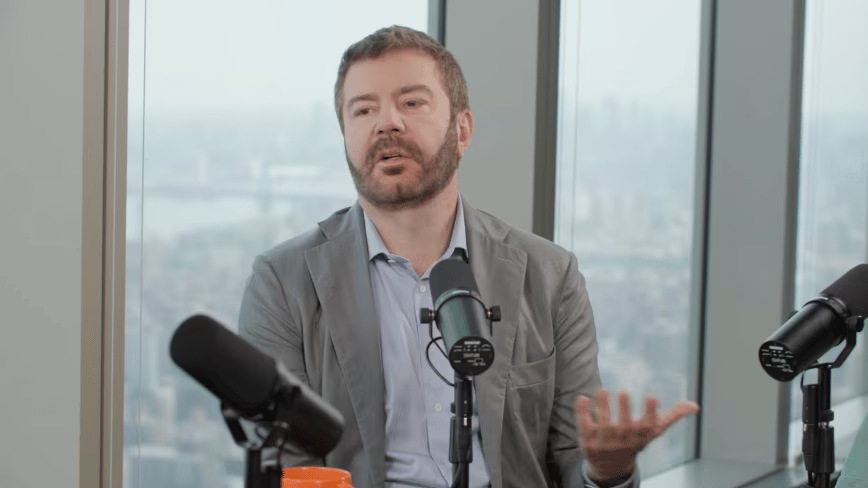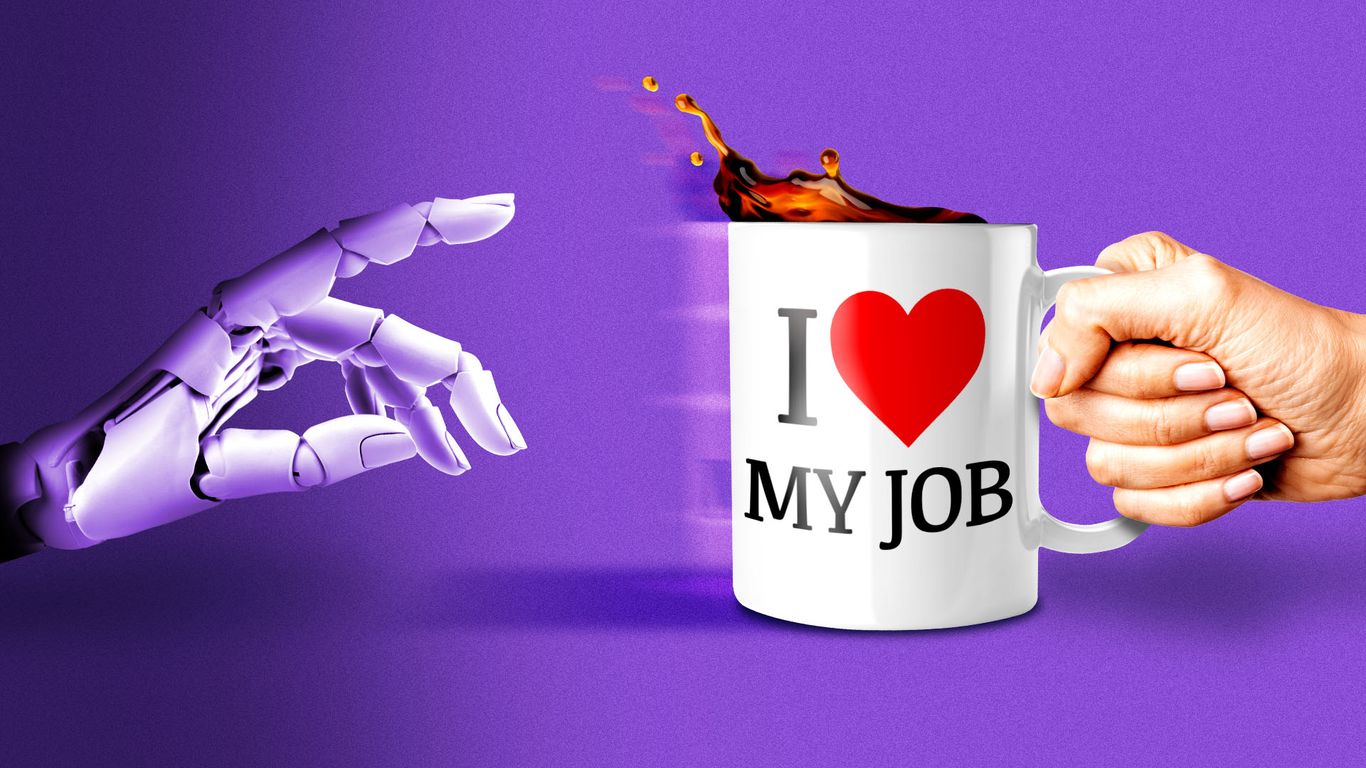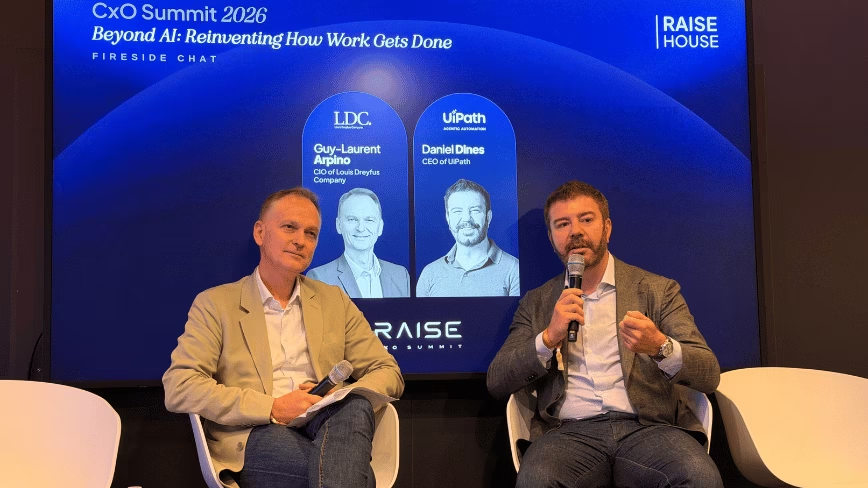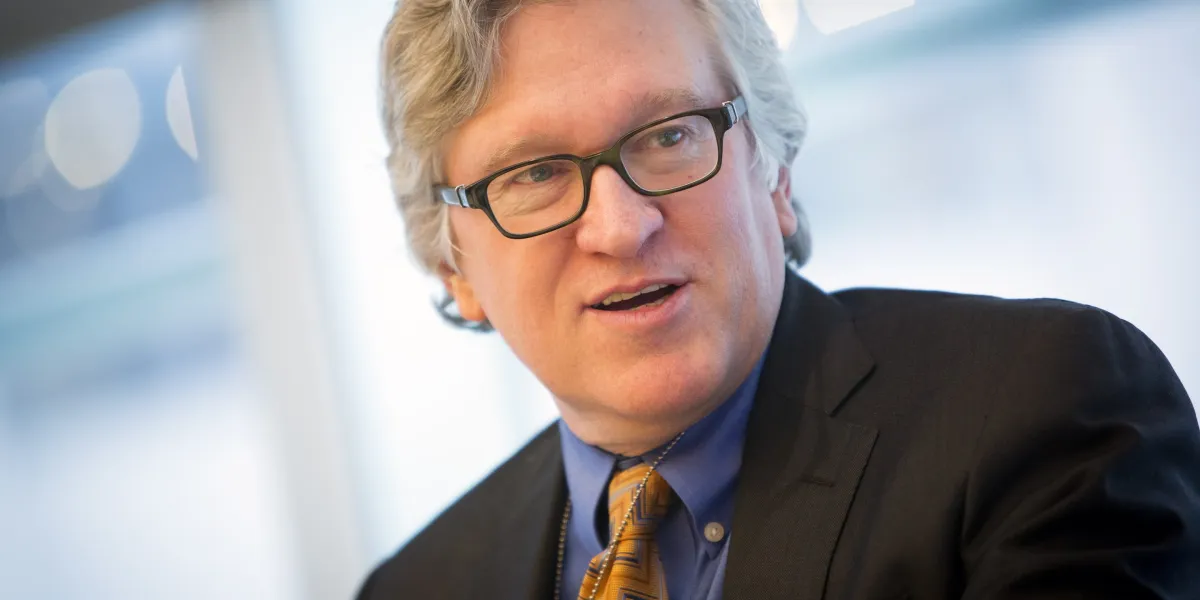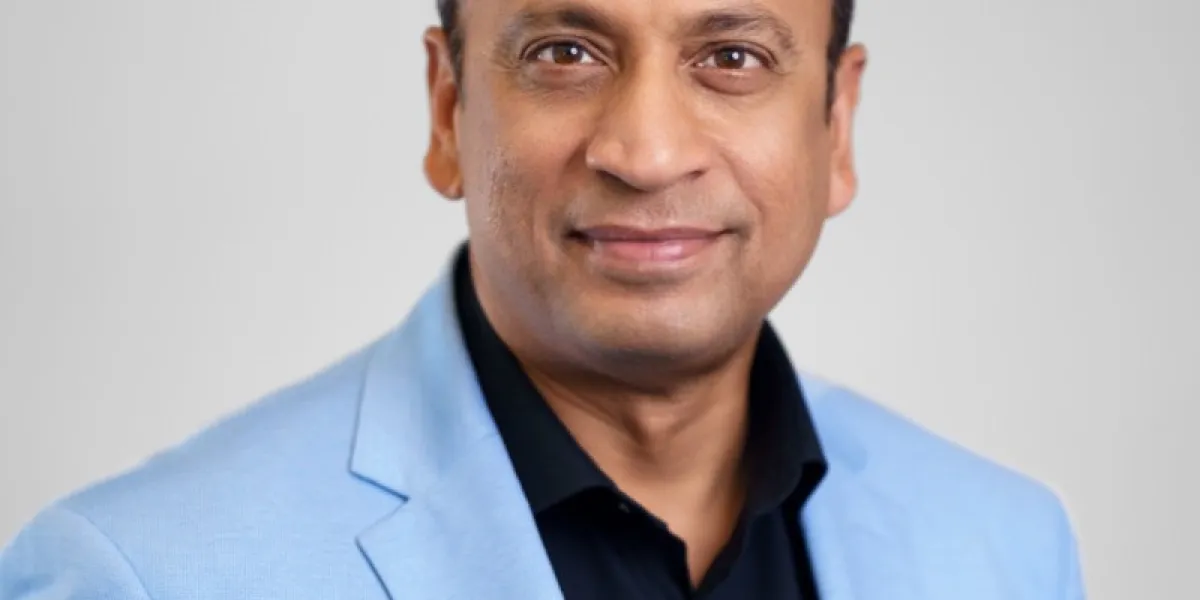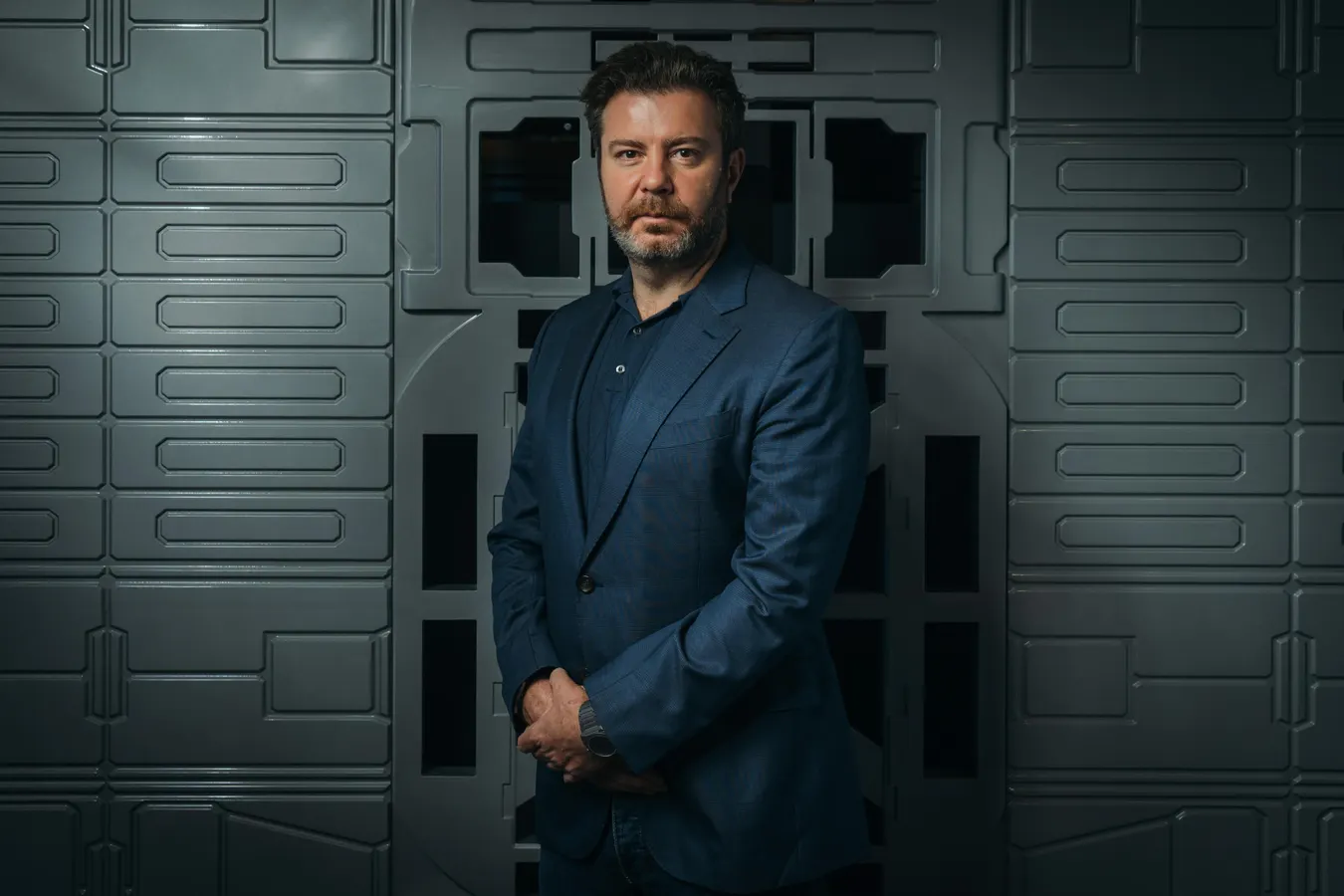
Daniel Dines, billionaire and co-founder of UiPath Inc., at the automation software company's offices in Bucharest, Romania, on Thursday, May 20, 2021. Dines struggled with life in the U.S. after leaving his native Romania in 2001 to work for Microsoft Corp., but the experience created the foundation for one of the world's biggest fortunes. Photographer: Andrei Pungovschi/Bloomberg© 2021 Bloomberg Finance LPAs companies cut thousands of jobs in AI's name, the UiPath founder argues that taste, judgment and human initiative are exactly the assets executives are cutting blind.The tech industry has spent 2026 conducting an enormous experiment on itself. Companies have eliminated tens of thousands of positions this year while citing AI-enabled productivity as the rationale, according to running tallies of AI-attributed layoffs, with major names across software, payments and cloud infrastructure among them.The uncomfortable part is what the research says about the results. A Gartner study of 350 firms this spring found that the companies cutting most aggressively showed no corresponding improvement in financial returns, and the firm now predicts that half of organizations planning significant AI-driven service workforce reductions will abandon those plans by 2027.Into this environment steps Daniel Dines, founder and CEO of UiPath — a man who built one of the world's largest automation companies and therefore has every commercial incentive to tell you machines can replace people. Instead, in a recent episode of UiPath's 'The Path Forward' series, he made the most persuasive case I've heard for why they can't replace the part that matters.The Average ProblemDines has been running his own experiments with frontier models, asking them to write in distinct styles and then interrogating them about why the output comes back bland. The models' own explanation, as he recounts it, is structural: they are trained on everything, which makes them an average of everything.His conclusion lands in nine words: 'An average by definition doesn't have a taste.'This is not a throwaway line. It's an argument about where value lives in an AI-saturated enterprise. Taste — the ability to know which of ten technically correct options is the right one — is formed by specific experience, specific failure and specific stakes. A model has none of those. It has everyone's experience, which is functionally no one's.Dines illustrates it with skiing. You can memorize every book ever written on the subject and you still won't be a skier, because skiing is learned by falling. After 25 years building and selling digital businesses, I can confirm the enterprise version: judgment is a ledger of expensive mistakes, and there is no API for it.Fifty Million Einsteins, Zero EmployeesThe podcast also takes aim at one of the industry's favorite narratives — that we'll soon have the equivalent of tens of millions of Einsteins running in data centers. Dines calls this partly true and importantly false.The reasoning power may arrive. But Einstein was not just a reasoning engine; he was a person with a self, a will and a stake in outcomes. He originated his own questions. Models, Dines notes, pursue goals impressively — but a human has to originate the goal.That distinction is the whole ballgame for how companies actually function. Enterprises look like machines executing strategy, but internally they run on what Dines describes as a system of micro-initiatives: thousands of small, unrequested acts of judgment. An account manager reading a flicker of doubt on a client's face. An engineer fixing the thing nobody filed a ticket for. Cut the people, and you don't just cut labor — you cut the initiative layer.Andrada Morar, UiPath's VP of customer experience, global partnerships and tech alliances, adds the talent-side corollary: AI can supply knowledge, but it cannot supply curiosity, motivation or grit. The employees who will thrive, she argues, are the ones experimenting with new tools on a Sunday before any company policy exists — treating the disruption as an opportunity rather than a threat.Why This Matters For The Cutting SeasonDines is blunt about the current wave of workforce reductions: the most damaging thing executives can do right now is cut headcount for AI's sake without understanding what they're losing — including which people would have been their best AI operators. You don't know who those people are yet, he warns, because the traits that matter (willingness to change, to leave the box you've been operating in) don't map to the credentials our education system was built to produce.The independent data increasingly agrees. Deloitte's 2026 State of AI in the Enterprise report found that while two-thirds of organizations report productivity gains from AI, only about one in five has actually grown revenue with it. And BCG's analysis of AI's workforce impact warns that companies cutting beyond AI's demonstrated ability to replace work will watch productivity drop, institutional knowledge evaporate and critical talent walk out the door.In other words: the enterprises treating AI as a headcount subtraction are betting against three bodies of research and one automation CEO.The Second-Order QuestionThe conversation's most unexpected turn is philosophical. Dines, who is writing a book with an ensemble of AI models serving as rotating drafting partners and editors, describes asking them whether AI could ever develop will of its own. One model surfaced the work of a 1970s American philosopher — Harry Frankfurt, whose framework distinguishes first-order desires (wanting something) from second-order desires (wanting to want something).A model can simulate the first from its training data. Only a person can do the second: I want to want to be better at this. Every meaningful career, and every company culture worth having, runs on that sentence.Notice the working method, though, because it's the practical takeaway hiding inside the philosophy. Dines uses the models constantly — as sounding boards, editors and research engines — while insisting the ideas, the will and the taste must come from him. That's the operating model the data supports: AI as an amplifier of human judgment, not a substitute for it.The companies winning the next five years won't be the ones that replaced their people with an average. They'll be the ones that figured out which of their people have taste — and gave them the average as a power tool.
UiPath's Daniel Dines Has A Warning For The AI Layoff Era: 'An Average Doesn't Have A Taste'
As companies cut thousands of jobs in AI's name, the UiPath founder argues that taste, judgment and human initiative are exactly the assets executives are cutting blind.
1,020 words~5 min read