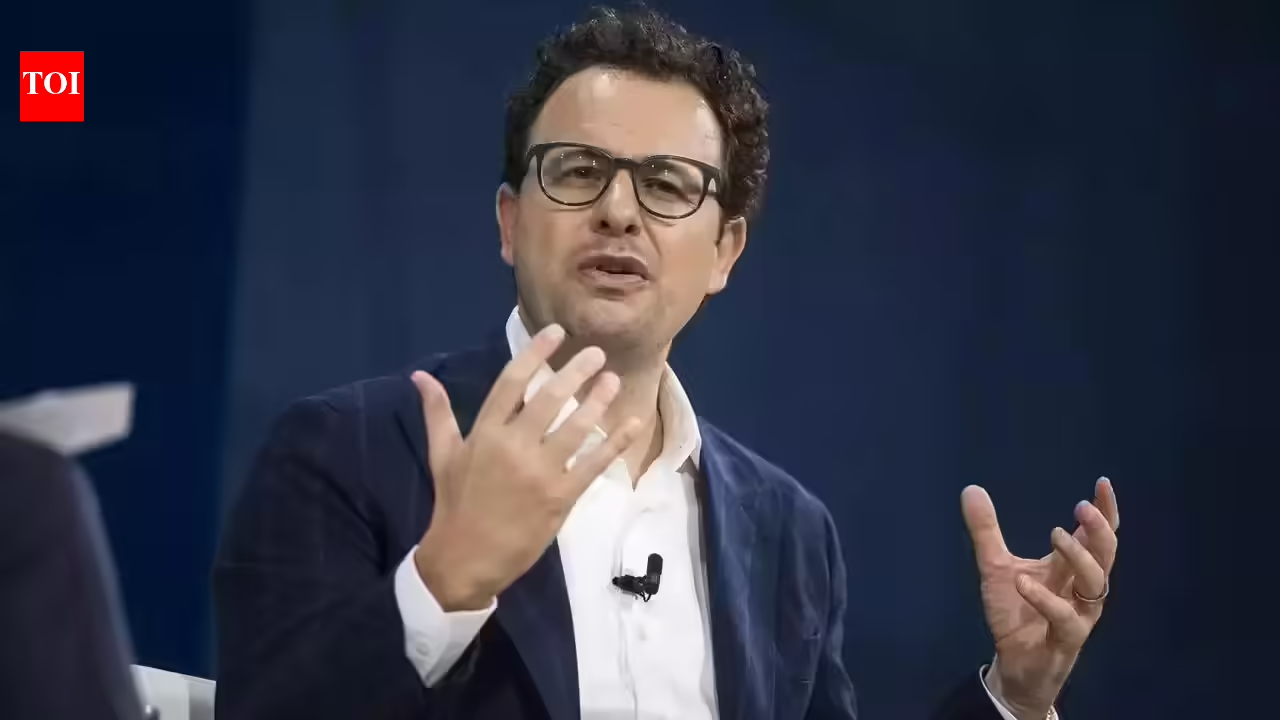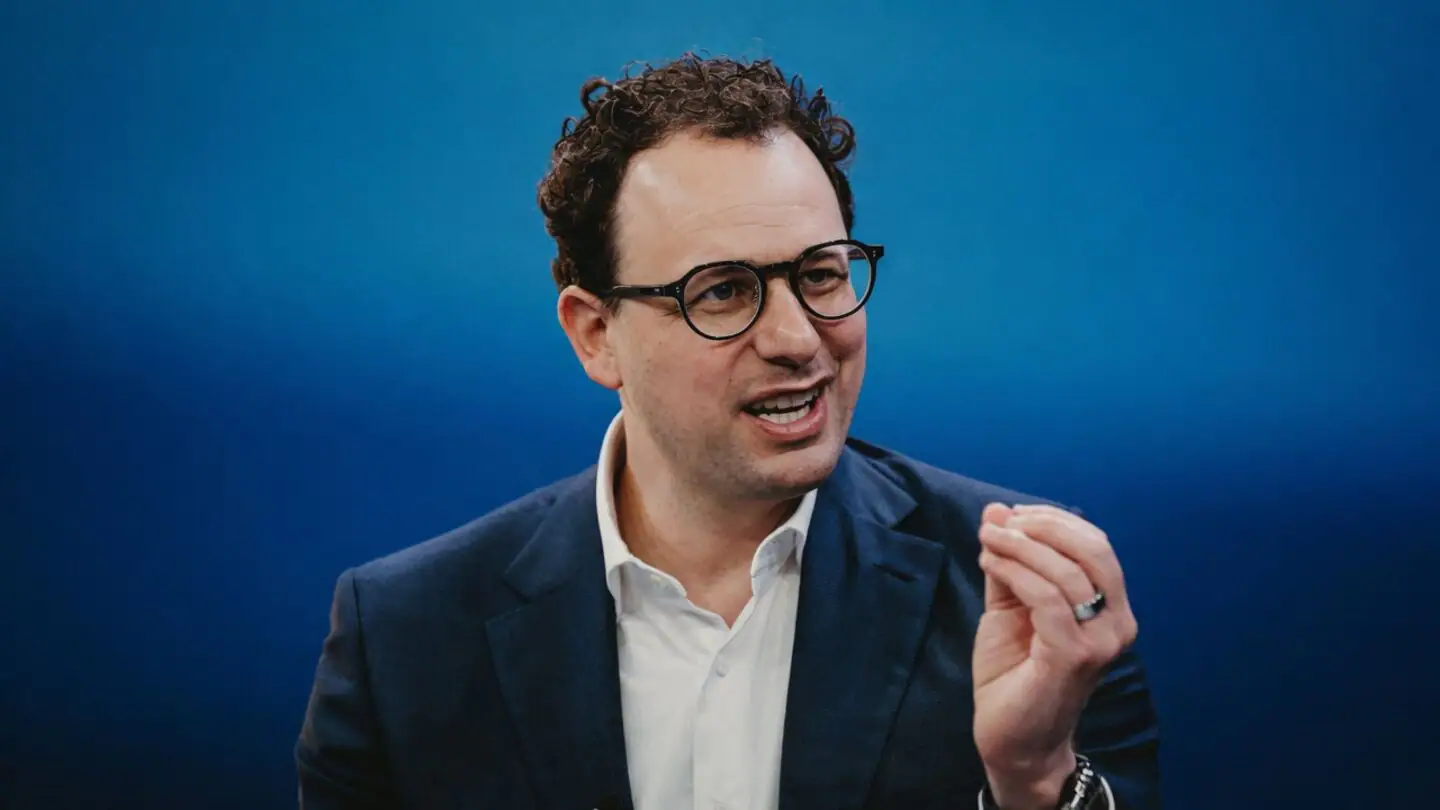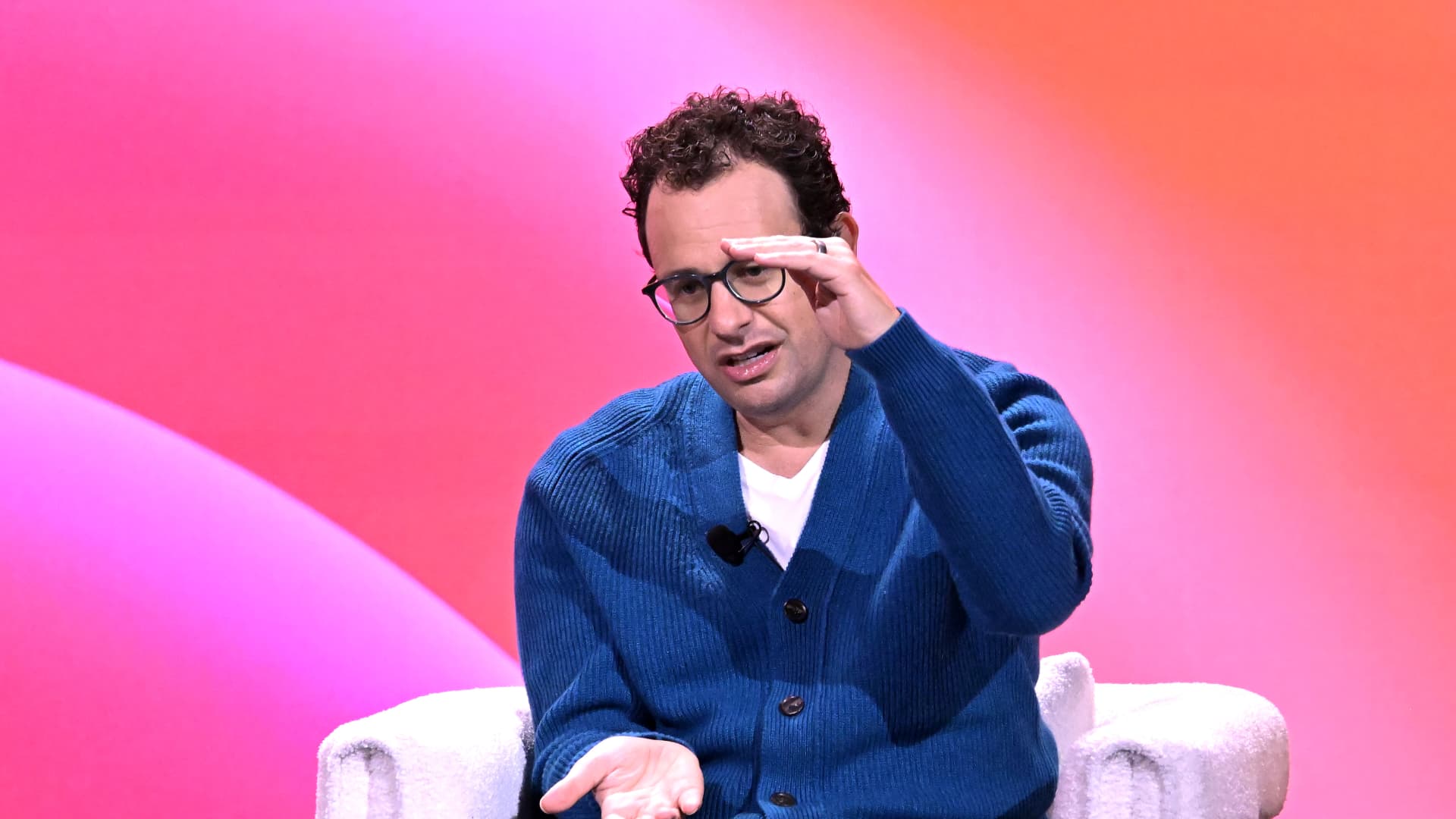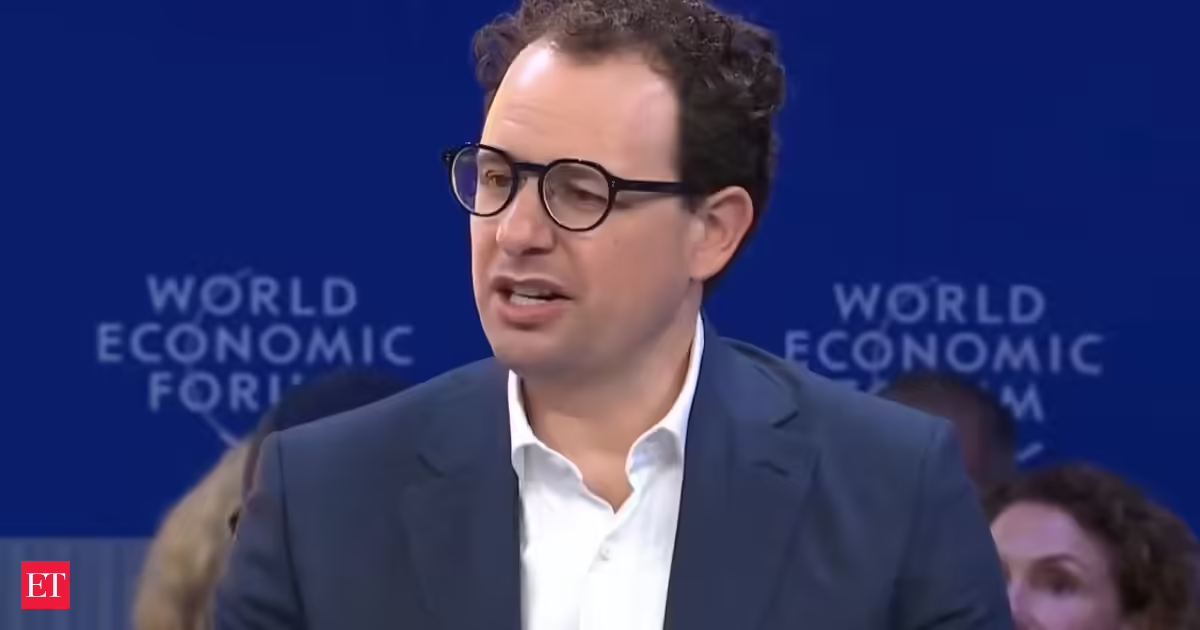
Artificial intelligence could reshape the American job market so dramatically that political divisions may eventually give way to practical solutions, according to Anthropic CEO Dario Amodei.Speaking during a conversation with World Economic Forum, Amodei argued that the impact of AI on employment could become so significant that policymakers across party lines may be compelled to support measures aimed at helping affected workers.ALSO READ: 'Money isn't everything anymore': Employee rejects Rs 72 LPA without regretAI could change the political conversationDuring an interview with Wall Street Journal Editor-in-Chief Emma Tucker, Amodei suggested that traditional ideological debates may struggle to keep pace with the reality created by advanced AI systems."We're going to find that ideology will not survive the nature of this technology. It won't survive reality," he said.According to Amodei, programs focused on worker mobility, retraining and economic support could eventually gain broad political backing as AI continues to transform industries."can become bipartisan and universal because everyone will recognize the necessity of it. Just mark my words."ALSO READ: Chole Bhature pizza is now a viral sensation on the internetRepeated warnings about AI-driven job disruptionAmodei has spent much of the year warning about the potential impact of AI on white-collar employment. He has previously suggested that entry-level roles in several industries could face significant disruption as AI tools become more capable.Among the sectors he has identified as vulnerable are software development, finance, legal services and consulting. He has also argued that advances in AI could dramatically lower the cost of producing software and performing routine professional tasks.His comments have fueled a broader debate over whether AI will primarily replace workers or help them become more productive.Anthropic's rapid growth adds another dimensionThe discussion comes as Anthropic continues to attract major investor interest. The company behind the Claude AI model has reportedly been seeking funding at a valuation approaching $900 billion, reflecting expectations that AI could play a transformative role across the global economy. Critics, however, argue that some of the industry's most dramatic predictions about job losses remain unproven.Research paints a more nuanced pictureInterestingly, research from Anthropic itself suggests that the current reality may be more complex than the most alarming forecasts. A study released by the company earlier this year found that while AI systems are increasingly capable, there has not yet been a broad rise in unemployment among workers in occupations most exposed to AI.One notable trend identified in the research was a decline in hiring among young workers entering AI-exposed professions. The study reported a 14% drop in hiring for workers aged 22 to 25 in such roles since the launch of ChatGPT.While the findings raised concerns about opportunities for new entrants to the workforce, they stopped short of showing widespread job displacement.The growing gap between Silicon Valley and the rest of AmericaAmodei also highlighted what he sees as a major challenge: the uneven distribution of AI-driven economic gains. Rather than focusing only on jobs, he pointed to the concentration of AI innovation and investment in a handful of technology hubs."How do we get economic growth in Mississippi? That is coming this contained area of Silicon Valley," he said.The concern is that regions outside major technology centers could struggle to benefit from the economic opportunities created by AI, potentially widening existing inequalities.Not everyone agrees with AmodeiSeveral prominent figures in the AI industry have pushed back against predictions of large-scale job losses.Yann LeCun has questioned claims that AI will dramatically reshape the labour market in the near future. Meanwhile, Demis Hassabis has argued that companies reducing engineering staff because of AI may be underestimating human creativity and adaptability.Even Sam Altman, who previously voiced concerns about AI-related disruption, has increasingly emphasized the technology's potential to assist workers rather than replace them.Debate over AI's future impact continuesAs AI tools become more powerful and widely adopted, questions about employment, economic inequality and public policy are likely to remain at the center of the conversation.Amodei's prediction is clear: if AI transforms work at the scale he expects, governments may have little choice but to respond. Whether that future arrives as quickly as he believes remains one of the biggest questions facing the technology industry today.
“Just mark my words”: Anthropic CEO Dario Amodei's stark warning on AI-driven layoffs, says 'ideology won't survive reality'
Anthropic CEO Dario Amodei predicts AI's profound impact on jobs will force political unity on worker support measures. He believes ideology will yield to reality as AI transforms industries, necessitating bipartisan solutions for retraining and economic aid. While some research shows nuanced effects, Amodei foresees a future where governments must address AI-driven disruption.
689 words~3 min read