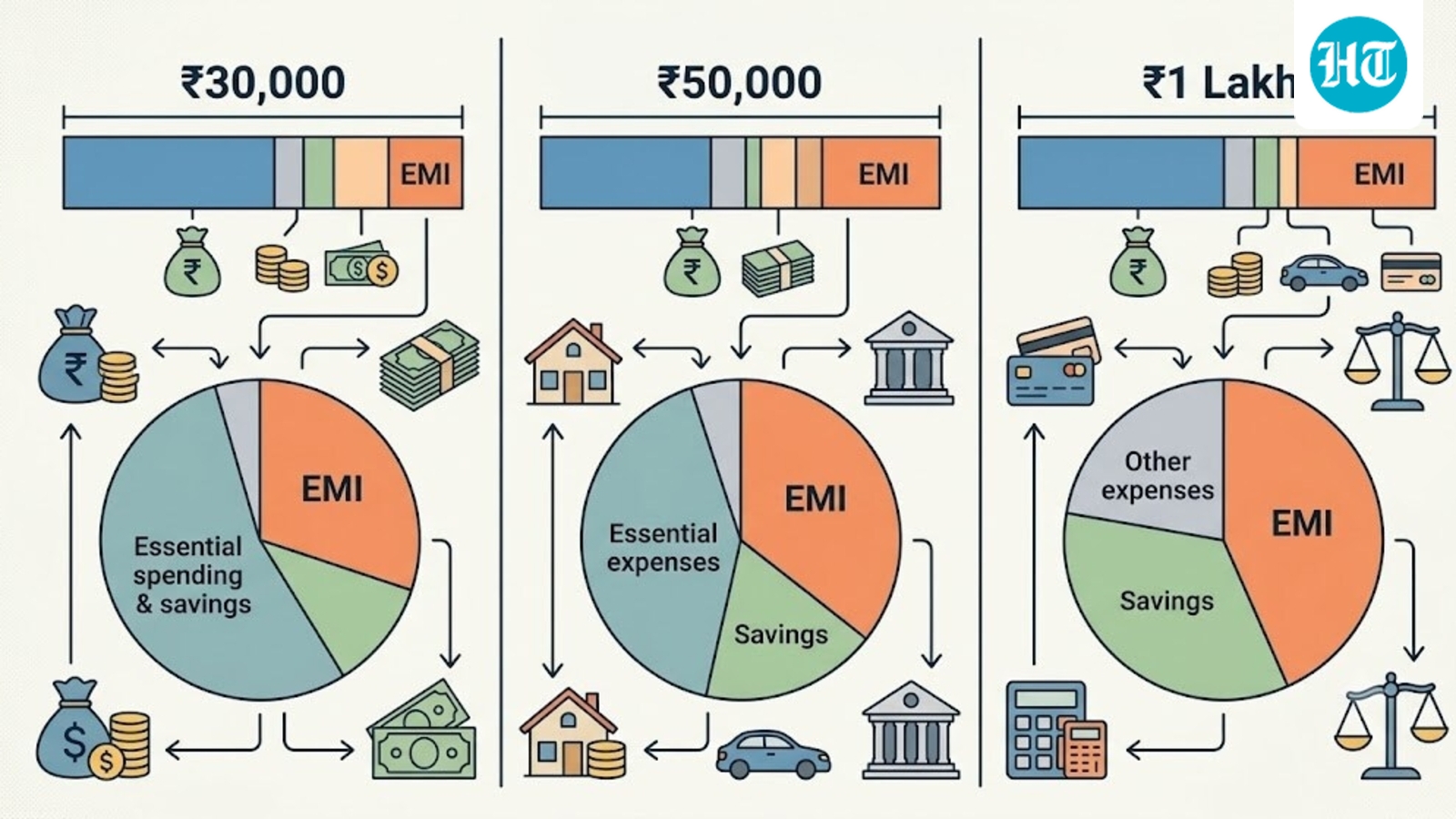
Two people can earn the same monthly salary and still receive different loan offers. One may get a lower rate, a higher sanctioned amount, and a smoother approval. The other may see a steeper rate or a shorter tenure. Why does this happen? The reason is simple: salary is only a single assessment factor. The lender also looks at credit behaviour, existing debt, employer profile, repayment history, and the requested loan structure. By understanding how these factors influence personal loan interest rates, you can get a loan on better terms in future.Credit BehaviourA stable income tells the lender that money comes in regularly. It does not automatically show how that money is handled. A borrower earning ₹80,000 a month with clean repayment habits may be treated differently from another borrower earning the same amount but frequently paying late or using most of the available credit card limit.Personal loans are unsecured. The lender depends largely on the borrower’s future income and repayment discipline. So the rate reflects both ability and trust.Monthly income also needs to be seen after obligations. Rent, existing EMIs, credit card dues, family responsibilities, and insurance commitments all affect disposable income. A high salary that is already heavily committed may not support another large Equated Monthly Instalment (EMI).Credit ScoreA good credit score usually helps. It signals that the borrower has managed past loans or credit cards with care. Yet the score alone does not carry the full story. Lenders may also look at the depth of the credit history, the type of loans handled, recent enquiries, credit utilisation, and whether repayments were made on time across several months.A borrower with a long record of timely payments may appear more dependable than someone with a thin credit file. A thin credit file means there is not enough borrowing history to judge behaviour properly. It is not necessarily bad. It is simply less informative.Recent behaviour has its own weight. Multiple loan applications within a short period can suggest credit hunger, a phrase lenders use for frequent borrowing attempts. One missed payment may not hurt as much as recent frequent delays. Money has memory in these systems, sometimes an annoyingly long one.Employer ProfileA borrower’s workplace can affect the lender’s comfort. Employees of well-established companies, government bodies, public sector organisations, or large private employers may be viewed as having more stable income. Smaller firms, start-ups, or businesses with uneven salary cycles may be assessed more carefully.This does not mean employees of smaller companies cannot get good loan offers. It means the lender may ask for more proof or price the loan differently based on perceived employment stability. The same salary from two different employers may not carry the same weight.Work experience can support the application, too. A person who has been in steady employment for several years may look less risky than someone who has changed jobs repeatedly or recently joined a new organisation. Lenders like predictability. Credit assessment rarely gets sentimental.Loan Amount And TenureThe requested loan amount can influence the rate. A borrower asking for ₹2 lakh may be assessed differently from the same borrower asking for ₹10 lakh. The larger loan creates a bigger repayment obligation, so the lender studies whether the monthly EMI can fit safely within income.Tenure plays a role, too. A longer tenure reduces the EMI, but the lender remains exposed to the borrower for a longer period. A shorter tenure closes the loan faster, though it increases the monthly outgo.Some borrowers focus only on getting the highest possible loan amount. That can backfire if the EMI pushes the debt-to-income ratio too high. The debt-to-income ratio means the share of monthly income already going towards debt payments. A lower ratio generally gives the lender more comfort.ConclusionSimilar income does not mean similar risk. That is the reason two similar borrowers can receive very different personal loan offers. If you want a better rate on a personal loan, you can start preparing for it before applying. Pay EMIs on time, keep credit card utilisation low, reduce unnecessary debt, avoid repeated applications, and maintain clean bank records. All these habits can go a long way and help the profile look steadier.“This article is part of the sponsored content programme.” Published - August 27, 2026 07:15 pm IST
Why Personal Loan Interest Rates Differ
Understand why personal loan interest rates vary by credit score, repayment record, obligations, employer profile and loan terms.
707 words~3 min read