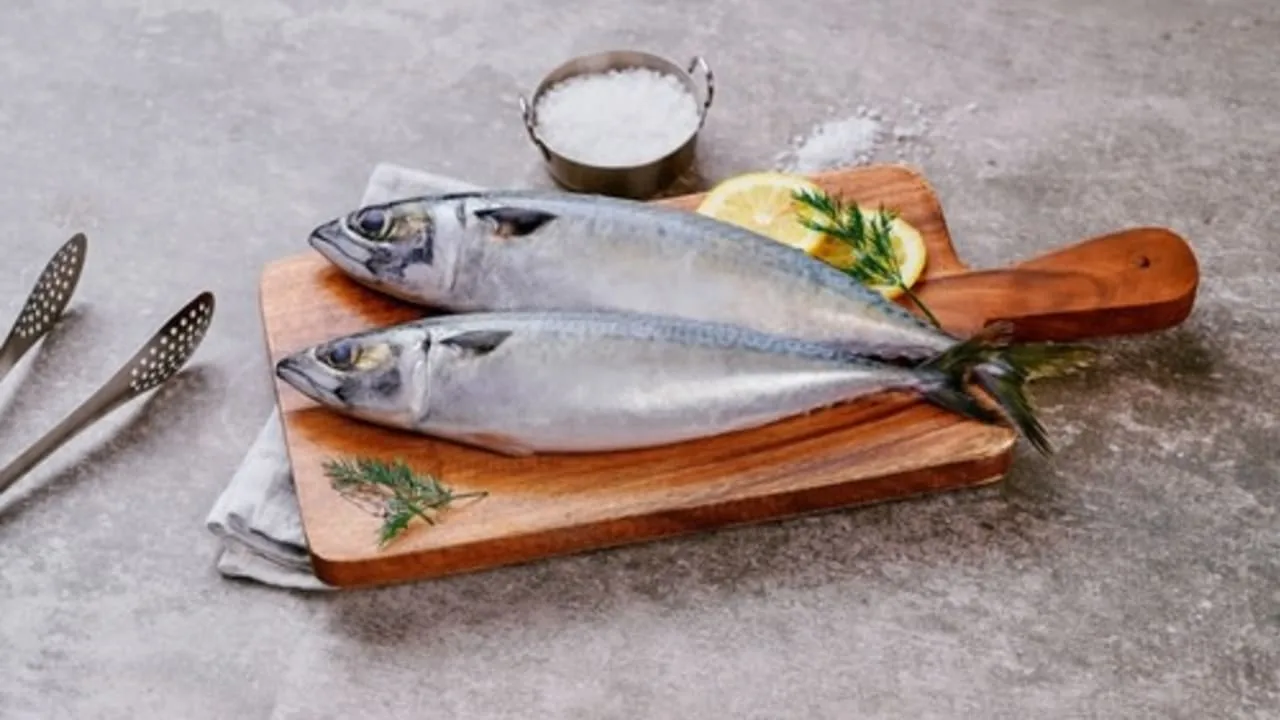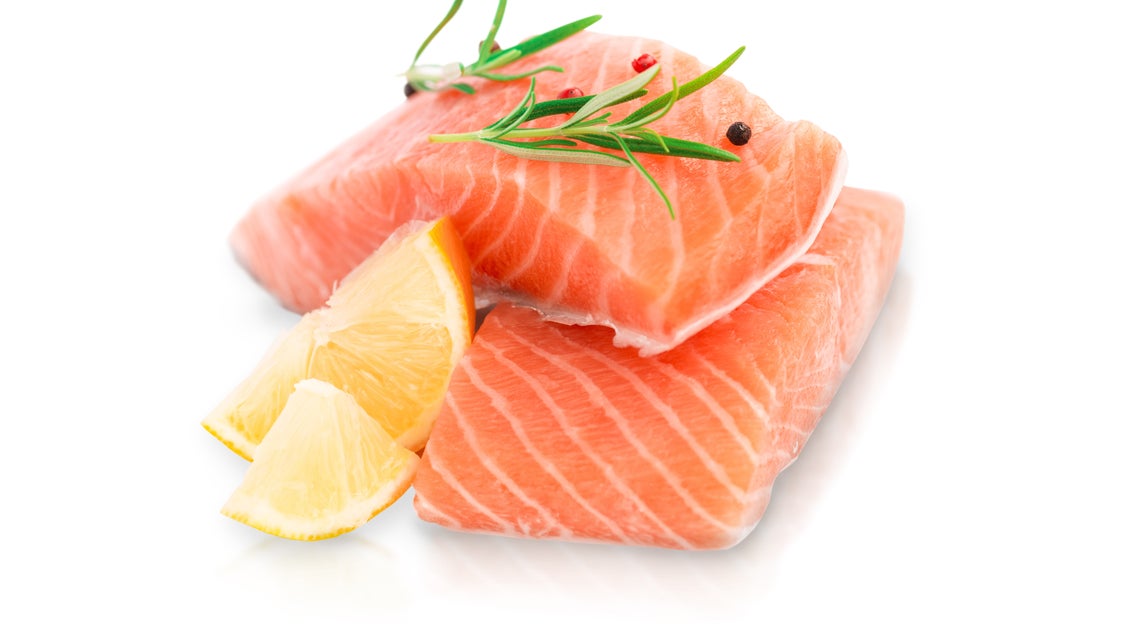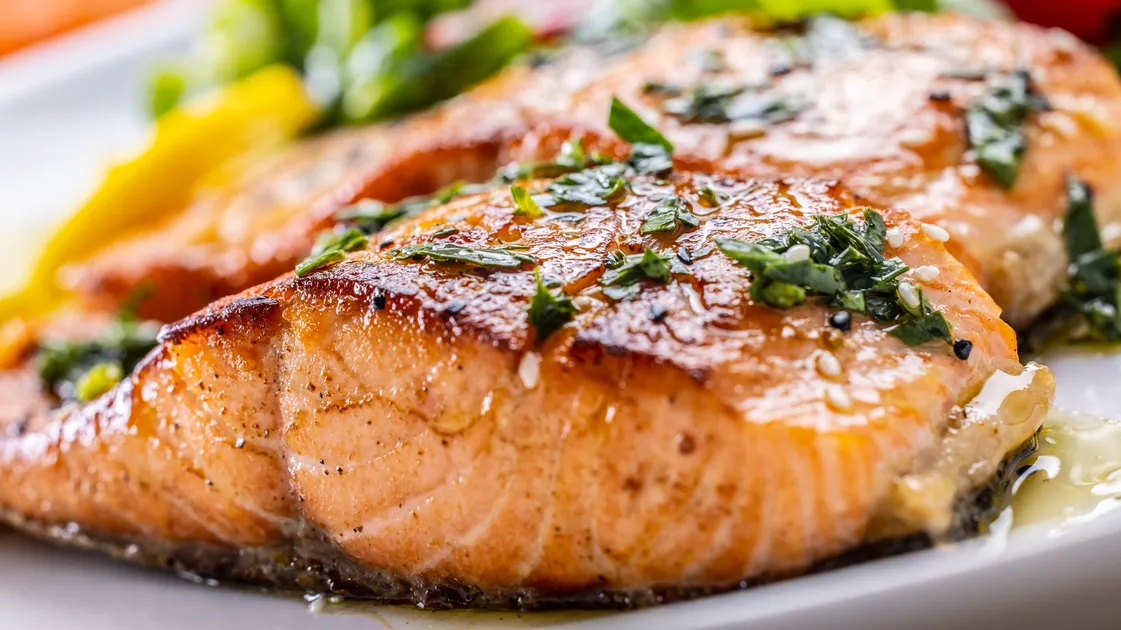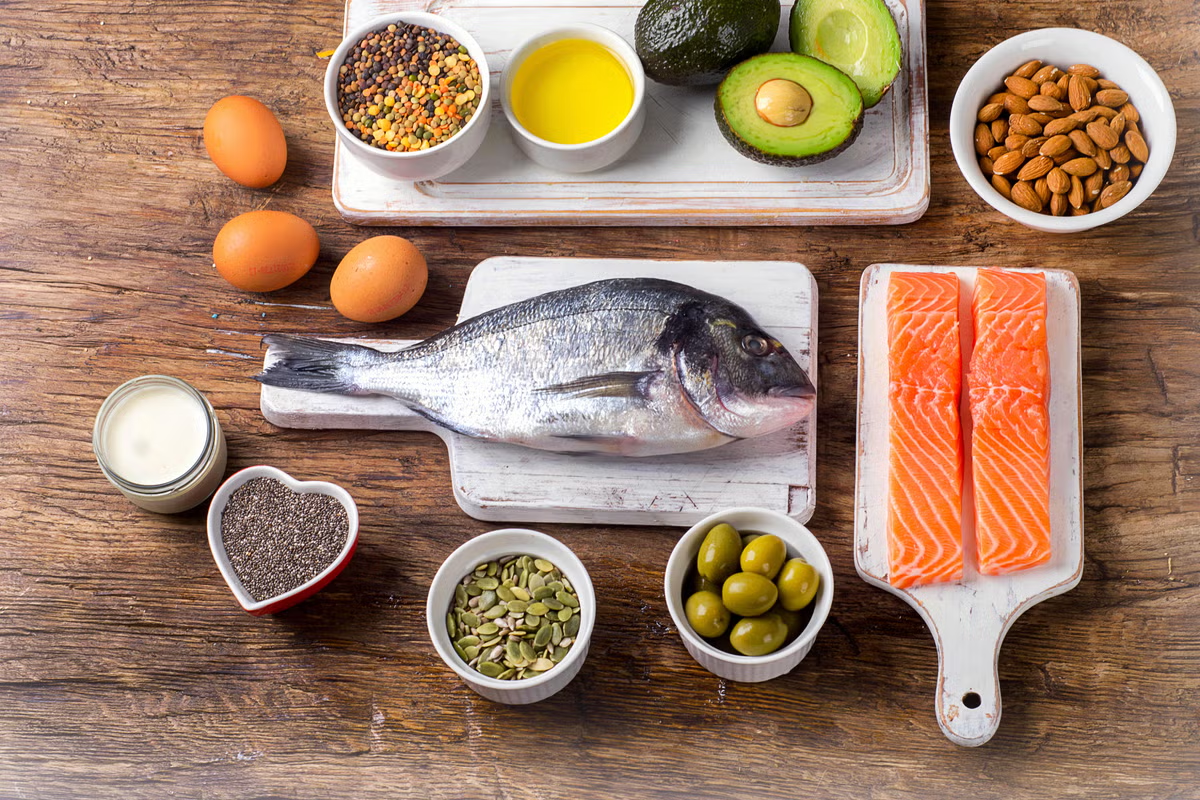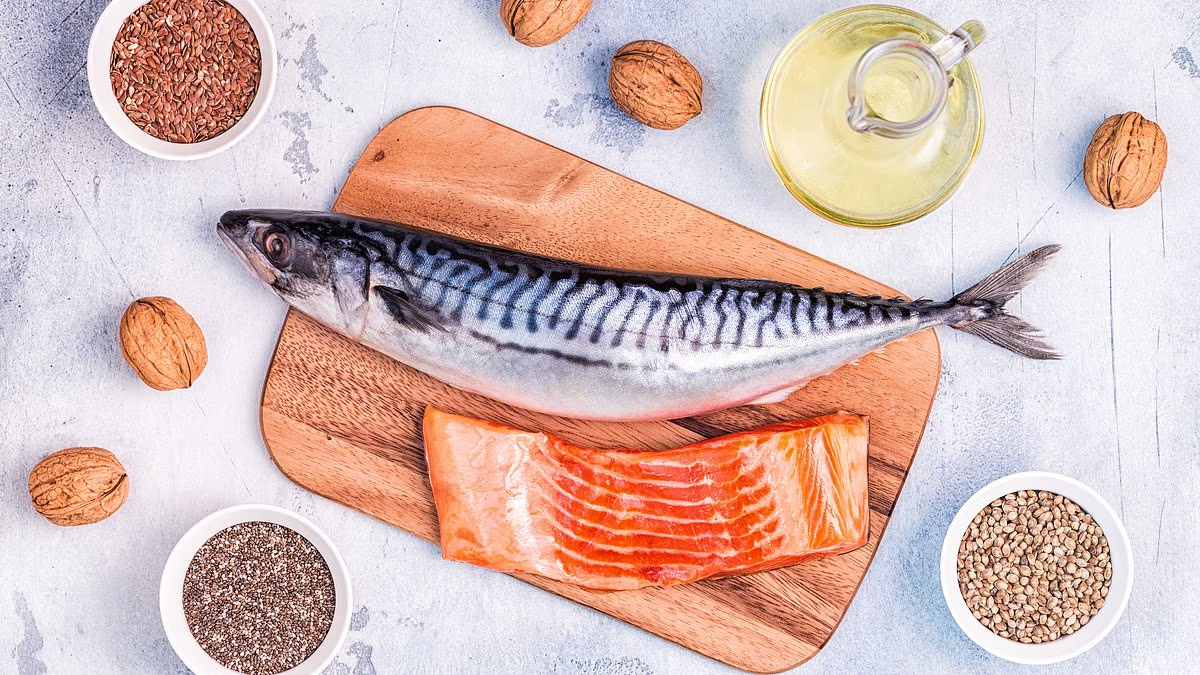
Fish have long been a darling of the diet world. Praised for being a filling, yet low-fat source of protein, the likes of salmon, cod and sea bass are often recommended by nutritionists across the globe.Indeed, the NHS advises we eat at least two portions per day to reach our quota of omega-3 fats, which are said to be beneficial for heart and brain health.But are some types better than others? Yes, according to dieticians.Speaking to the Daily Mail, experts have revealed that some kinds are much lower in fat, and therefore better for those with pounds to lose. Others, meanwhile, could even be harmful when eaten regularly.Some species, like Mackerel for instance, contain far higher quantities of vital nutrients many of us are lacking, like vitamin 12 and B, according to dietician Sophie Medlin.So which should you choose for your fish supper? Salmon is hailed as one of the best sources of protein - but how does it compare to other fish?MackerelPer fillet: 180 calories, 11.7g protein, 13.2g fat, 4g sat fat, 0.3g saltMackerel is a fast-swimming oily fish that can be found across the UK and European coastlines, and belongs to the same Scombriade family as the tuna.And experts say it's among the healthiest fish to eat.Its star quality is the abundance of omega-3 fatty acids; more than any other fish and almost twice as much as you'll find in an average salmon fillet. A comprehensive Harvard study published in the early 00s found that eating two mackerel fillets a week could reduce the risk of heart attack death by 36 per cent. Medlin points out that, like salmon, mackerel is high in fat. And, unlike other fish, a significant proportion - around a third - is saturated fat, the type that can damage arteries. However, this is still less than a quarter of a woman's daily limit and a fifth of a man's, meaning, for most people, the fat is worth the benefits. Verdict: 4.5/5 CodPer fillet: 102 calories, 24.6g protein, 0.5g fat, 0.2g saltA bottom-dwelling fish with white, flaky meat that’s often a favourite to use for fish & chips, it’s often imported from overseas - mainly from China, Iceland, and Norway.Experts say cod - baked or roasted, rather than deep fried - is a great choice for those on a low-calorie diet, looking to lose weight. 'Cod is an excellent lean protein source,' says Medlin. There's roughly twice the filling protein in cod, compared to mackerel, meaning it's low risk for after-dinner hunger pangs.Medlin adds that the fish also contains uniquely high levels of iodine, which is essential for fuelling the hormones that control metabolism and regulate heart rate. It is also critical for proper brain and nervous system development during pregnancy and early childhood. Studies have recently found that omega-3 supplements don't boast benefits - but fish does 'Cod's main disadvantage is that it contains much less omega- 3,' says Medlin. 'And most people aren't getting enough omega-3 in their diet.' It contains roughly 10 times less than the equivalent portion of salmon, according to the University of California Davis Department of Nutrition. Verdict: 4/5 SeabassPer fillet: 174 calories, 23.3g protein, 8.8g fat (almost all unsaturated), 0.2g saltSeabass are native to the North-East Atlantic Ocean, Mediterranean Sea, and the Black Sea - although they can sometimes be found in freshwater rivers.If you prefer white fish to mackerel, seabass is a great option due to its high protein count and hefty omega-3 content, says Medlin. 'You generally get more omega-3 here than you do with other white fish,' she adds.However, there could be risks involved with eating seabass several times a week. 'Seabass often contains more mercury than other fish such as salmon and cod,' says Medlin. Mercury enters water from sources such as coal burning, mining, industrial processes and waste, and it is then absorbed by small, underwater organisms.Fish eat these organisms, causing mercury to build up in their tissues. Certain fish - usually those that are larger and higher up the food chain - contain higher traces than others. Mackerel is the fish that offers the highest amount of brain-boosting omega-3 acidsThe chemical is known to be toxic to humans at certain levels, causing problems with vision, coordination and memory. 'Mercury levels in seabass are usually low enough that you could eat it, say, once every week,' says Medlin. Verdict: 3/5SalmonPer fillet: 200 cals, 22.5g protein, 11.6g fat, 0.3g saltAs an oily fish, salmon is high in omega-3 fatty acids, which are associated with lower risk of chronic disease and protecting brain cells from age-related damage. Interestingly, studies have shown that the benefits of these fats are only delivered when they're delivered via food, rather than supplements.According to Sophie Medlin, consultant dietician and founder of City Dieticians, 'salmon is an excellent all-rounder'.'It is high in omega-3, protein, vitamin D, B12, and selenium.' It's estimated that up to a third of older Britons are lacking in B12 - which is essential for healthy blood flow and energy levels. Vitamin D deficiency is also common. The nutrient is vital for helping our bones absorb strengthening calcium. Salmon does, however, contain roughly 10 times the fat of fresh tuna - although 80 per cent of it is the unsaturated, healthier kind.This makes it higher in calories than low-fat options like sea bass and cod. 'But given the additional nutrients it supplies, it's worth the extra calories, says Medlin. For instance, the protein in the fish contains all nine essential amino acids, meaning our body can easily use it for energy and muscle building.Verdict: 5/5 TunaPer 'steak' fillet: 128 calories, 30.1g protein, 0g fat, 0.08g salt Large, fast-swimming saltwater fish that can be found in the Indian, Pacific, and Atlantic Oceans, tuna are members of the mackerel family.Its meat is firm and dense, and it has a mild, savoury flavour when cooked - or a rich, buttery taste when eaten raw.Ms Medlin rates it lower than other fish, explaining that, 'although a lean protein sauce that's rich in selenium and B12, mercury contamination is a concern'. 'Larger tuna species like yellowfin and Atlantic bluefin contain particularly high levels, like so we need to be conscious of how much we consume regularly.' However studies show tinned tuna contains far lower quantities of mercury, compared to fresh. Medlin adds: 'While fresh tuna contains some omega-3, it's far, far less than mackerel and salmon, although slightly more than you'll find in cod.'Verdict: 3/5 And what about prawns?Per serving of large king prawns: 63 calories, 14.8g protein, 0g fat, 1.5g salt Not technically fish, but instead crustaceans, prawns can be found in freshwater and seawater, depending on their species.Unlike most fish, they’re also more likely to trigger an allergic reaction - with between 0.5 per cent to 2.5 per cent of the population believed to have a shellfish allergy.While they're a very low calorie, low fat choice, they're the highest in salt of all the options analysed.Although a small portion makes up only a sixth of your daily salt intake, this could quickly add up as you often have to eat large amounts of prawns to feel full, experts say. 'But they do contain some omega-3, although much less than oily fish,' says Medlin.'The problem with prawns is they're often served breaded or fried, which counters some of the health benefits, so make sure they're steamed.'Verdict: 3/5
Which fish is healthiest? Nutritionist reveals diet-friendly species
Praised for being a filling, yet low-fat source of protein, the likes of salmon, cod and sea bass are often recommended by nutritionists across the globe.
1,226 words~6 min read