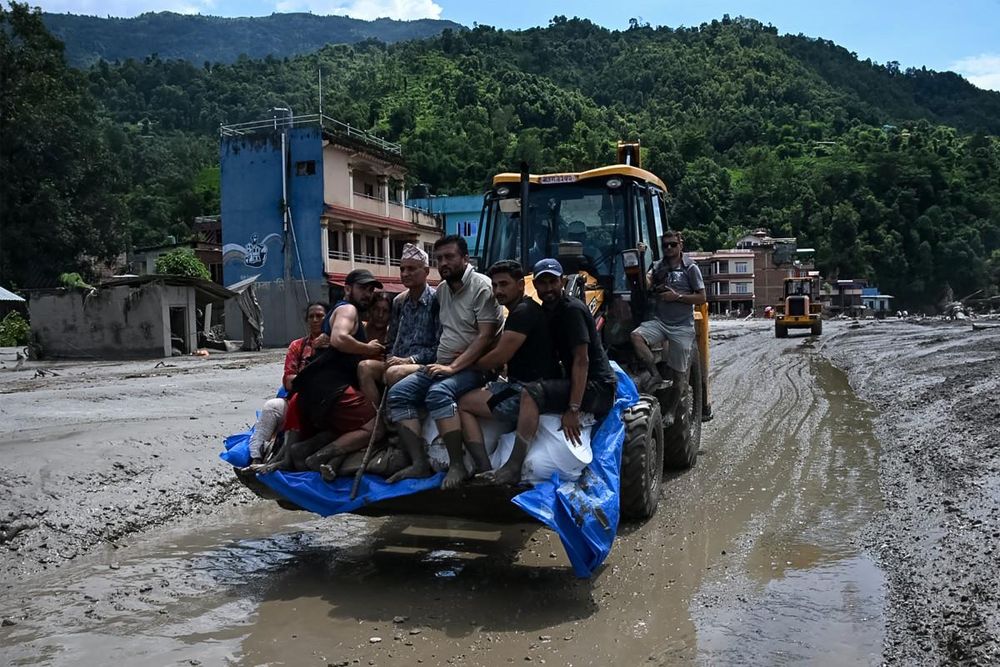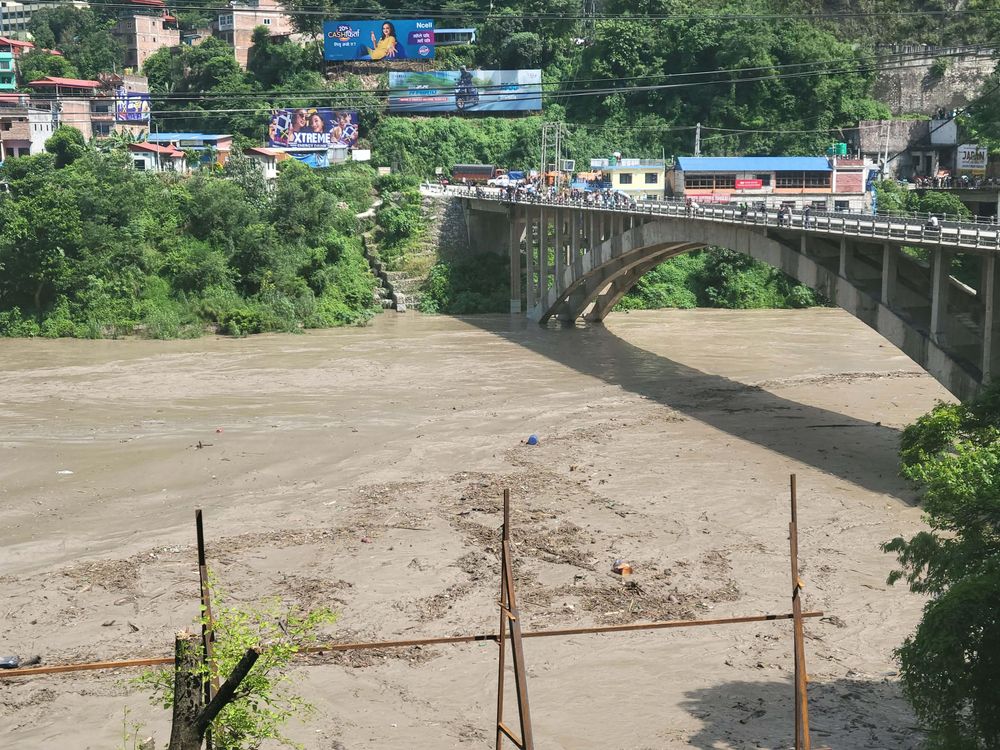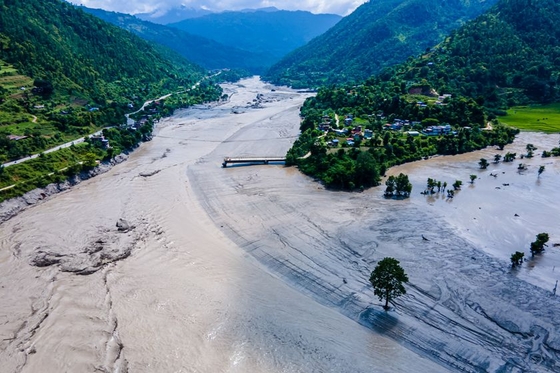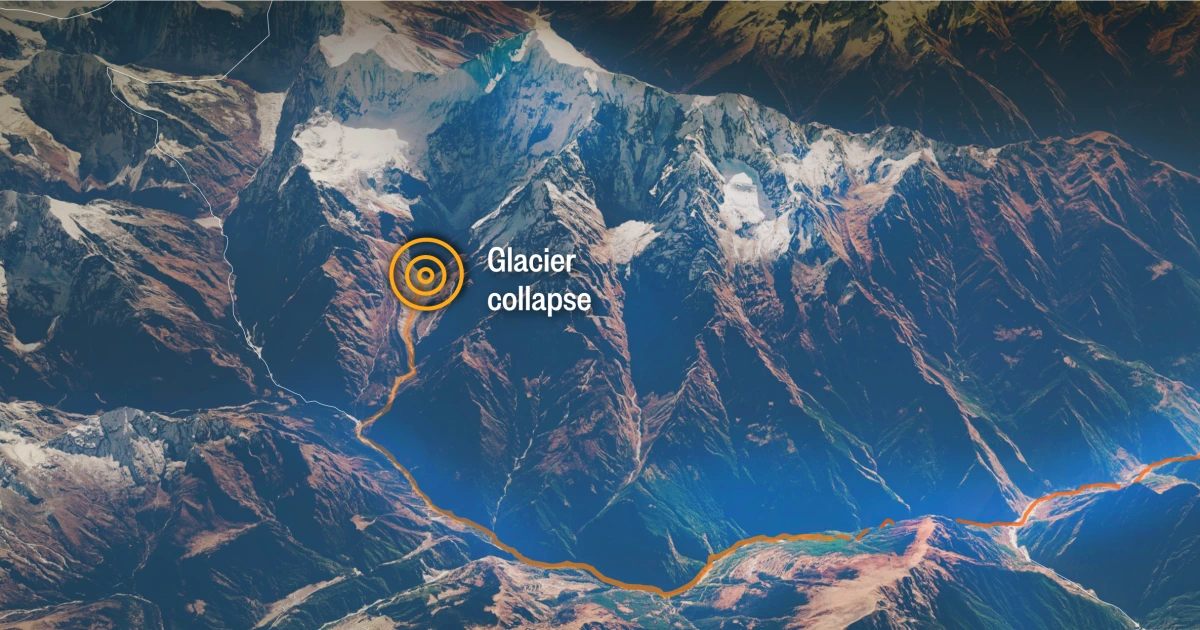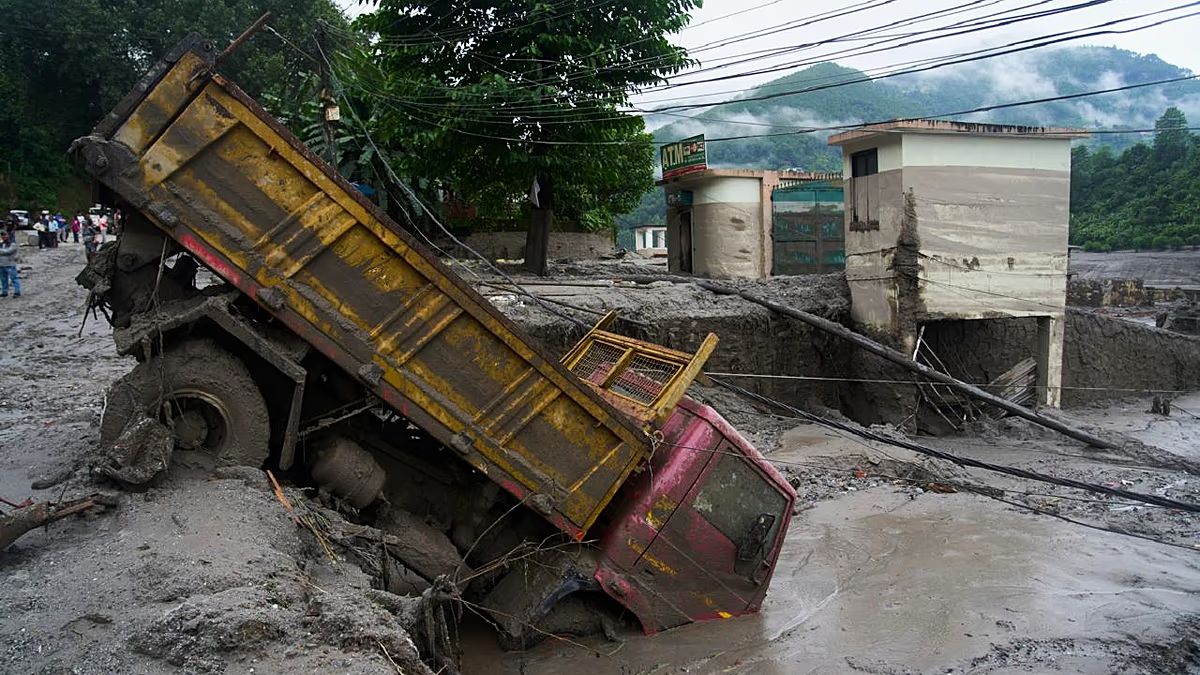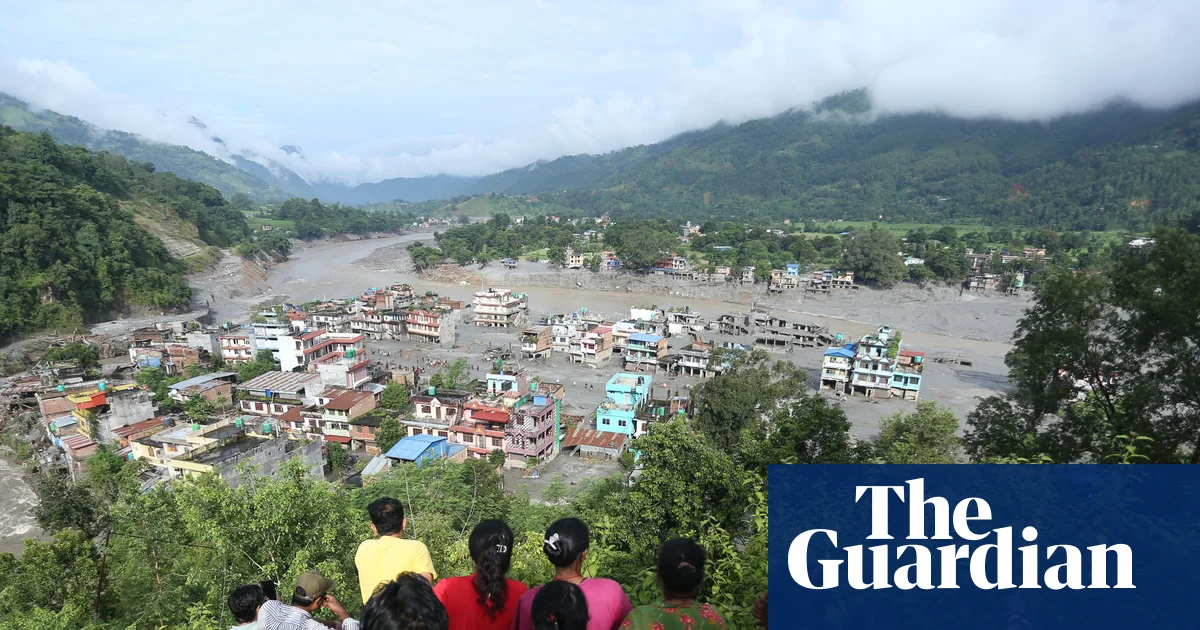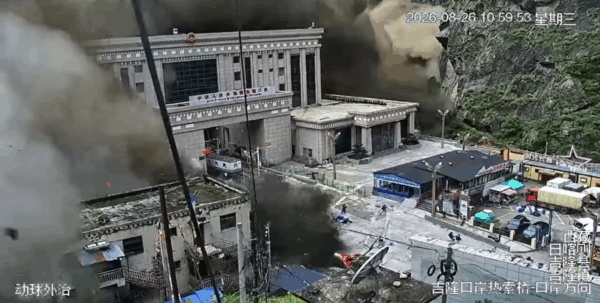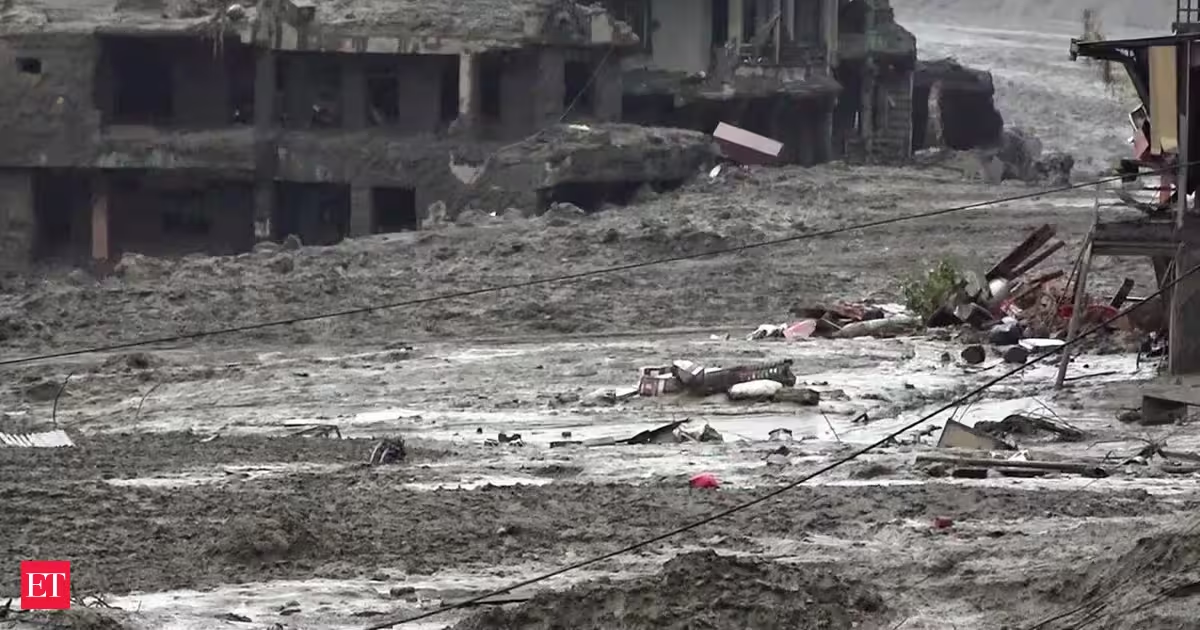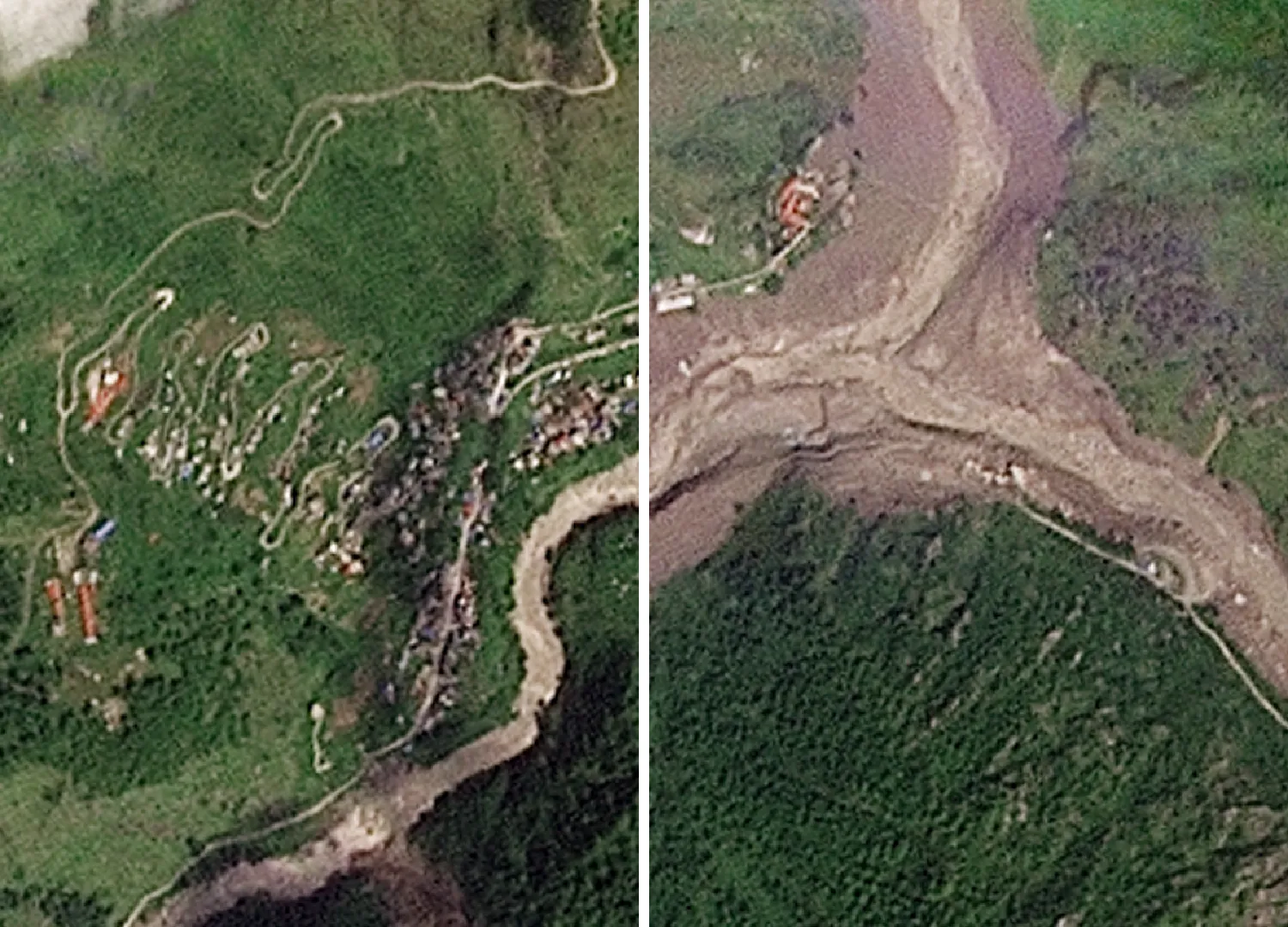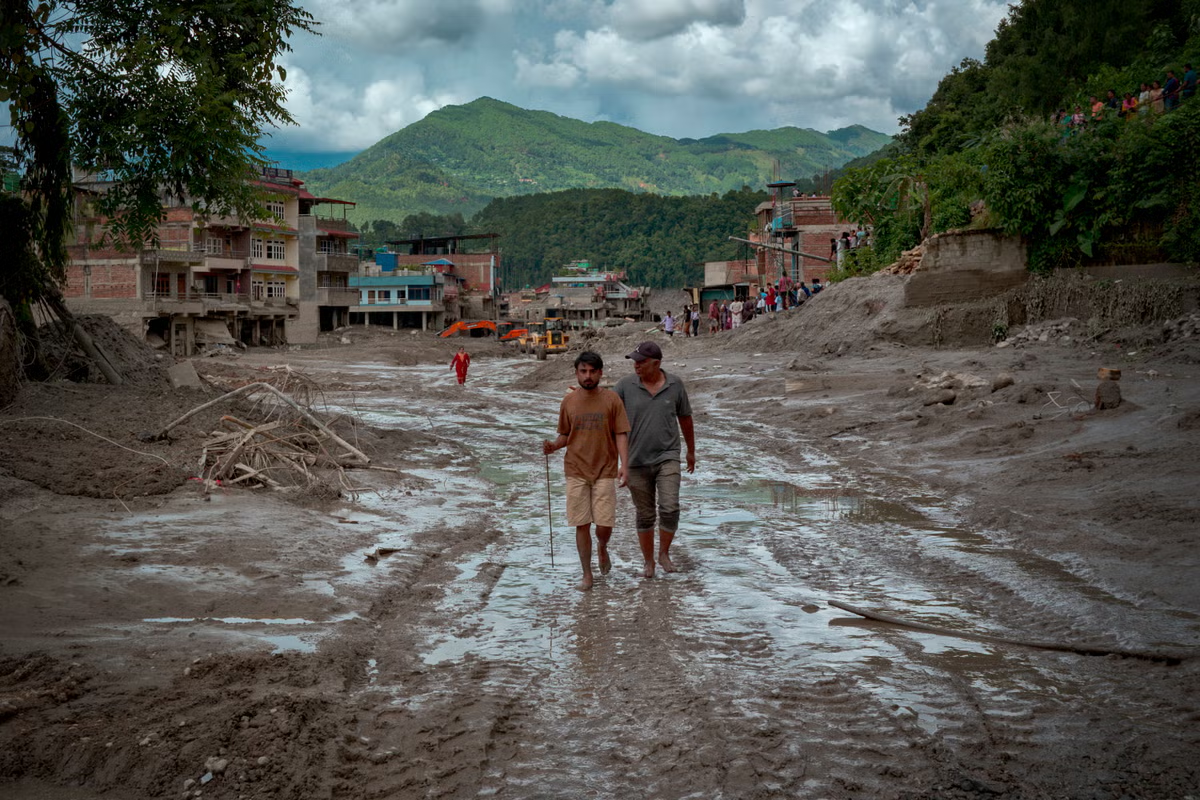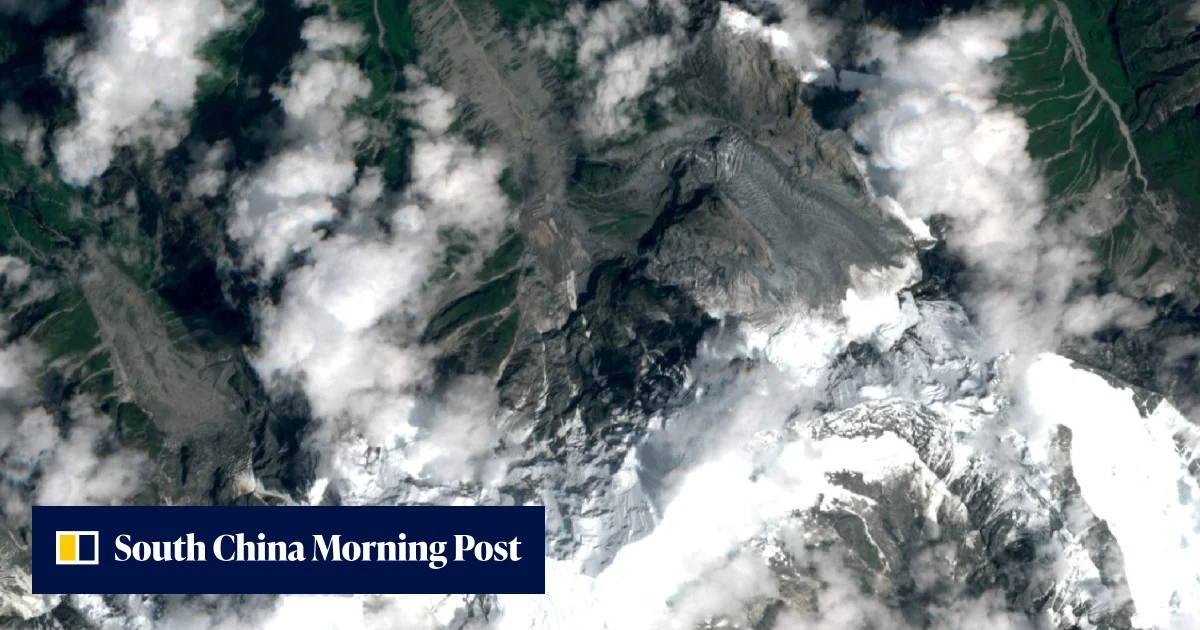
Chinese scientists have developed a cross-border early warning system with counterparts in Nepal to monitor Himalayan glacial lake outburst floods. The system has issued timely alerts over the past several years, effectively preventing casualties.But on Wednesday, a high-altitude ice-rock avalanche took everyone by surprise. The debris flow hit a river in Nepal, generating a devastating flash flood that swept all the way down to Gyirong county in China’s Tibet region. As of Thursday afternoon, nearly 300 people were confirmed dead and more than 1,000 reported missing in all.Some experts believe the disaster was triggered by glacial rock collapse.04:12Timeline of the China-Nepal border disasterIt remains unclear whether the China-Nepal early warning system had detected an anomaly before this disaster or issued an alert. But coincidentally, a paper published on Wednesday by the project team highlighted several of China’s recent successes.“These include the Himalayan glacial lake monitoring network established under the second Qinghai-Tibet scientific expedition, as well as early warning systems for ice avalanche disasters in the Yarlung Tsangpo River’s Sedongpu area and for the Cirenma Co glacial lake in the cross-border China-Nepal basin,” the team wrote in the paper for the peer-reviewed Journal of Glaciology and Geocryology.“Together, these systems have successfully issued seven early warnings [including one at the China-Nepal border last year],” they said, without specifying the latest case.The South China Morning Post has reached out to lead author Wang Weicai and the Chinese Academy of Sciences (CAS) for comment.“High-altitude ice-rock avalanches release enormous energy and are far more destructive than typical glacial lake outburst floods,” a glaciologist from a research institute in Chengdu, Sichuan province, told the Southern Weekly on Thursday.
China, Nepal built an early warning system for melting glaciers. Does it work?
Wednesday’s deadly ice-rock avalanche on high-altitude Tibet border highlights glacial instability in region vulnerable to climate change.
272 words~1 min read