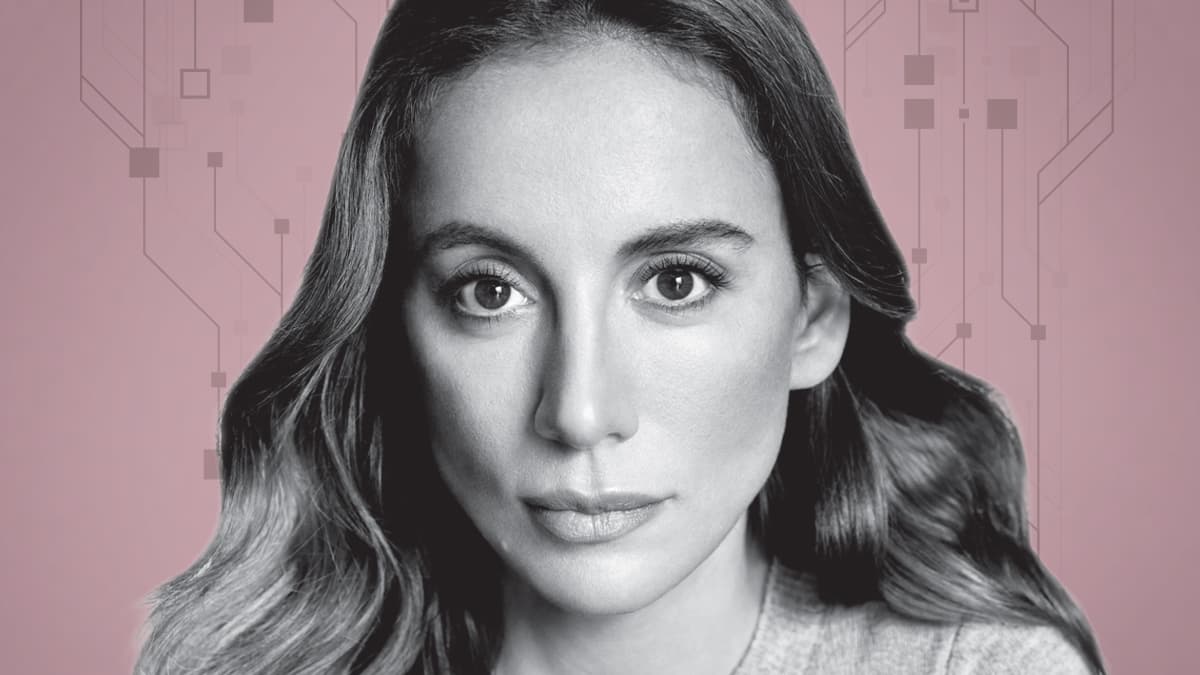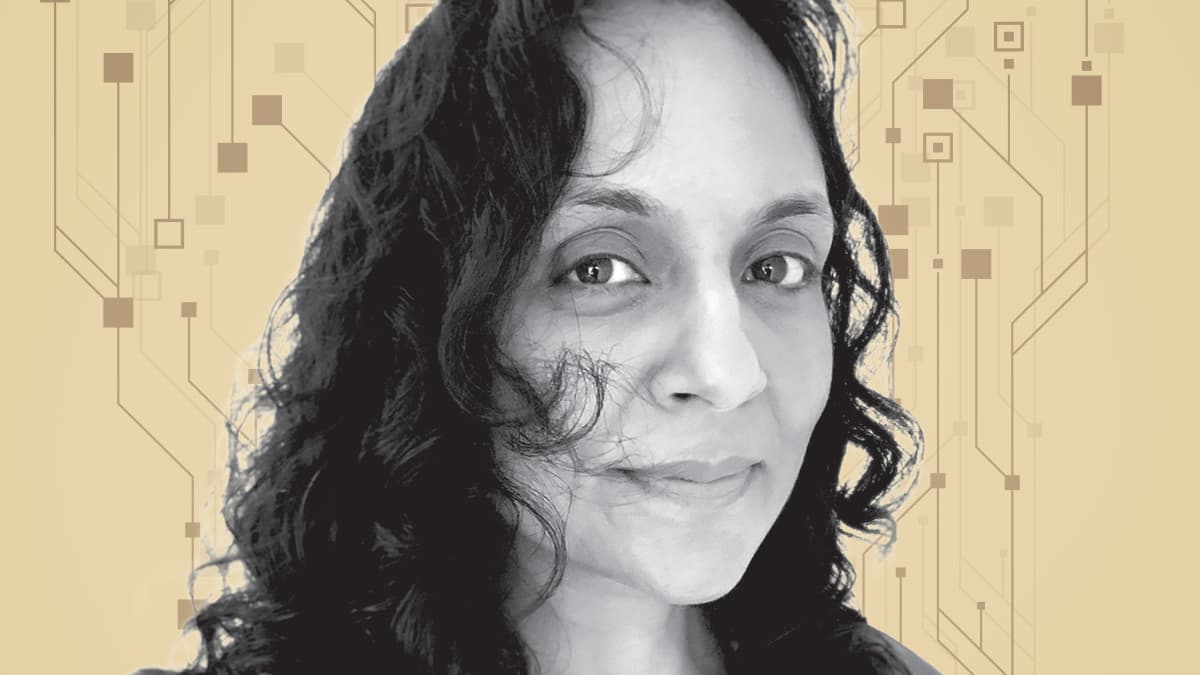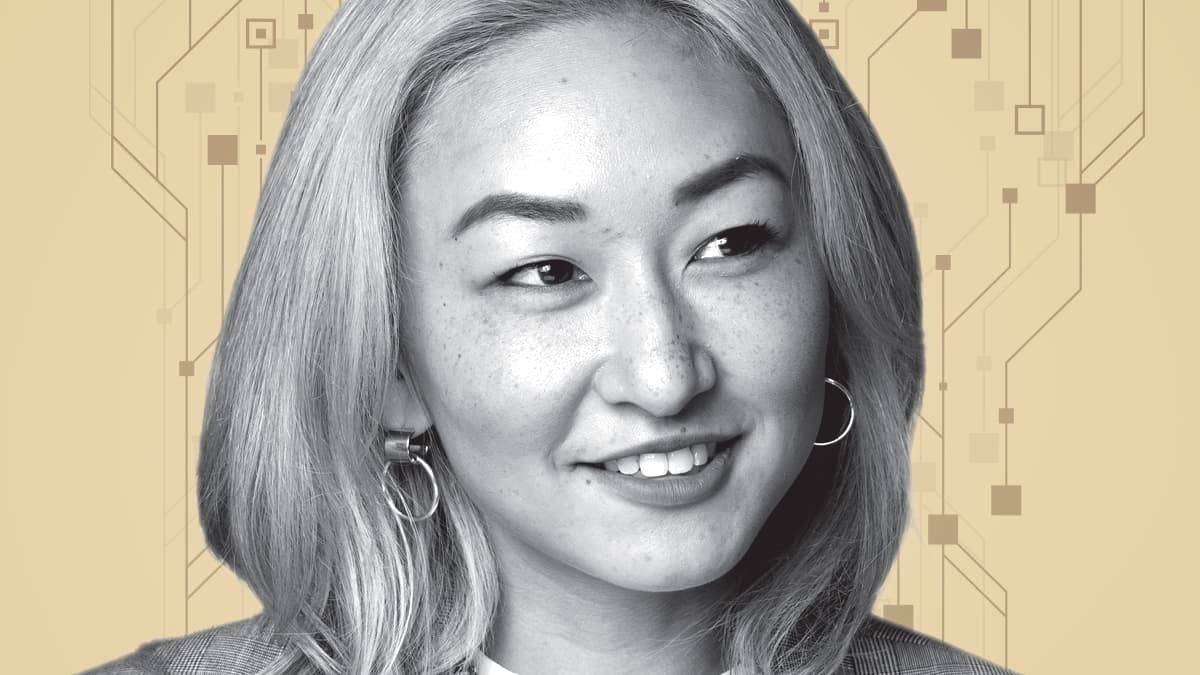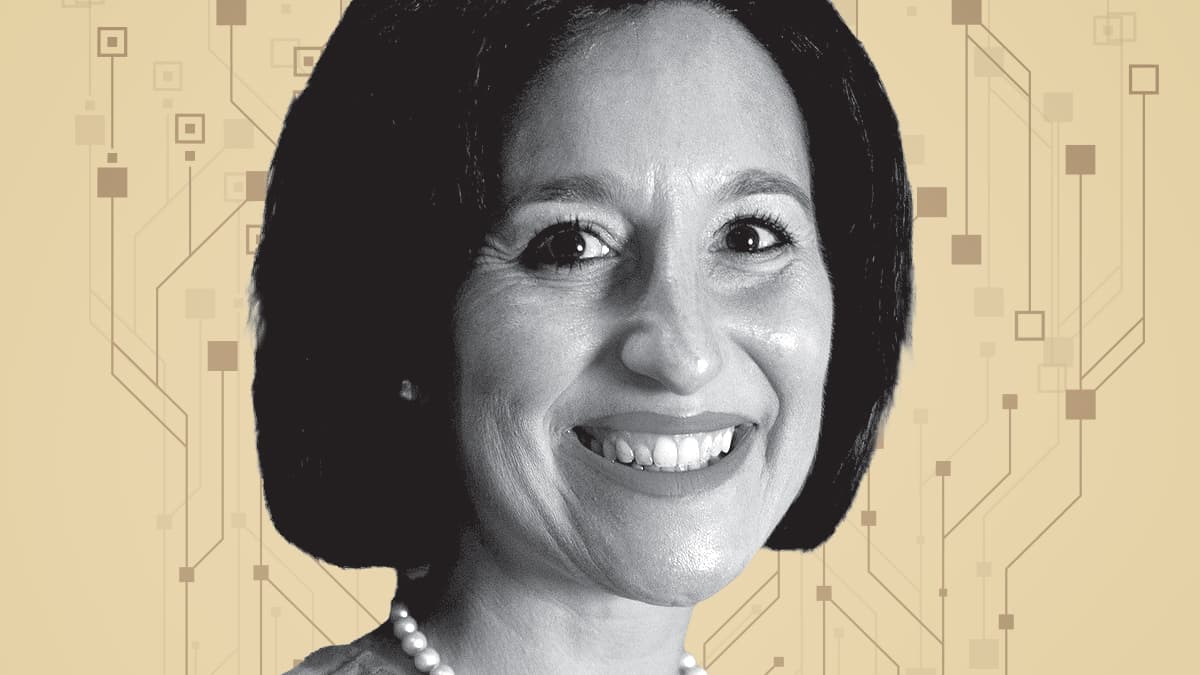
Co-chair, UNESCO Women for Ethical AI & senior director of AI and data science, Shutterstockby Courtesy of Alessandra SalaHow do we cope when we can no longer trust what we see and hear to tell us what is real? That’s a challenge that Alessandra Sala, senior director of AI and data science at Shutterstock, grapples with every day. One inciting incident: when her father received an AI-generated voicemail that sounded exactly like her sister, nearly fooling her family.“Our senses were never designed to cope with this digital world where what’s synthetically generated seems so real that we cannot differentiate anymore,” says Sala. As the AI industry remains fixated on releasing more powerful and autonomous models, the Italian-born computer engineer is one of the leading voices pushing for safer and more inclusive AI systems.One of those is in disinformation: Sala represents Shutterstock in the AI and Multimedia Authenticity Standards Collaboration, a group focused on developing authenticity standards for AI-generated multimedia and tackling the growing problem of deepfakes. The other is in representation: Sala also serves as co-chair of UNESCO Women in Ethical AI and is the global president of Women in AI, which are both addressing the gender gap in the AI industry. In a world where algorithms can shape our reality and govern everything from hiring to healthcare, underrepresenting women or other minorities in training models could hold serious consequences for society. Many of the latest AI models don’t just automate the discrimination and institutional biases that already exist, she says—they amplify it.“Those models converge to an average of the things that they see, and if they receive very [few] examples of women or any other minority, this information gets forgotten very early,” says Sala. “We see an amplification of the discrimination and the gap.”
TIME100 AI 2026: Alessandra Sala
Find out why Alessandra Sala made TIME’s list of the most influential people in artificial intelligence
295 words~1 min read