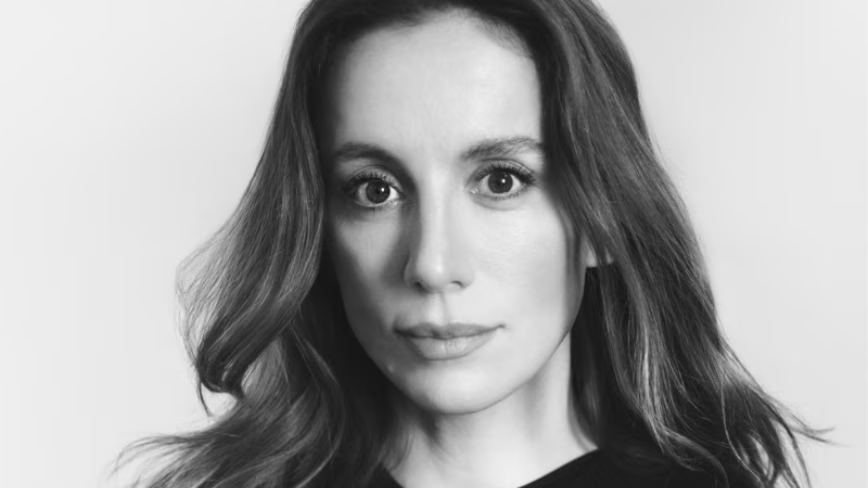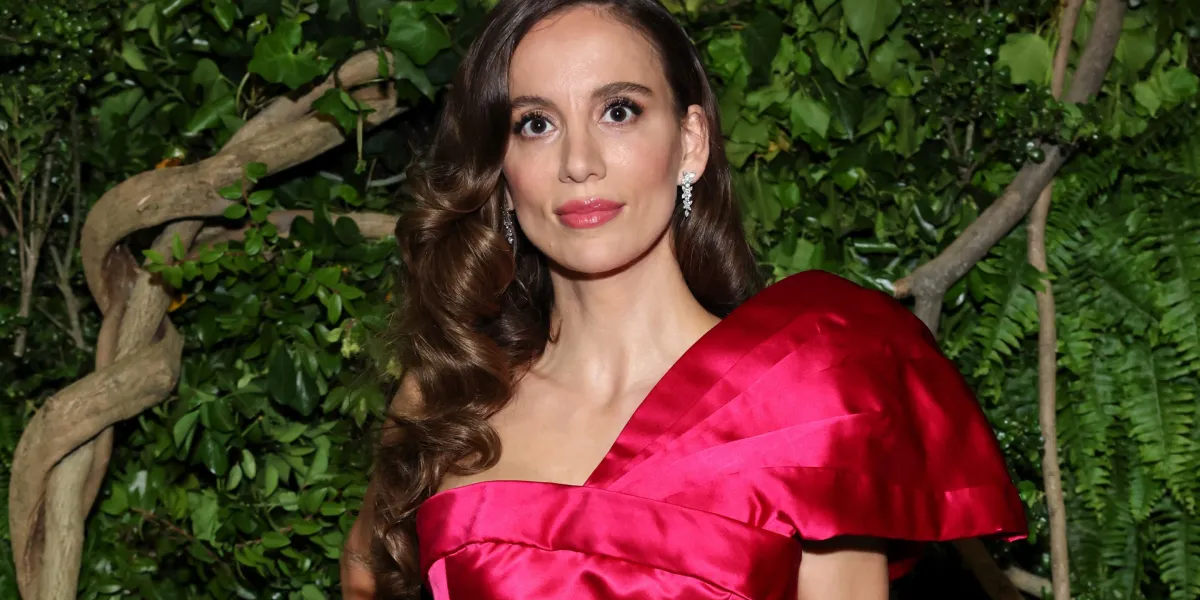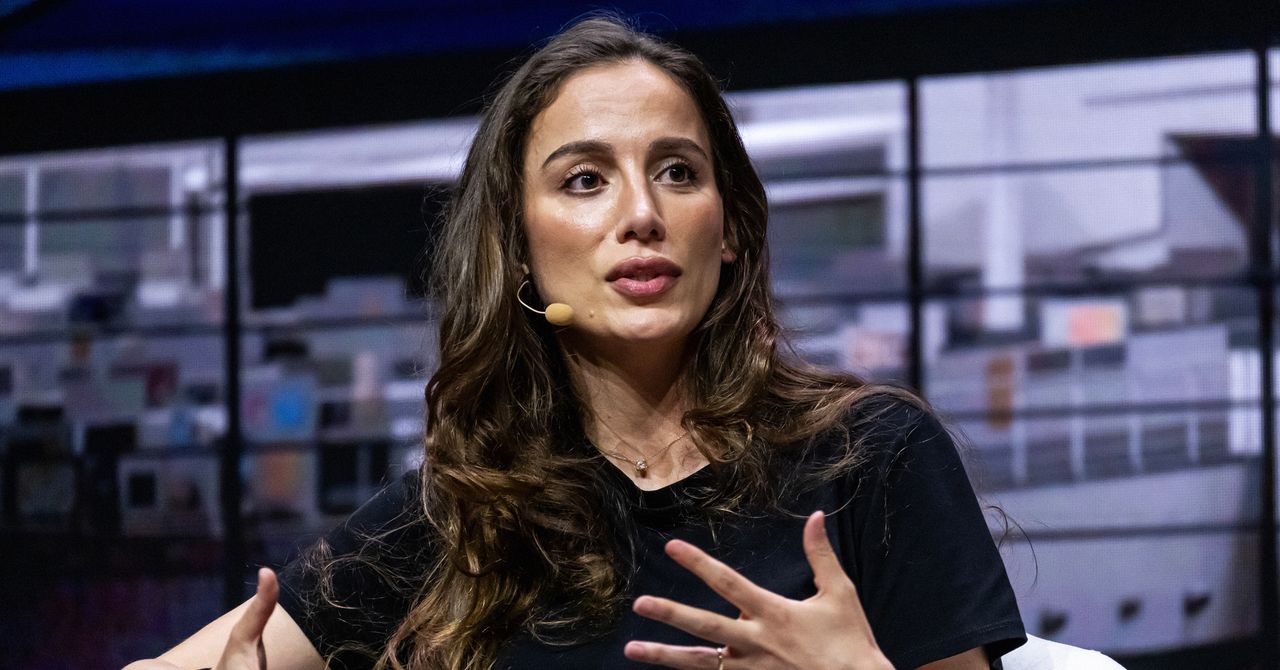
But most may not get to decide. In a competitive market, if autonomous systems outperform human-AI teams, people might have no choice about whether they’re replaced. Murati expects that might happen in math and coding, but counters that many domains rely on “human participation, on the messiness of the real world.”The founder and former OpenAI executive has witnessed that messiness up close. During Sam Altman’s brief ouster in 2023, Murati served as OpenAI’s interim CEO, caught between the board that removed him, employees demanding his return, and Microsoft, the company’s key partner. Thinking Machines Lab has hit the ground running. Tinker, the startup’s first product, which came out in October, lets users customize open-weight AI models more deeply than they could through prompting alone. Meanwhile, the battle for talent has challenged the company. Several prominent researchers, including many on the founding team, have departed for rivals. Murati says success isn’t measured by how much of the original team remains, but by what the company delivers. In July, the startup released its first model, Inkling. While the company does not claim it is the strongest model overall, it describes Inkling as a broad, balanced generalist designed for customization.To Murati, tailoring models around people’s knowledge will expand their agency rather than replace them. But the more completely those systems absorb people’s expertise, the more capable they may become at automating them. Her answer is to keep people continuously involved in shaping what the systems do. Thinking Machines previewed “interaction models” in May that, rather than alternating between listening and speaking, can continue processing while a person talks, much like a human does. Murati says this is a first step toward increasing the richness between people and machines, which she believes is key to keeping us involved in shaping what AI does.“We have machines that can think; they already exist today,” she says. “But what they think about should still be up to us.”
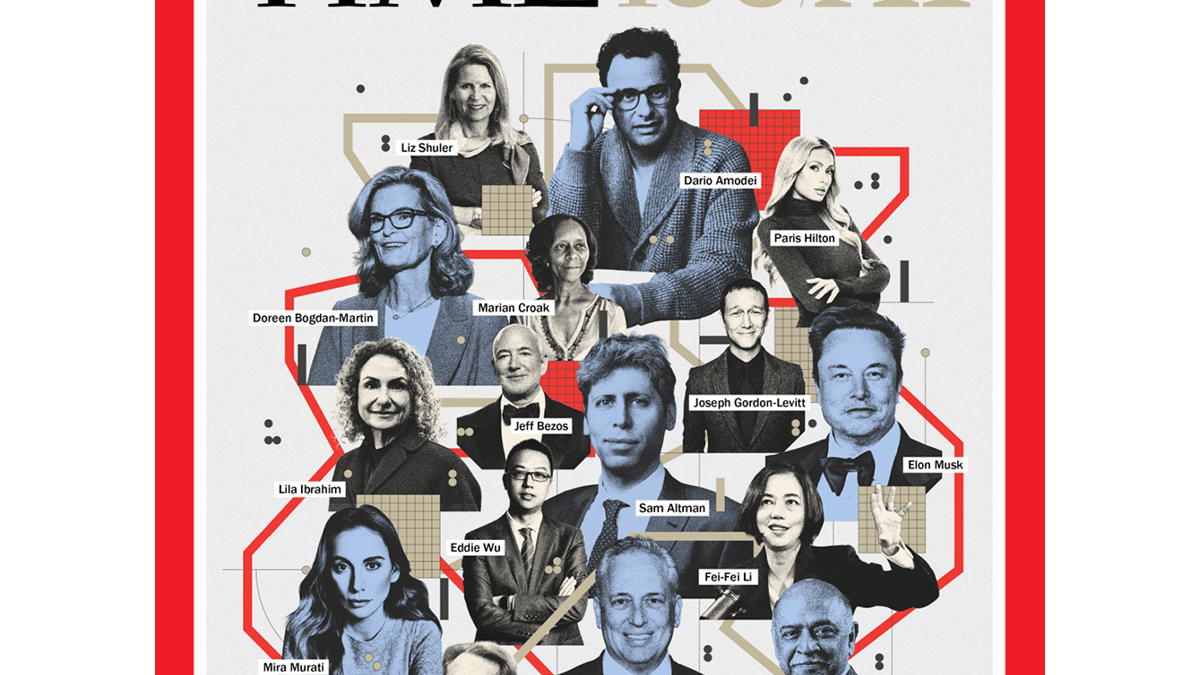
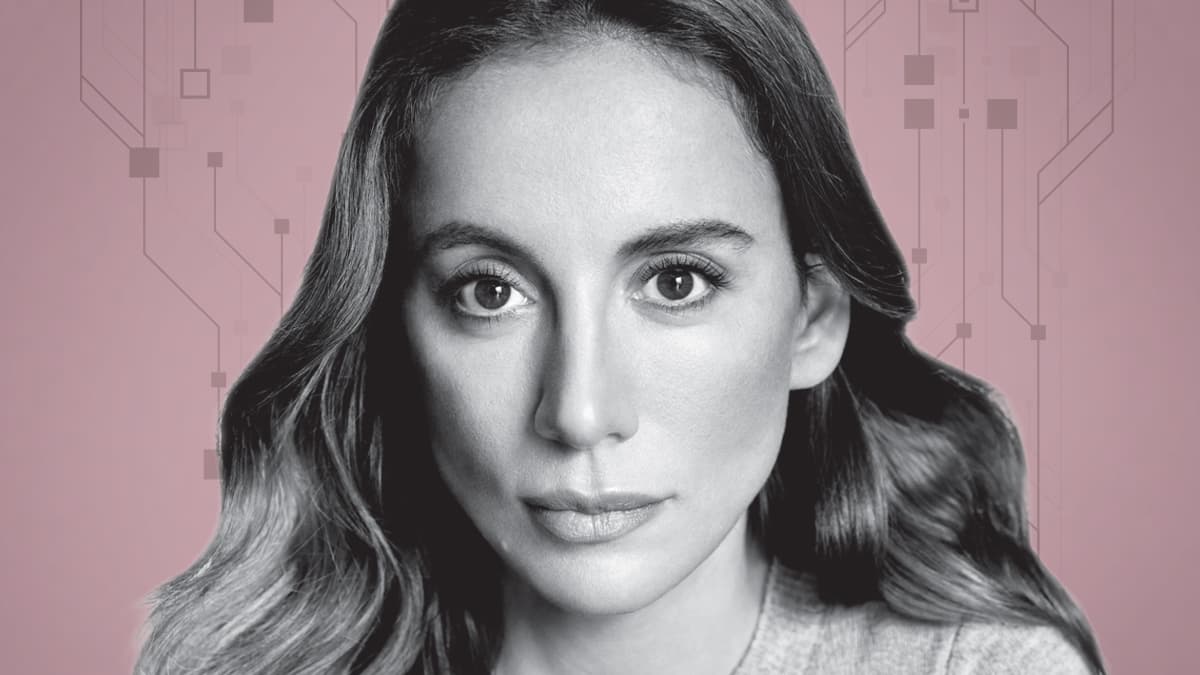
TIME100 AI 2026: Mira Murati
Find out why Mira Murati made TIME’s list of the most influential people in artificial intelligence
321 words~1 min read