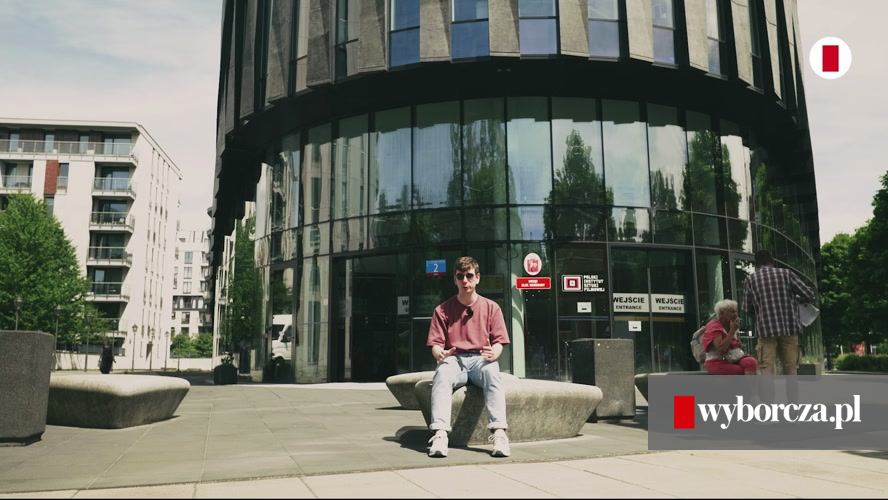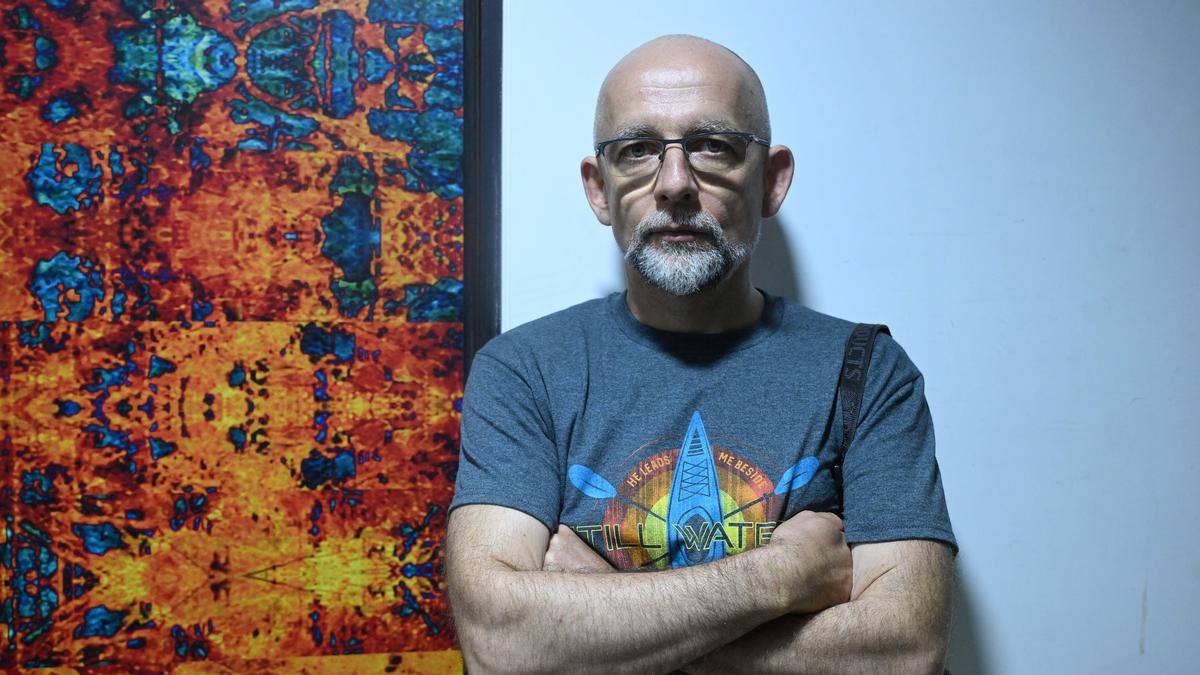
Artur Zurawski, Polish cinematographer during a interview in New Delhi on Saturday.
| Photo Credit: SUSHIL KUMAR VERMA
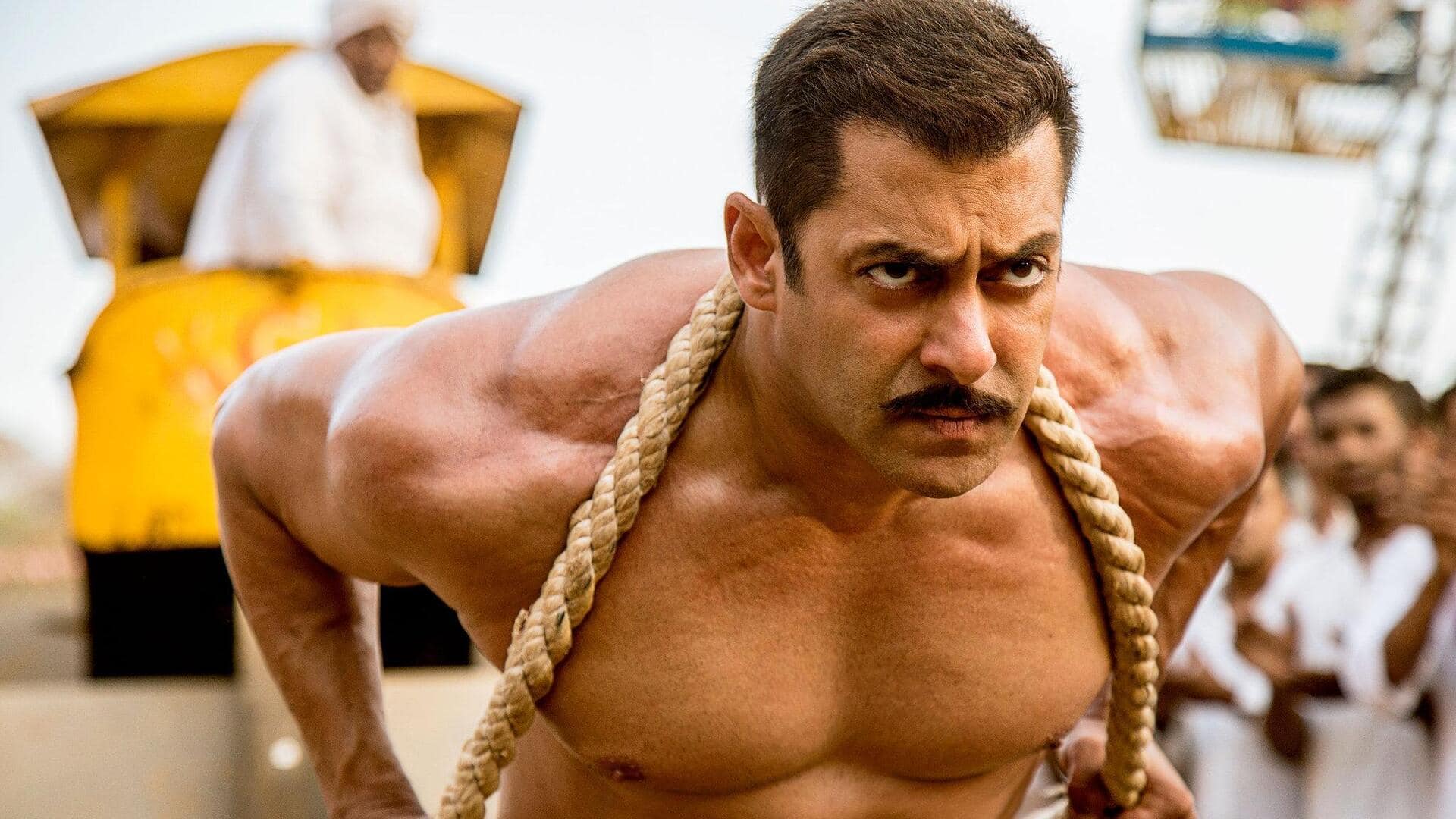
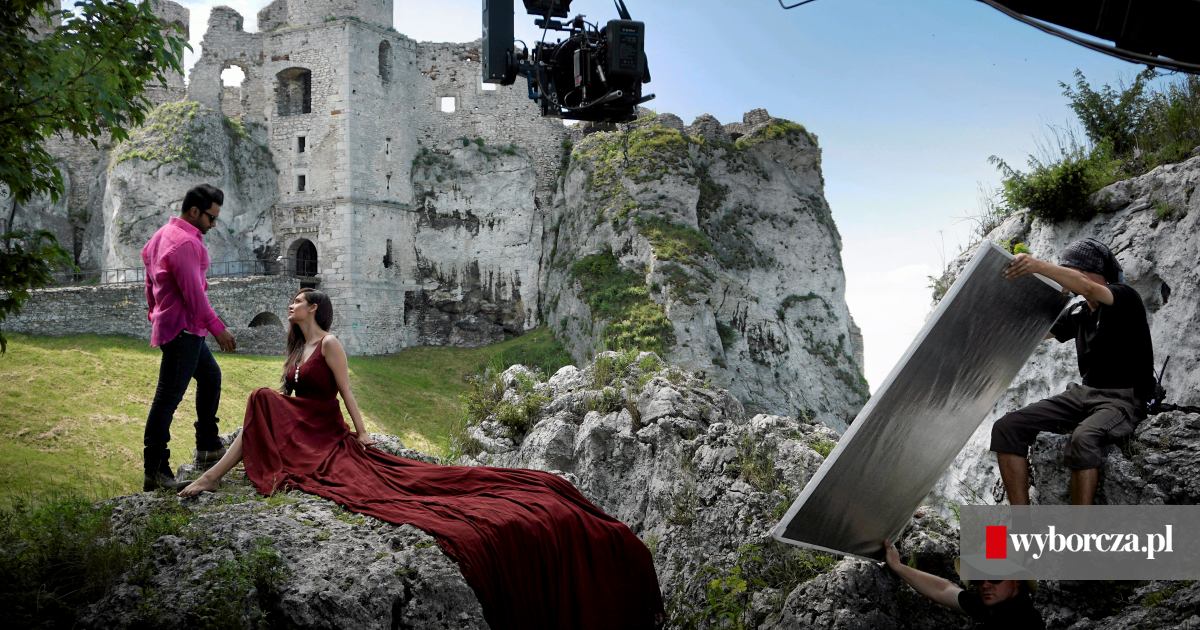
Of late, Indian filmmakers are looking for an outside eye to realise their creative vision. They are turning to European directors of photography to give their celluloid dreams a shade of everyday reality. One of the most significant names of this surge is Artur Żurawski, whose lens work has redefined the visual language of commercial Hindi cinema. After capturing a monsoon-soaked Goa in Kaizad Gustad’s Jackpot, the Polish cinematographer pivoted to raw realism when he injected a documentary-style grit into the Bollywood thriller Mardaani. Then he grounded Salman Khan’s Sultan, a sports spectacle in Haryanvi texture, and this year he reunited with Rani Mukerji to frame the third installment of Mardaani.In Delhi for his solo exhibition of still photographs with the Polish Institute, Artur says his role is to bring larger-than-life stories closer to life without making the experience too exotic for the audience. Initially shocked by the colours in frames, Artur says he is trying to balance art and culture. In European cinema, he says, actors have minimal hand gestures. “Here it is a little too much for me. I would advise the directors to limit it, but then it is culture,” he says. As for the emotions, Artur says they are not too different from what he experienced back home. “People of both countries have learnt to live with generational trauma. You faced Partition, we were not on the map of the world for more than a century,” he says.