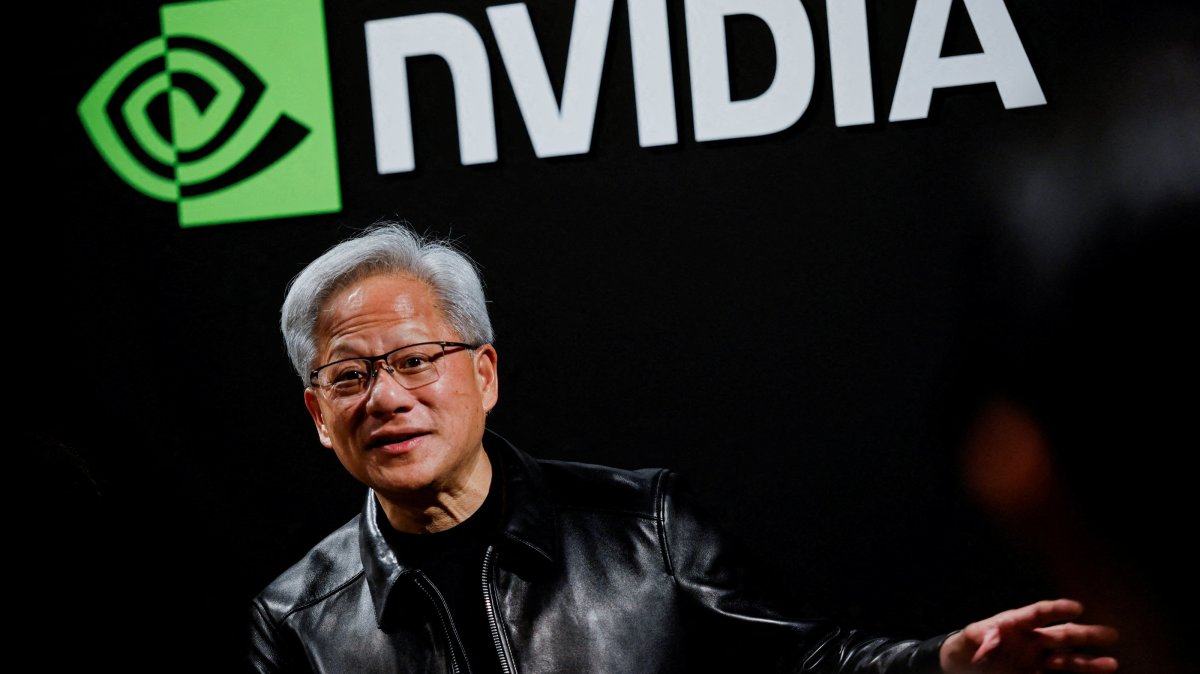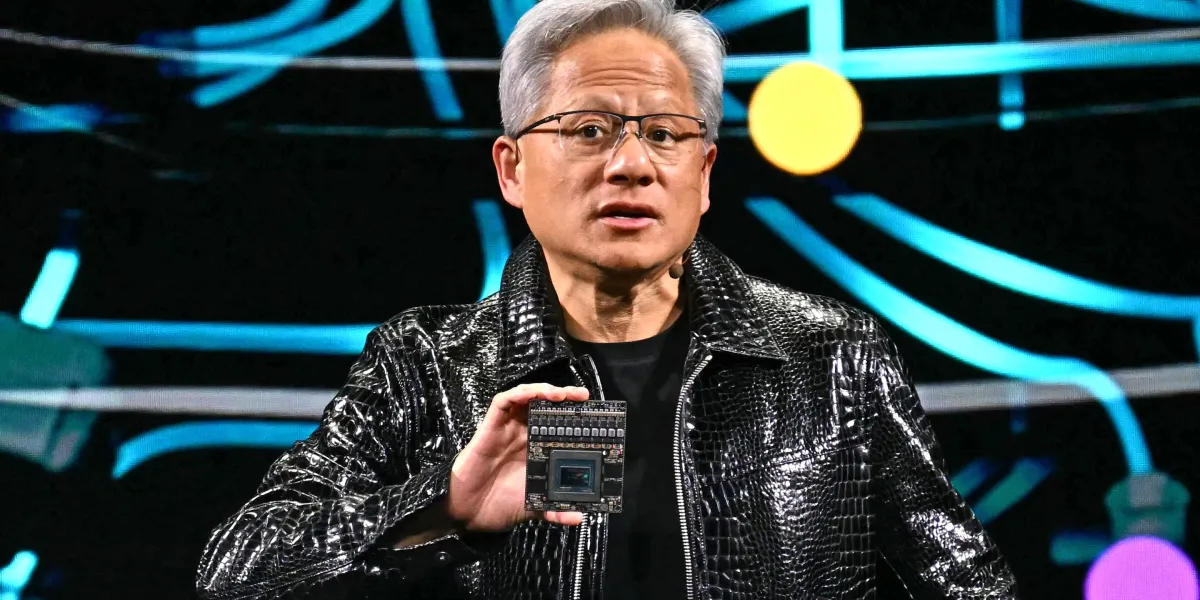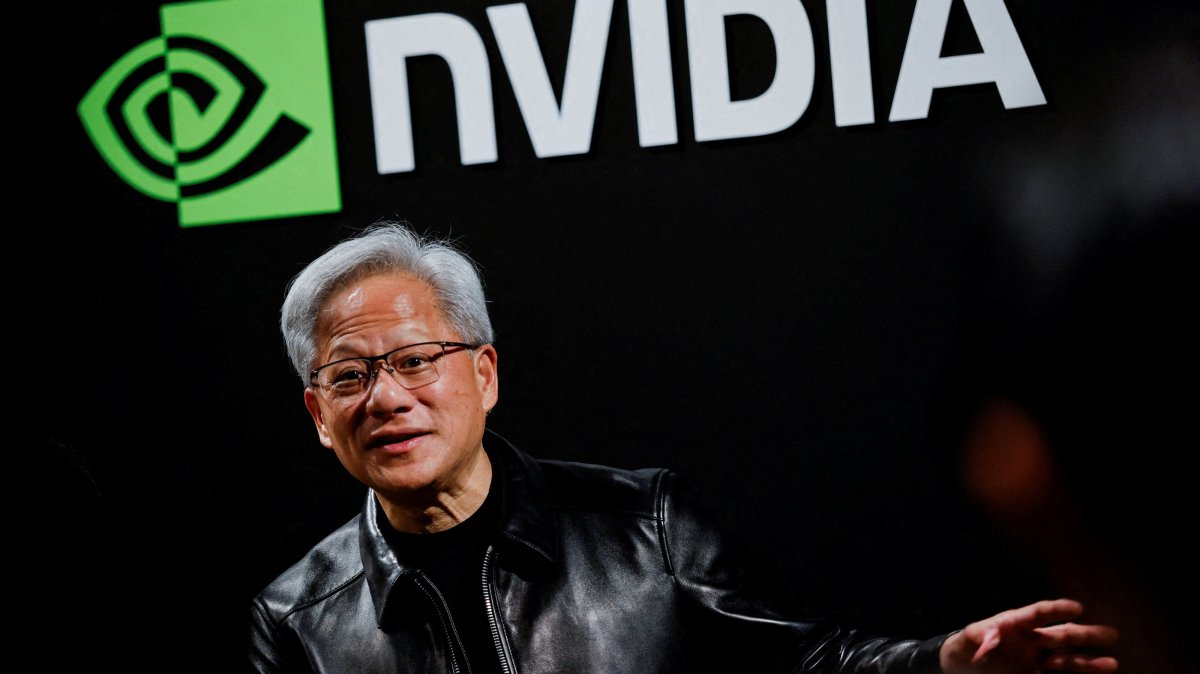
Last night revealed another set of outstanding results from Nvidia. Its quarterly revenues were up by 105 percent year-on-year, comfortably ahead of expectations. Its earnings per share doubled. Its gross margin remained at an impressive 75 percent. And its guidance for the third quarter was for another significant rise in revenues. The chip manufacturer’s founder Jensen Huang bullishly declared that the Artificial Intelligence industry had reached its “golden age” without risking ridicule.
Nvidia’s share had been flat-lining for much of the past few months, and rival chipmakers have been crashing, as investors started to doubt whether the massive investment in AI, and the data hubs that power it, could be sustained. And yet, once again, the company proved its critics wrong. It is still growing at an extraordinary rate. Wall Street had been waiting anxiously for the results. And yet, it need not have worried. On this evidence, America’s AI-fuelled investment boom is as strong as ever. Indeed, it may just be getting started.
Sure, there are challenges ahead, as they are for any company, especially one that has grown as quickly as Nvidia. It relies very heavily on a handful of hyper-scalers, the huge cloud-based providers of raw computing power spread across the globe, such as Amazon, Google, Microsoft and Meta. They account for up to 70 percent of Nvidia’s revenue, making it very reliant on a small group of customers, some of whom may also turn into competitors as they start developing their own chips, or looking for alternative suppliers. That could certainly turn into a weakness one day. Likewise, Nvidia’s circular financing deals, or “vendor financing” as it is more politely known, means that it sometimes provides the money to AI start-ups that then buy its chips. It is all very reminiscent of the telecoms and broadband boom of the late 1990s. That ended in a crash, and it is certainly possible that this one will as well.