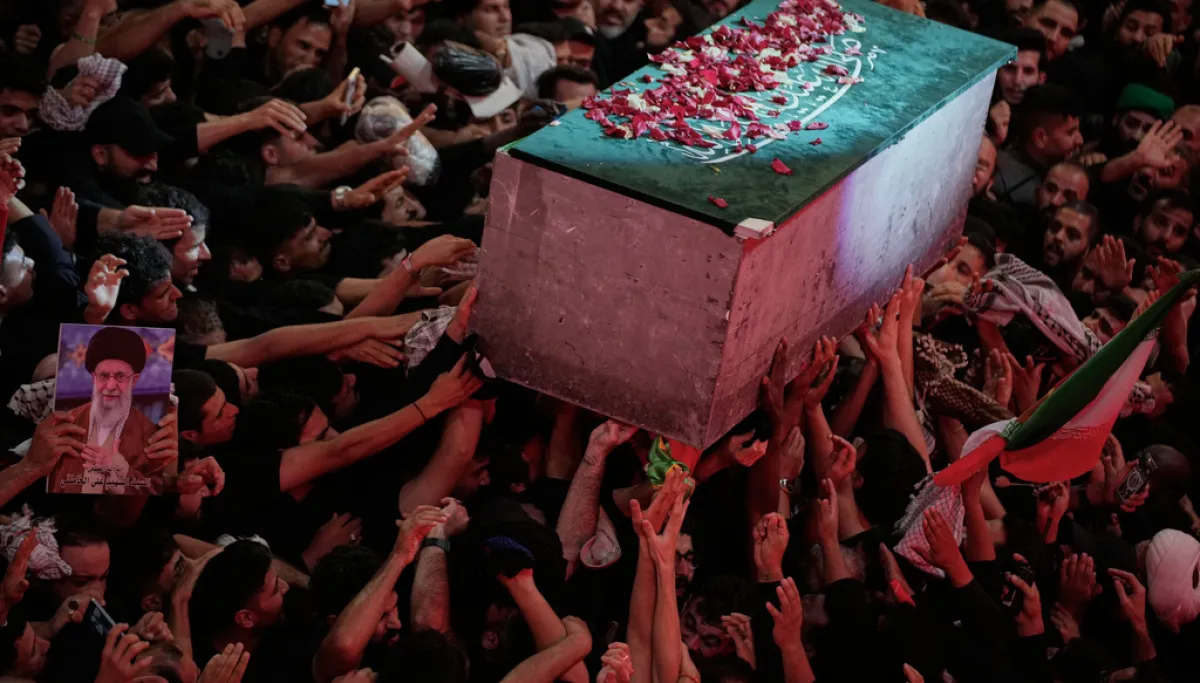
The Islamic Republic of Iran has spent decades building a weapon more subtle than missiles and more difficult to detect than drones. It is an influence machine, a sprawling ecosystem of state media, intelligence services, diplomats, lobbyists, academics, commentators, social media influencers, and political intermediaries designed to shape how Western governments understand Iran. Its objectives are clear: protect the regime, undermine its opponents, fracture Western unity, and create the appearance of legitimate international support for Tehran.The evidence increasingly points to an ecosystem rather than a handful of eccentric sympathizers. The operation ranges from foreigners invited to Iran on state-sponsored trips to people whose contacts with Iranian officials have brought them into Western political and media circles. The crucial distinction is between documented relationships, allegations, and assumptions. That distinction makes the genuinely documented cases all the more worthy of scrutiny.Consider the extraordinary spectacle surrounding the funeral of supreme leader Ali Khamenei. Iranian officials said around 400 foreign bloggers and influencers were brought to Tehran to cover the event. Among those identified were British influencers and media figures Bushra Shaikh and Sakina Dattoo, American commentator Jackson Hinkle, and personalities from several other countries. Shaikh is particularly interesting because reporting has documented her participation in state-sponsored Iranian tours organized through IRIB World Service, including meetings with senior Iranian officials. She subsequently appeared in Tehran for Khamenei’s funeral. These facts establish access and participation. They merit scrutiny while falling short of establishing that she was an agent of the Iranian state.
From TikToks to think tanks: How Tehran hacked Western minds
Tehran deploys a vast influence network of think tanks and influencers to shape Western policy and protect the Iranian regime.
966 words~4 min read