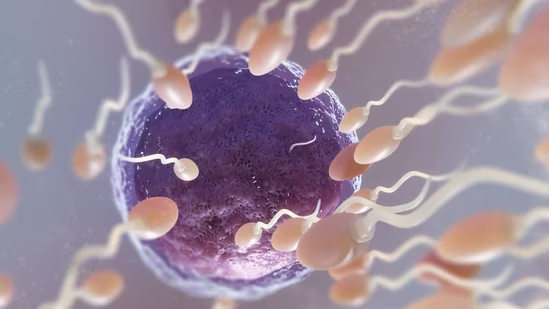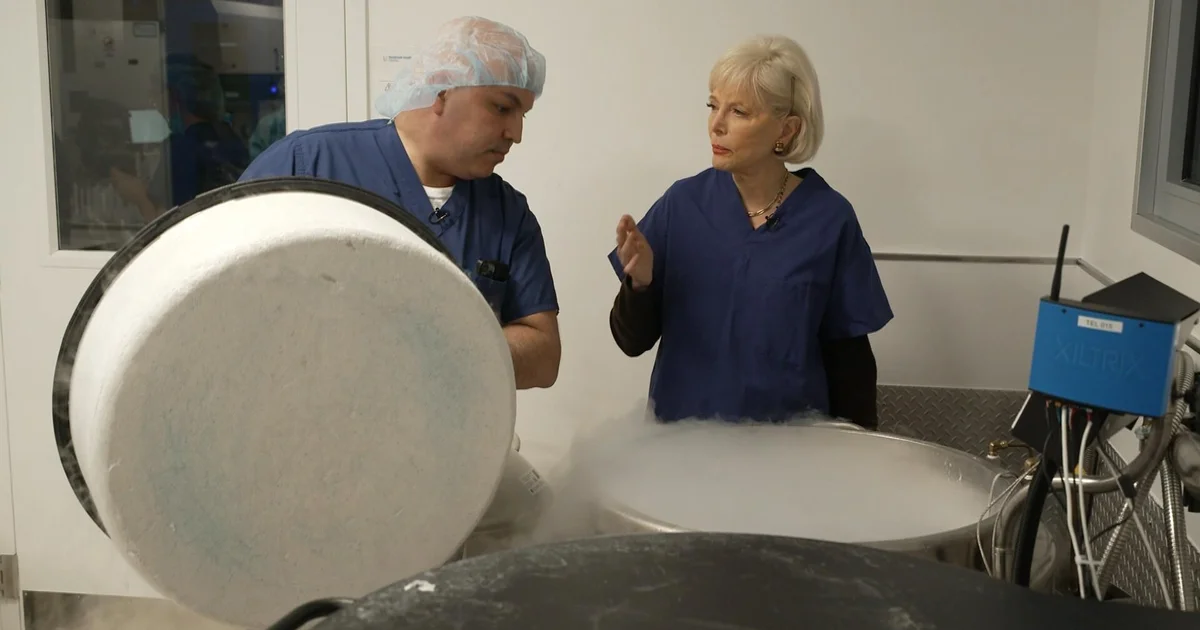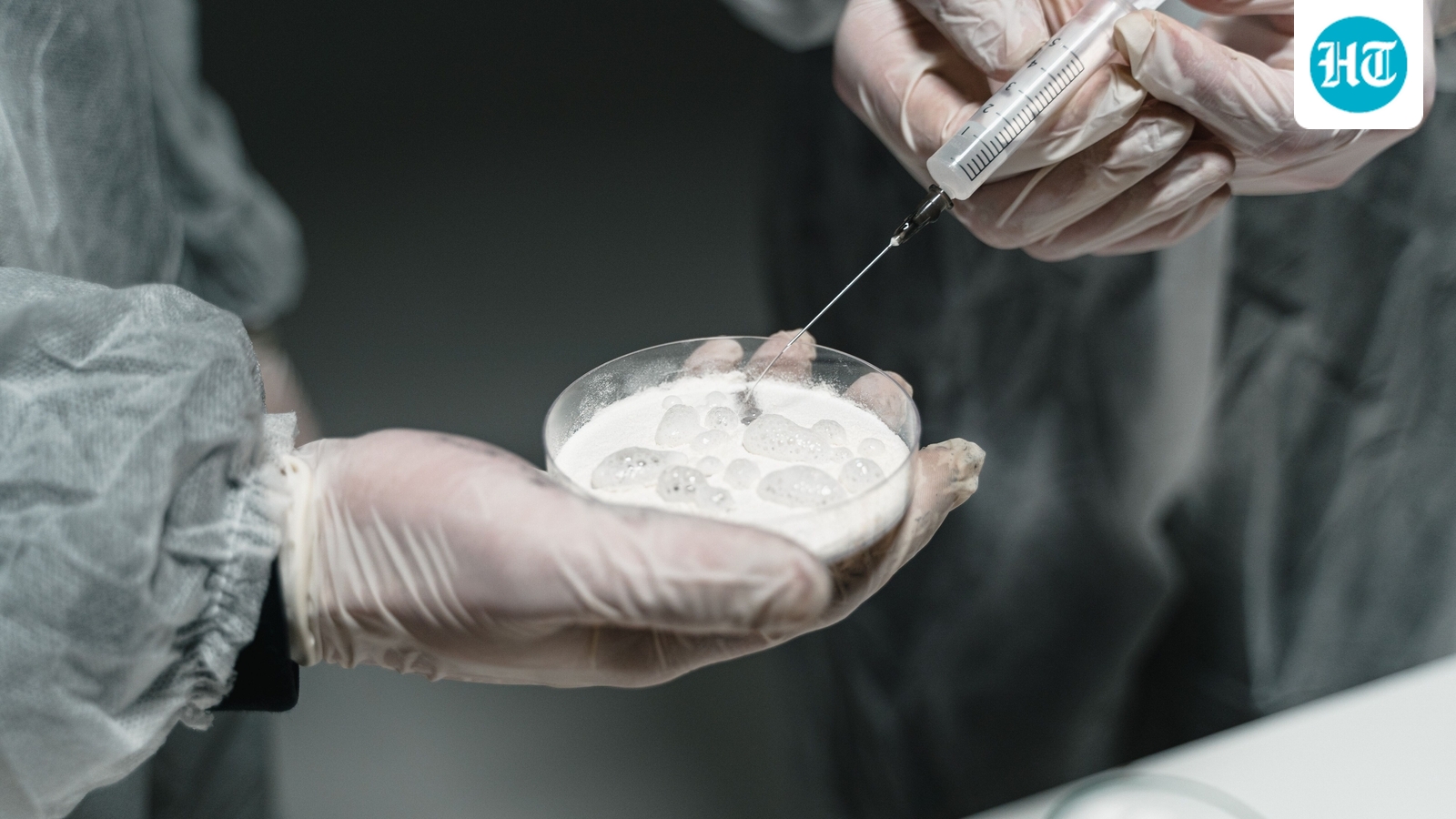
Prefer HTon GoogleFertility specialist on the possible long-term side effects of egg freezing. (Pexel) Considering egg freezing? A fertility specialist explains whether the procedure has any known long-term side effects, risks, or impact on future health.From delaying motherhood to planning around career and personal priorities, more women are exploring egg freezing as a way to preserve their fertility. But alongside the growing interest comes an important question: can the procedure have long-term side effects? In an interview with HT Lifestyle, Dr Manjunath CS, fertility specialist, Birla Fertility and IVF, Bengaluru, explained the long term effects of the procedure.Also read | Want to freeze your eggs? Fertility expert shares how long you can keep your eggs frozenWhat is egg freezing?Egg freezing, also known as oocyte cryopreservation, is a process by which your eggs are removed from the ovaries, frozen, and stored for your future use. A typical egg freezing cycle is 10-14 days and involves a process called ovarian stimulation, where hormonal medication is used to stimulate the ovaries to produce multiple eggs. Once the eggs have matured, they are retrieved through a minor surgical procedure.A typical egg freezing cycle is 10-14 days and involves a process called ovarian stimulation. (Pexel)Dr Manjunath highlighted that it is understandable to wonder whether the medicines used during the process could affect your fertility later, whether repeated cycles could harm the ovaries, or whether frozen eggs could develop problems during storage. These concerns are common, but the evidence available today is largely reassuring.Does egg freezing reduce your egg reserve?“Not in the way many people assume. During an egg-freezing cycle, medicines help the ovaries mature multiple eggs that have already been recruited for that menstrual cycle. The eggs that are collected are then frozen; the process does not remove the eggs that remain in the ovaries,” said Dr Manjunath. This means that freezing your eggs does not prevent you from trying to conceive naturally later. Your chances of natural conception in the future will still depend on factors such as age, ovarian reserve and other aspects of reproductive health.What about the eggs once they are frozen?Modern egg freezing usually uses a technique called vitrification, which rapidly freezes the eggs to minimise the formation of ice crystals. Studies so far have found this to be a safe and established method, with reassuring outcomes for pregnancies and babies born using vitrified eggs.Modern egg freezing usually uses a technique called vitrification. (Pexel)For someone considering egg freezing, the key points are:● Frozen eggs do not mean your ovaries have been “emptied”● Egg freezing does not stop you from trying to conceive naturally later● Vitrification has a good safety record● Freezing eggs does not guarantee a future pregnancyCan repeated stimulation increase cancer risk?This is another concern women may have, particularly if more than one cycle is needed to freeze an adequate number of eggs. Current evidence does not show a broad increase in cancer risk from fertility treatment.Note to readers: This article is for informational purposes only and not a substitute for professional medical advice. Always seek the advice of your doctor with any questions about a medical condition.Anukriti Srivastava thrives at the intersection of words and voice, where journalism meets storytelling. A digital editor and journalist with over 5 years of experience, she has written across lifestyle, women issues, relationships, entertainment, fashion, and travel. She did her Masters in Broadcast Journalism and has published more than 500+ lifestyle content pieces across platforms.
Planning to freeze your eggs? Here’s what a fertility specialist says about long-term side effects
Considering egg freezing? A fertility specialist explains whether the procedure has any known long-term side effects, risks, or impact on future health. | Health
768 words~3 min read