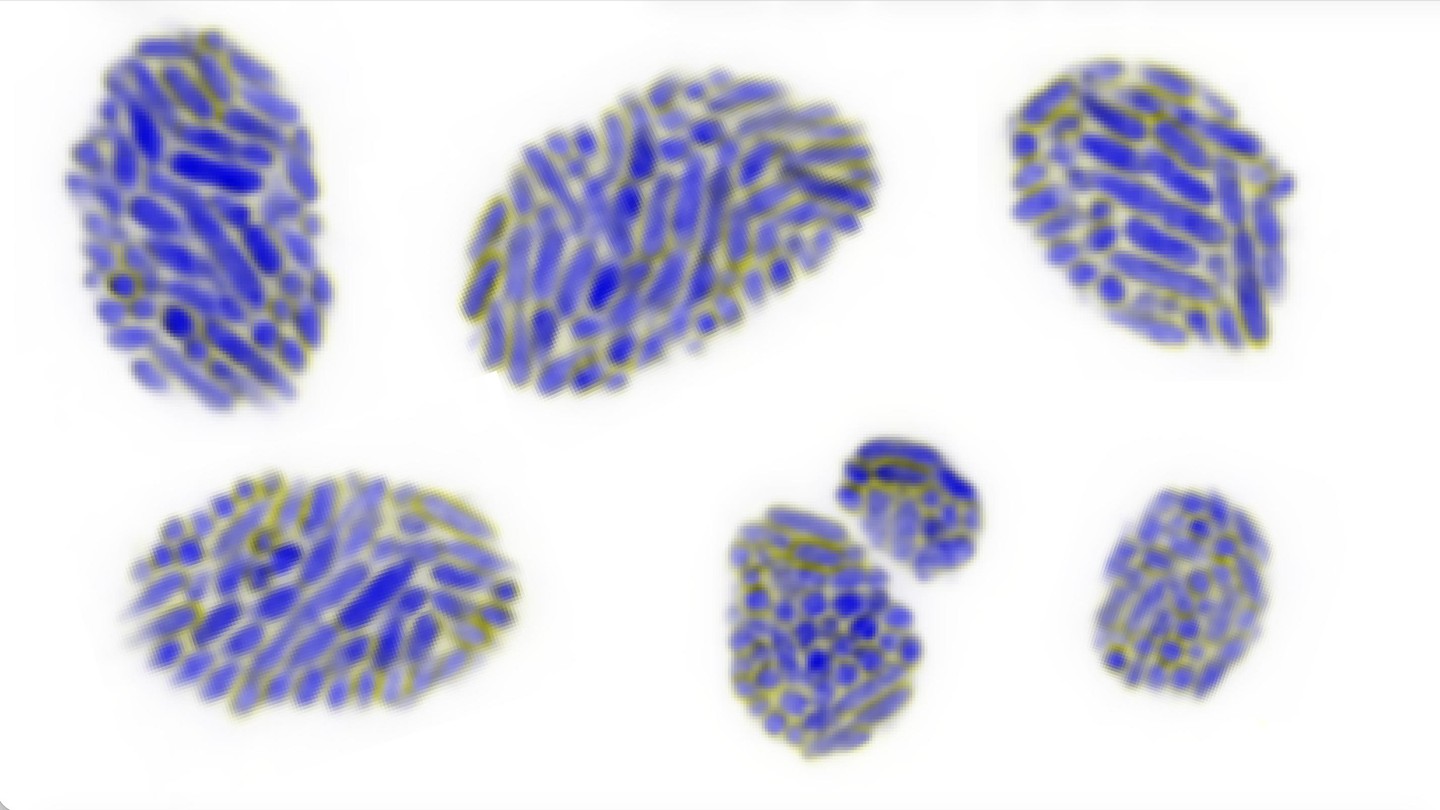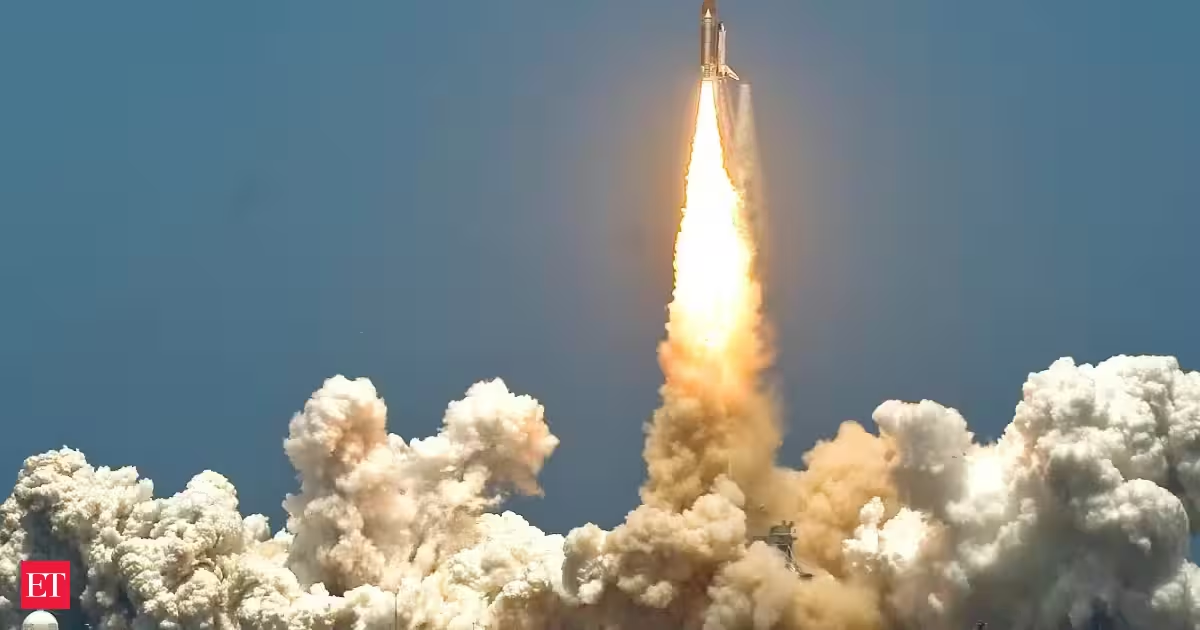
The study of the behavior of microorganisms in zero gravity has gained prominence with space agencies embarking upon long-term missions to the Moon and Mars. Among the organisms studied in this context, is Pseudomonas aeruginosa, which is the name of the bacteria that causes hospital-acquired and urinary tract infections in humans. An experiment using this bacterium was funded by NASA in 2010–2011, carried out by a research team from Rensselaer Polytechnic Institute, where samples were sent into space aboard the Space Shuttle Atlantis. The results, as well as subsequent studies done in recent years, have been instrumental in giving information about how biofilm-forming bacteria adapt to spaceflight conditions. It continues to shape how NASA approaches spacecraft design, water-recovery systems, and astronaut health protocols as human spaceflight moves toward more ambitious and extended missions.The experimentThe real story began with a group of scientists from Rensselaer Polytechnic Institute, led by chemical engineer Cynthia Collins. Between 2010 and 2011, these scientists conducted an experiment in which P. aeruginosa was exposed to space twice aboard Space Shuttle Atlantis, on missions STS-132 (May 2010) and STS-135 (July 2011). This bacteria were cultivated in synthetic urine that would mimic the waste recycling system used by the astronauts.NASA astronaut Jasmin Moghbeli processing bacteria samples in the ISS laboratory. Image credits: Wikimedia CommonsAccording to a peer-reviewed 2013 study titled “Spaceflight Promotes Biofilm Formation by Pseudomonas aeruginosa,” published in PLOS ONE, space-formed biofilms were denser, had more biomass, and contained more living cells than the control Earth-based samples. Moreover, spaceflight enhanced planktonic production only at low concentrations of phosphate; at a concentration of 50 mM phosphate, the production of planktonic cells was similar to that in normal gravity, implying that enhanced biofilm biomass was not just due to enhanced bacterial growth.Meet the "column-and-canopy" structureThe interesting part for microbiologists was how the bacteria structured themselves into something called a “column-and-canopy” structure, a pillar topped off with a mushroom-like shape, that had not been observed in the experiments done on Earth. And while it's a small detail, it carries with it a huge message: microgravity isn’t just a background for science to take place; it actively alters how living things work and act. If bacteria are developing new structures the second you remove gravity from the equation, you’re not dealing with a footnote; you’re dealing with a caution sign.Why it matters for future missions The concerns behind this experiment are what keep driving further research funded by NASA ahead of the Artemis program and future Mars missions. A related 2023 study titled “Biofilm formation of Pseudomonas aeruginosa in spaceflight is minimized on lubricant-impregnated surfaces,” published in the journal npj Microgravity, was authored by researchers from the University of Colorado Boulder, MIT, and NASA Ames Research Center. It focused on methods that could stop the formation of the biofilm on spacecraft materials altogether, since bacterial blockage of the recycling unit could become a critical, life-threatening issue on years-long missions.The quiet parts and the bottom lineHowever, what the space agencies tend not to mention is the fact that immune systems become more vulnerable to infection in microgravity, life-support systems are practically bacteria incubators, and no one has yet solved the problem of preventing infections in outer space millions of miles away from any medical help. This is where the real discomfort lies between the utopian vision of Mars colonization and microbiology in general.Close-up view of Pseudomonas aeruginosa colonies on horse blood agar. Image credits: Wikimedia CommonsIt is certain from this that dull scientific aspects such as biofilms, the waste management system, and bacterial architecture are the very things which may determine whether our grand space endeavors will survive past the press releases in the future. For those hoping to read about Mars headlines in their lifetime, the true timetable may hinge less upon rocket engines and more upon outsmarting the bacteria that have already demonstrated their ability to adapt more quickly than anticipated.
NASA sent Pseudomonas aeruginosa on shuttle Atlantis to space, where it formed denser biofilms with an unusual “column-and-canopy” structure
NASA's groundbreaking experiment with Pseudomonas aeruginosa aboard the space shuttle Atlantis showed how microgravity alters bacterial growth, leading to vital changes in astronaut hygiene procedures.
650 words~3 min read