Some of the world's largest lakes could shrink substantially within this century, with far-reaching consequences for ecosystems and roughly a quarter of the global population living in affected regions.
Although restoration efforts have proved successful in some cases, many inland bodies of water face extreme challenges.
Caspian Sea: A shrinking giant
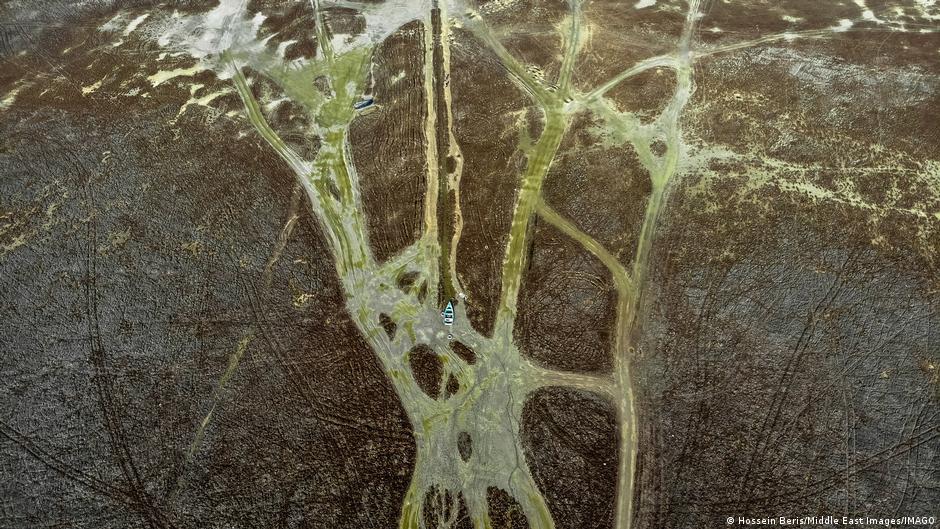
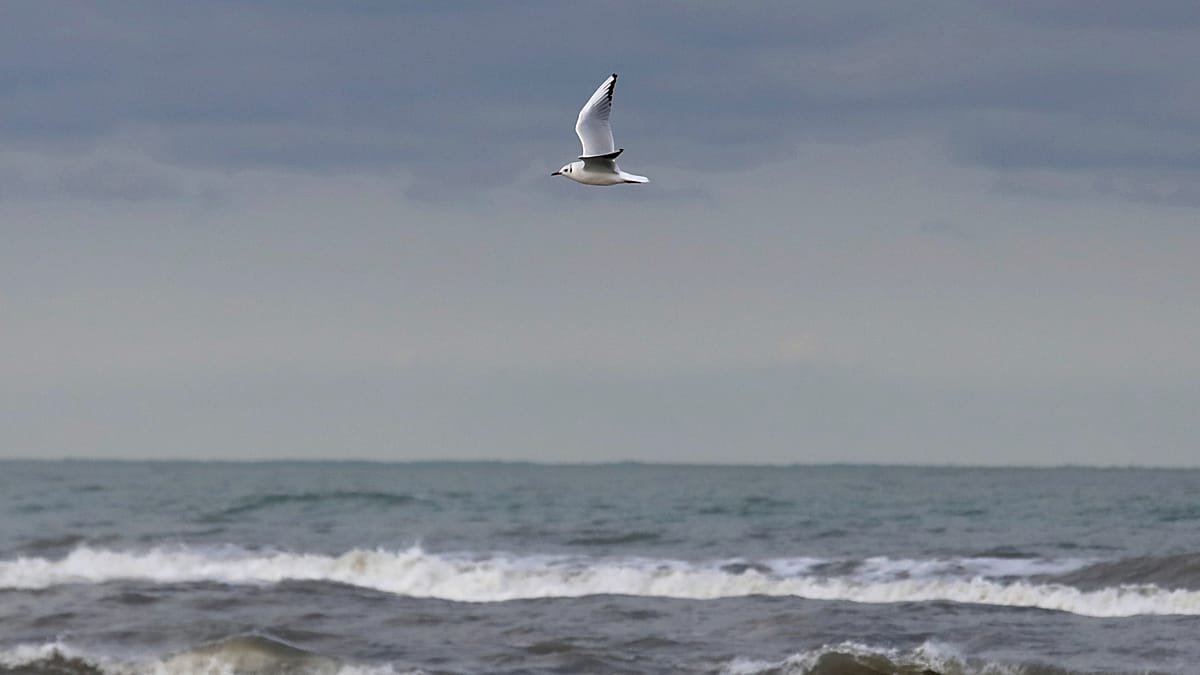
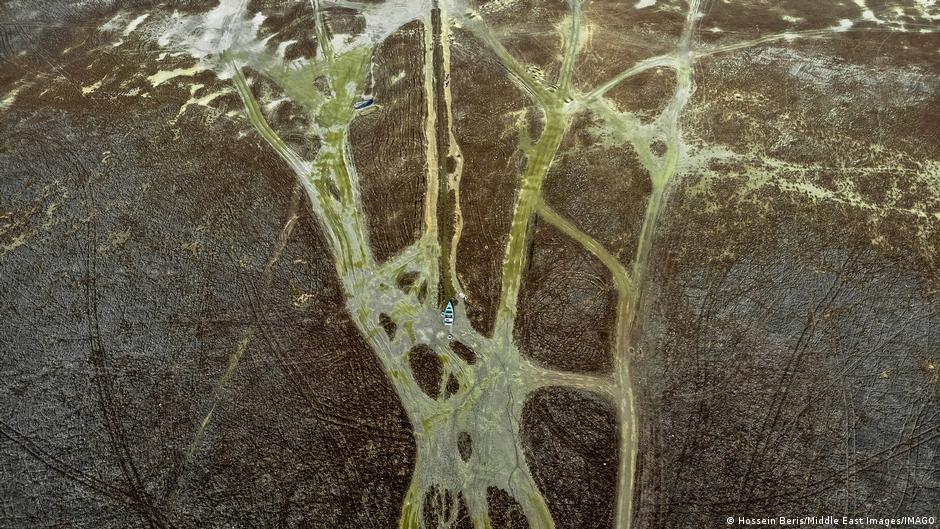
Despite its name, the Caspian Sea is actually a lake. Bordered by Iran, Russia, Azerbaijan, Turkmenistan and Kazakhstan, it is the largest inland water body on Earth. But its surface area has been rapidly receding since the 1990s.
This shift is partly due to the use of dams and water-management practices in the Volga River basin. But hotter conditions driven by burning fossil fuels to power societies is also a contributing factor. Rising temperatues increase evaporation rates.