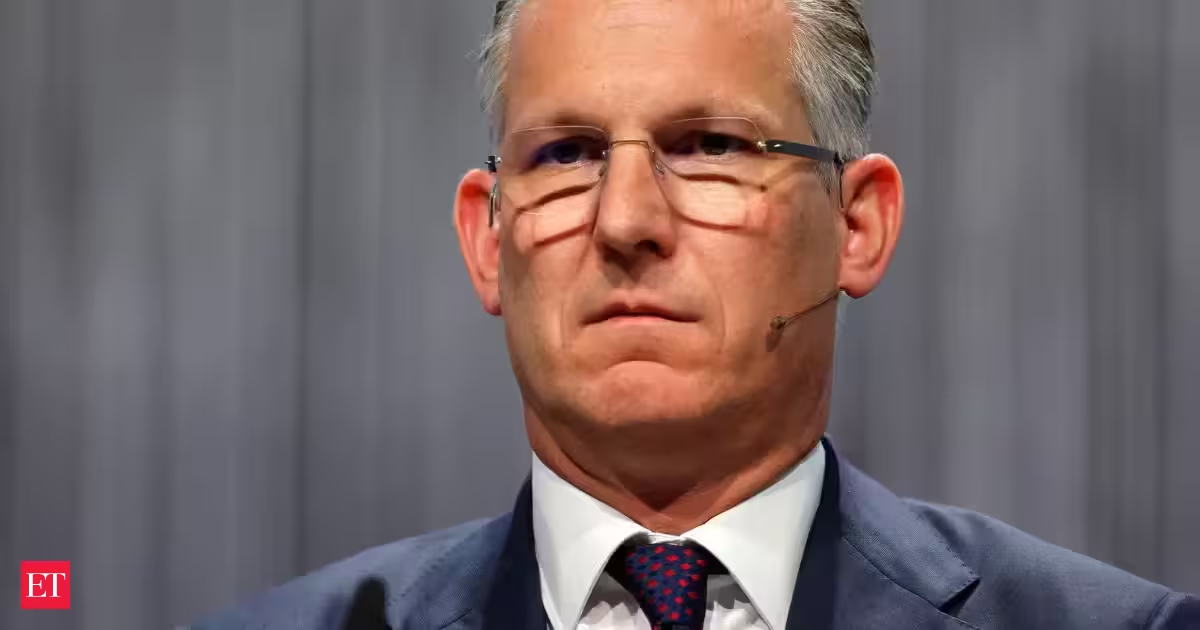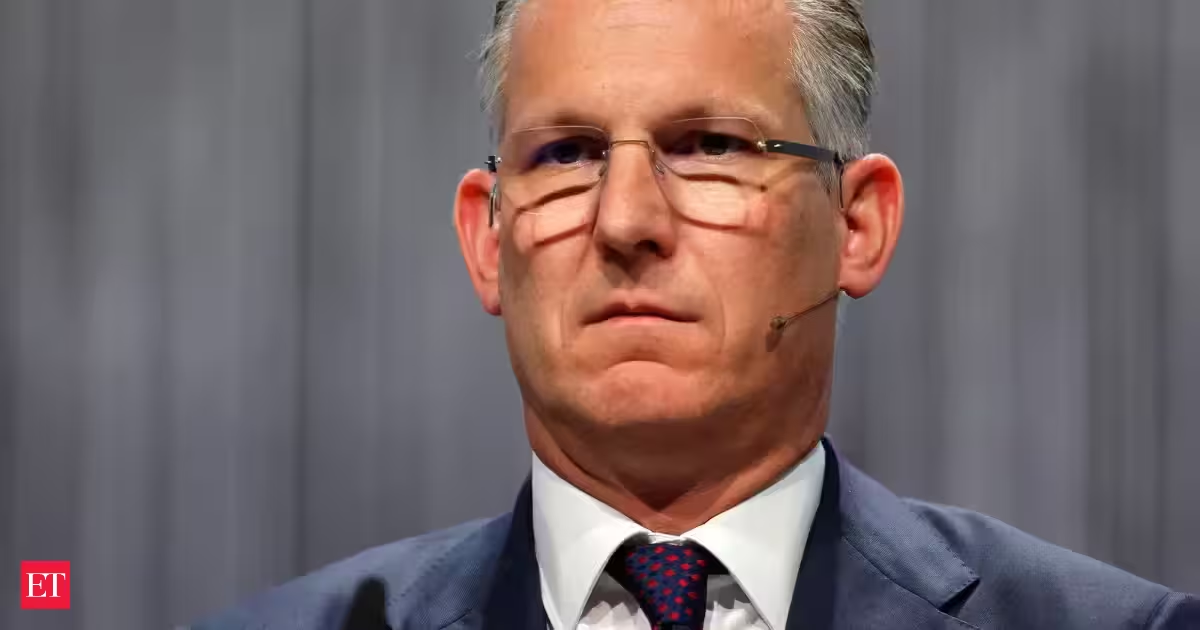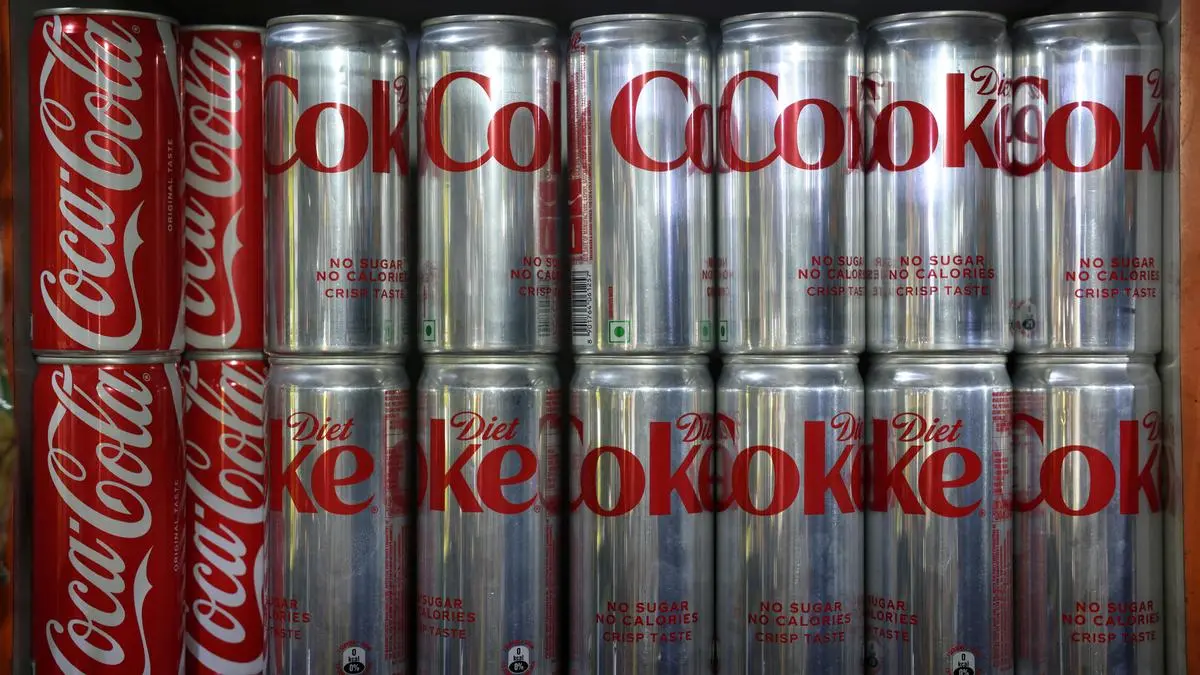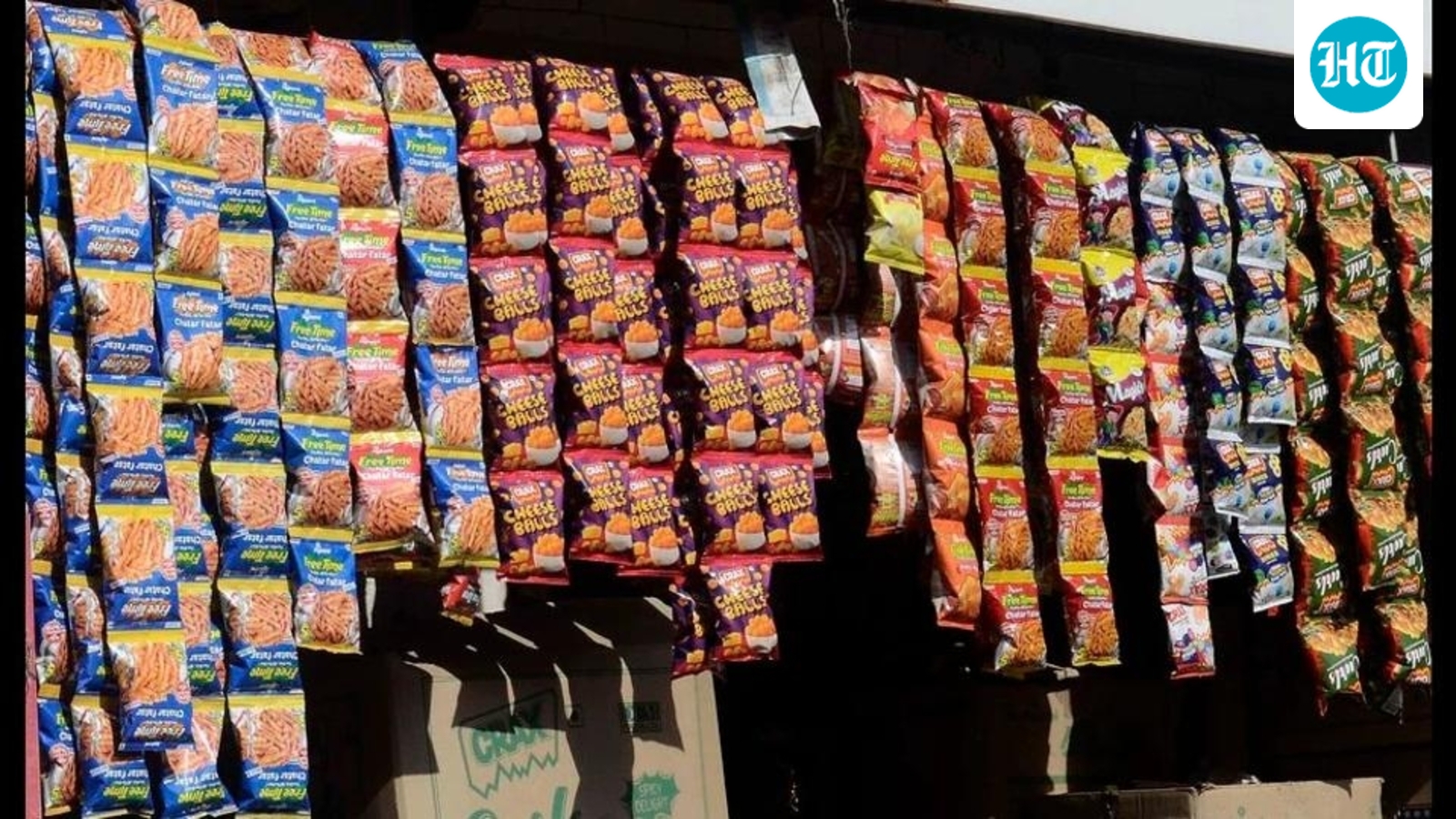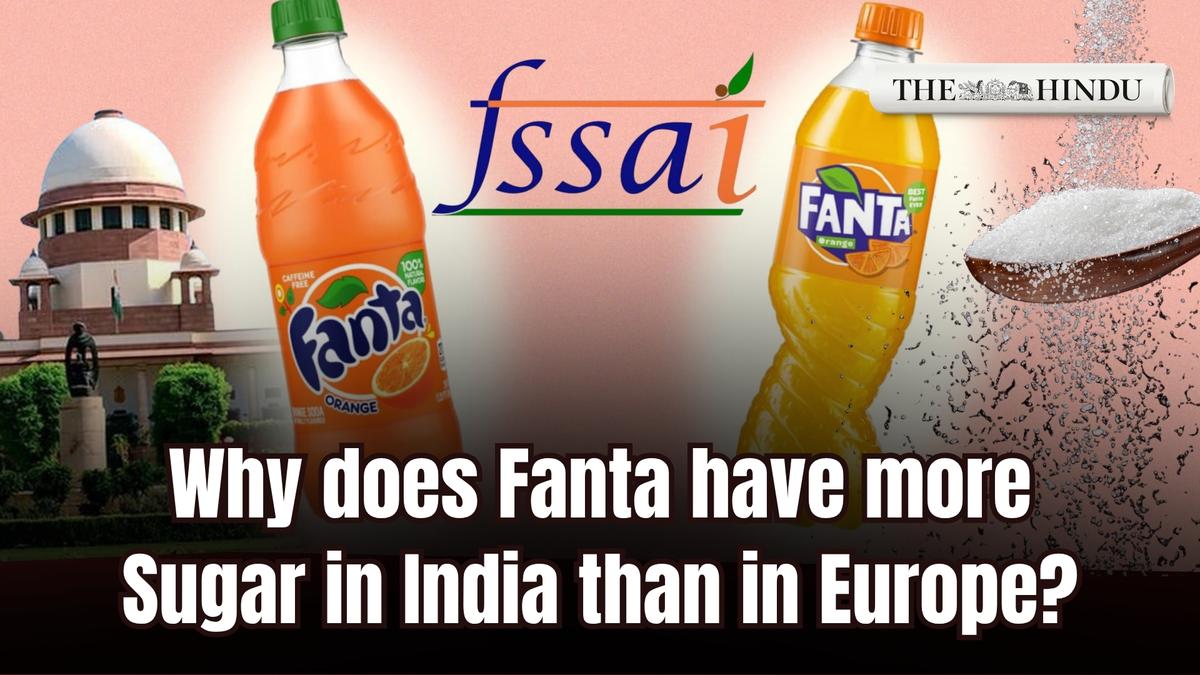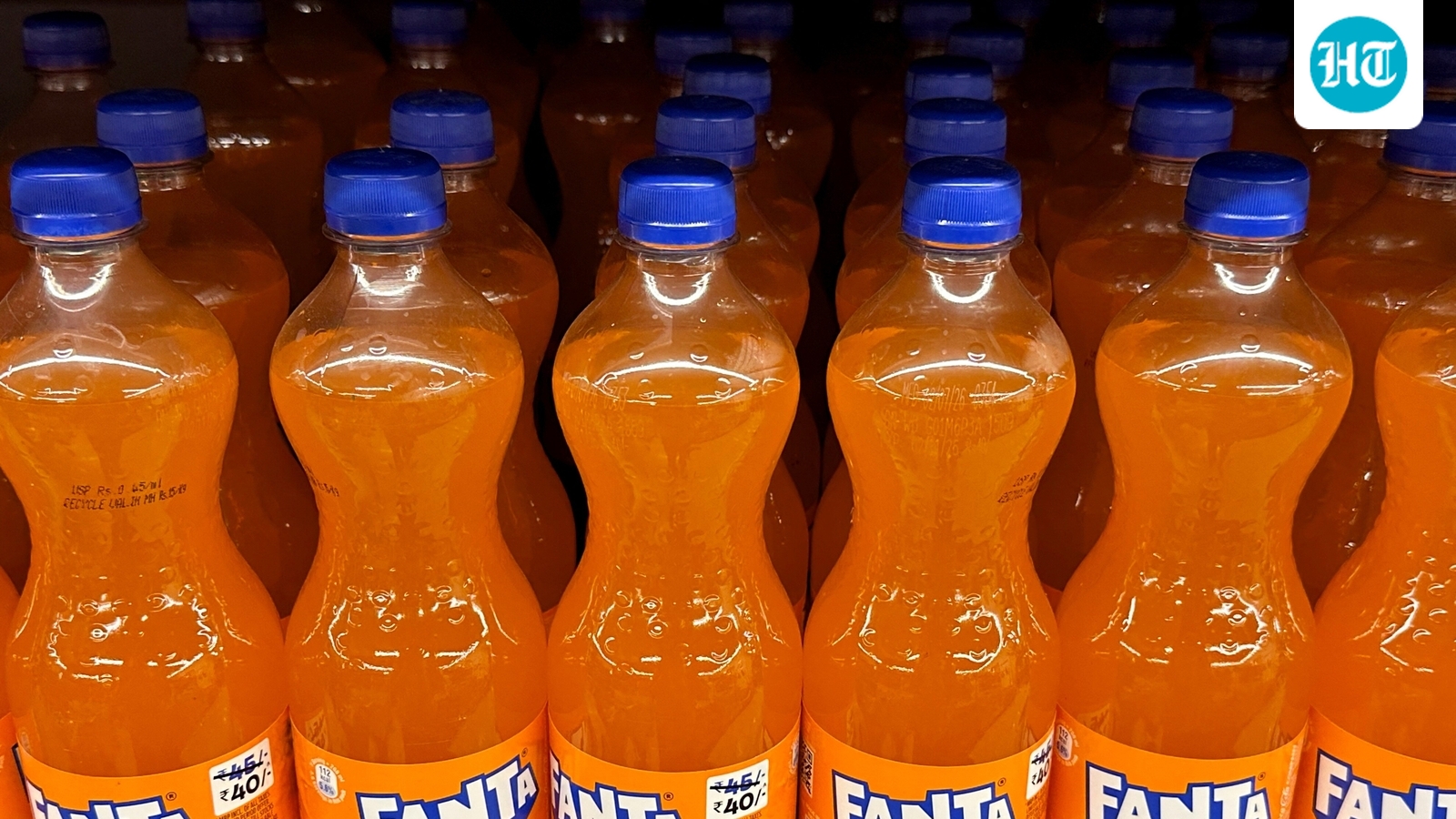
SynopsisNestle CEO Philipp Navratil has urged India to consult companies while drafting front-of-pack warning-label rules, saying regulations should be developed “scientifically.” The remarks come amid criticism from health experts and consumers who accuse manufacturers of delaying stronger safeguards as India debates labels for products high in sugar, salt and fat.Listen to this article in summarized formatETMarkets.comNestle’s call for industry consultation on India’s food-warning labels has intensified a public health debate over corporate influence and products high in sugar, salt and fat.New Delhi: Nestle wants India to consult with companies when drafting rules for front-of-pack health labelling on food and drinks to ensure it is done "scientifically," its chief executive said, amid a public debate on the lack of such measures in the country.Prime Minister Narendra Modi's government has for years tried to implement some form of warning labels on packaging, but dropped a proposal after companies like Coca-Cola and industry groups representing the likes of Nestle in March opposed the measures, Reuters reported earlier this week.Also read: Nestlé backs India’s front-of-pack labelling push, seeks science-based approachSince the story was published, consumers and health experts in India have expressed their anger on social media. Companies like Coca-Cola and Nestle have voluntarily put similar labels on their products in many European markets for years.Nestle CEO Philipp Navratil told India's Economic Times newspaper that while the company supports front-of-pack labelling for products with high sugar, salt and fat, manufacturers should be consulted in the process."It's always good to have a voice from companies; there might be different views (on the subject)," Navratil said in the interview, published on Thursday. "We can be part of the debate in terms of making sure it's scientifically done."India's Supreme Court, after hearing the pleas of health activists, slammed New Delhi for delays and called for implementing front-facing warning labels.Food safety regulator FSSAI did not respond to Reuters queries on the matter.CONSUMER ANGERNearly 80% of products made by India's more than $100 billion packaged food and beverages market could be regarded as high in fat, sugar and salt, according to industry estimates.Activists say companies should not be consulted in deciding on labelling."Nestle's call for industry participation in India's labelling rules is a clear attempt to weaken public health policy," said Dr. Arun Gupta, the convenor of Nutrition Advocacy in Public Interest, a national think tank on nutrition. "They have used warning labels in Europe since 2013 while their trade bodies fought them in India."Also read: Nestle CEO outlines new road map for "very attractive" India marketNestle did not respond to Reuters requests for further comments.There has been a wave of stricter enforcement recently in India on food safety issues, with a maverick officer in Mumbai achieving celebrity status for raiding and suspending many eateries' licenses.The Reuters story this week also revealed that companies make different versions of the same products to comply with local regulations, tastes and spending capacity."Why Global Brands Take Indian Users Lightly? This is Terrible," Ravisutanjani Kumar, an Indian entrepreneur, wrote on X.A can of Fanta sold in London has 63 calories, but the same-sized product in India contains three times as much sugar and 185 calories."They are right when they say it would cost more to use healthier ingredients," said Vir Sanghvi, one of India's best-known food writers, in a column on Thursday. "The prices of their products would go up ... but is that such a bad thing?""For the multinationals and their profits, perhaps. But for the health of our nation? I doubt it very much."Read More News on...moreless
Nestle wants a seat at the table as India debates food-warning labels
Nestle CEO Philipp Navratil has urged India to consult companies while drafting front-of-pack warning-label rules, saying regulations should be developed “scientifically.” The remarks come amid criticism from health experts and consumers who accuse manufacturers of delaying stronger safeguards as India debates labels for products high in sugar, salt and fat.
586 words~3 min read