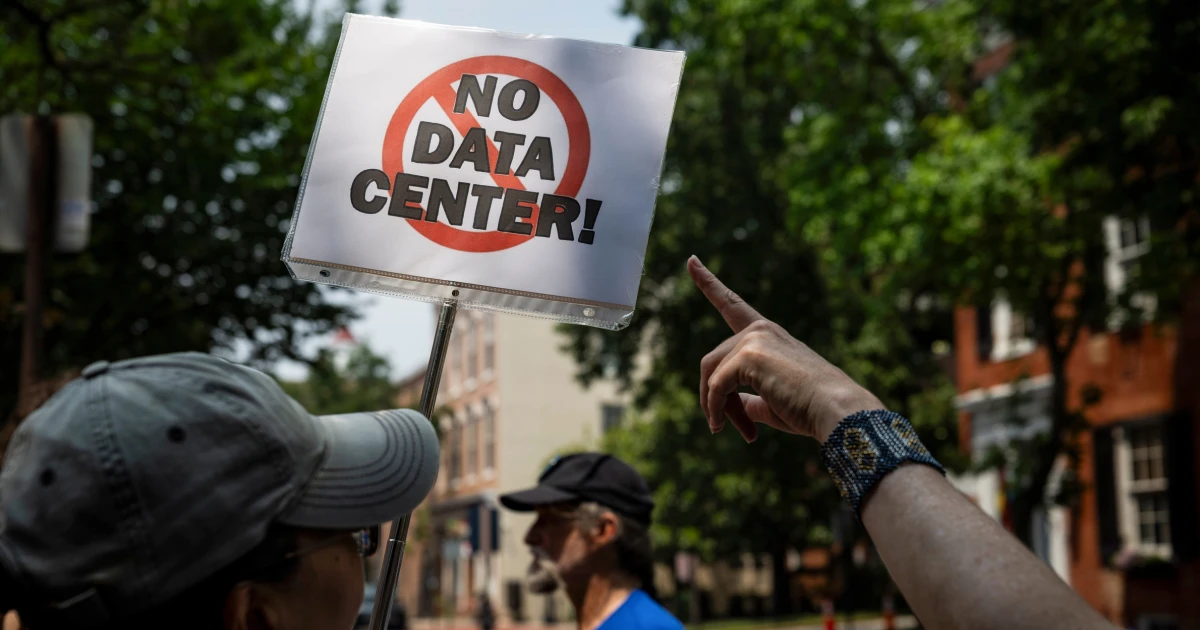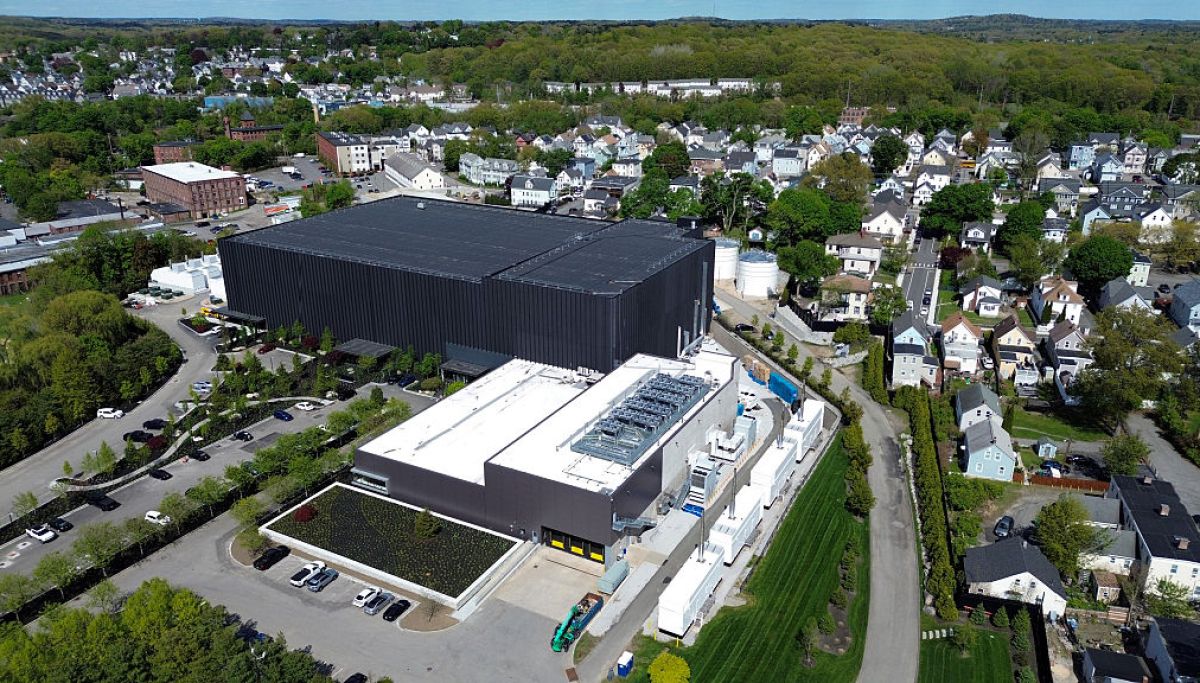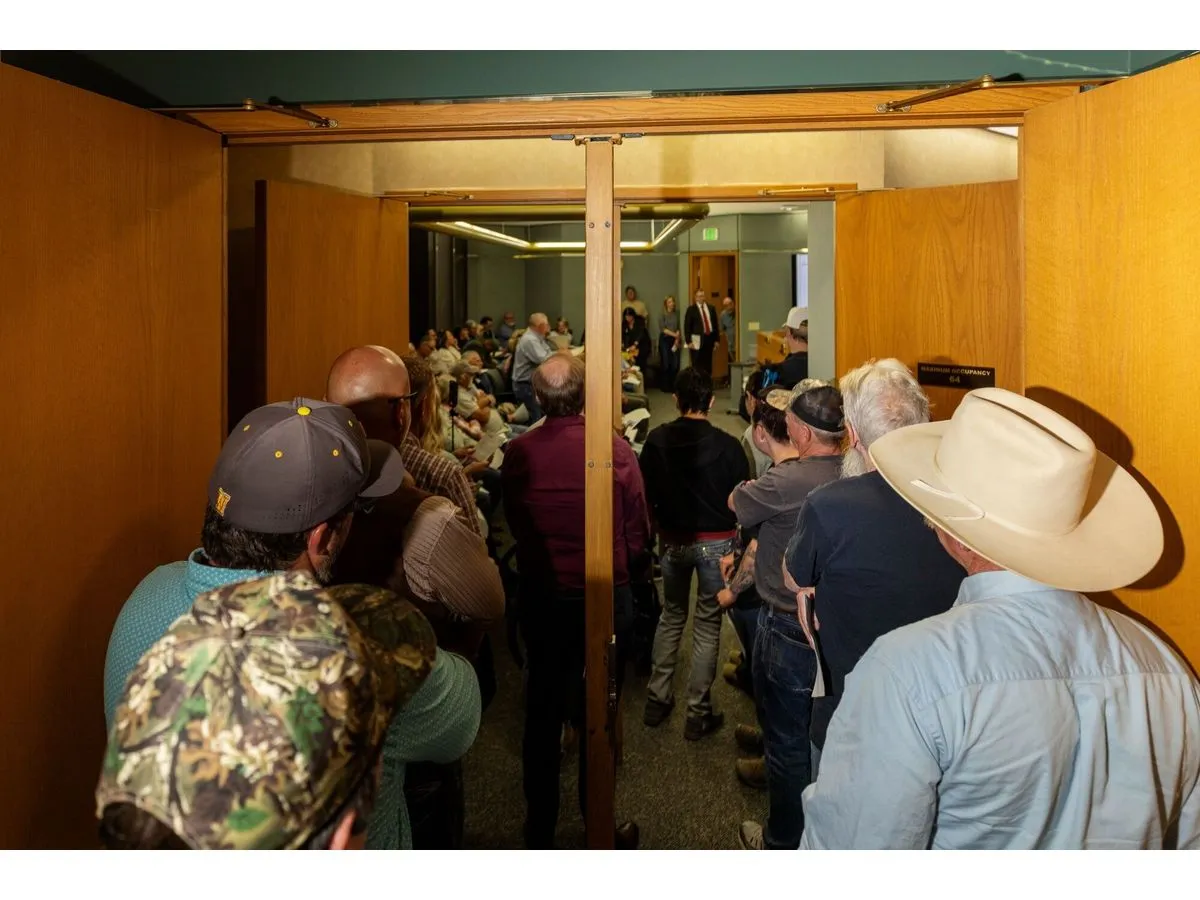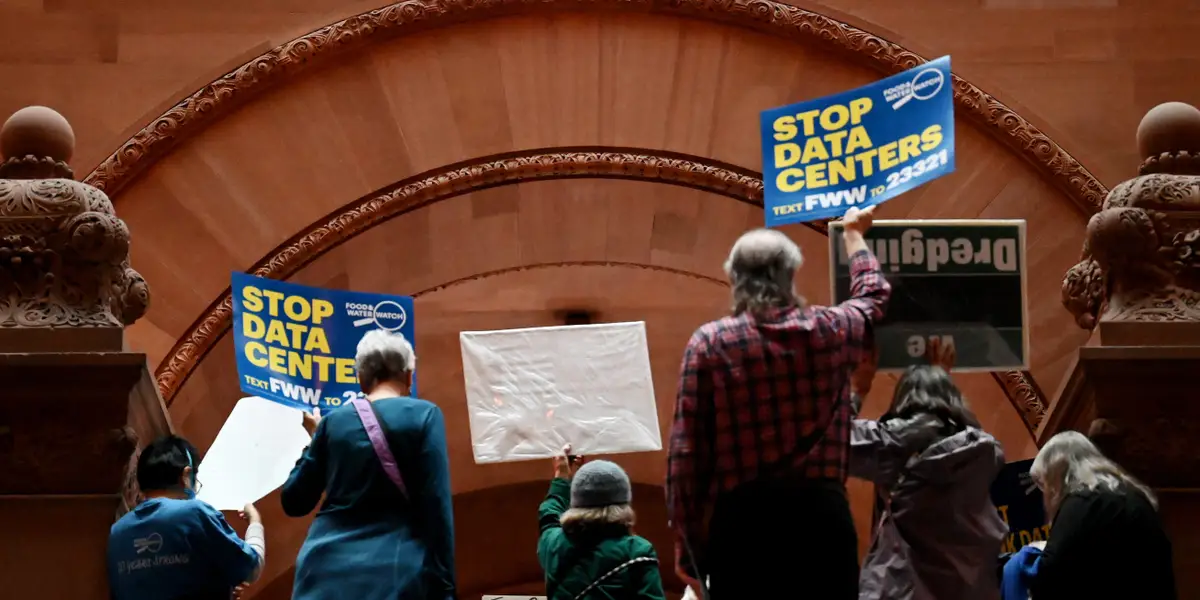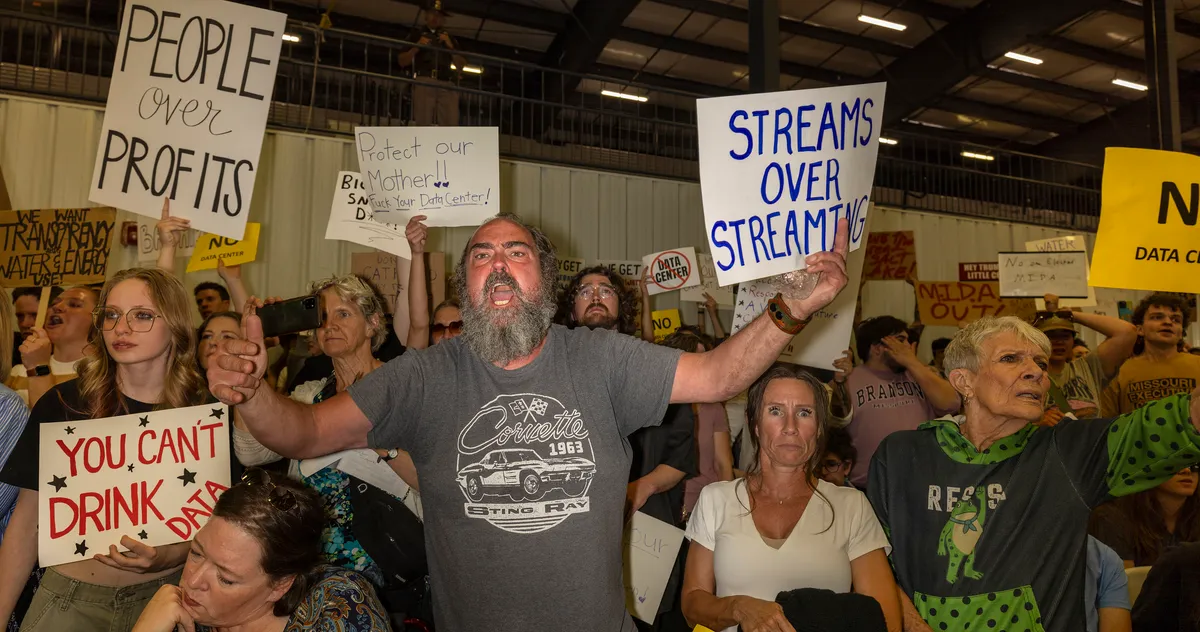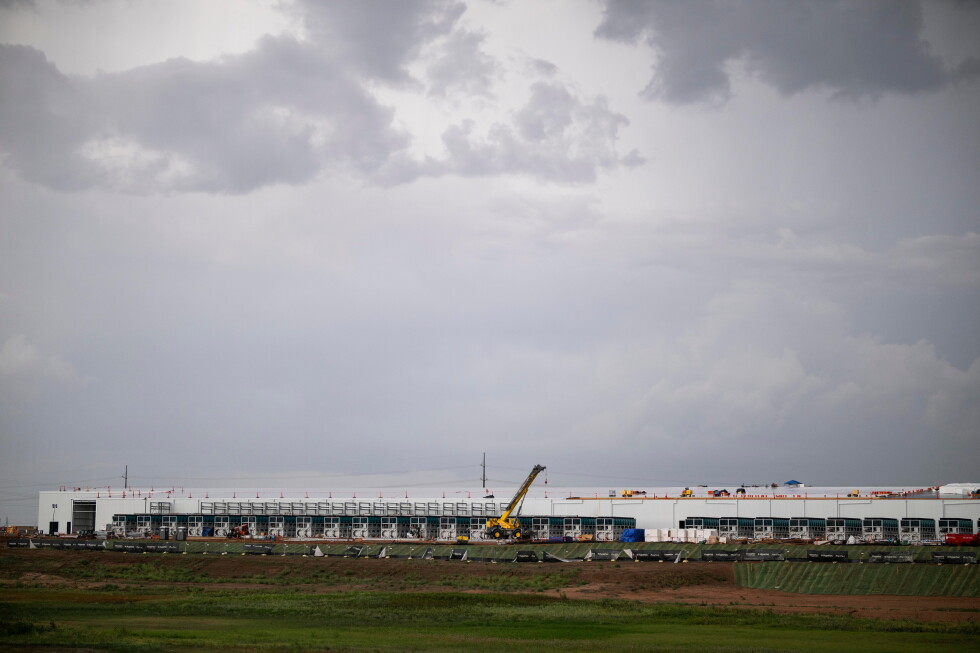
Republicans are increasingly aware that data centers pose a political risk for the party heading into the 2026 midterm elections, with GOP officials urging candidates to tailor their positions to local concerns over electricity costs, water use, and development.“It could become a problem if it’s not navigated properly,” one Republican official told the Washington Examiner as data centers are increasingly being held responsible for the rising cost of utilities.The concern is already showing up in Republican campaign strategy. In a memo to artificial intelligence companies last week, the National Republican Senatorial Committee warned that voters have soured on data centers and argued Republicans are on stronger political ground when they support local approval and require developers to pay for their own power, water, and infrastructure.
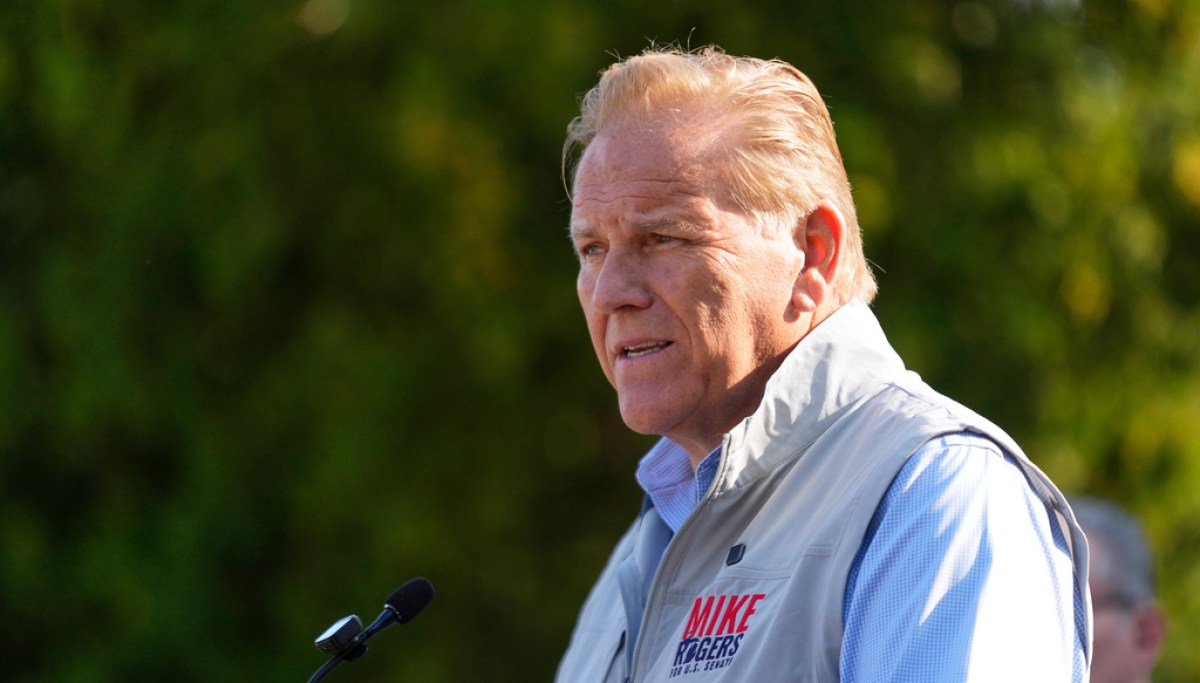
“By overwhelming margins, the American people prefer a Republican candidate who wants to only let data centers be built in communities that approve them by a local vote of the people, and that pay for their own power, water, and other utilities versus a Democrat candidate who wants to stop data center construction altogether, which will cause America to lose the AI race to China,” the NRSC wrote, while also urging data center developers to spend money and fix their toxic brand.The localization of the issue is already evident in several high-profile races across the country. Republican Michigan Senate nominee Mike Rogers, who is locked in a tight race with Democrat Abdul el Sayed, has publicly supported a one-year moratorium on the construction of new data centers in his state.In Texas, Republican Senate candidate Ken Paxton has endorsed Gov. Greg Abbott’s (R-TX) decision to pause approvals for new data center projects seeking access to the state’s power grid until an audit is completed. Abbott has also issued directives to prevent data centers from using water needed by local communities or power required to operate the state’s electric grid. The governor also wants data center companies to commit to reducing electricity costs and to avoid disrupting neighborhoods, particularly rural communities.Republicans point to Paxton as a good example of how candidates can be responsive to their state or congressional district’s needs as opposed to repeating committee talking points.