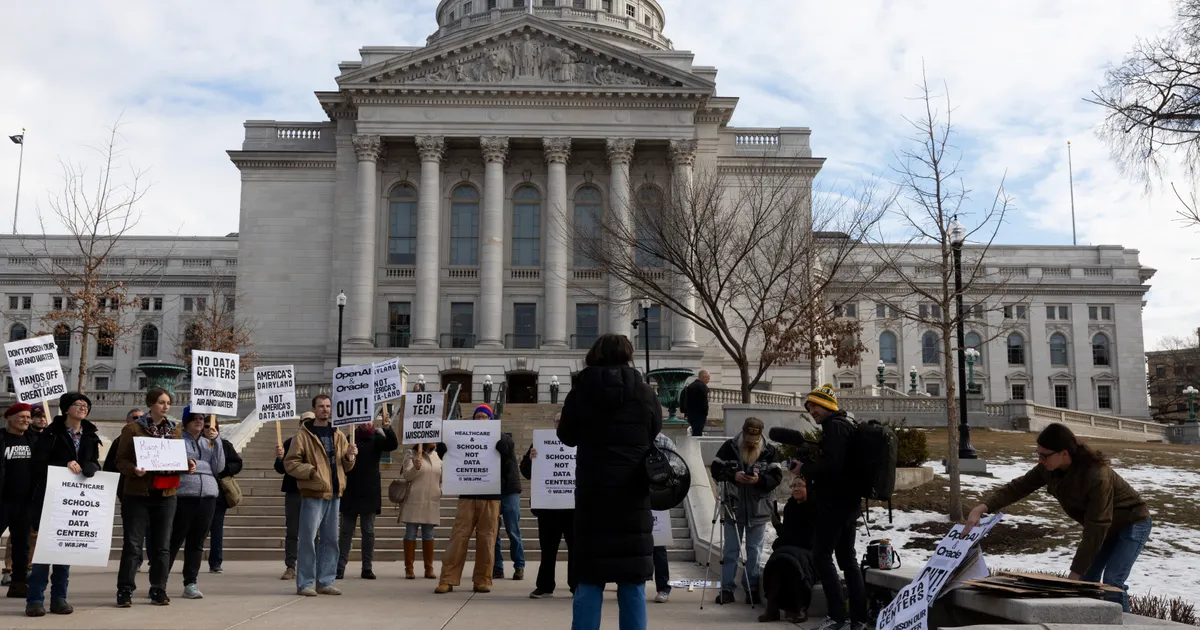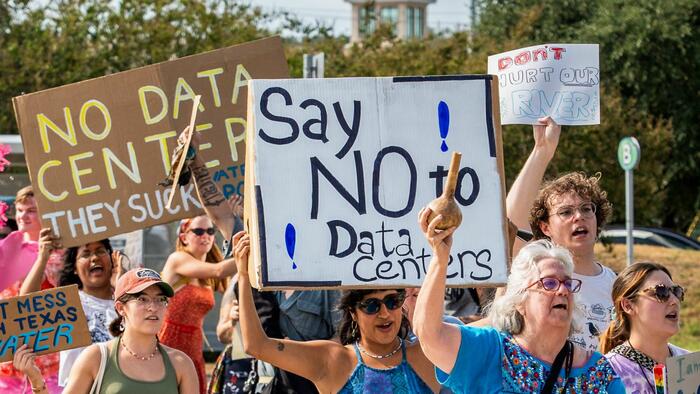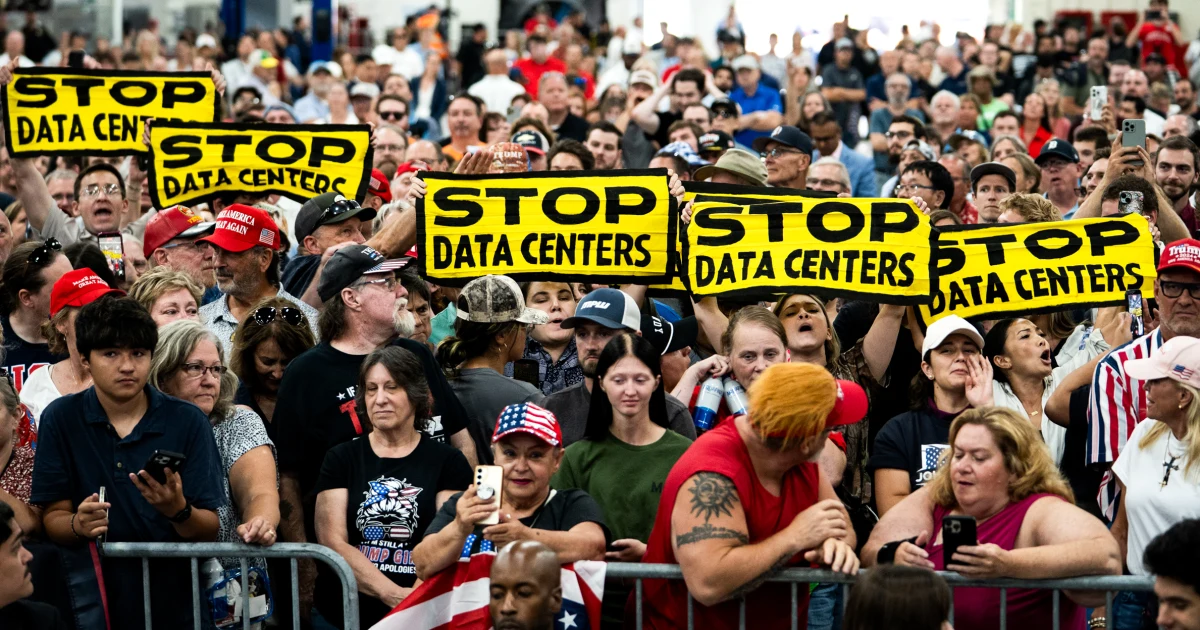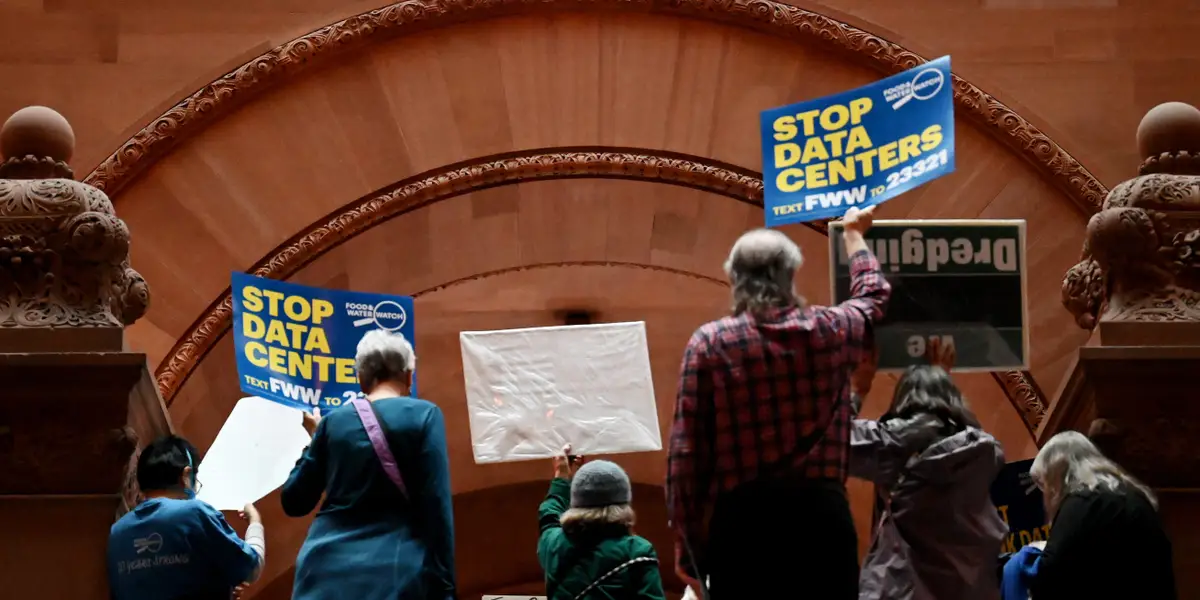
Data center proposals have spurred scores of bills in state legislatures and ballot measure campaigns to ban their construction.
Will Waldron/Albany Times Union via Getty Images
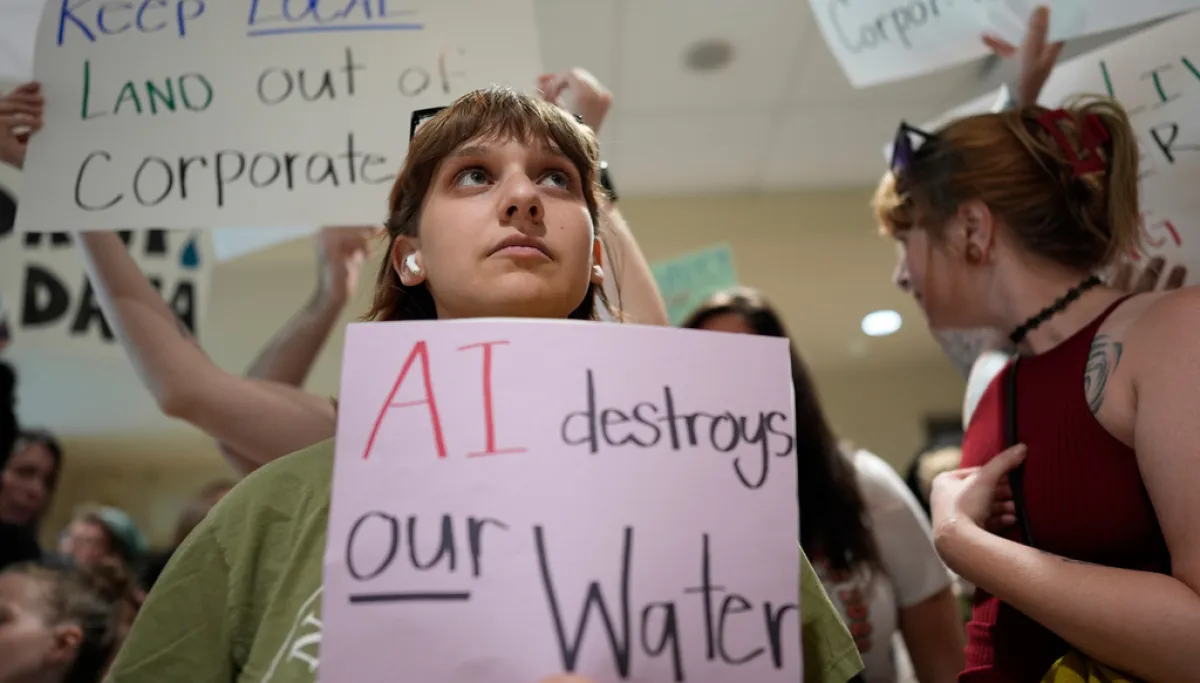
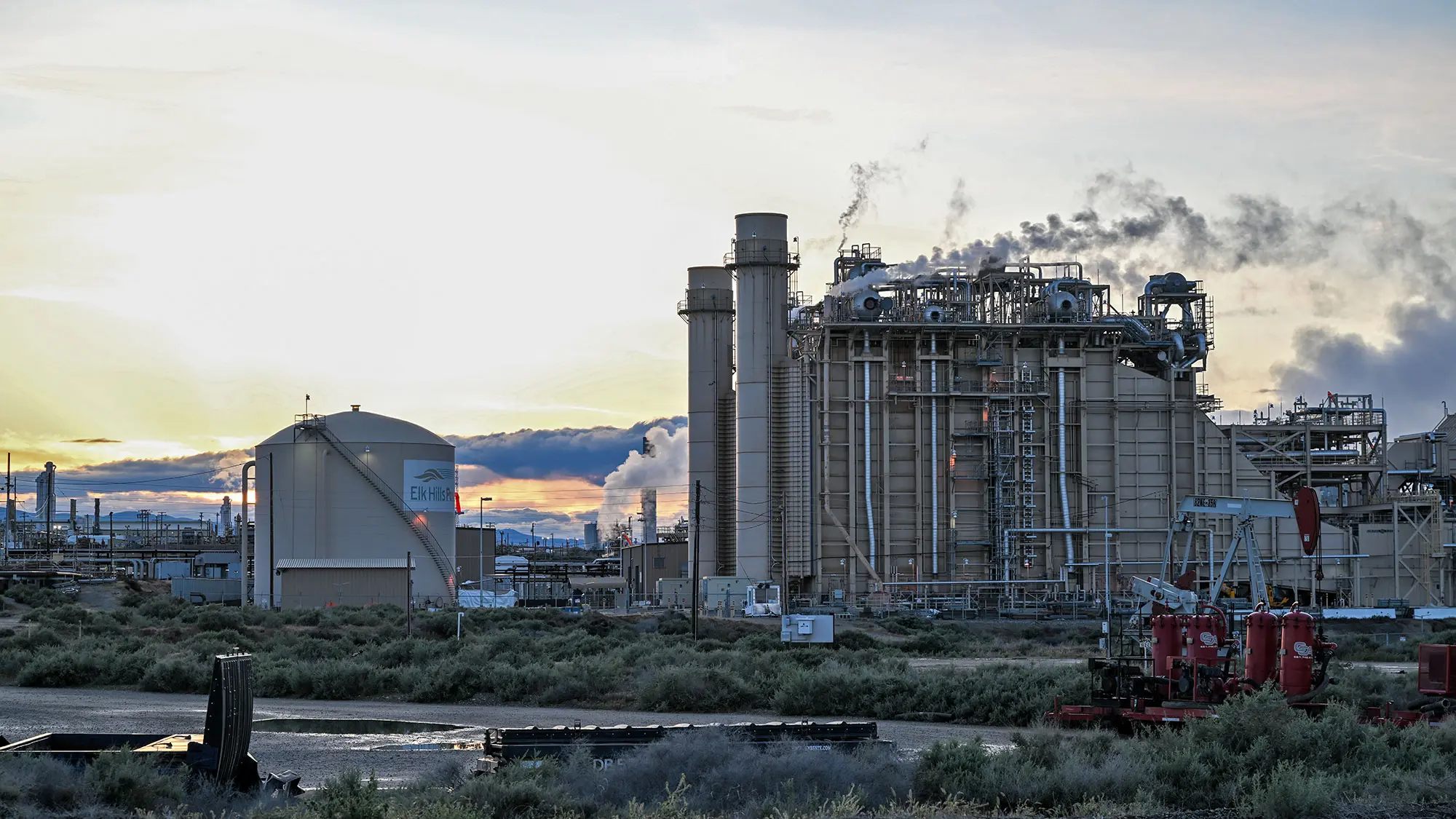
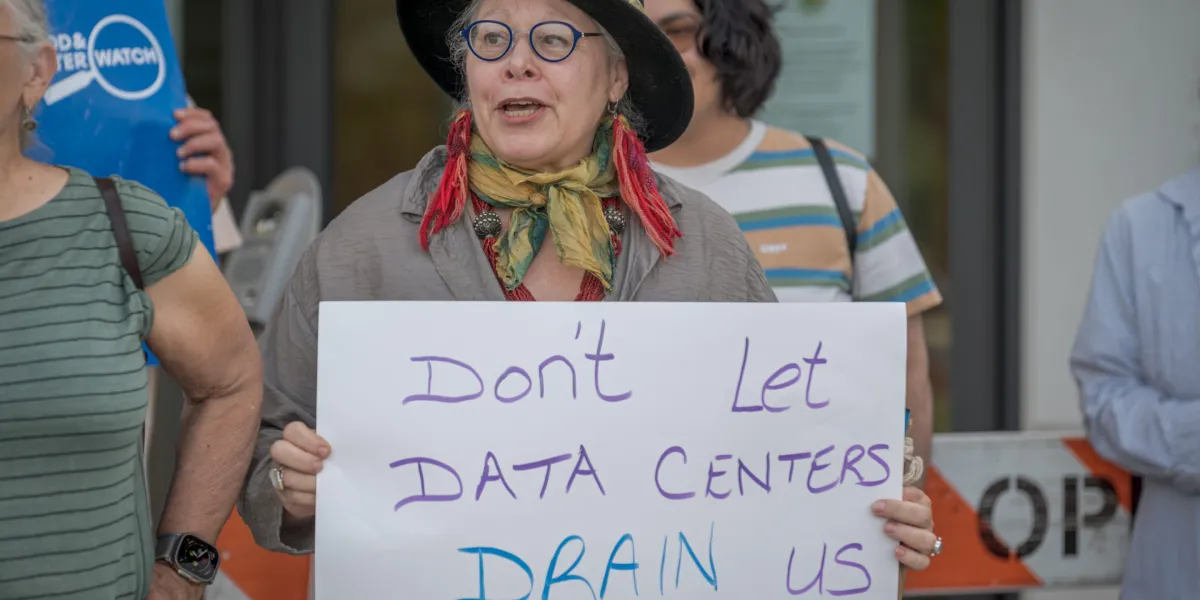
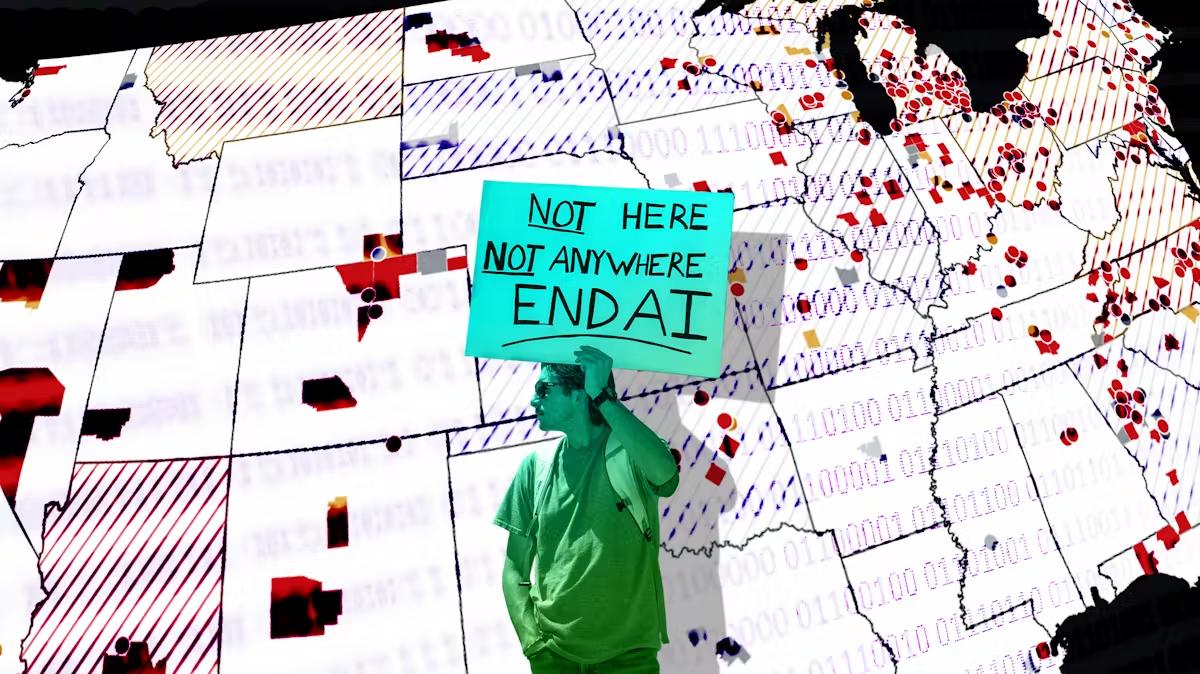
More than 200 data centers are going up in dozens of competitive House districts — and neither party knows how to handle their political fallout heading into the midterms.The energy-hungry computing infrastructure being built to meet the explosive demand for artificial intelligence has sparked opposition to rising electric bills, water consumption, use of farmland and influence of the tech industry. That stew of frustration has made data centers the target of campaign ads and a populist fervor that's toppled local elected leaders.It has also become a rogue element in the races that will decide which party controls the House: The majority of competitive districts — 40 out of 69 — have data centers either planned or under construction, according to an analysis of Data Center Map data by POLITICO, which like Business Insider, is part of the Axel Springer Global Reporters Network.Even though Republicans represent most of those competitive districts, data centers are shaping up to be a yearslong political slog for both parties. Some 1,500 of them are planned or being built in 232 congressional districts, with a nearly even partisan split. Interviews with and statements from more than 20 congressional candidates, political strategists, and activists make clear that while individual campaigns are trying to shape their positions, broader party messaging is essentially nonexistent."There's more political signs against AI in our region than for candidates in the upcoming races," said Democratic Rep. Marcy Kaptur during a hearing this spring. Kaptur is fighting to keep her seat in Ohio's 9th District, where Aligned Data Centers is building a data center that would be used for AI, cloud computing and more. "The public opposition that is arising, it's spontaneous combustion coming up from the grassroots."The industry's exponential growth means that lawmakers from all parts of the country are now exposed to it, from the dense data center developments in the Virginia suburbs to the heart of the industrial Midwest.