This coverage is made possible through a partnership between Grist and Verite News, a nonprofit news organization with a mission to produce in-depth journalism in underserved communities in the New Orleans area.
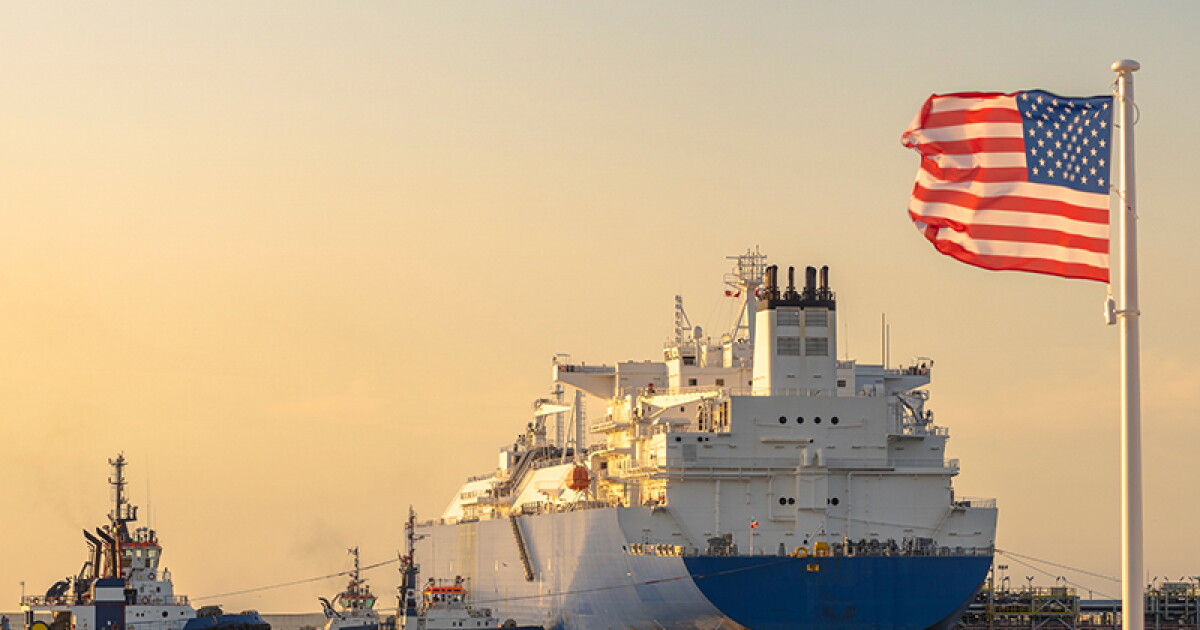
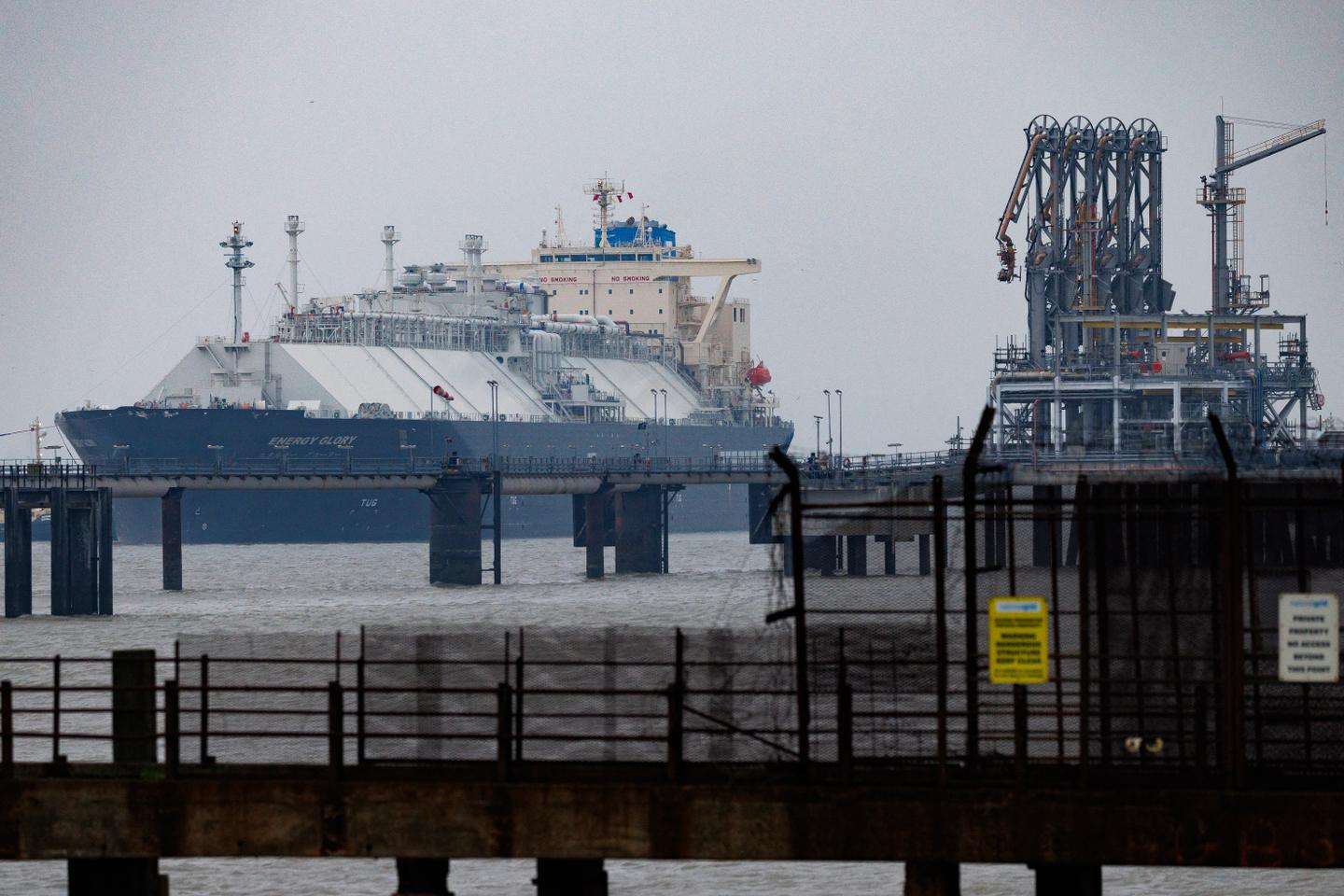
Less than two years after opening, a liquefied natural gas terminal near New Orleans is seeking a multi-billion-dollar expansion under the Trump administration’s new “emergency” permitting process that cuts regulatory review and could put nearby wetlands and waterways at greater risk.
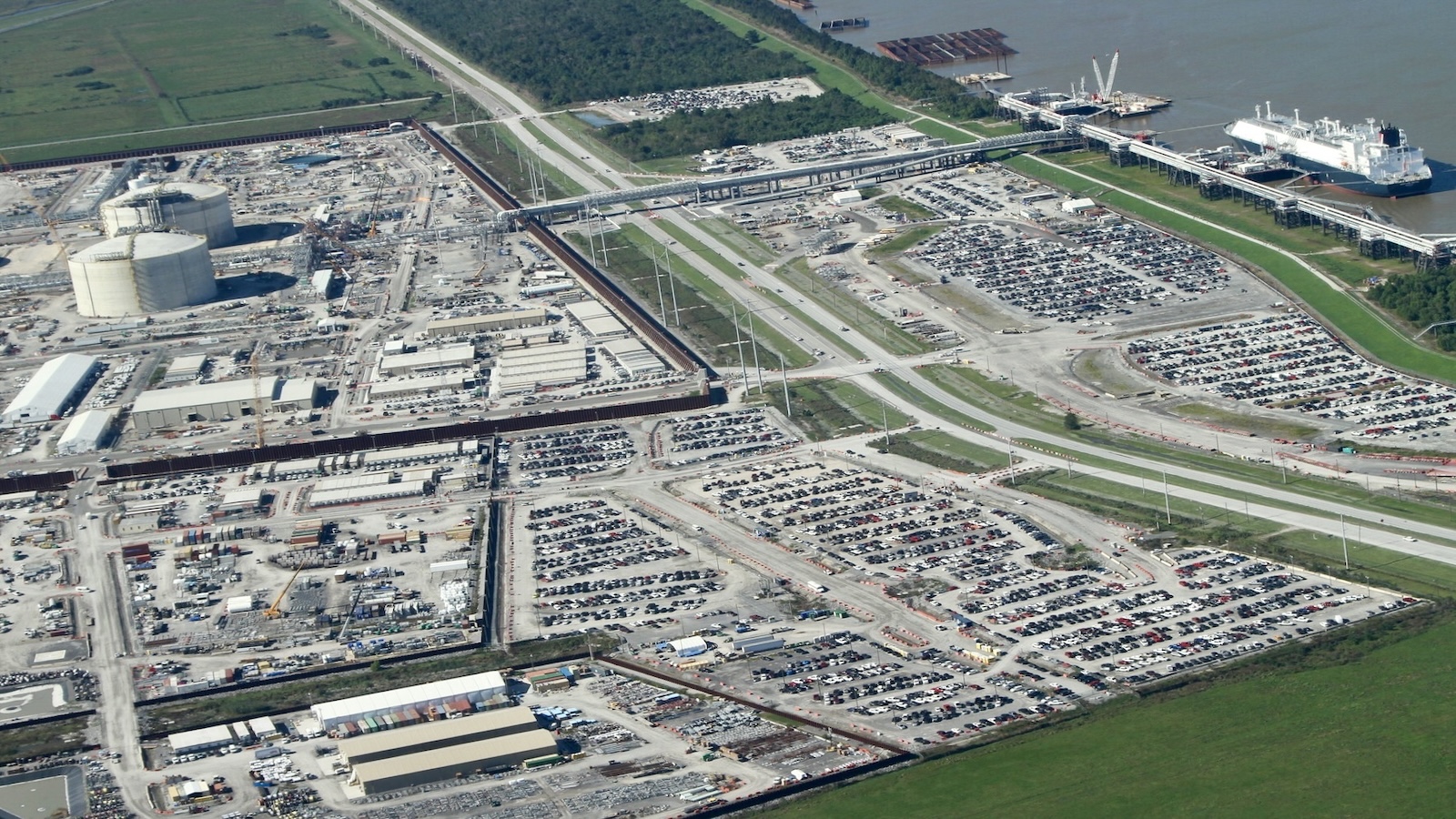
Earlier this summer, the U.S. Army Corps of Engineers granted Plaquemines LNG fast-tracked permitting under a “national energy emergency” that President Donald Trump declared last year. The agency cut the public comment period from the typical 30 days to 10, and is expected to move quickly to approve the expansion, a step which would allow the terminal to more than double in size, growing from nearly 590 acres along the Mississippi River to about 1,220.
That would make the facility the largest LNG export terminal in North America, according to its owner, Virginia-based Venture Global.
Environmentalists warn that the expedited review will mean less scrutiny of dredging, in-water construction, and the filling of marshlands in a region rapidly losing land. By the Army Corps’ estimates, Venture Global’s $18 billion expansion could damage up to 470 acres of wetlands and river bottoms in central Plaquemines Parish, about 25 miles south of New Orleans.