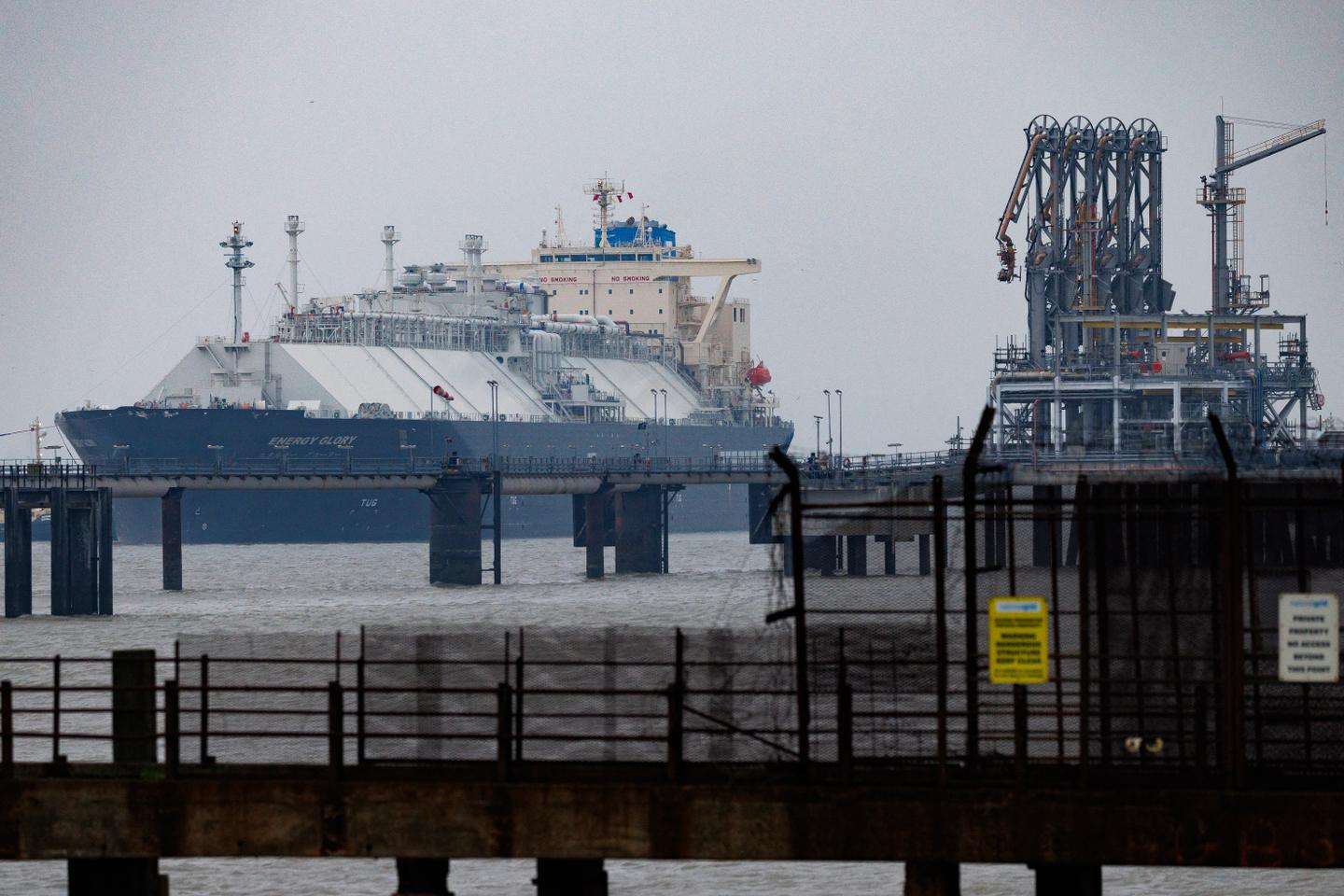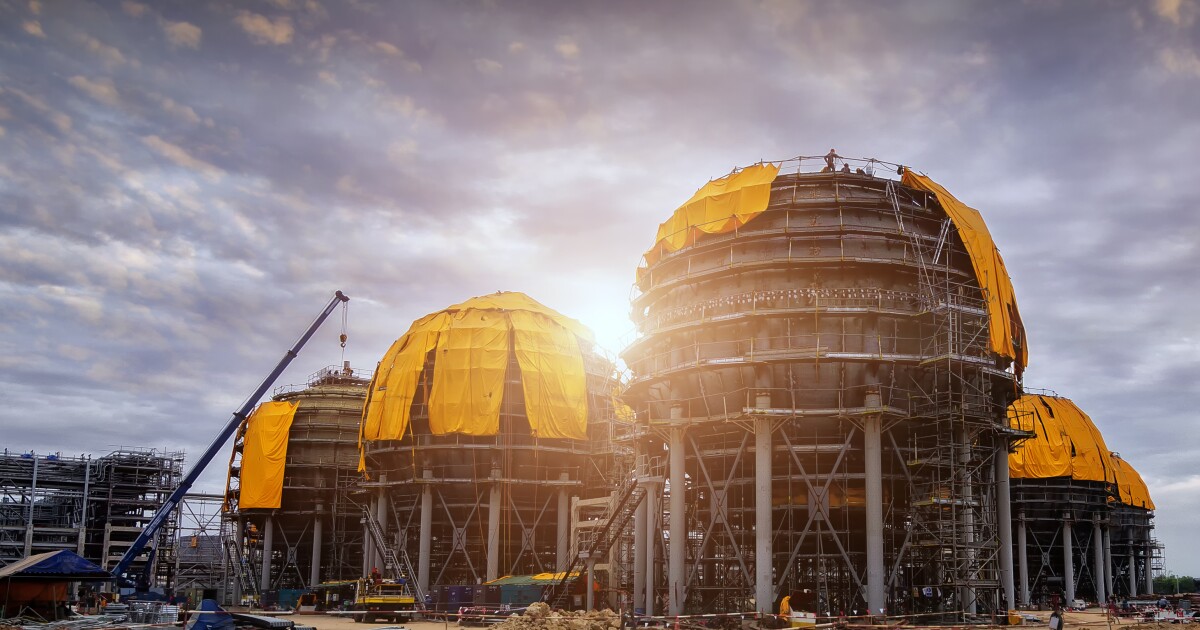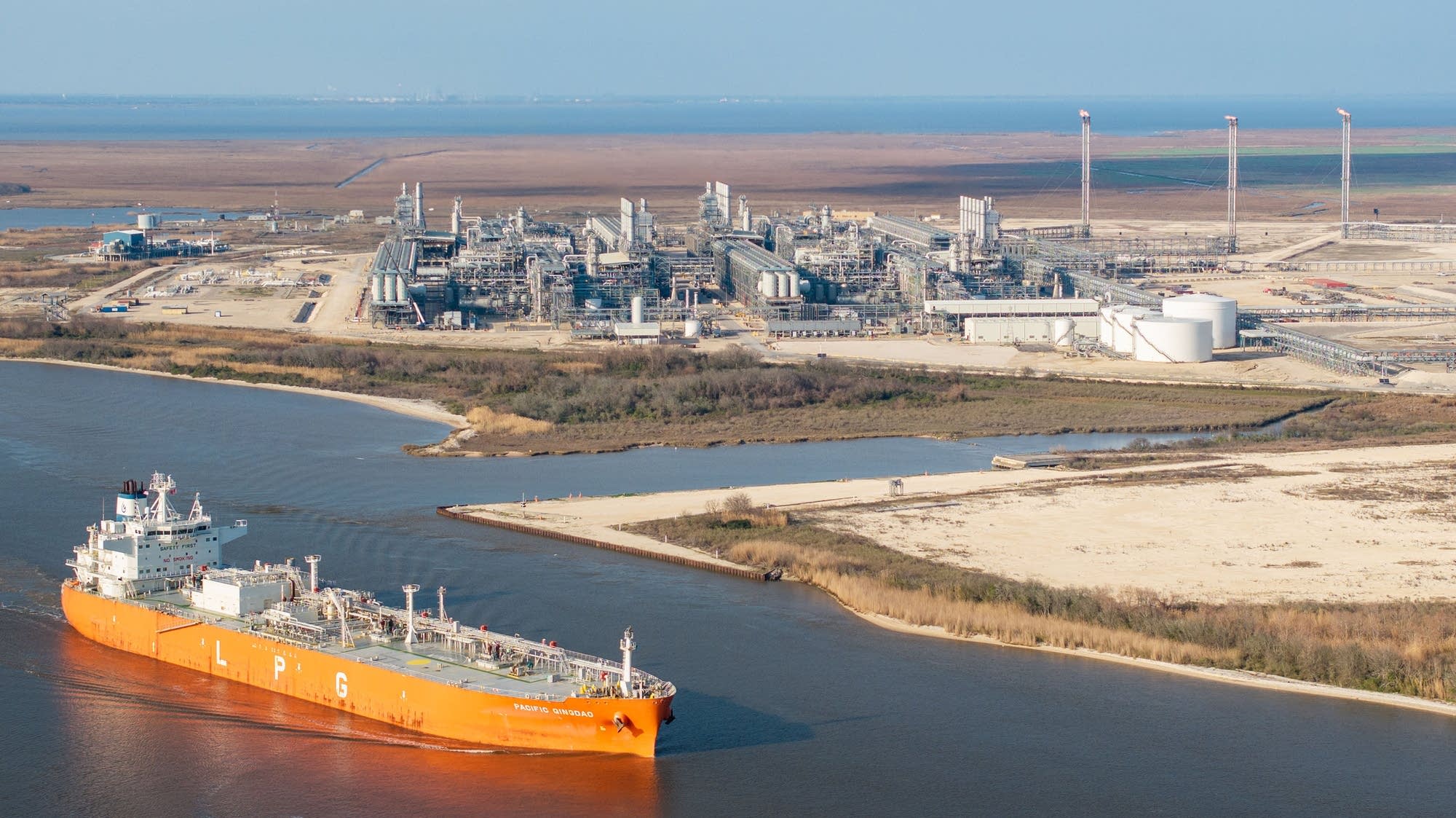
Less than two years after opening, a liquefied natural gas terminal near New Orleans is seeking a multi-billion-dollar expansion under a new Trump administration “emergency” permitting process that shortens environmental review and may weaken protections for surrounding wetlands and waterways.The U.S. Army Corps of Engineers granted Plaquemines LNG, on the Mississippi River between Myrtle Grove and Port Sulphur, fast-tracked permitting under a “ national energy emergency ” President Donald Trump declared last year.The agency cut the public comment period from the typical 30 days to just 10, ending July 2, and is expected to move quickly to approve the expansion, which would allow the terminal to more than double in size, growing from nearly 590 acres to about 1,220. That would make the facility the largest LNG export terminal in North America, according to its owner, Virginia-based Venture Global.
Environmentalists warn that the terminal’s expedited review could reduce scrutiny of dredging, in-water construction, and the filling of marshlands in a region suffering from rapid land loss. By the Army Corps’ estimates, the $18 billion expansion could damage up to 470 acres of wetlands and water bottoms in central Plaquemines Parish, about 25 miles south of New Orleans. “Louisiana is already dealing with a coastal crisis,” said Matt Rota, a senior policy director with Healthy Gulf, a New Orleans-based environmental group. “Destroying 400 more acres in Plaquemines Parish is ridiculous. I don’t know how many acres they have left, but it’s not that much.”