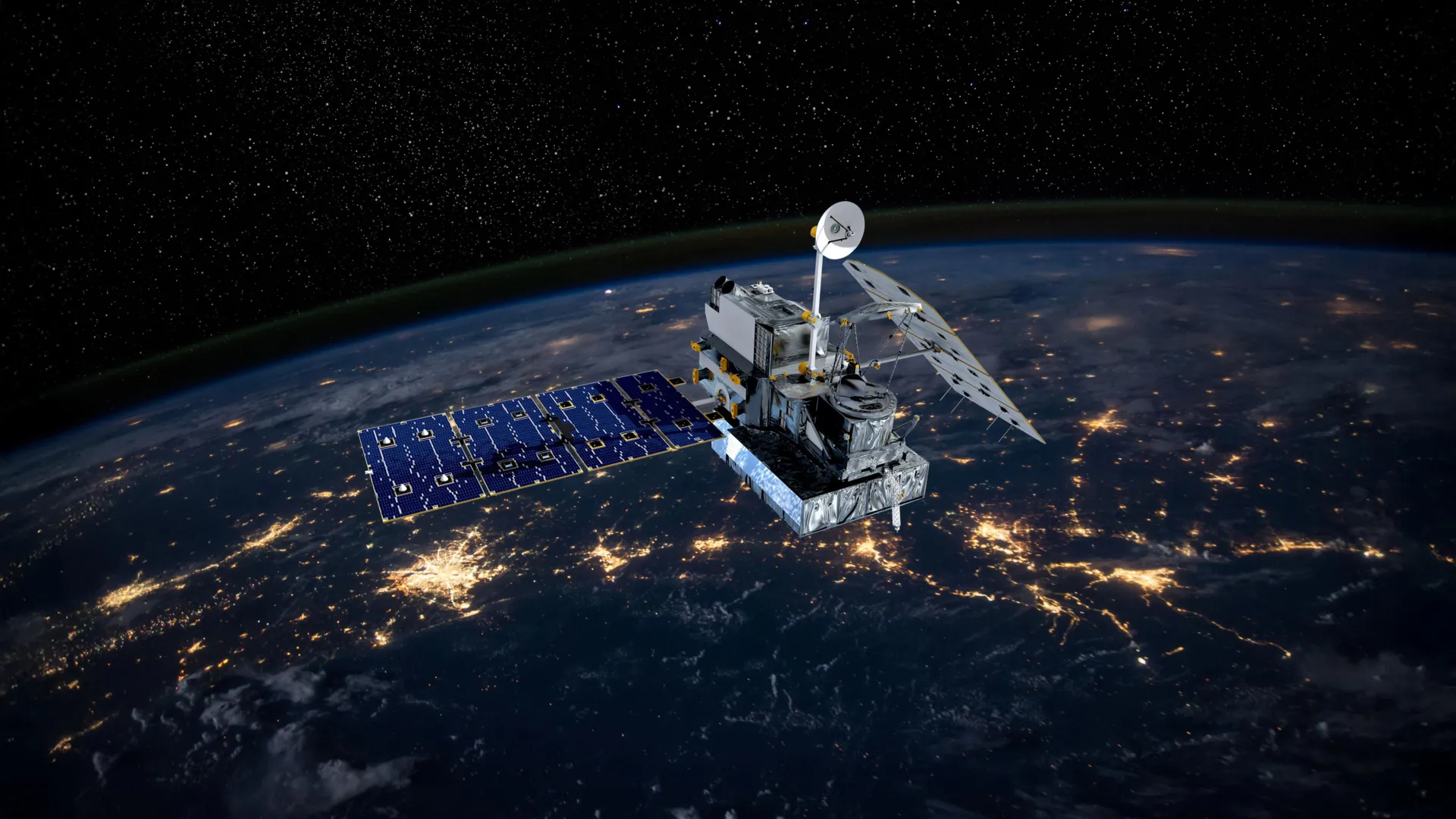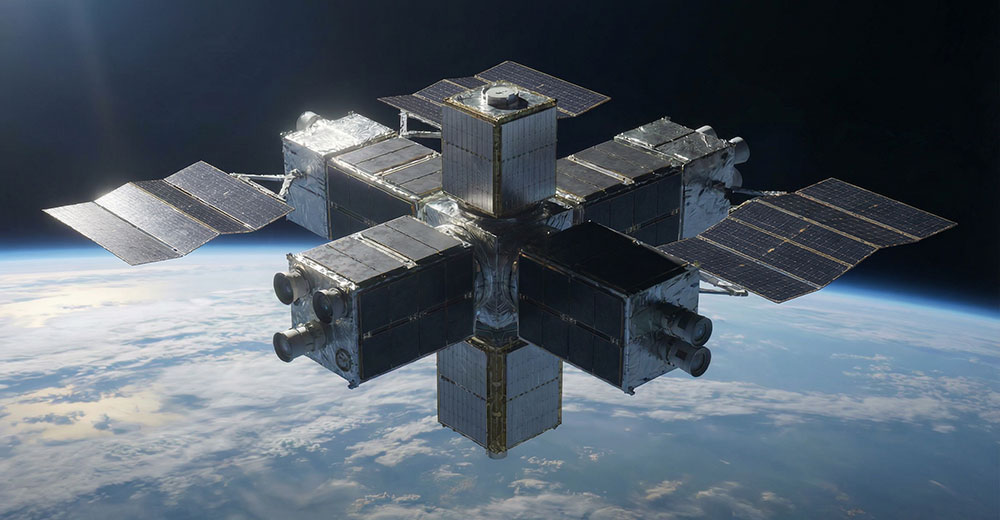
As artificial intelligence devours more land and electricity, a new breed of tech companies promises that outer space holds the solutions to our problems on Earth. If data centers are so hard to find a place for down here, why not put them hundreds of miles above the planet instead? Since power demand surges in the evening, why not send tens of thousands of mirrors into orbit to shine sunlight down on demand, powering solar farms after sunset?
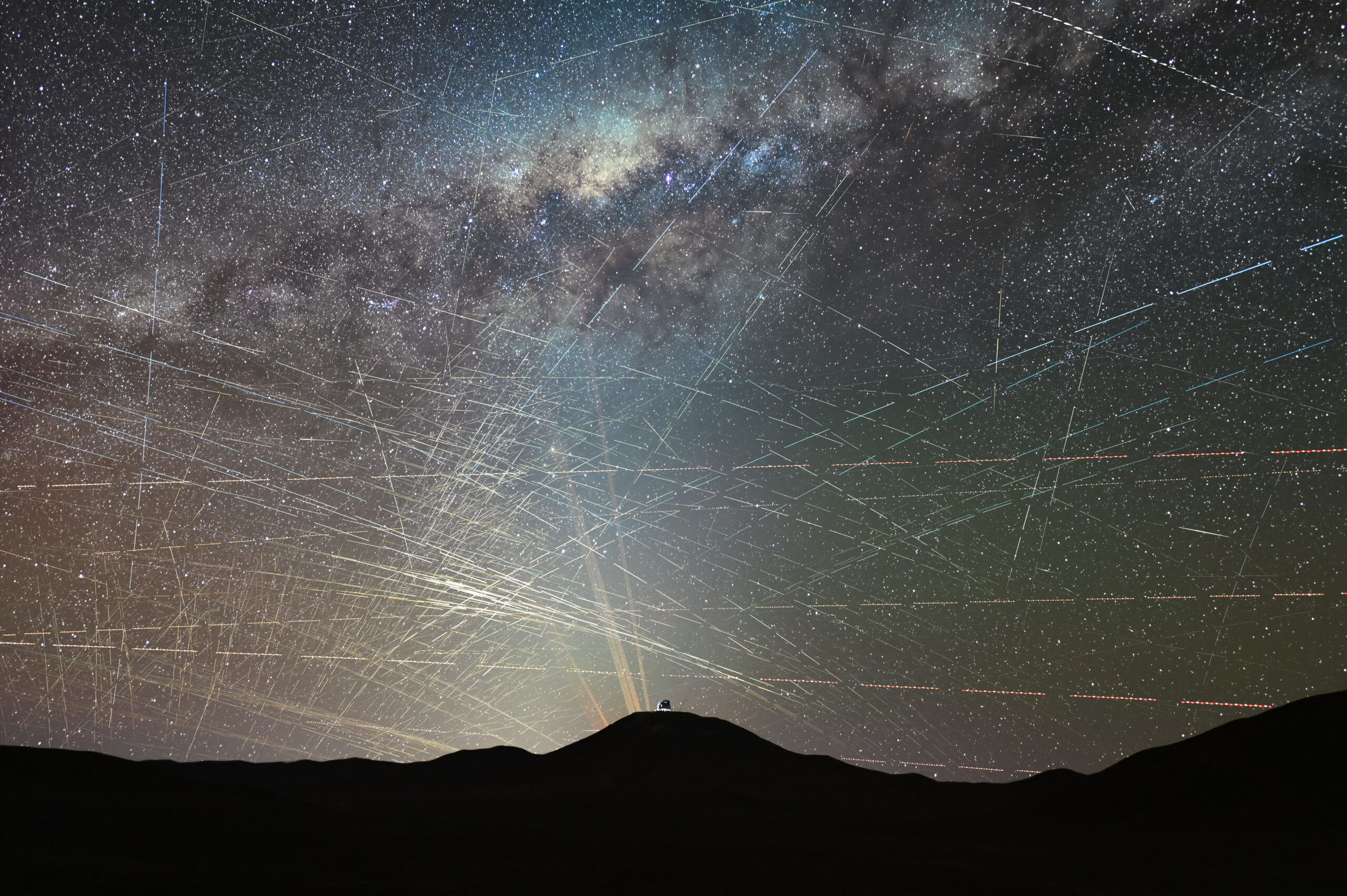
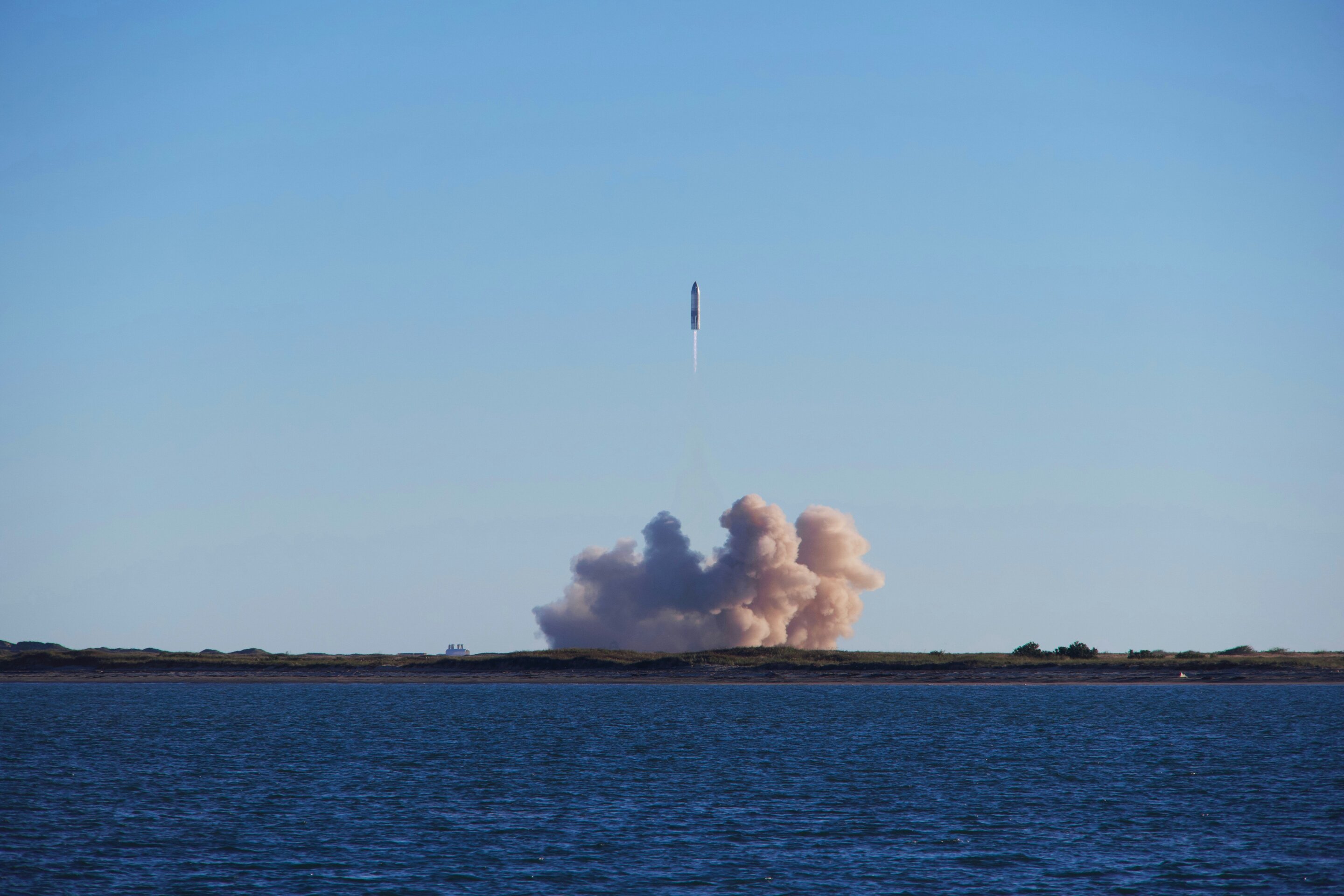
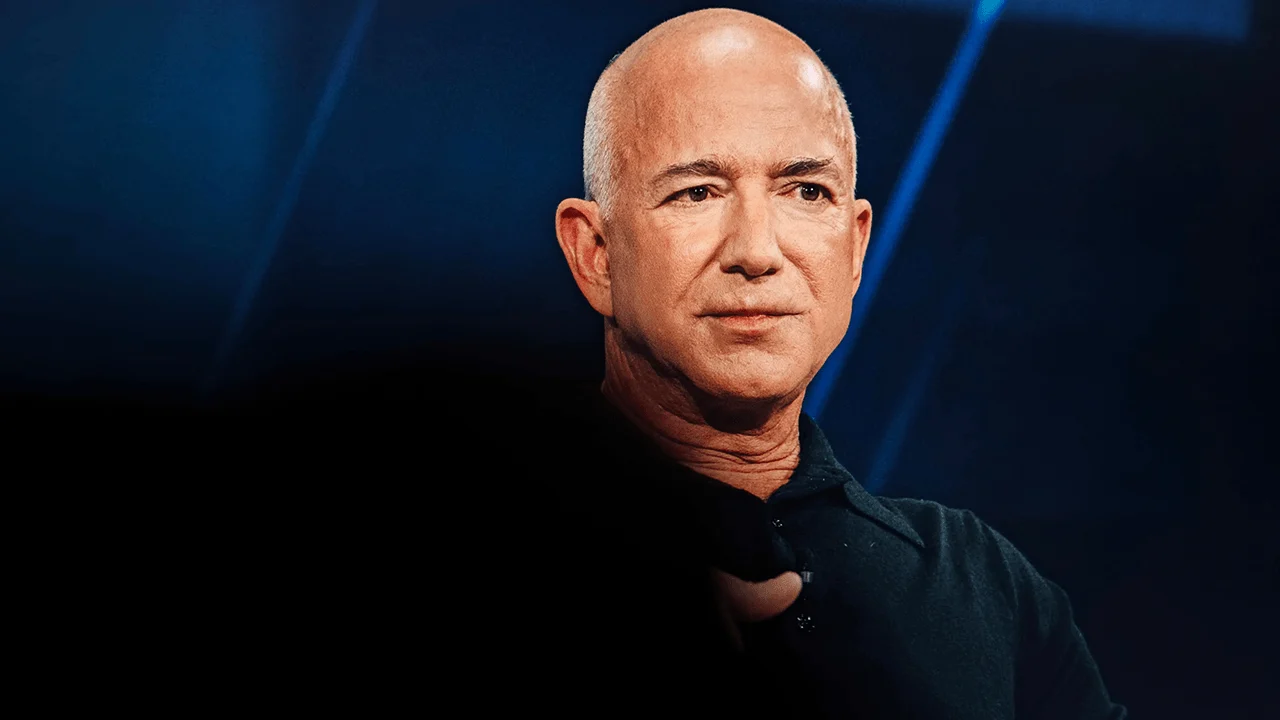
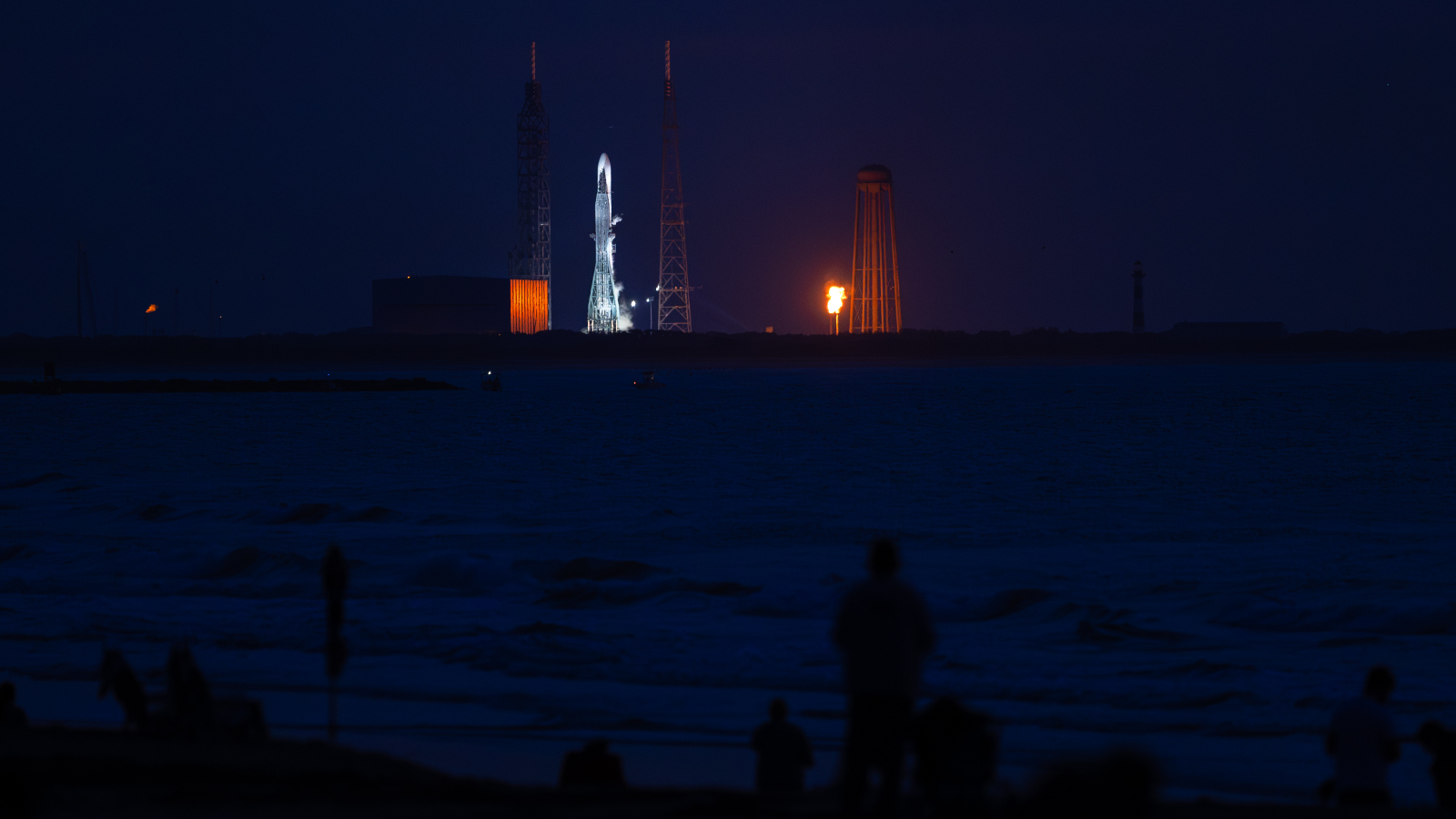
These ideas might sound far-fetched, but they are real proposals from Elon Musk, Jeff Bezos, and start-ups in the space industry. As private industry drives the new “space race”, now launching more rockets than countries do, even the cosmos is starting to feel a bit crowded. A growing amount of so-called “space junk” has led to concerns that all the metal could collide, creating a destructive layer of debris that anything launching into orbit would have to contend with. Earlier this month, part of a discarded SpaceX rocket unintentionally slammed into the moon at 5,400 miles per hour, blasting a new crater.
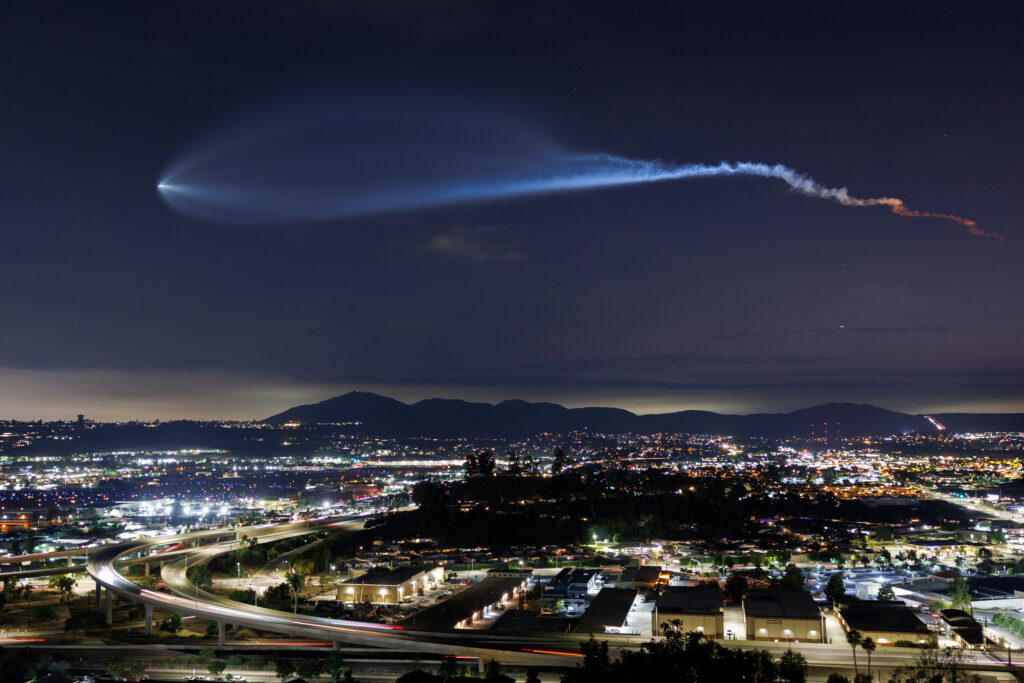
As Musk’s SpaceX, Bezos’ Blue Origin, and other companies expand into space, they risk causing more problems for Earth in the process: air pollution, climate effects, and light pollution. The practice of downplaying these negative consequences while trumpeting the message that space operations can make life better on Earth has a new name: “starwashing,” a term the space researcher Melissa E. Yingling helped popularize in an article published in The Conversation earlier this month.