The US needs China’s cooperation for its “Operation Economic Outcast” to hurt Iran as intended, but explicitly pressuring Beijing with sanctions could derail next month’s talks
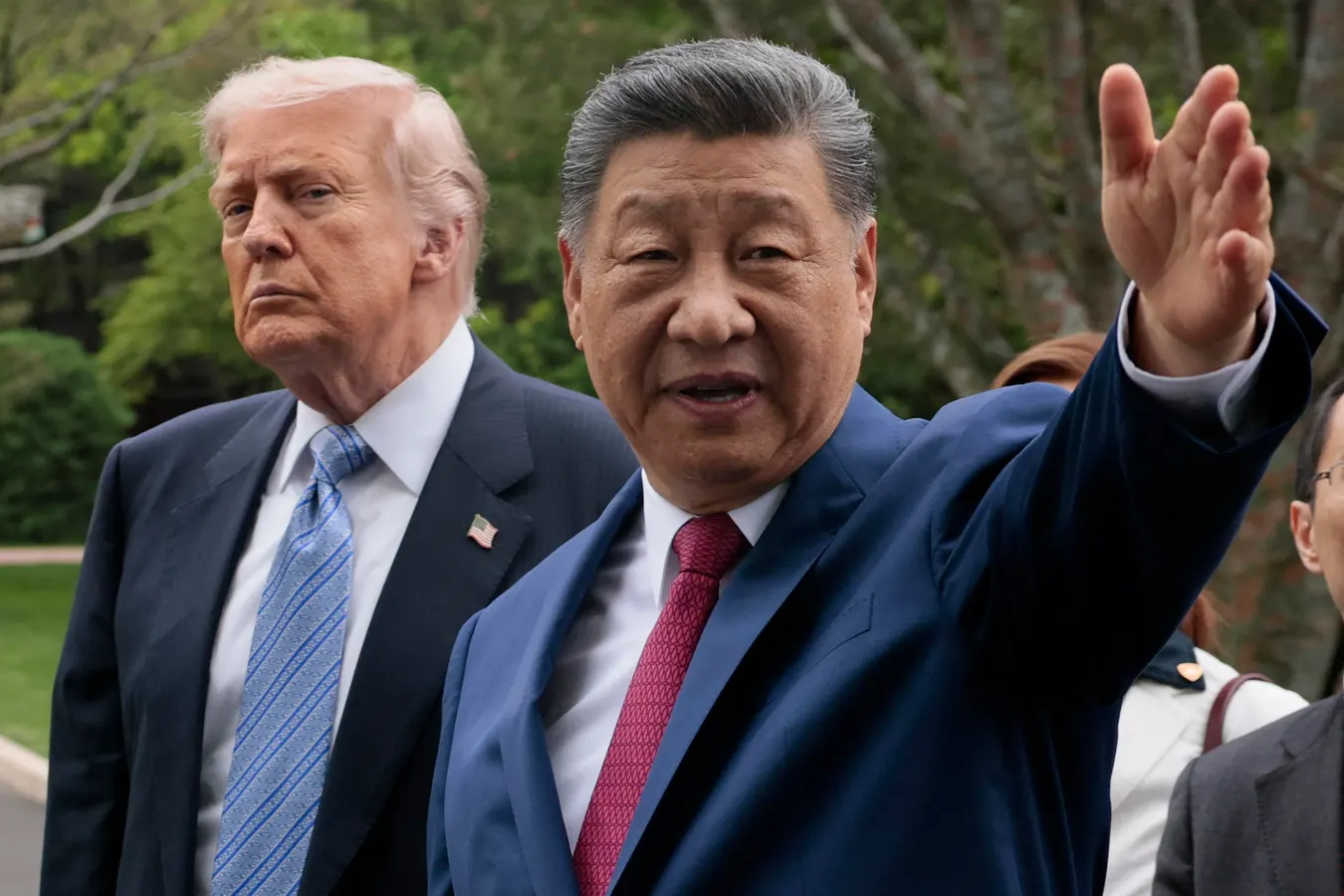
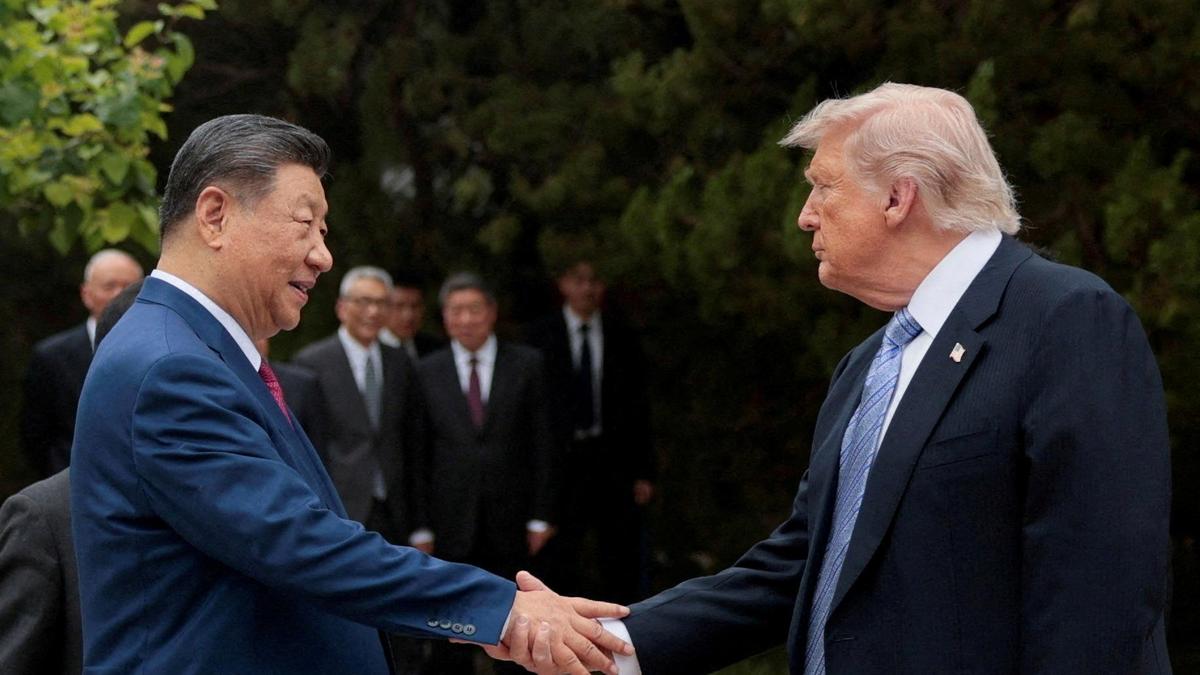
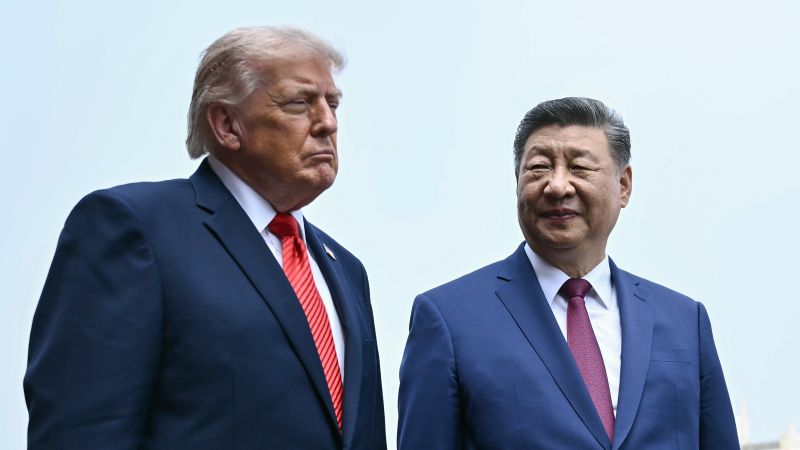
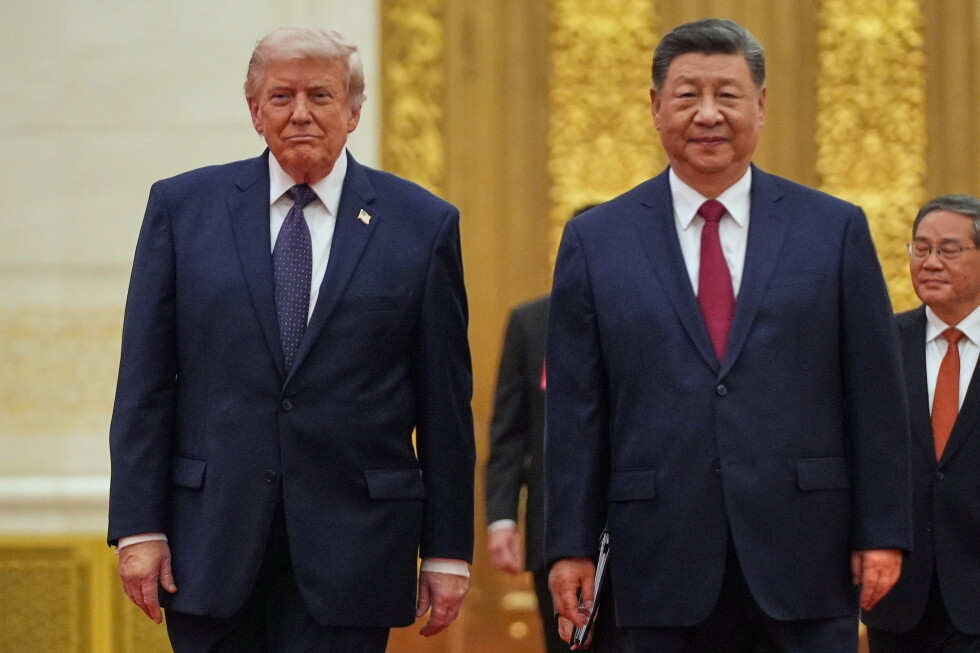
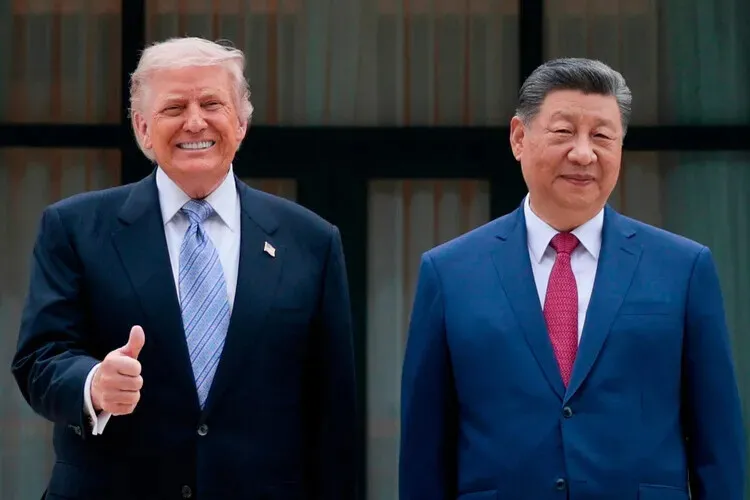
US President Donald Trump stands for a photo with Chinese President Xi Jinping in Zhongnanhai, Beijing, on May 15, 2026. (AP/Yonhap)
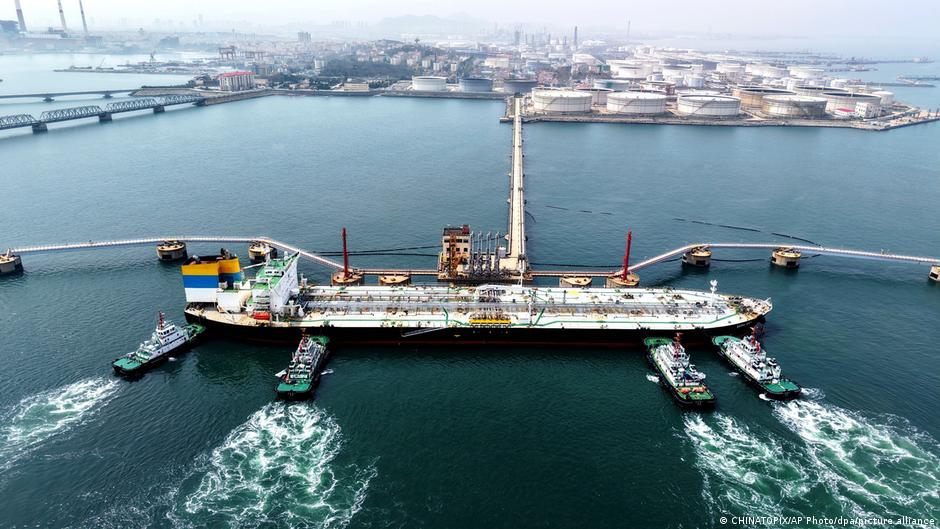
China was quick to voice opposition to new US sanctions targeting Iran, putting Washington in a bind, as tightening pressure on Beijing — which buys an estimated 80%-90% of Iranian oil — could undermine efforts to stabilize US-China relations.Economic sanctions on Iran are now fast becoming a potentially dangerous trigger for US-China relations.On Tuesday, Beijing objected to Washington’s efforts to sever Iran’s economic lifelines as laid out by US Treasury Secretary Scott Bessent earlier that day. “China has made clear on many occasions its firm opposition to illicit unilateral sanctions that have no basis in international law or the authorization of the UN Security Council,” Chinese Foreign Ministry spokesperson Lin Jian stated during a regular press conference that day. “Economic warfare and maximum pressure provide no solution,” the spokesperson said. “China will do everything necessary to firmly safeguard its rights and interests.” On Monday, a day before the US announced its “Operation Economic Outcast” targeting Iran, the Chinese Foreign Ministry revealed that Vice Foreign Minister Miao Deyu met Kazem Gharibabadi, his Iranian counterpart, in Beijing on Aug. 17, where they discussed tensions in the Middle East. This can be interpreted to mean that China is committed to its relationship with Iran. The US imposed sanctions on 60 individuals and entities that do business with Iran, but notably left Chinese financial institutions off the list. The move appears designed to pressure China into cooperation without provoking a broader confrontation. However, China’s stance so far suggests that securing Beijing’s cooperation will be an uphill battle. The US has to exert pressure on China through sanctions on its financial institutions, but doing so could come at a hefty cost. The two countries avoided a full-on trade war in 2025 by reaching a truce before tensions escalated further, but the economic conflict could flare up again if Washington intensifies sanctions against Beijing. The fact that China has no qualms using key critical minerals such as rare earths as leverage is a particular concern for the US. The US economic campaign against Iran could put the “constructive relationship of strategic stability” agreed upon by US President Donald Trump and Chinese President Xi Jinping to its first real test in a crisis. Whether the two countries will be able to keep tensions at a manageable level leading up to the summit between Trump and Xi next month will be key. Wang Zichen, deputy secretary-general at the Center for China and Globalization, said the two countries are likely to keep the Iran issue from overshadowing their broader relationship as long as US measures remain limited in scope and do not directly challenge China’s core interests.By Lee Jeong-yeon, Beijing correspondentPlease direct questions or comments to [english@hani.co.kr]