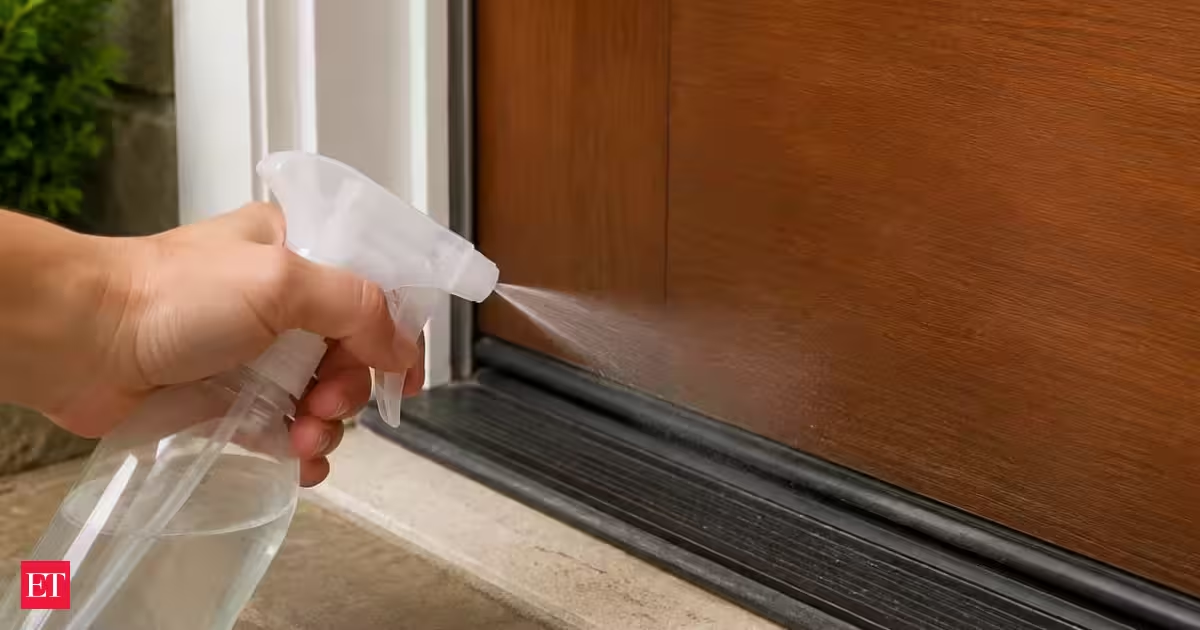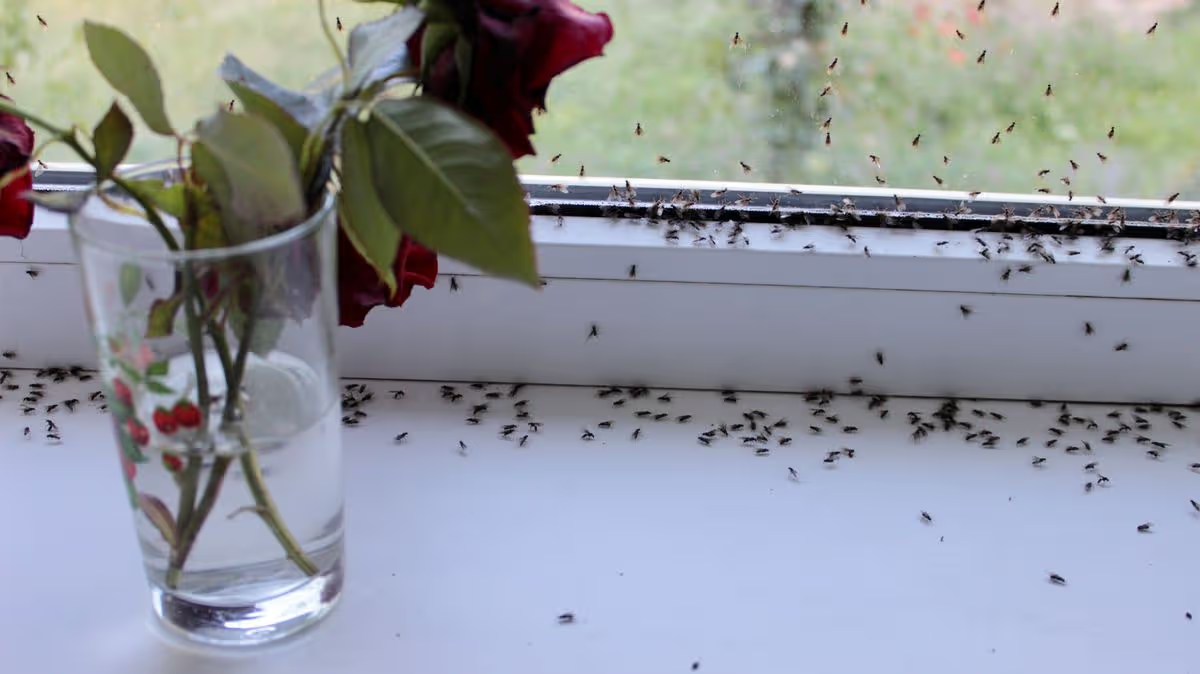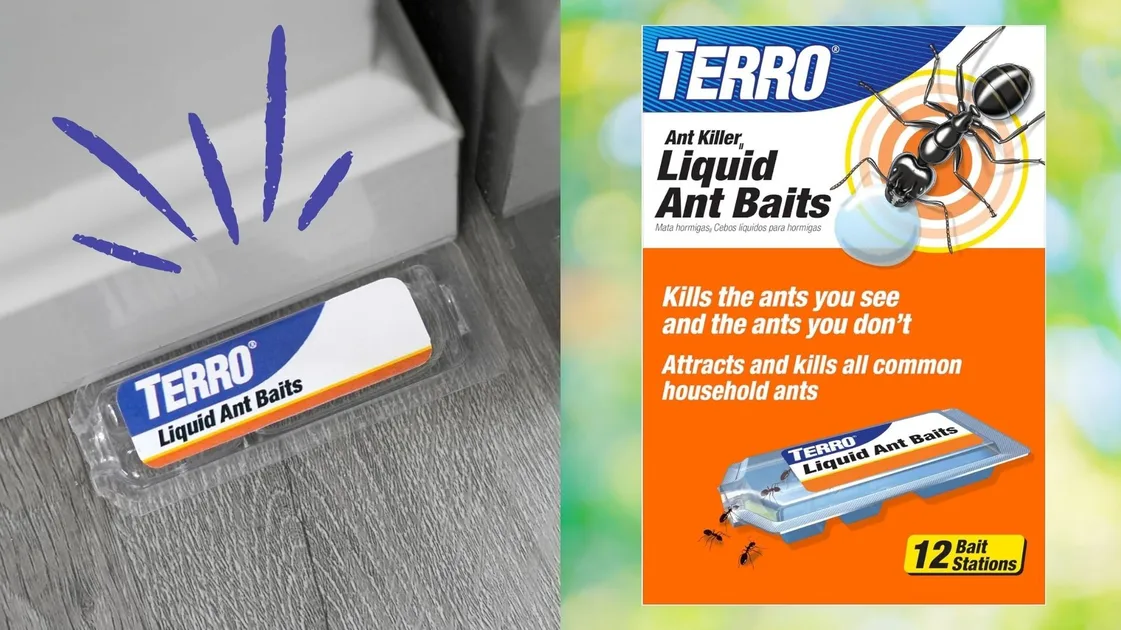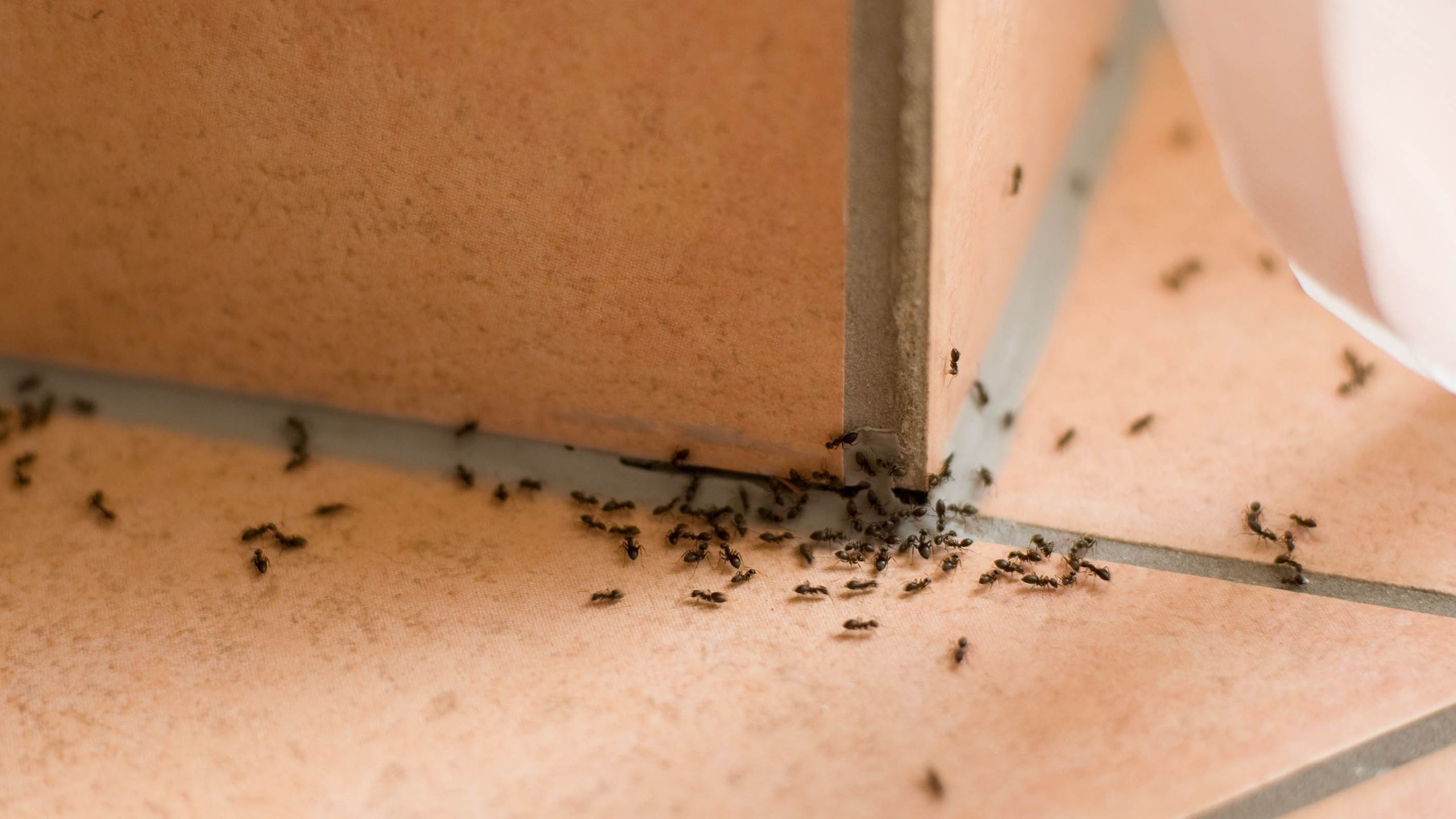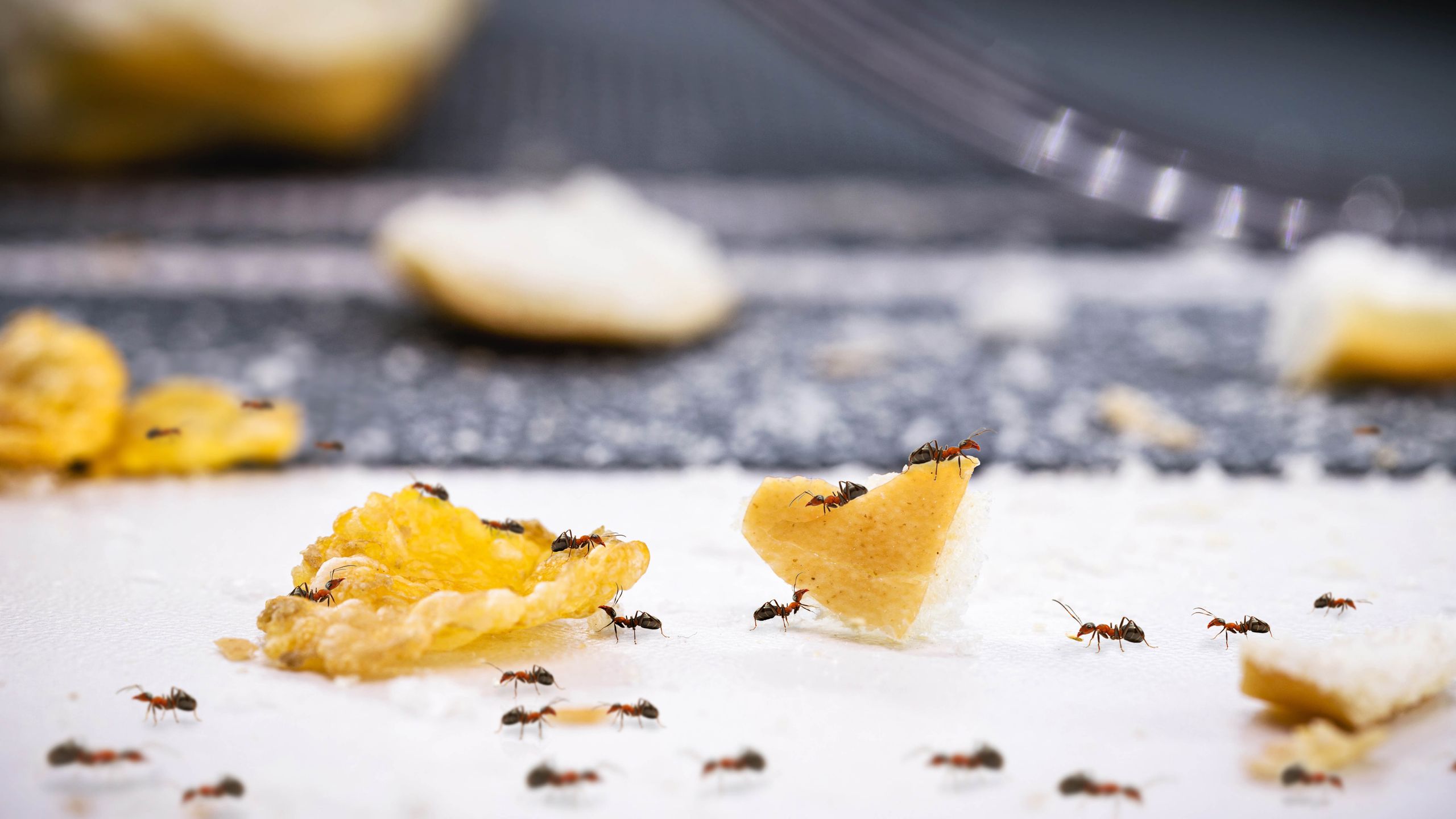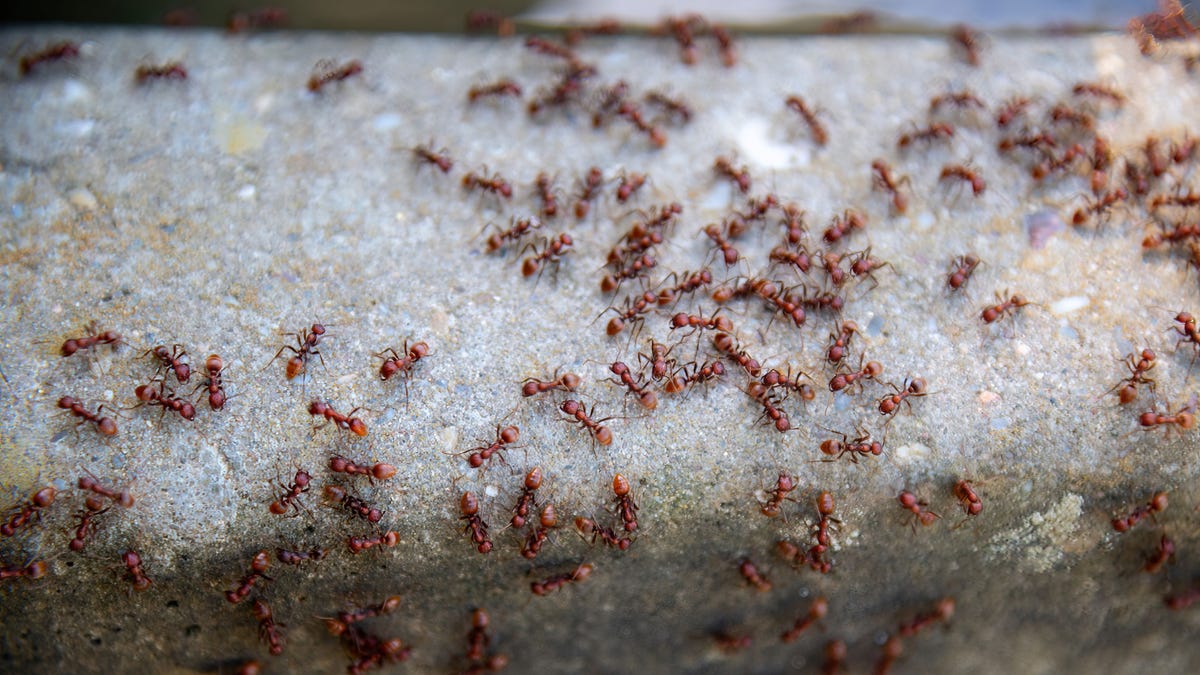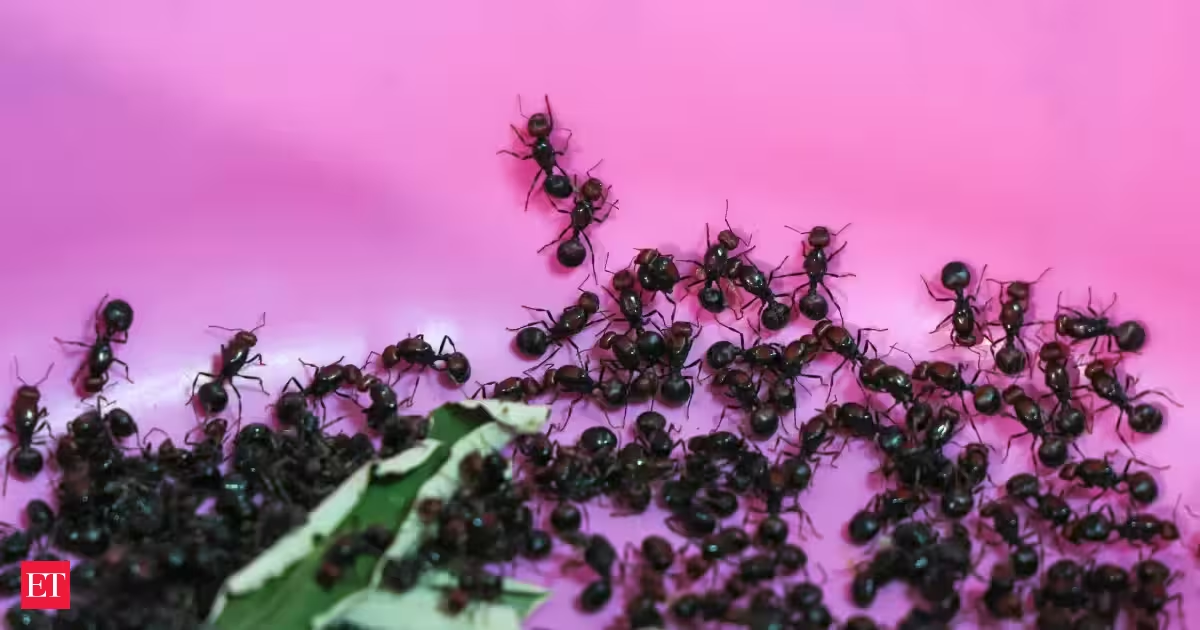
A few ants marching across the kitchen counter can seem like a minor nuisance. Then another trail appears near the sink, a third emerges from a window gap and suddenly the insects seem to be everywhere. The instinct is often to reach for a spray and kill whatever is visible. But pest-control experts say that dealing with the ants you can see is only part of the problem.Ants typically enter homes while searching for food, water or shelter. Many species follow chemical trails left by other workers, allowing an apparently random line of insects to lead back to a food source or nest. Following these trails can help understand where ants are coming from before deciding how to control them.Start by removing what brought them inside The most effective ant-control strategy may begin with something as ordinary as cleaning.The US Environmental Protection Agency recommends an integrated pest-management approach that combines prevention with targeted control rather than immediately relying on pesticides. That means keeping food in sealed containers, cleaning crumbs and spills promptly, washing dishes and keeping garbage covered.Pay particular attention to sweet foods, grease, pet food and food residue around appliances. Ants can be attracted to sweets and grease, but also to meat, dairy products, fruits, oils and other food sources.Moisture matters too. Fix leaking pipes, address damp or damaged wood and keep gutters functioning properly, the National Pesticide Information Center advises.Break the trail instead of chasing individual antsSeeing a line of ants is actually useful: it can reveal how they are navigating your home.Ants use pheromone trails to guide other members of their colony toward food. Wiping these routes with soapy water can remove the chemical trail and disrupt their return journey, according to the National Pesticide Information Center.Healthline lists diluted white vinegar as a household option for cleaning surfaces where ants travel, while peppermint and certain other essential oils may act as repellents. However, these methods should be viewed mainly as deterrents or trail-disrupting measures, not guaranteed ways to eliminate an entire colony.Seal the doors ants are usingOnce you identify the route, look for the opening. Cracks around windows, doors, baseboards, pipes and utility lines can become entry points. Sealing these gaps with appropriate caulk or weather stripping can make it harder for ants to return.Outside, trim branches and vegetation touching the building. Remove piles of leaves, wood and other debris close to the structure, which can provide nesting sites or convenient routes toward the house.Why ant bait can work better than sprayIf ants keep returning, simply killing the workers you see may not solve the underlying problem.University of California's Integrated Pest Management programme explains that insecticide baits are designed to be carried by worker ants back to the nest. Because the poison is slow-acting, workers have time to return before dying, allowing the bait to affect other members of the colony.This also explains an initially confusing sight: bait can make it look as though more ants have appeared. Baits can take several days to work, so immediately spraying the ants gathered around them can undermine the strategy. Baits may take several days or longer to produce a noticeable reduction, with complete control sometimes taking weeksWhat about borax, boric acid and diatomaceous earth?Healthline lists borax, boric acid and diatomaceous earth among household or store-bought options for ant control. Diatomaceous earth works differently from insecticidal poisons: its abrasive particles can damage insects' protective outer layer and contribute to dehydration. Healthline cautions that the dust can irritate the skin and respiratory system and should not be inhaled.Borax and boric acid, meanwhile, should not be treated as harmless kitchen ingredients. They can be hazardous if misused, particularly around children and pets. Any pesticide or insect-control product should be used according to its label, with exposure minimized.When natural remedies are not enoughPersistent ants may indicate a nest hidden in a wall, under flooring, around plumbing or outside the structure. Different ant species can also require different approaches, which is why the National Pesticide Information Center recommends identifying the species before choosing a treatment strategy.If pesticides become necessary, the EPA recommends choosing lower-risk options while carefully following label directions. Bait stations can also reduce unnecessary pesticide exposure when used correctly and kept away from children and pets.
Ants invading your home? Here’s how to get rid of them naturally and keep them from finding their way back
To effectively deal with ant infestations, homeowners must grasp the ants' behavior and implement integrated pest management techniques. Essential steps include eliminating food sources and sealing potential entry points. Using soapy water or vinegar can erase pheromone trails to disrupt ant activity. For a targeted approach, insecticide baits can help eliminate the entire colony.
704 words~3 min read