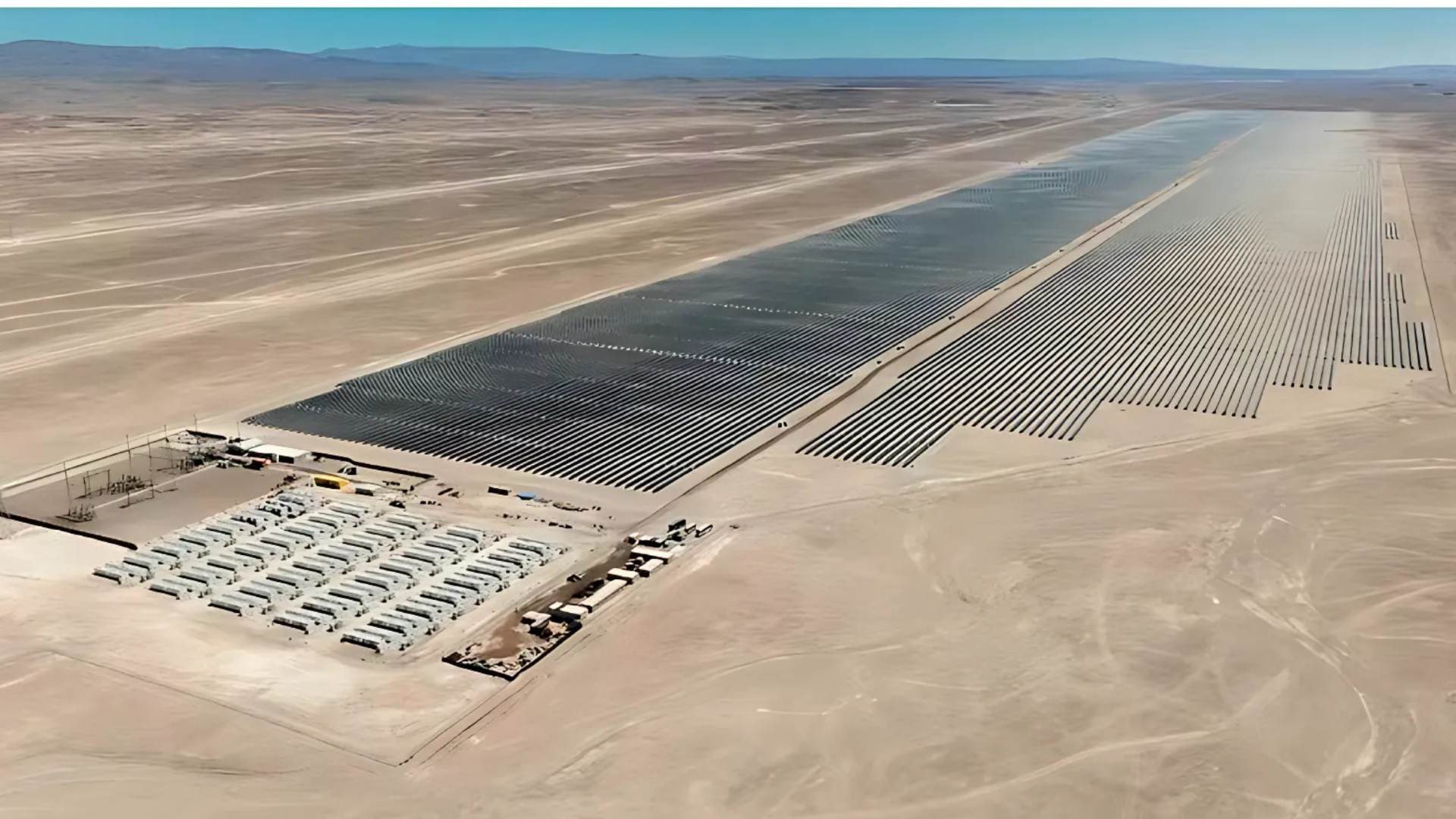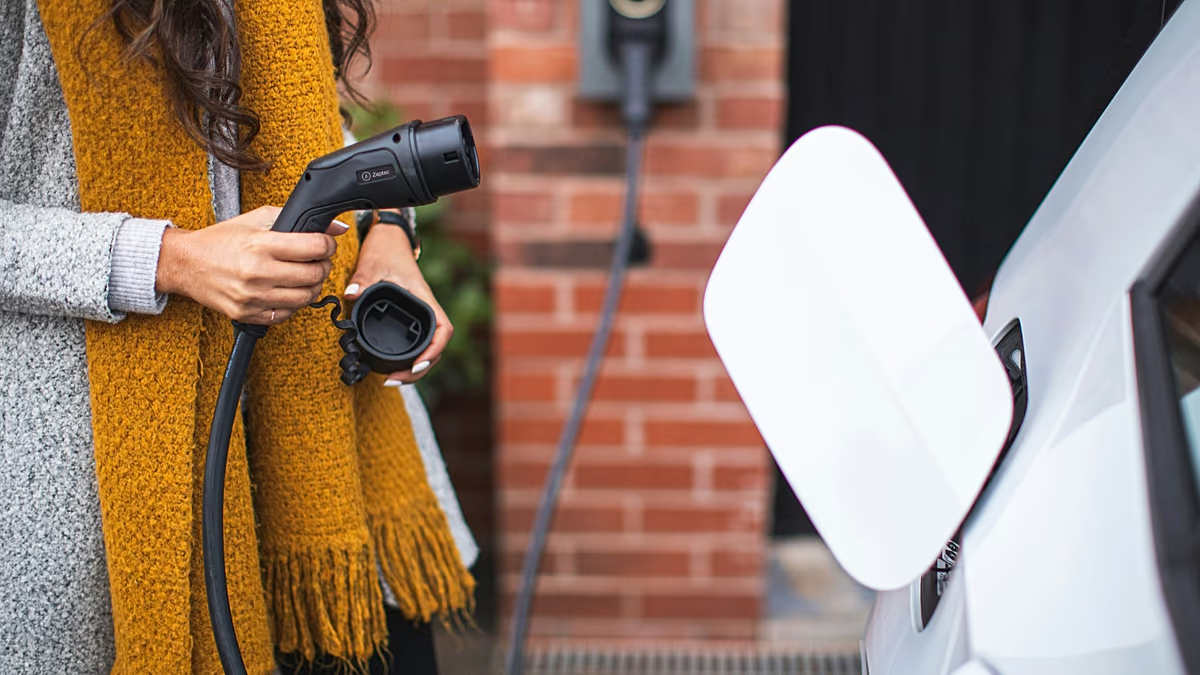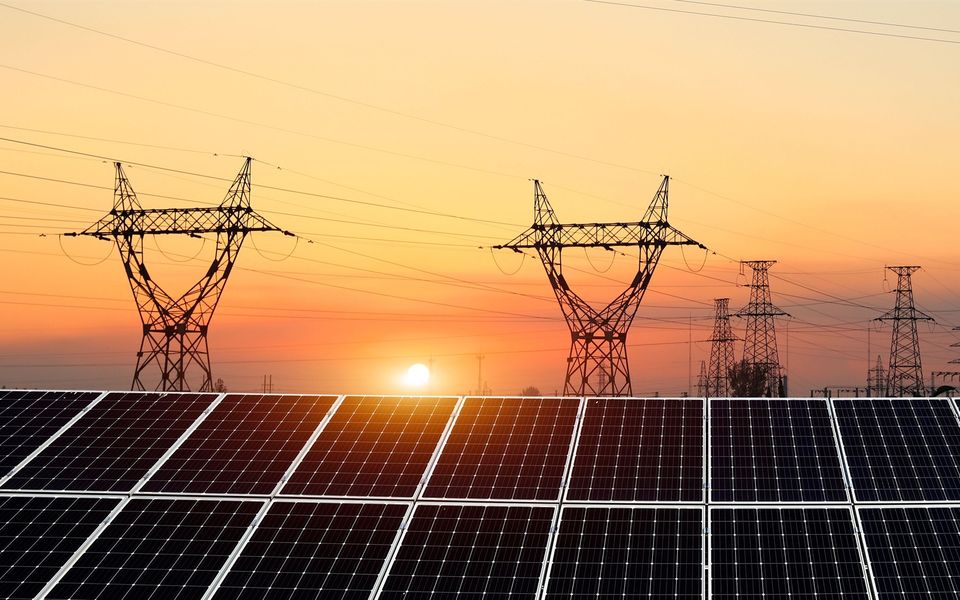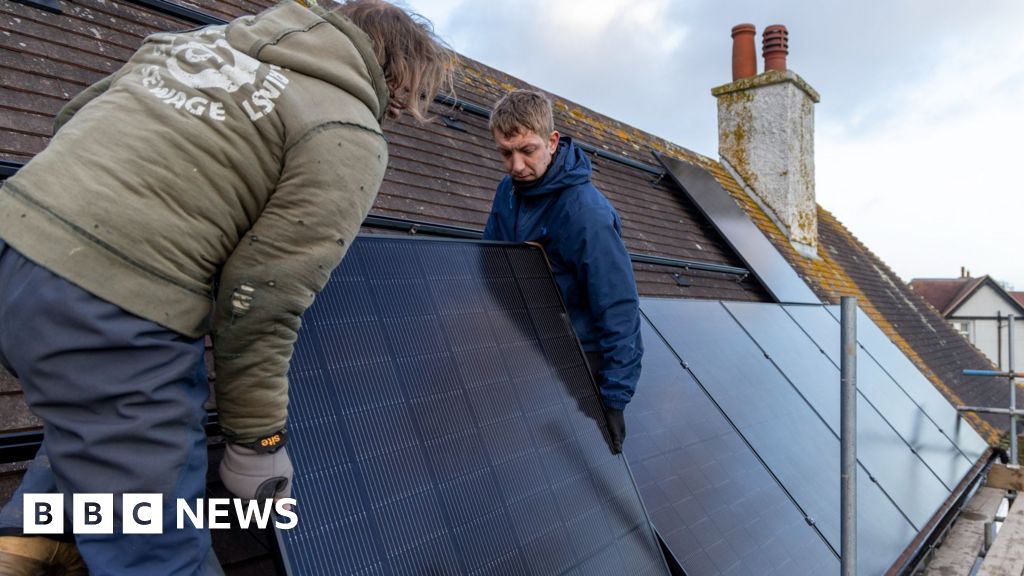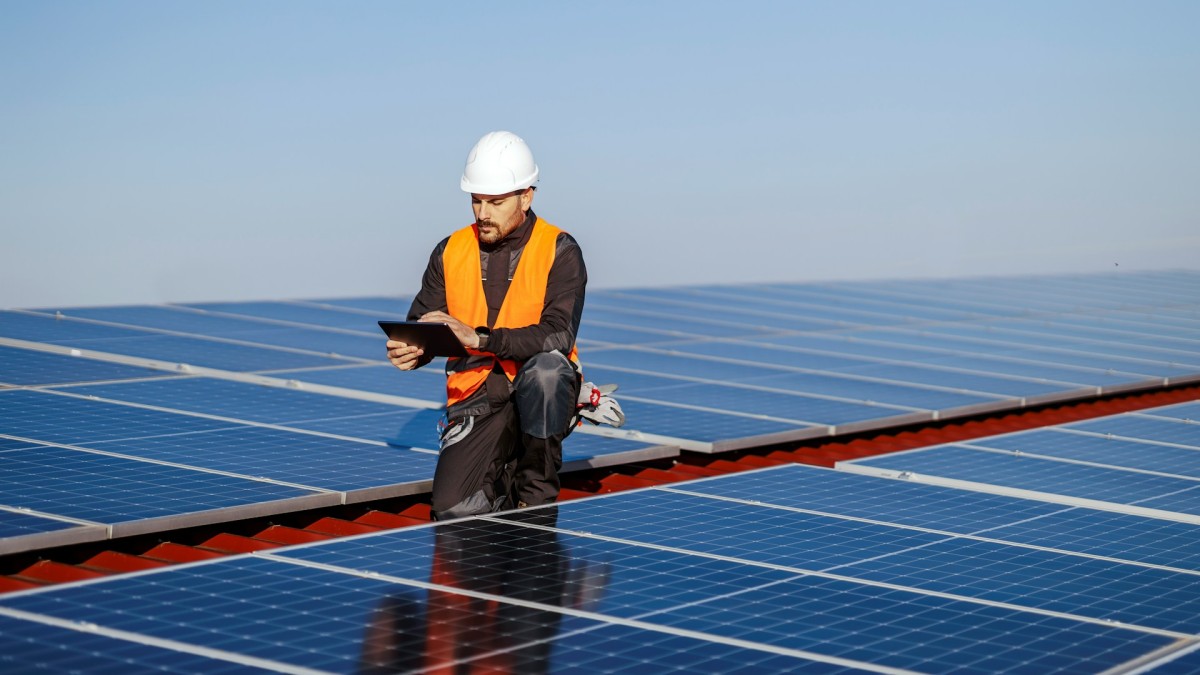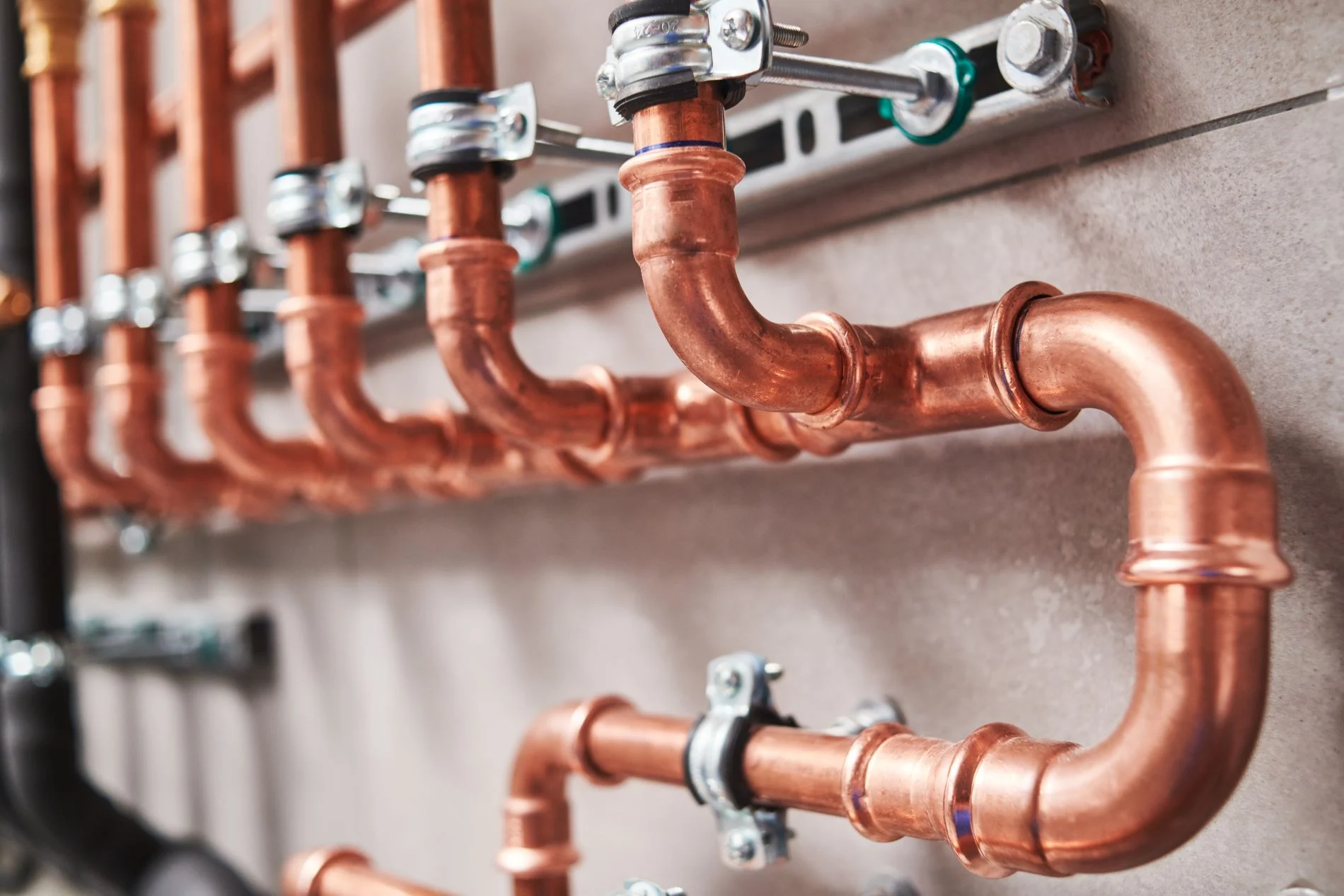
The government is gaining an additional fiscal space of nearly €1.5 billion for energy investments over the 2026-2028 period, without affecting the net primary expenditure growth limit. The key is the activation of the energy escape clause.Spending related to renewable energy storage, subsidies to replace fossil-fuel boilers (heating oil) with heat pumps, tax incentives or public investment in electric vehicle charging infrastructure, investments in battery technologies and/or railway infrastructure and rolling stock are among the measures that can be financed through the energy escape clause.The exact mix of measures to be included under the energy escape clause, with a total value approaching €1.5 billion over 2026-2028, is expected to be unveiled by Prime Minister Kyriakos Mitsotakis at the Thessaloniki International Fair (TIF).The projects will be financed from national resources but will be excluded from the expenditure growth ceiling, following Athens’ request to the European Commission to activate the energy escape clause. As clarified, the measures will cover investments in renewable energy storage, energy savings, building energy upgrades and infrastructure projects, without breaching the expenditure growth ceiling.Based on the guidelines issued by the European Commission to member states, the initiative provides European governments with a clear framework for seeking additional fiscal flexibility for energy projects, setting out precisely how such measures will be taken into account under EU fiscal surveillance. The list of measures aimed at reducing dependence on fossil fuels and enhancing energy security may include:HouseholdsSubsidies for geothermal and solar energy.Subsidies for residential energy storage systems.Subsidies to replace fossil-fuel boilers with clean alternatives, such as heat pumps.Subsidies for investment in electric vehicle (EV) charging infrastructure at home.Subsidies and/or low-interest loans for medium- or large-scale renovations of residential buildings (4).Public sectorInvestment in on-site renewable energy generation and storage systems.Investment in medium- or large-scale building renovations.BusinessesTax incentives for electric vehicle charging infrastructure.Subsidies and/or low-interest loans for medium- or large-scale building renovations.Targeted financial incentives to accelerate the development and deployment of industrial decarbonization technologies, as defined in the Annex to Regulation (EU) 2024/1735 of the European Parliament and of the Council (5).Transport infrastructurePublic investment in electric vehicle charging infrastructure.Public investment in clean urban transport infrastructure and rolling stock, such as trams and metros.Public investment in railway infrastructure and rolling stock.Energy sectorInvestment in renewable energy projects, including electricity generation and heating.Investment in battery and energy storage technologies.Investment in nuclear power plants.Investment in electricity grid infrastructure and technologies.Investment in hydrogen production technologies through electrolysis, using electricity generated from renewable sources or low-carbon electricity (6).Investment in energy-efficiency technologies related to the energy system.Investment in sustainable renewable fuels.Two-way Contracts for Difference (CfDs) for clean energy generation.Investment to strengthen the physical and cybersecurity of energy infrastructure.
Energy escape clause: €1.5bn package from heat pumps to batteries
Spending related to renewable energy storage, subsidies to replace fossil-fuel boilers (heating oil) with heat pumps, tax incentives or public investment in
470 words~2 min read