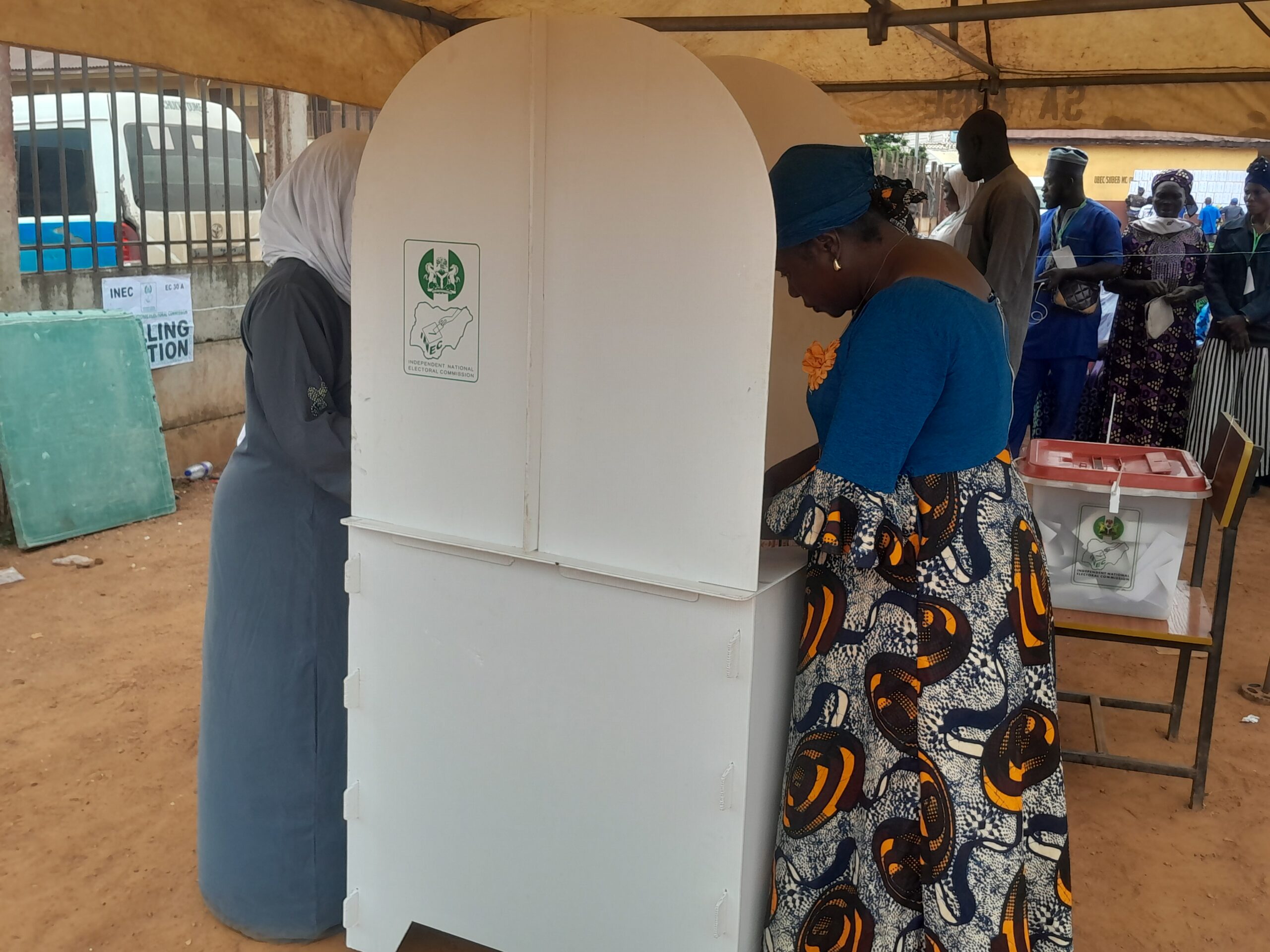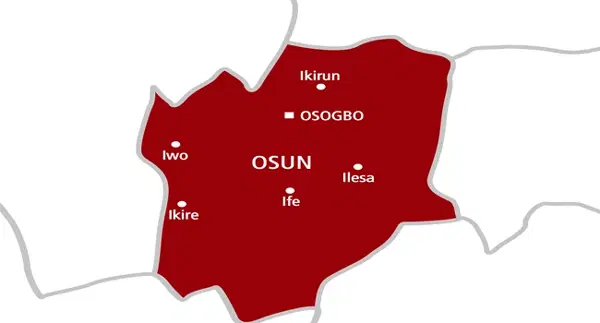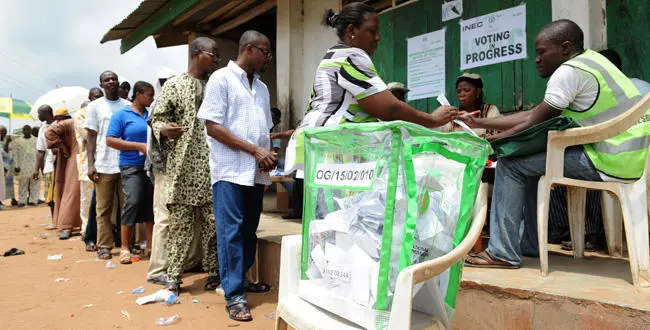
The August 15, 2026, Osun State governorship election should leave Nigeria with more than a winner and a loser. It should leave our nation with an uncomfortable question: how long can Nigeria continue to conduct elections in ways that require extraordinary security mobilisation, generate enormous tension and, too often, cost lives?
Ahead of the Osun election, more than 25,000 security personnel were reportedly deployed, with the police alone committing about 15,000 officers. Other security agencies, including the Nigeria Security and Civil Defence Corps (NSCDC) and EFCC, were also involved. More than 30,000 National Youth Service Corps members were mobilised as ad hoc electoral staff.
These numbers are remarkable for a single-state governorship election. They become even more troubling when viewed against the 2027 general elections, which will cover the presidency, National Assembly, governorship, and state assembly elections. INEC has fixed the presidential and National Assembly elections for February 20, 2027, and the governorship and State Houses of Assembly for March 6, 2027.
The question, therefore, is not merely how many security personnel Nigeria will deploy in 2027, but why our elections have become security operations of such extraordinary proportion.