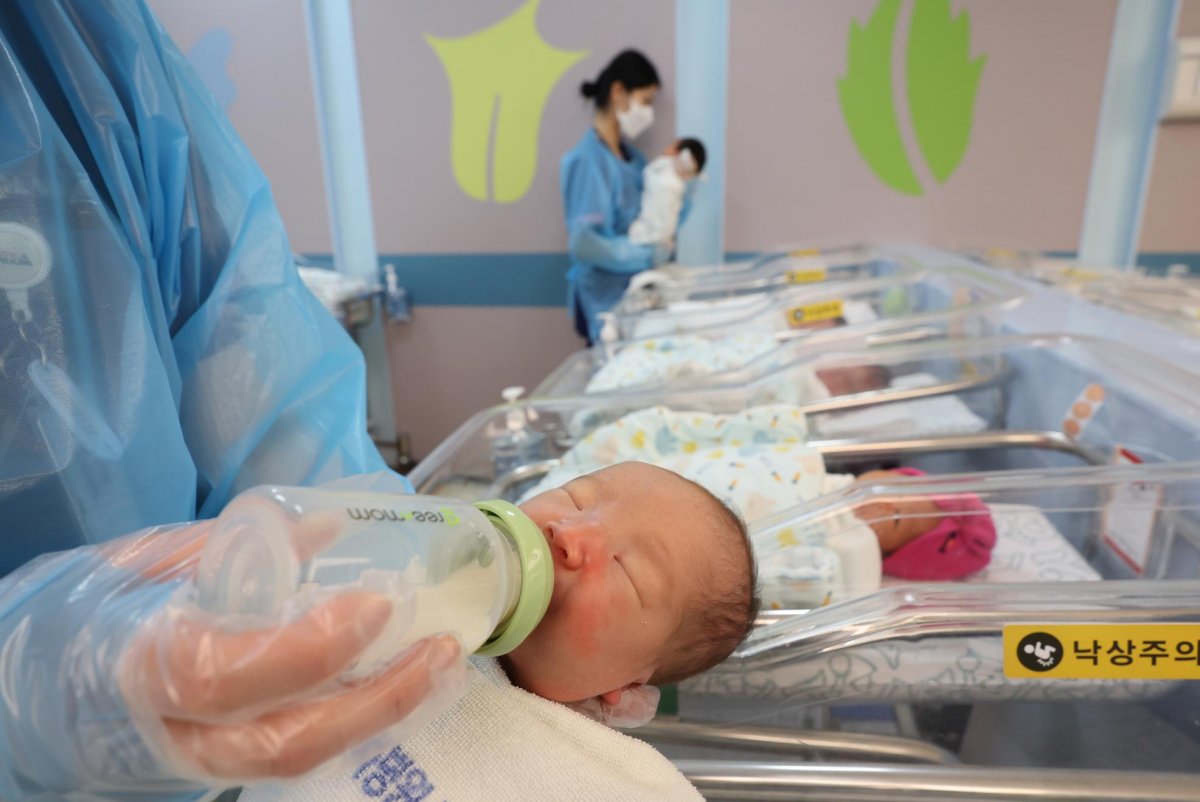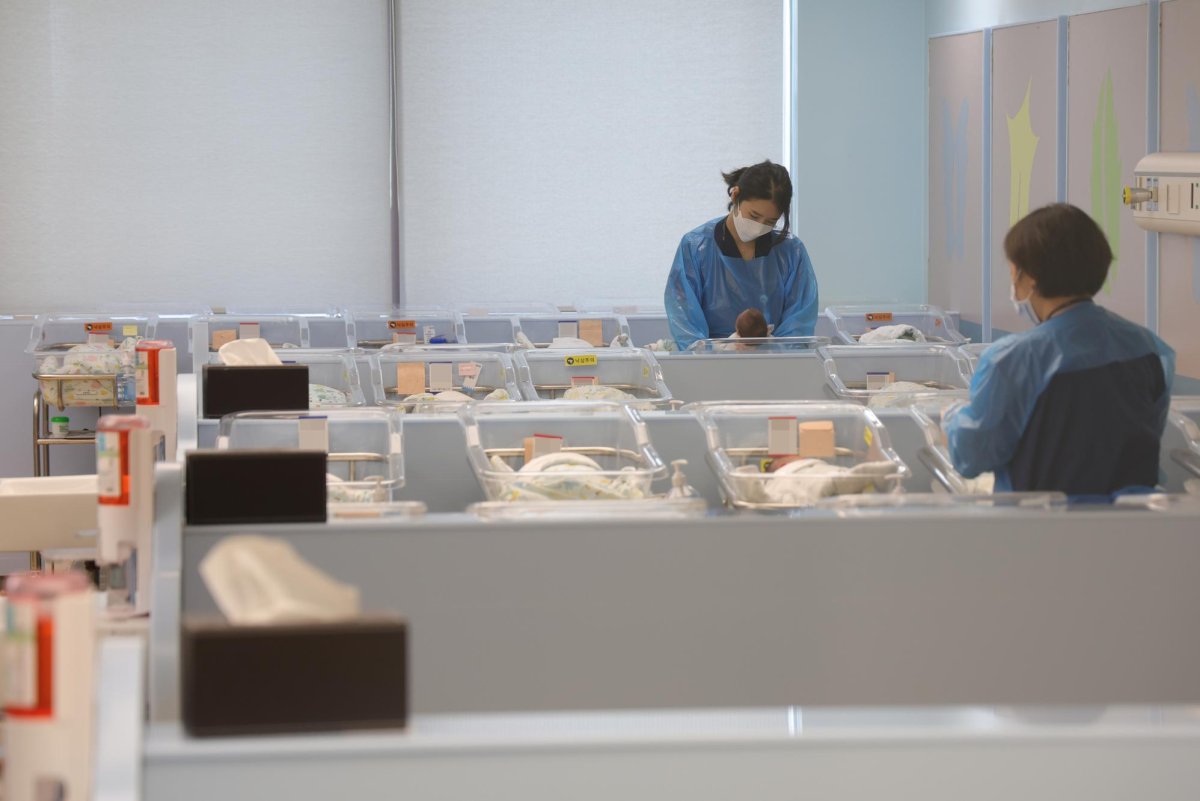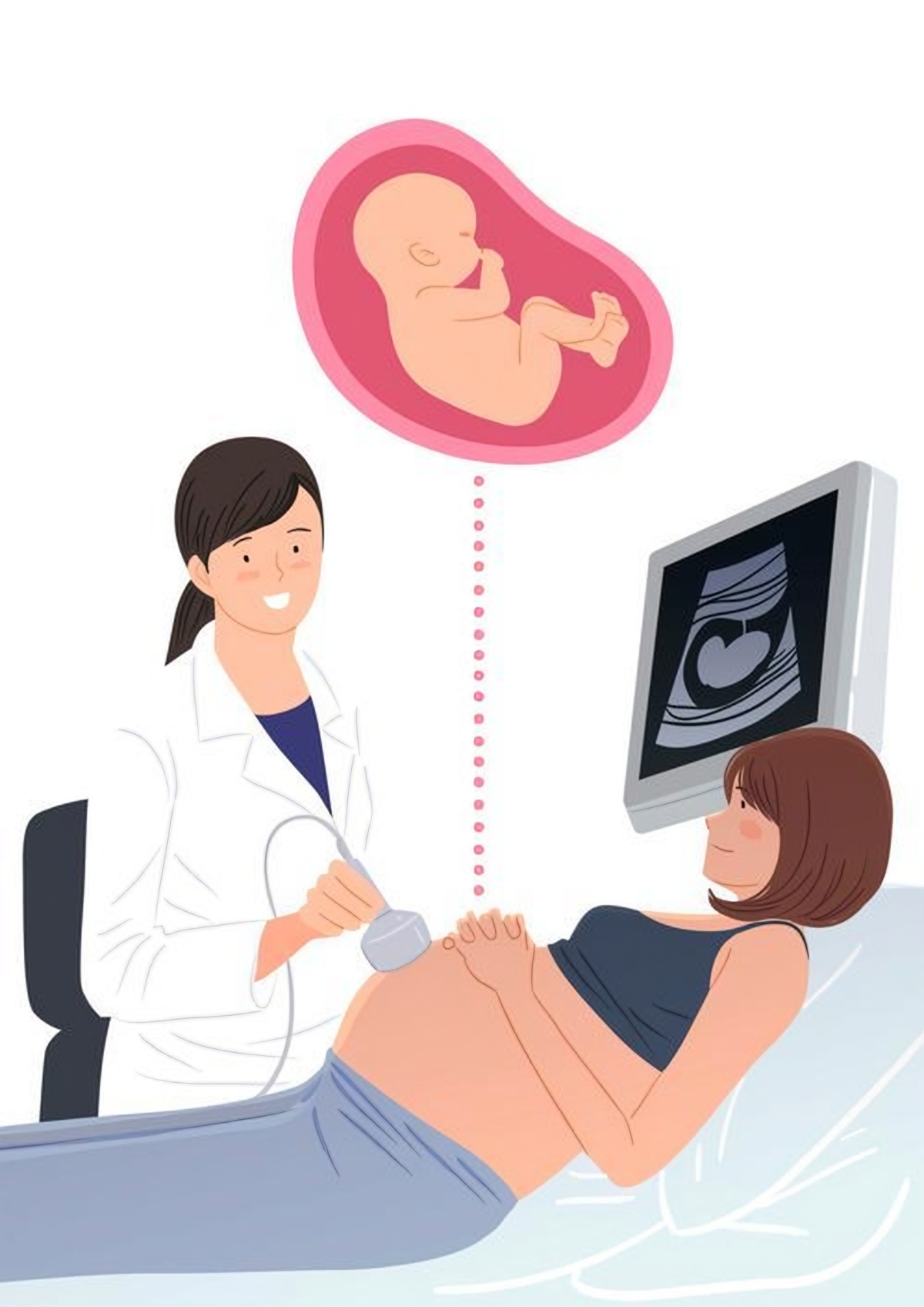
Seoul is seeing an unexpected rebound in births and marriages after years of record-low fertility, driven by municipal welfare programs and changing attitudes. The city reported 45,516 births in 2025, up 9.4 percent from a year earlier, and a fertility rate of 0.63. In the first half of 2026, births rose 18.7 percent and marriages climbed 10.9 percent from a year earlier. Officials said support measures include expanded fertility subsidies, postpartum care, transportation stipends and housing aid for newlywed couples.
gettyimagesbank
After years of setting grim global records for the world’s lowest fertility rates, Korea’s sprawling capital is orchestrating an unexpected demographic turnaround.
Driven by aggressive municipal welfare programs and shifting cultural attitudes, Seoul is witnessing a sustained surge in both births and marriages, offering a rare beacon of hope in East Asia’s ongoing demographic crisis.
According to annual data released by Statistics Korea, Seoul recorded 45,516 births in 2025, representing a 9.4 percent increase from the previous year. This marked the fastest growth rate among all 17 regions in Korea and secured a second consecutive year of population expansion for the metropolis. The capital's total fertility rate — the average number of children expected per woman — climbed to 0.63, steadily rebounding from its historic low of 0.55 in 2023 and consistently outpacing official forecasts.