(ClipArt Korea)
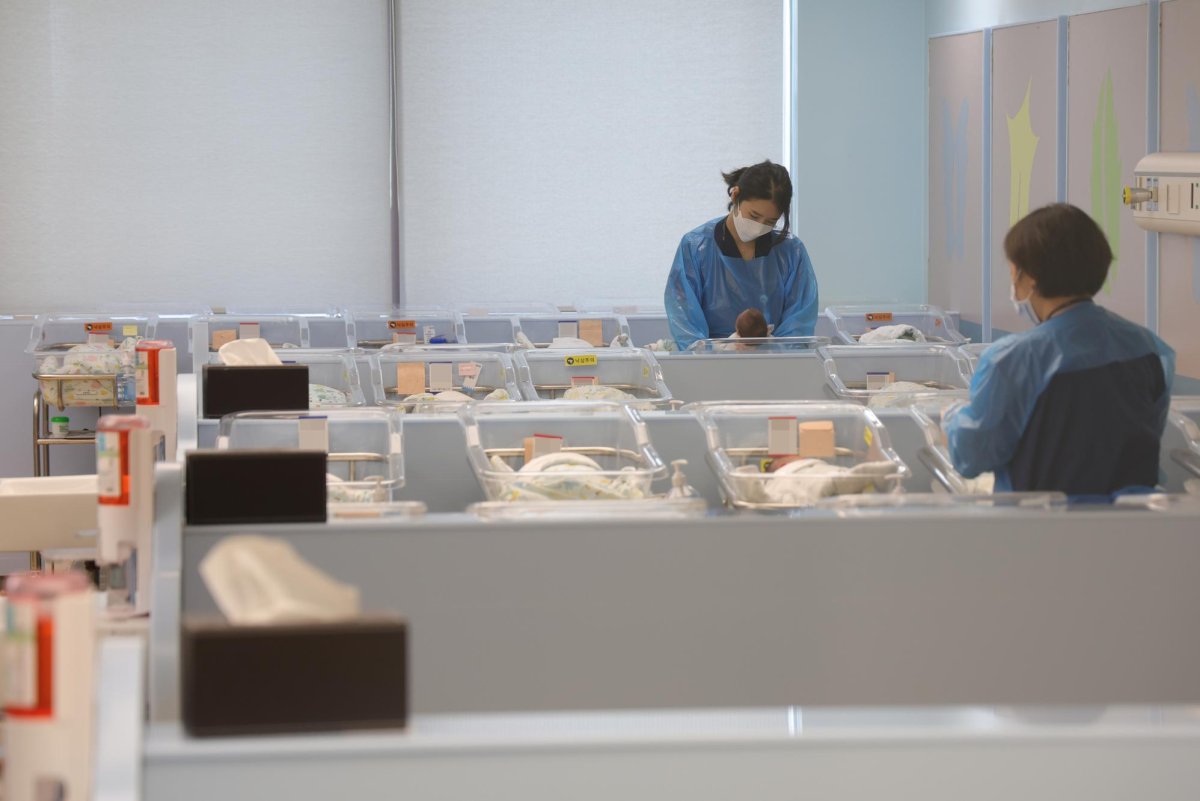
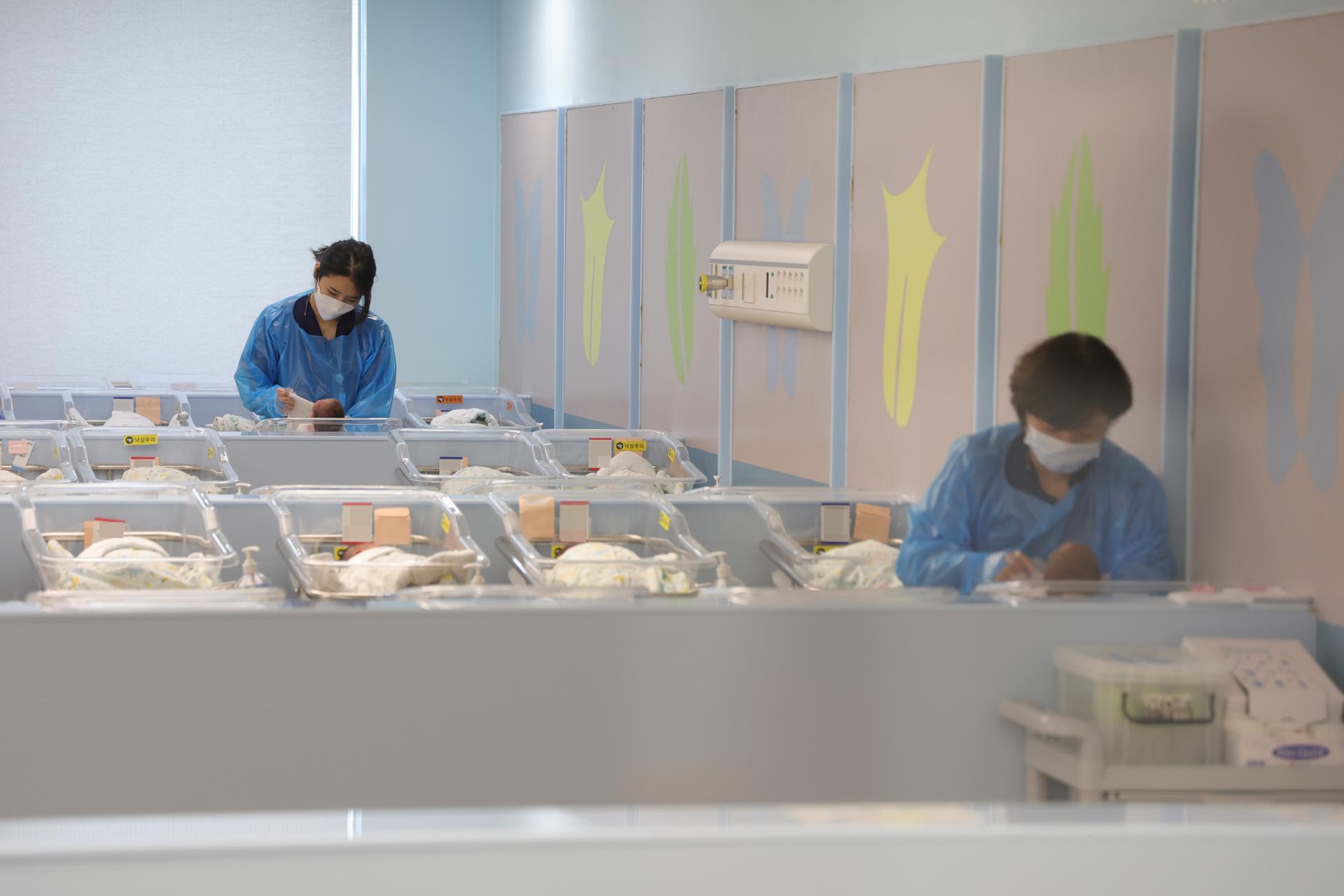
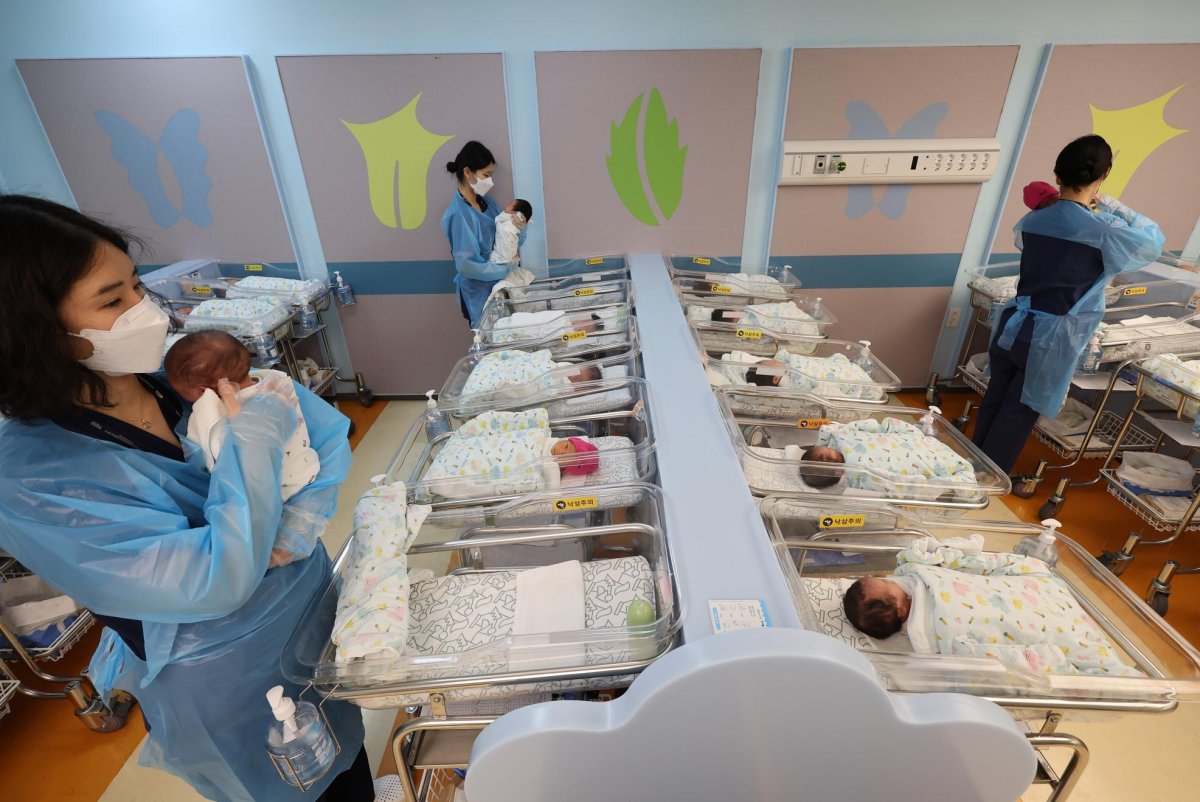
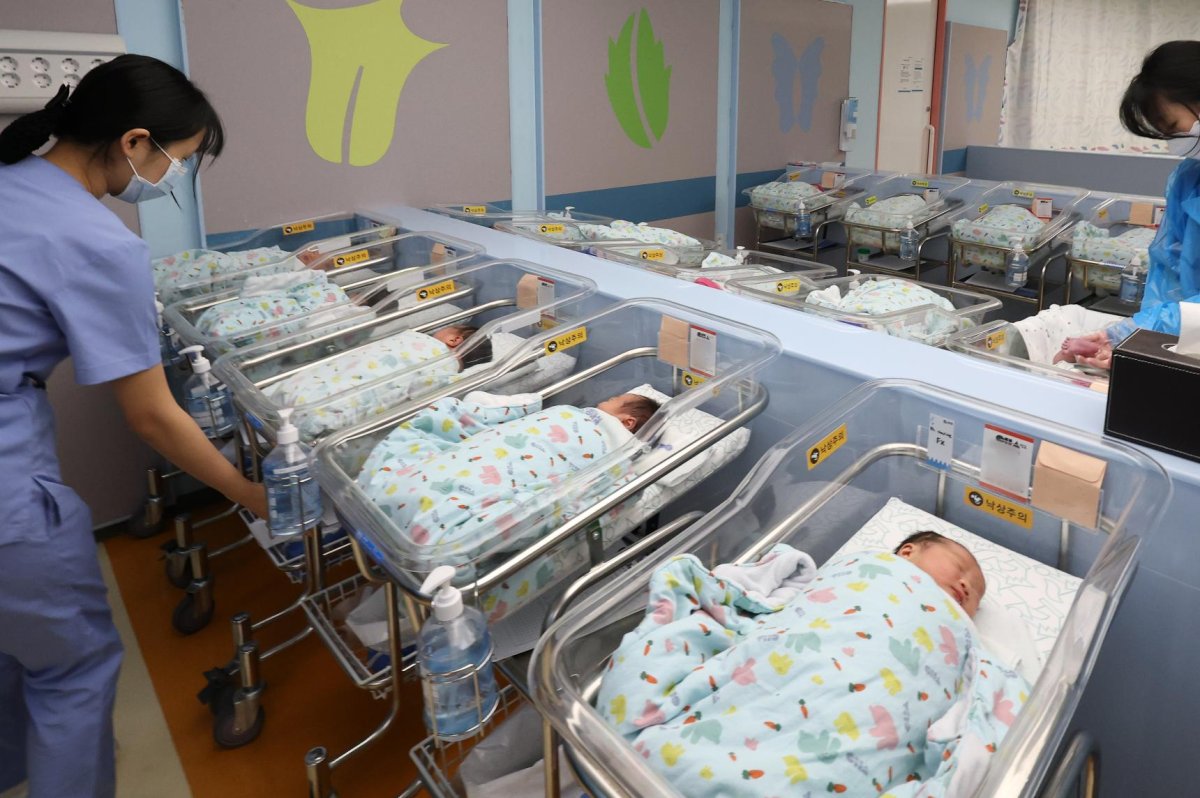
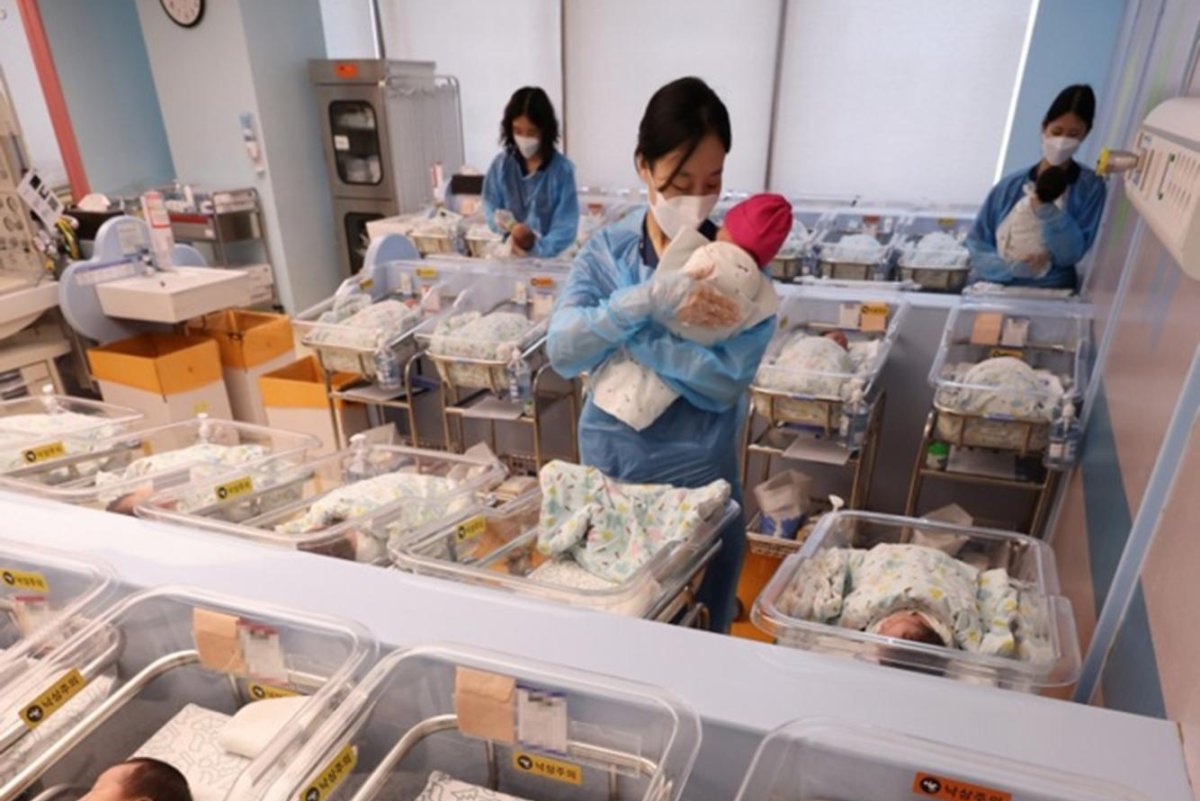
South Korea saw its biggest-ever rise in births in the first half of the year, with the number of newborns up 15% from a year earlier.Births in June also reached their highest level for the month in seven years, driven in part by an increase in the number of women in their early 30s and rising birth rates among women in their 40s.According to the Ministry of Data and Statistics’ population trends report released Wednesday, 145,804 babies were born between January and June, up 15.4% from the same period last year. That represents an increase of 19,430 births from the 126,374 recorded a year earlier. Both the size and rate of the increase were the largest since the government began compiling comparable statistics in 1981.June alone saw 23,111 births, the highest figure for the month since June 2019, when 23,992 babies were born. The year-on-year increase of 15.6% was also the largest on record. Births have now risen year on year for 24 consecutive months, dating back to July 2024.The total fertility rate — the average number of children a woman is expected to have over her lifetime — stood at 0.88 in June, up 0.11 from a year earlier.The increase appears to be linked partly to a rise in the number of women in their early 30s, the main age group for marriage and childbirth. The number of marriages has increased year on year for 27 consecutive months since April 2024. In June, the registered population of women aged 30 to 34 stood at 1.67 million, up 1.1% from a year earlier.The birth rate for women aged 30 to 34 was 81.6 births per 1,000 women in June, an increase of 12.4 from a year earlier.Older women are also having more babies. The June birth rates for women aged 35 to 39 and those aged 40 and older rose by 9.1 and 0.3 births per 1,000 women, respectively, to 59.1 and 4.7.For 2025 as a whole, the birth rates among women in their late 30s and early 40s reached their highest levels since records began in 1981, at 52.1 and 8.5 births per 1,000 women, respectively. Among women aged 45 and older, the birth rate rose to 0.3, its highest level since 1988. The birth rate for women in their late 20s also increased for the first time in 18 years, reversing a decline that had continued since 2007.Park Hyeon-jeong, head of the vital statistics division at the Ministry of Data and Statistics, attributed the increase to several factors.“Marriage rates have increased since the transition to the post-pandemic era, and the population of women in their 30s is also growing,” Park said. “A shift toward more positive attitudes toward marriage and childbirth, along with the effects of some government policies, also appears to have contributed to the rise in births.”By Shin Min-jung, staff reporterPlease direct questions or comments to [english@hani.co.kr]