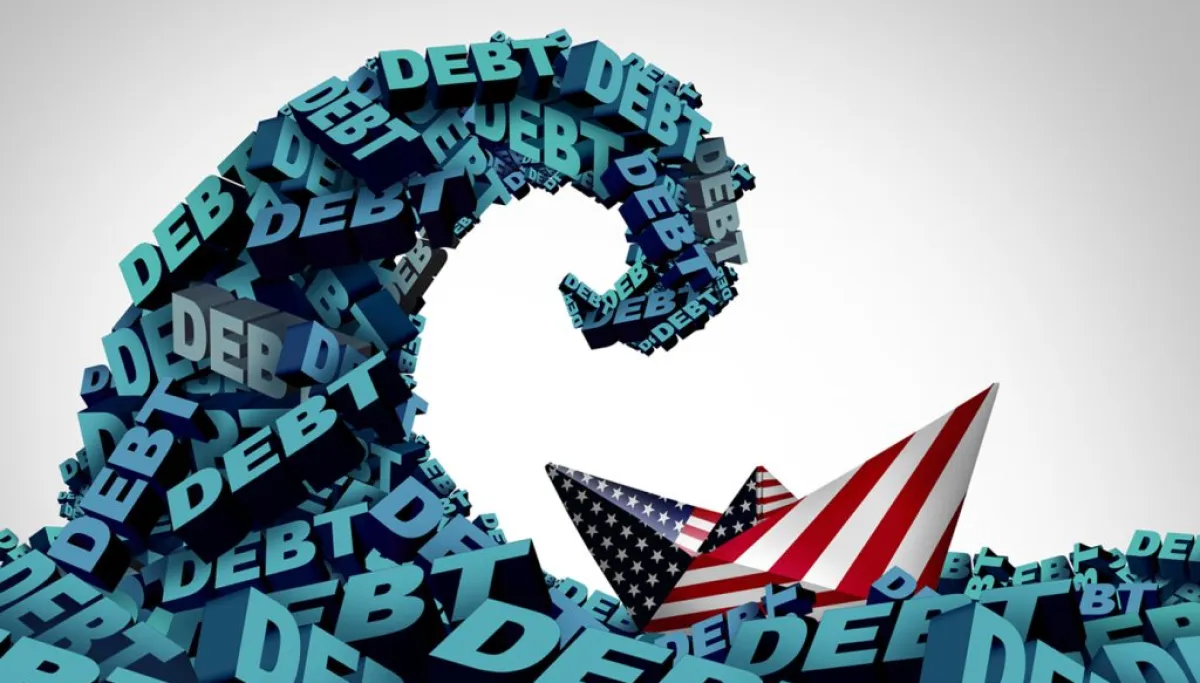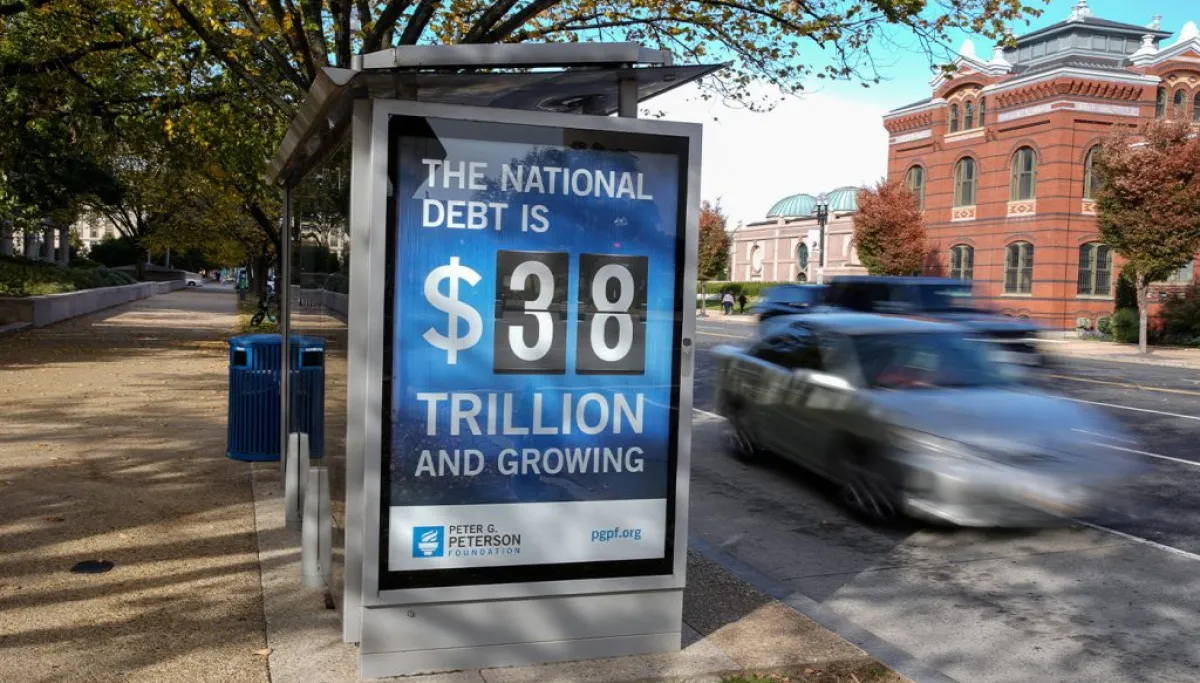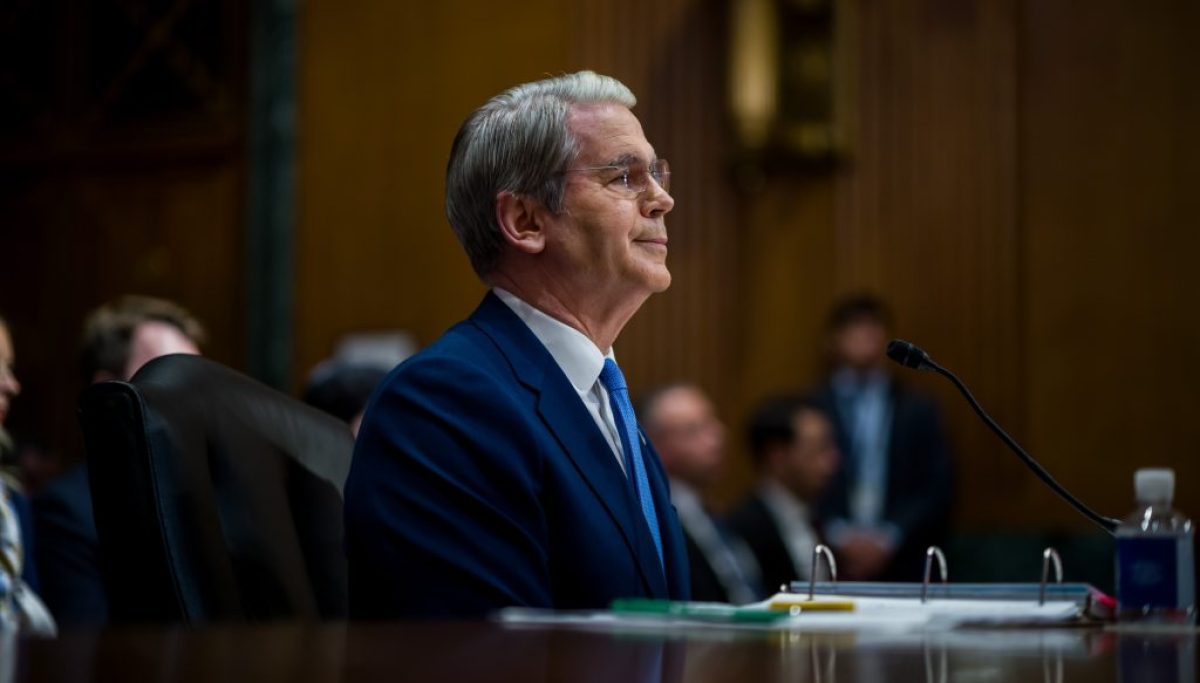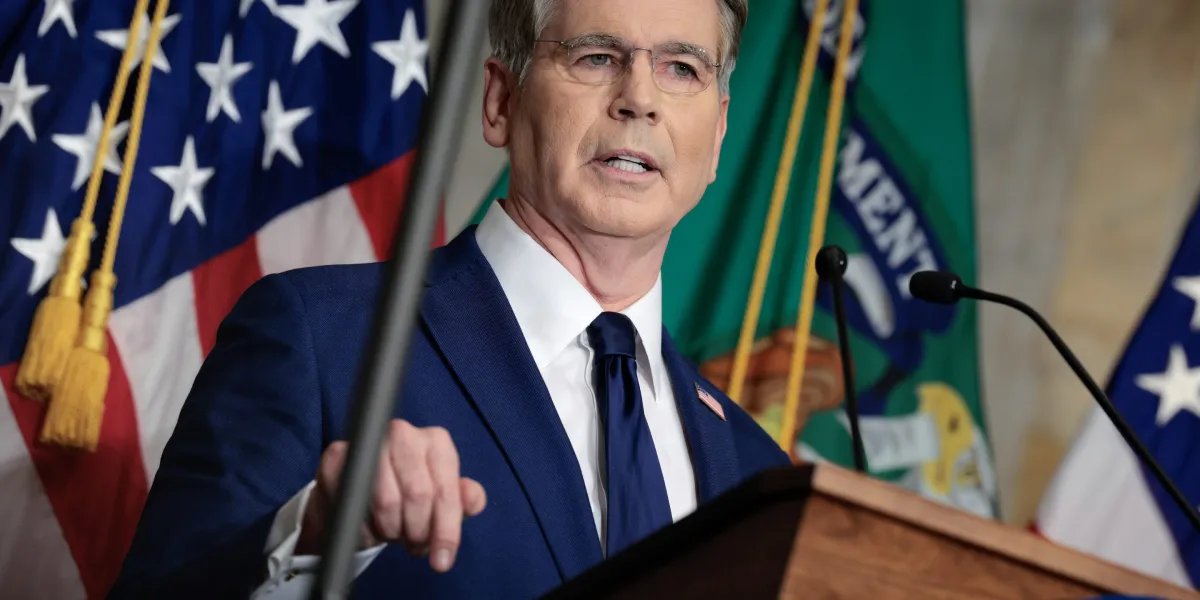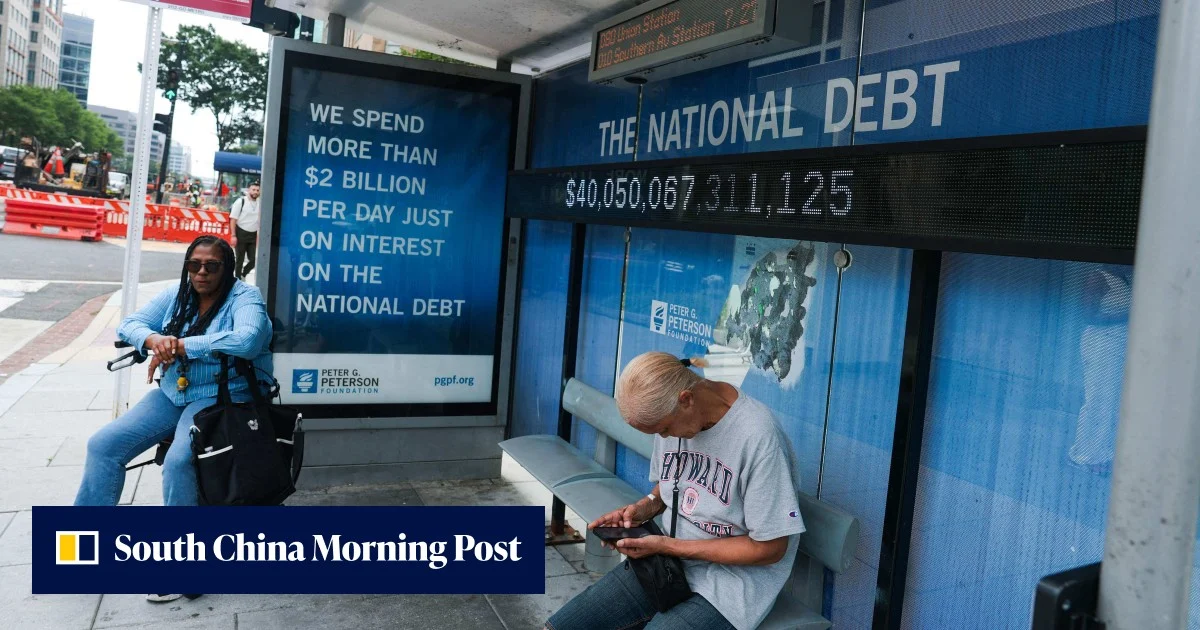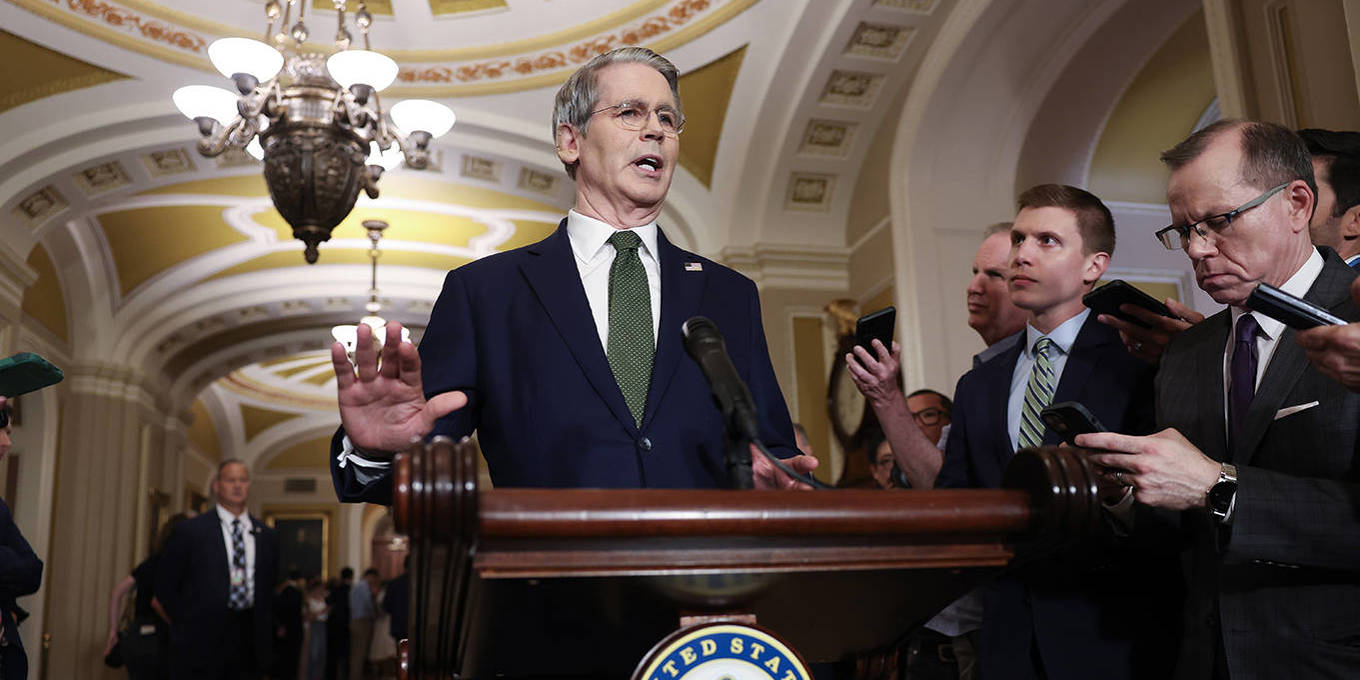
Washington has a multitrillion-dollar fiscal problem. United States Treasury Secretary Scott Bessent's answer, so far, is to look for loose change down the back of the sofa.His tentative nod to fiscal tightening last week has done little to reassure markets facing the highest US government borrowing costs in decades — not least because the deficit's structural drivers, from mandatory social spending to falling corporate-tax revenues and a planned defense-spending boost, remain untouched.
Now the AI investment boom — and its uncertain payoff — sits at the center of both the short-term fiscal squeeze and market unease.
Perhaps inadvertently, Bessent sparked scrutiny of the sheer scale of US budget deficits with an insufficient and slightly clumsy attempt to cap rising long-dated US Treasury yields by increasing relatively small bond buybacks.
Defending the buyback as merely "signaling" to markets, Bessent said new fiscal moves were afoot to keep a lid on annual deficits running at about 6 percent of GDP. They would focus on savings from fraud, waste and other government spending inefficiencies.
But few analysts believe tackling fraud and waste will make serious inroads into the budget shortfall, and the government efficiency and downsizing drive of 2025 also stalled.