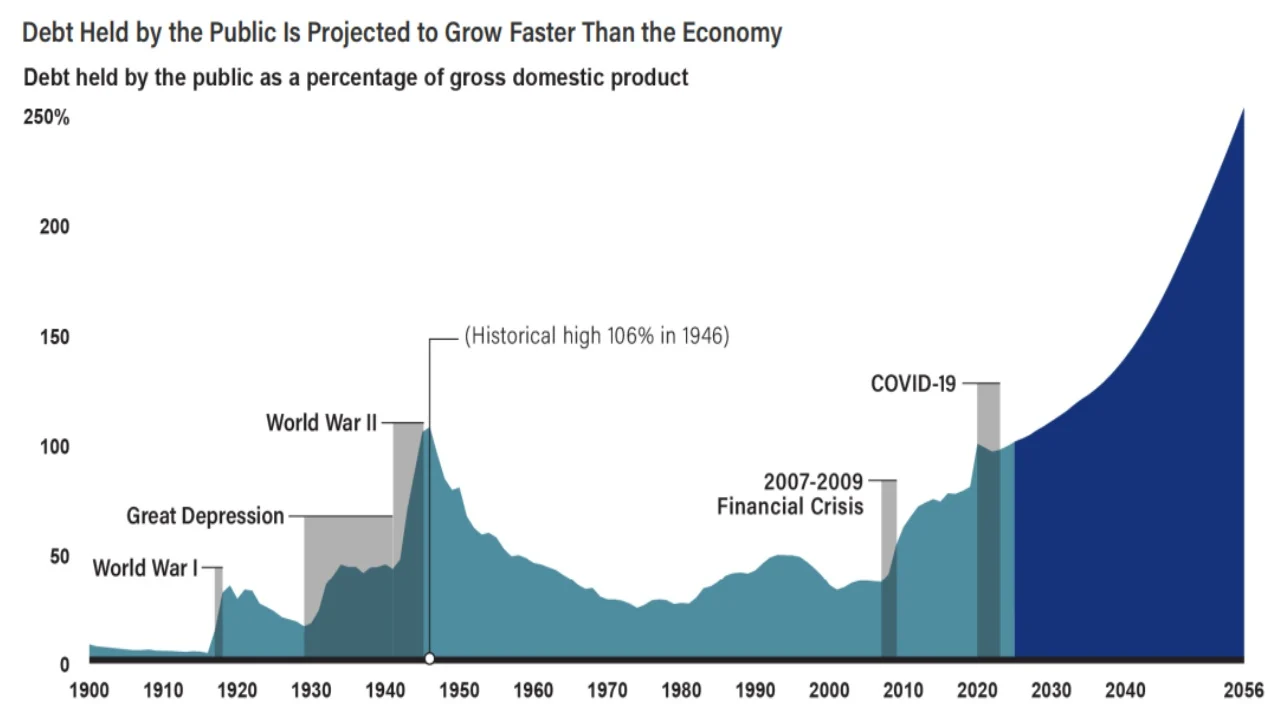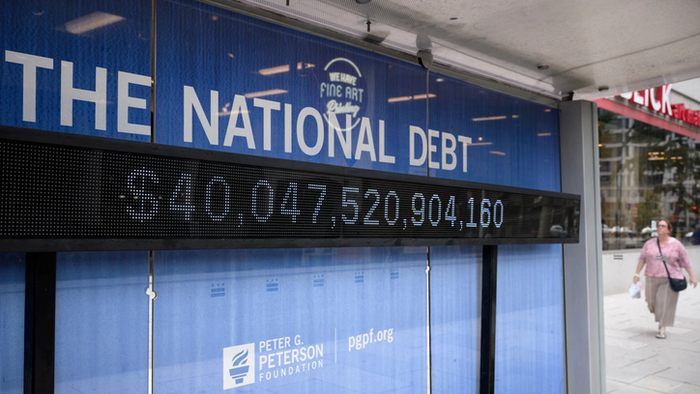
Total U.S. debt crossed $40 trillion for the first time this month. In the week since, two of Wall Street’s most closely read economists independently arrived at the same diagnosis: nobody in Washington is going to fix this, so the bond market will do it instead—whether the Treasury Department likes it or not. They also got a major helping hand from an AI-assisted column in the Wall Street Journal by hedge fund legend Stanley Druckenmiller.
On Tuesday, David Kelly, chief global strategist at J.P. Morgan Asset Management, used the milestone to walk clients through exactly how the country got here. A day later, Apollo chief economist Torsten Slok argued in his Daily Spark that the fiscal trajectory, a Federal Reserve weighing a rate hike, and a surge of AI hyperscaler bond issuance are all pointing toward the same outcome: rates that stay higher for longer. Slok closed his note by endorsing a line from billionaire investor Druckenmiller, who had made the same argument in the Journal a day earlier, with considerably more edge: the long-term Treasury yield is “the only fiscal disciplinarian the U.S. has left.”
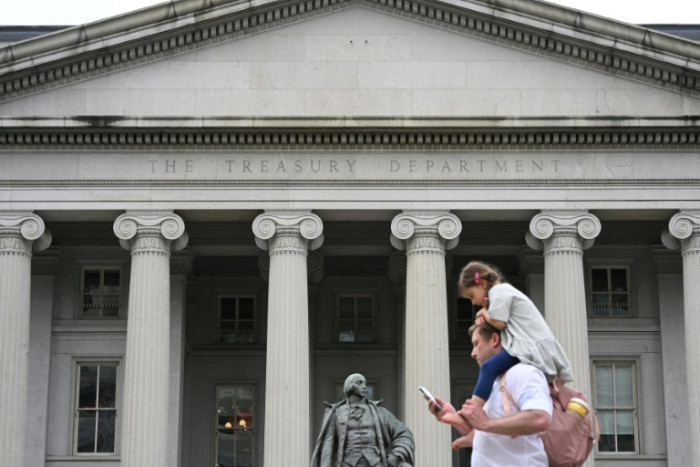
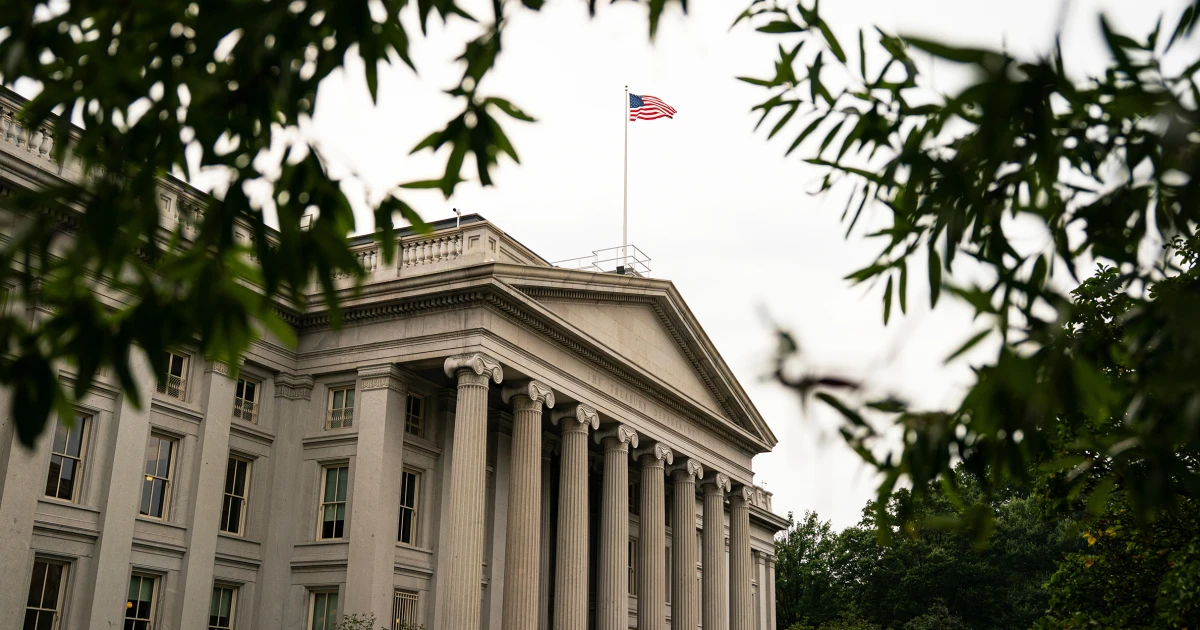
That op-ed, of course, was an unexpected, direct attack on the Treasury Department’s decision, announced Aug. 19, to double long-dated bond buybacks from $2 billion to at least $4 billion per operation—right after the 30-year Treasury yield hit a 19-year high. “The market’s verdict was swift and correct,” Druckenmiller wrote in AI-inflected overtones. “This wasn’t liquidity management, it was price management.” His prescription, delivered in the same essay: “If the 30-year must trade at 5.5% to clear, that isn’t a crisis. It is an invoice.”