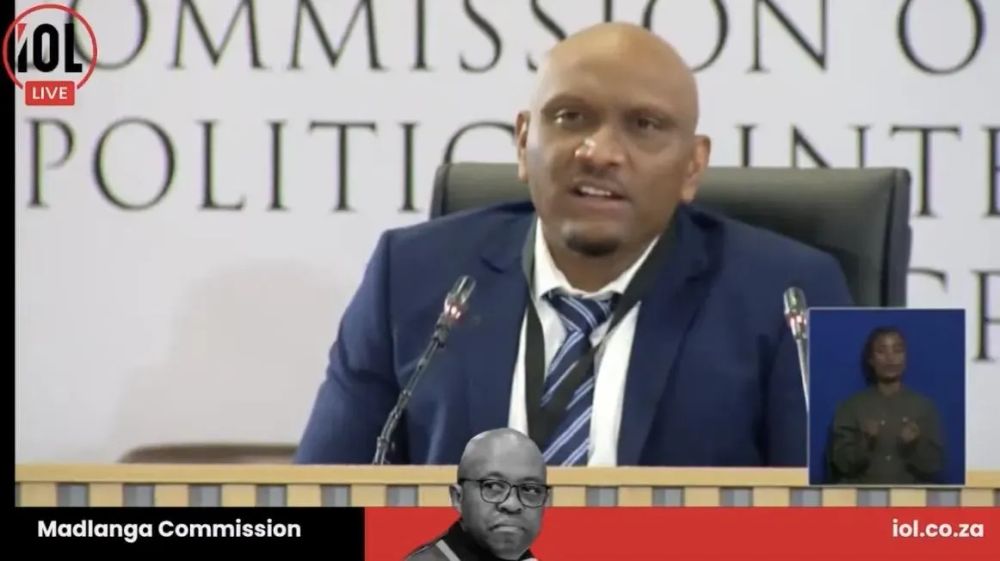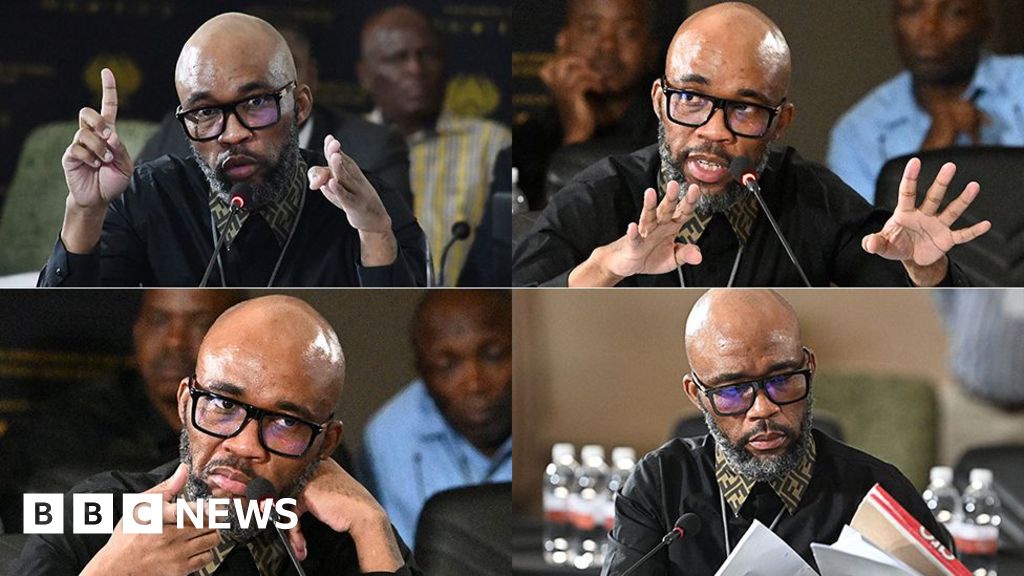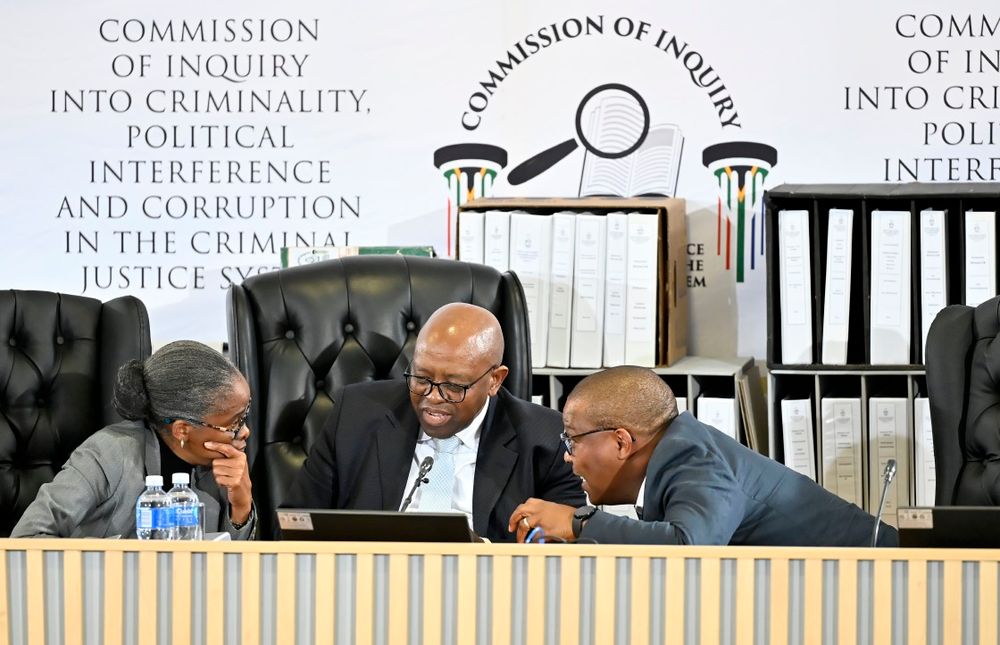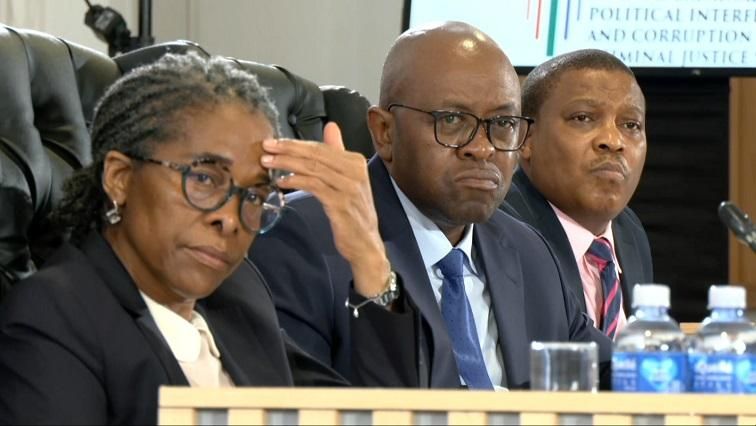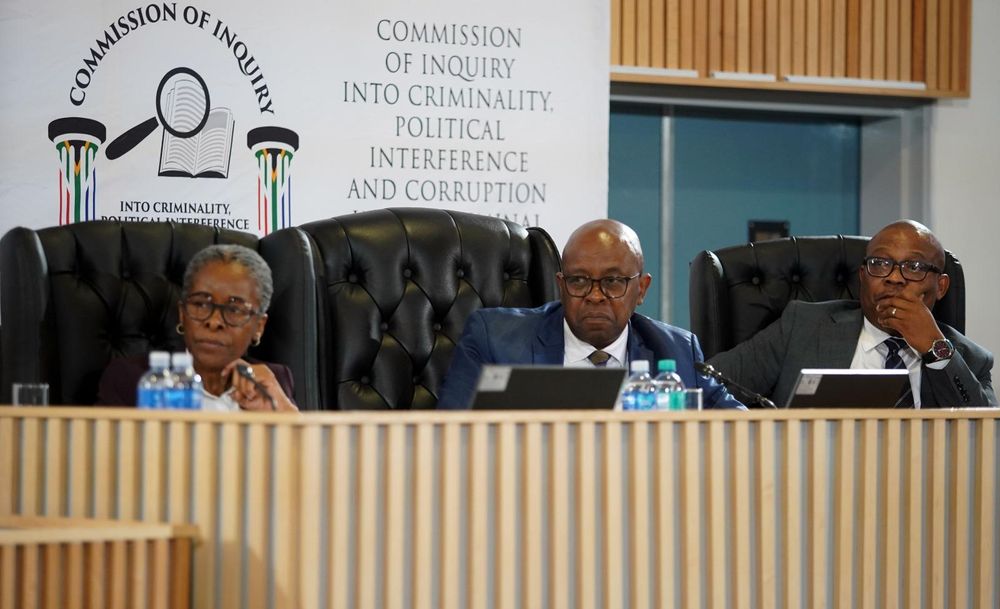
NYANISO QWESHA: The Madlanga Commission is not just about naming culprits; it’s a critical exploration of how power dynamics reshape the landscape of governance in South Africa.
South Africa is watching the Madlanga Commission in the familiar way we watch commissions of inquiry, waiting for the next explosive name, the next WhatsApp message, the next unexplained payment or the next relationship that suddenly makes an old story look very different.
However, beneath these individual revelations there is a much larger story beginning to take shape, one that should concern anyone who still believes that the state ultimately belongs to the public rather than to those who become sufficiently well connected to navigate the spaces between politics, business, security, government contracts and personal relationships.
The question is no longer simply whether Vusimuzi "Cat" Matlala knew Hangwani Morgan Maumela, Jotham "Mswazi" Msibi or Steve Motsumi, because knowing another person is not evidence of wrongdoing and association cannot, by itself, establish guilt; the more important question is what becomes possible when the same people repeatedly appear around substantial amounts of money, private businesses, government contracts, security structures and access to powerful institutions.