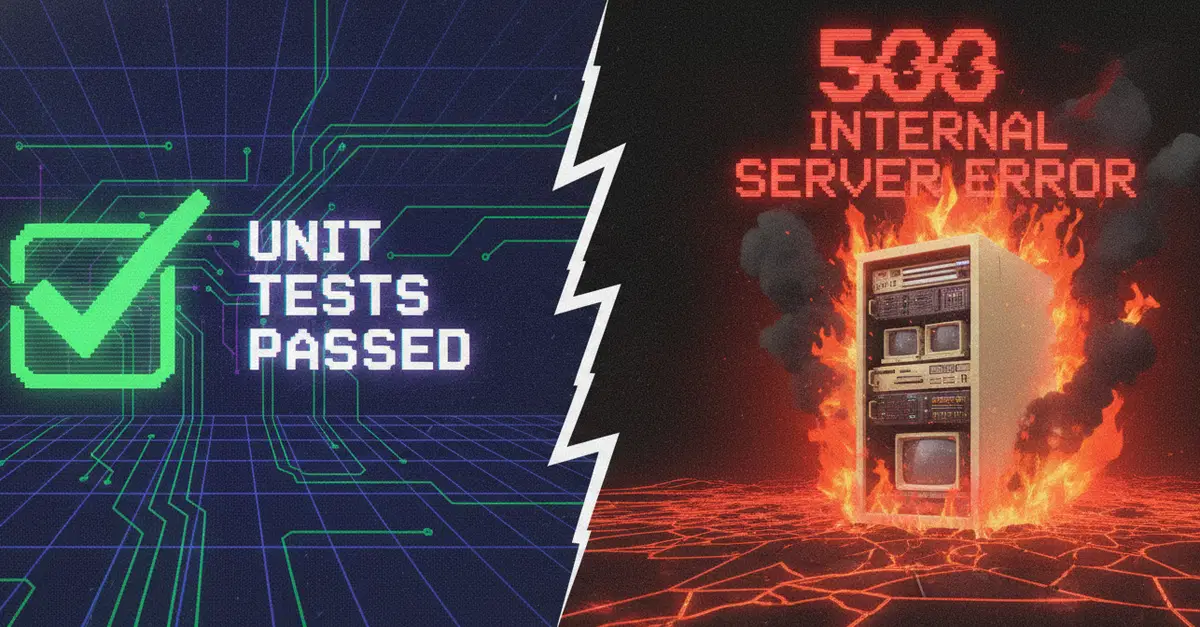
Most of what makes a modern application work never appears on screen. Behind every screen tap or page load sits a network of APIs quietly passing data back and forth, authenticating users, fetching records, processing payments, syncing with third-party services. When those APIs behave, nobody notices. When they don’t, the failure often shows up somewhere confusing: a spinner that never stops, a page that loads with missing data, an order that silently fails. That disconnect between where a bug originates and where it’s noticed is exactly why API testing has become such a critical discipline in its own right.
What API Testing Actually Covers
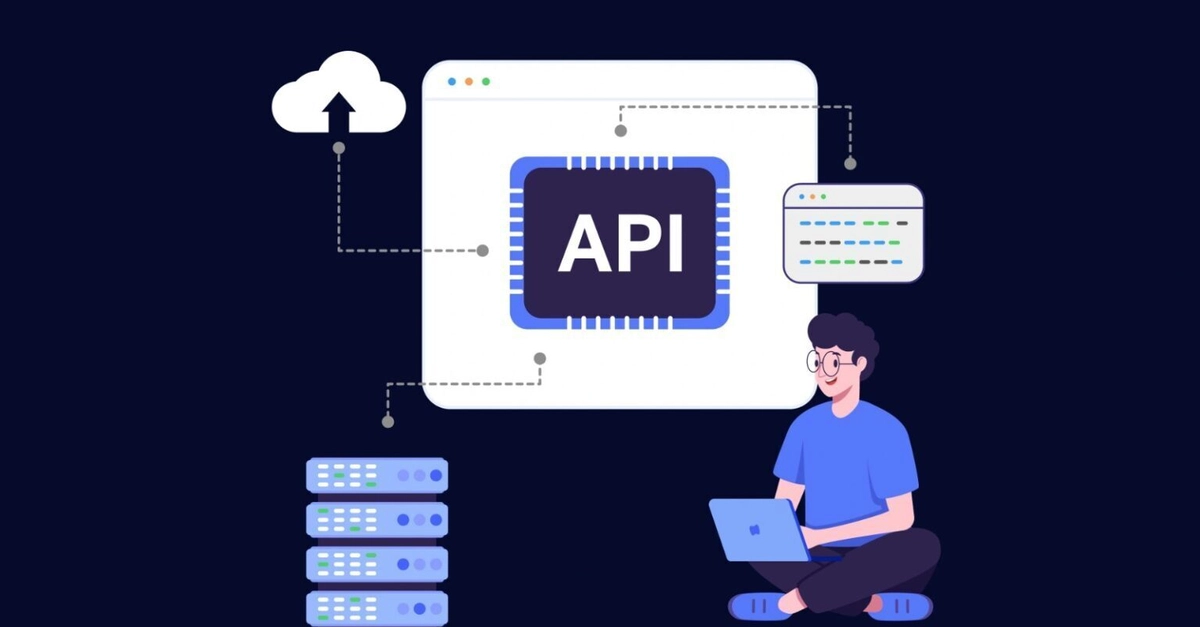
API testing verifies that an application’s programming interfaces do what they’re supposed to do, independent of whatever UI happens to sit on top of them. Instead of clicking through screens, testers (or automated scripts) send requests directly to an API’s endpoints and check the response: the right status code, the right data, the right structure, within an acceptable amount of time, and with the right behavior when something goes wrong. These API testing strategies help teams validate API behavior systematically across different scenarios.
This covers a wide range of checks. Functional testing confirms an endpoint returns correct data for valid input. Negative testing sends malformed or unexpected input to see whether the API fails gracefully instead of crashing or leaking information. Load and performance testing checks whether an API holds up under real-world traffic. Security testing probes for issues like broken authentication, exposed data, or improper access control. And contract testing verifies that an API keeps its promises to the other services and applications that depend on it, even as it evolves.