A practical look at the strategies, tools, and trade-offs behind resilient API test automation and why test data management is just as important as the healing logic itself.
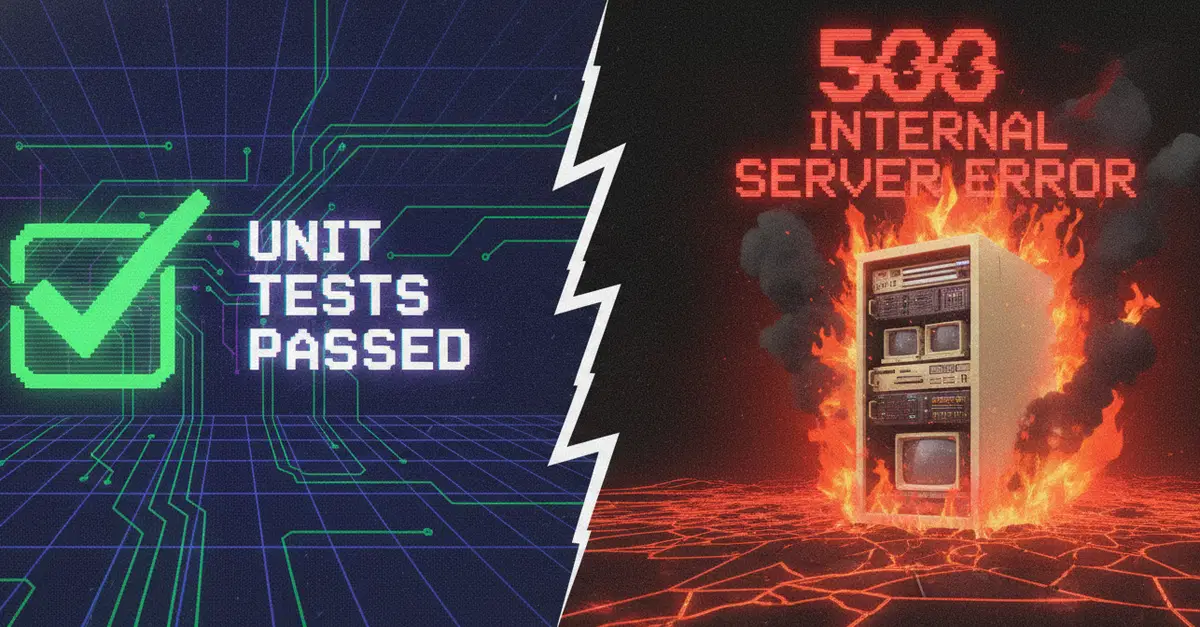
Every QA engineer knows the feeling: you left a perfectly green test suite on Friday. You come back to a wall of red. A developer renamed a field in the response body. An endpoint got versioned. A new required parameter appeared in incoming requests. And your tests didn't survive it.
This is the central problem of API testing at scale: APIs are designed to evolve, but traditional test suites are static. The gap between those two facts is where enterprise QA teams bleed time, money, and morale.
Self-healing API testing is the industry's answer to that gap. But "self-healing" is an umbrella term that covers very different capabilities depending on the platform, the maturity of the testing team, and, critically, how well the underlying test data management is handled. Let's unpack what actually happens under the hood.
Why APIs Break Tests Faster Than UIs Do