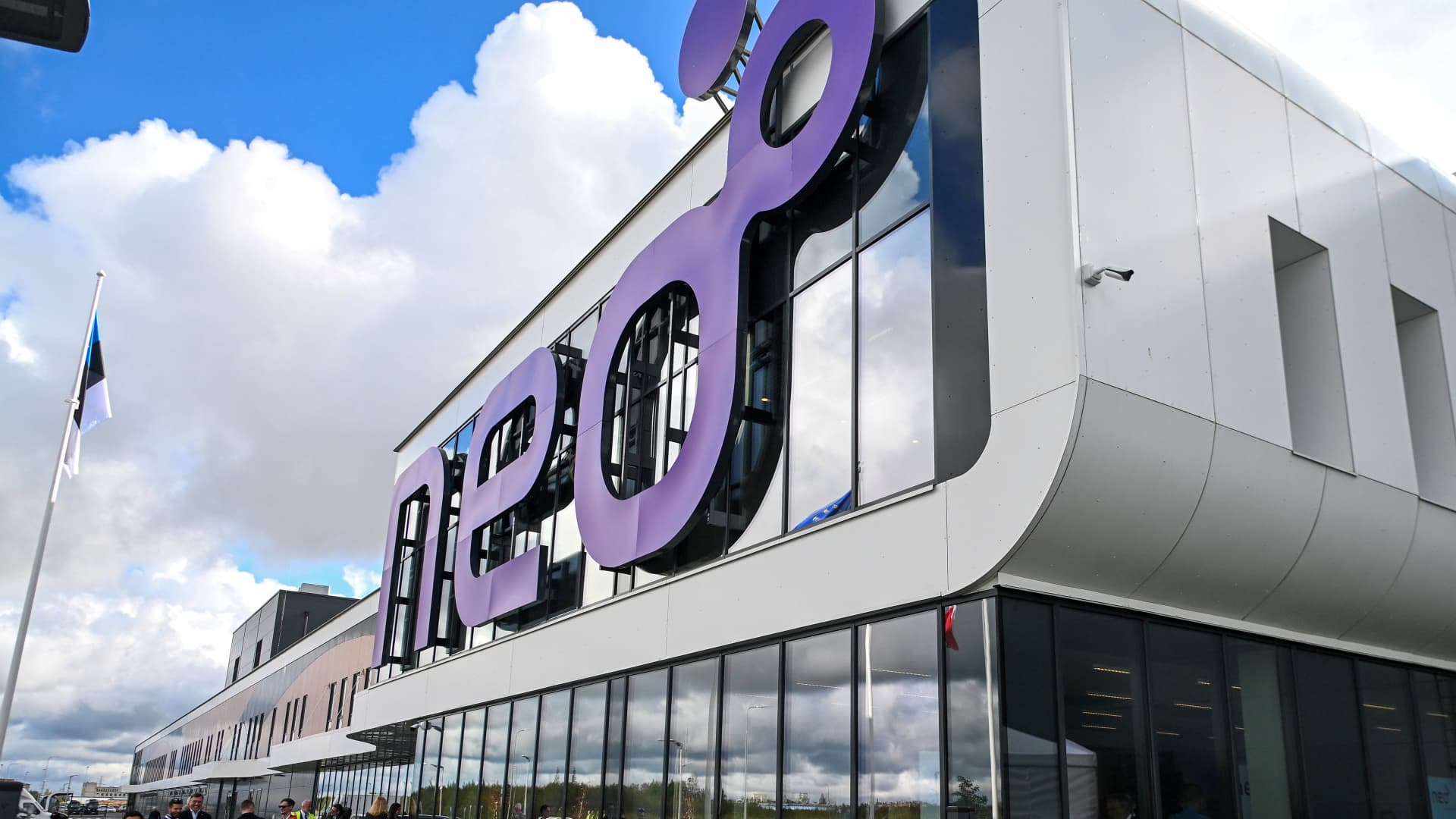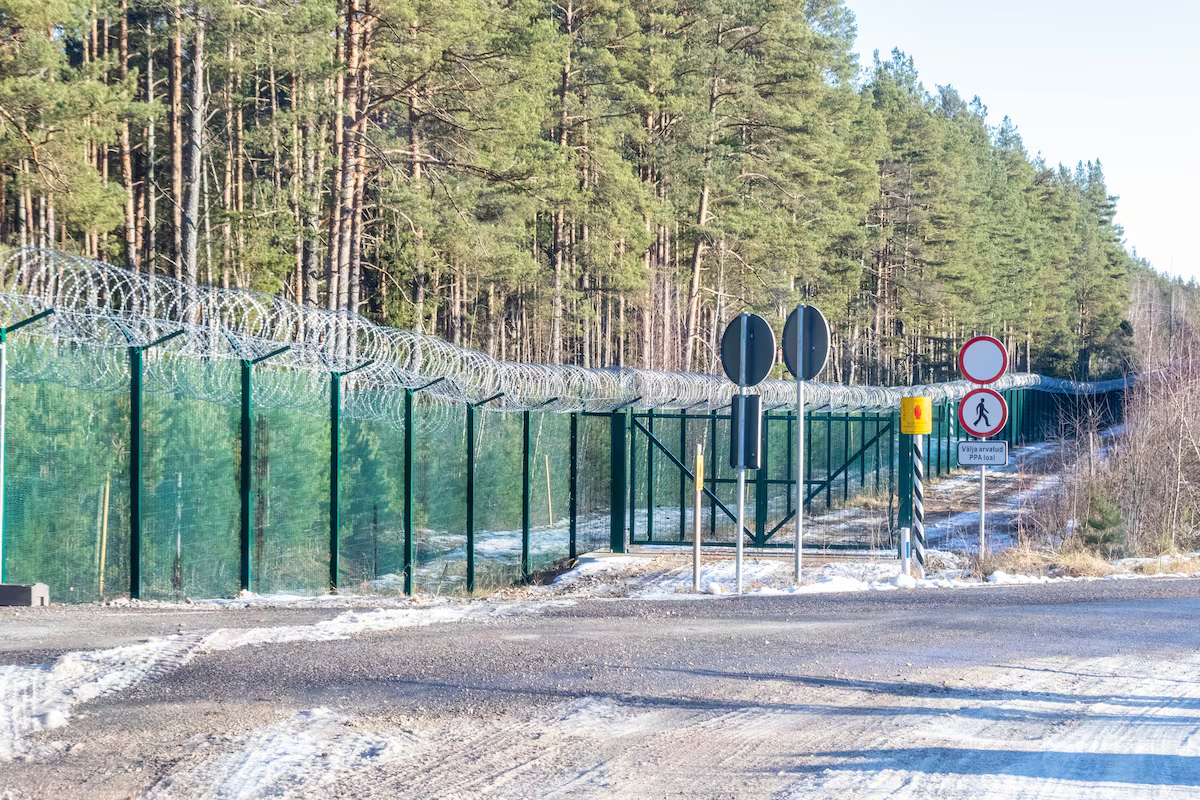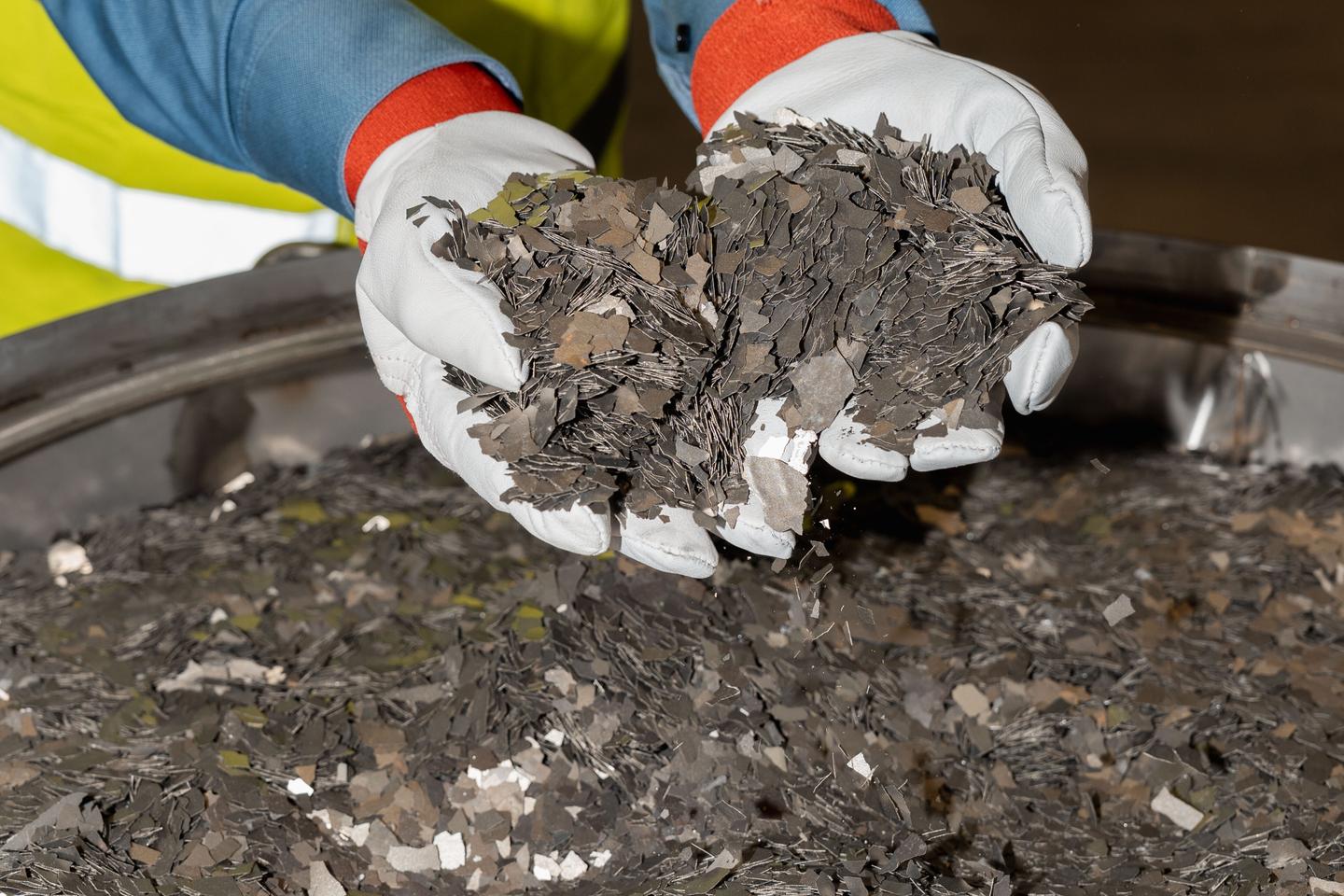
It takes several minutes to walk the full length of the former secret Soviet industrial plant. For the first decade and a half of the Cold War this long, imposing building was known simply as postbox number 22 and did not appear on ordinary maps. Baltijets, the once-classified military factory in Narva, eastern Estonia, was involved in testing uranium to complement an enrichment facility in nearby Sillamae, built around the same time after the second World War, which supplied Moscow’s nuclear weapons programme. The Soviet leadership had established that oil shale deposits in Sillamae could be mined for uranium. The town on the coast of Narva bay was removed from maps and became a “closed city” to which access was tightly controlled, given the important role it would come to play supplying the Soviet Union’s nuclear ambitions. Later, the uranium lab work in the Narva city factory was shelved and the site was repurposed to produce electronics and other equipment. In the final years before Estonia regained independence in 1991, the facility produced computers for schools in the small Baltic country. Today, the exterior of Baltijets is rusting and grey. It looks abandoned from the outside. However, a sudden whirring and hissing of machines startled me as I walked past. For a split second, I wondered whether I had heard the echo of a Soviet ghost working away on a top-secret project. But a quick bit of online sleuthing revealed parts of the sprawling site is used by a steel fabrication company. Narva retains an ageing Soviet feel. Everyone speaks Russian. The small Estonian city is right on the border with Russia. Following the second World War, it was repopulated with factory workers brought in from Russia and other parts of the USSR. Most of the original Estonian population who were displaced were not permitted to return after the war, so the city is ethnically Russian. I spent a few days in Narva earlier this month writing a feature about Estonia’s defence preparations in the shadow of the threat posed by its Russian neighbour. Former secret industrial factory aside, there’s not much to see there apart from colourless blocks of Soviet-style apartments. Funding has gone into a new playground and gym. The government in Tallinn is obviously eager to win over the hearts and minds of residents who feel more of a connection to Russia. There is, bizarrely, an Irish bar, called the Irish Embassy pub. People chat in Russian over a playlist that includes the Dubliners and other Irish trad staples on the evening I stick the head in. The locals are weary of foreign journalists landing in the small city of 50,000 people. Russia’s invasion of Ukraine made Narva a point of geopolitical speculation: Might Vladimir Putin pick a spot such as this in the worst-case scenario – a military attack on a European Union state and Nato member – triggering a full blown conflict with the West? [ What are Ukraine’s critical minerals and what do we know about the US deal?Opens in new window ]It’s worth repeating that an attack is very, very unlikely at present. That could change if Ukraine’s defences collapse. On Europe’s eastern flank, the Baltic countries, the Nordics and Poland believe a victorious Russia, after taking a handful of years to build its military forces back up, would pose a grave threat on their doorstep. There’s another interesting line from Narva’s history linking the Soviet nuclear programme to present-day politics. The area hosts the largest rare-earth magnet factory in the EU, a site seen as vital to reducing Europe’s economic dependence on China for materials used to make electronics, smartphones, industrial machines, electric vehicles and wind turbines. Europe relies on China to supply more than 90 per cent of these magnets, which are vital to the modern-day economy. [ Scramble for rare earths carries big geopolitical risksOpens in new window ]Beijing has shown it is willing to temporarily cut off that crucial supply to exert political pressure on the United States and EU. That acute vulnerability is one reason European governments are wary of a confrontation over the growing imbalance in their trading relationship with China. The plant in Narva is operated by a Canadian mining firm, Neo Performance Materials, and plans to produce 2,000 tonnes of rare earth magnets a year, meeting about 10 per cent of Europe’s demand. The company has a rare earth separation plant in Sillamae, the nearby town the USSR mined for uranium. The plant in Sillamae, the former secret town, transforms rare earth ore into oxides which are supplied to the factory in Narva to be converted into rare alloys and then permanent magnets, which later end up in such products as electric vehicles, turbines and AirPods.
Walking past the decaying industrial plant, I swore I heard a Soviet ghost
From a Cold War nuclear programme to the modern race for rare earth magnets, this quiet Estonian city can’t escape geopolitics
791 words~4 min read