More health workers, stronger systems: Africa’s new ambitious goal
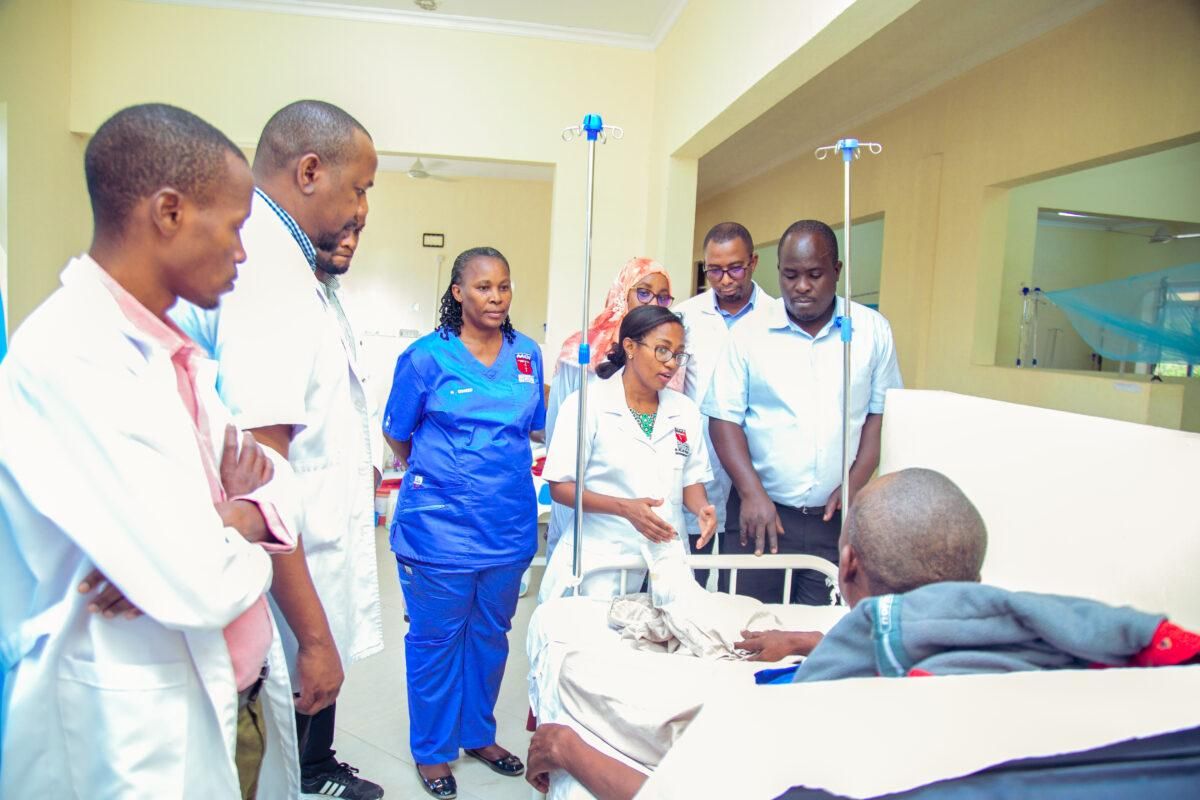
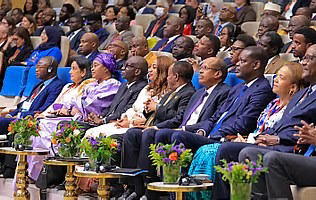
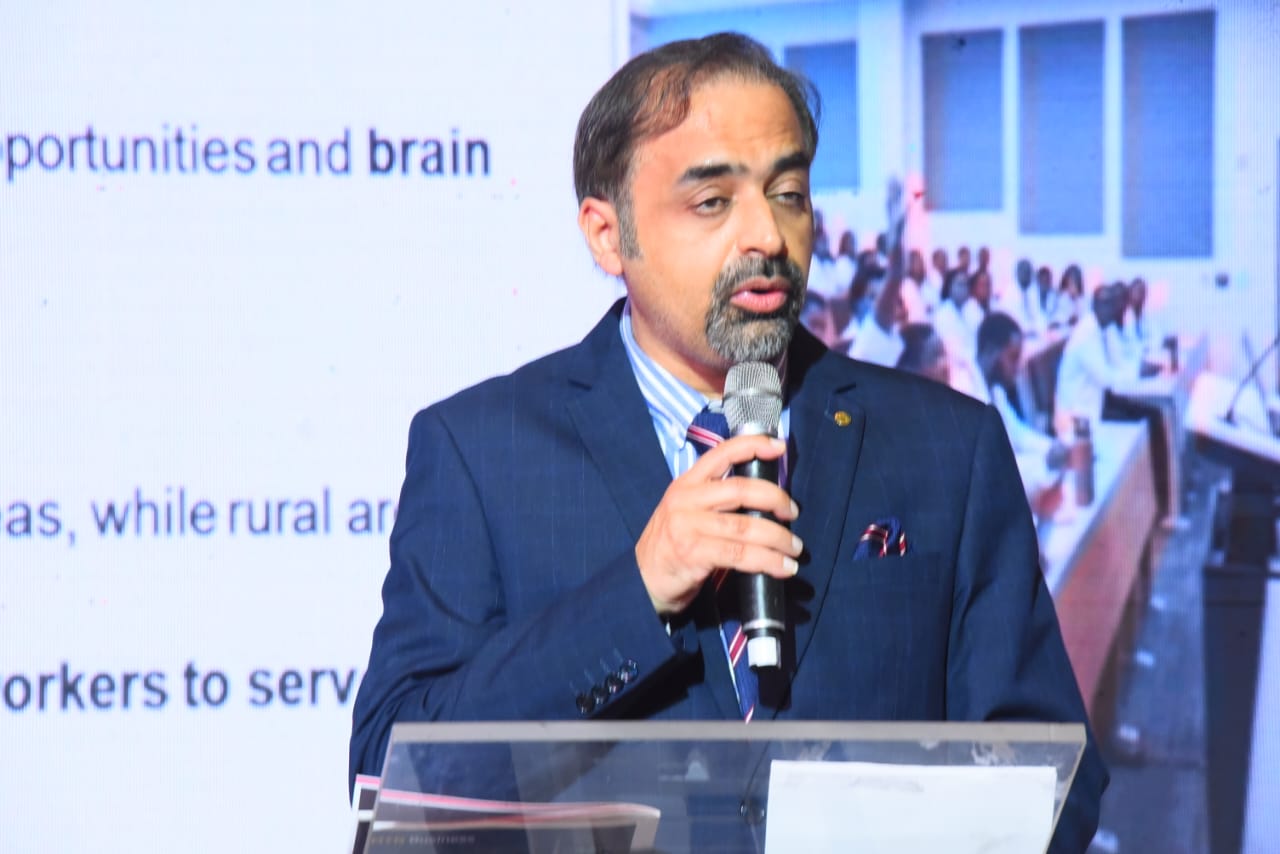
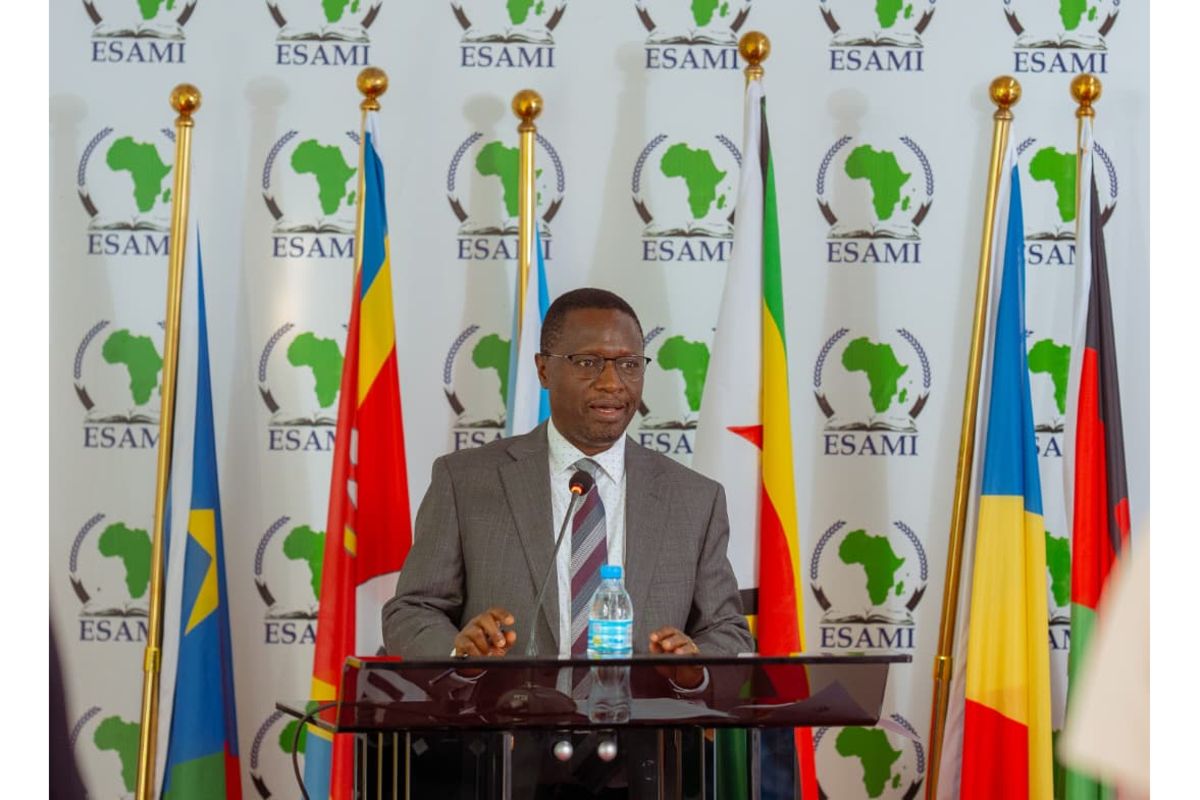
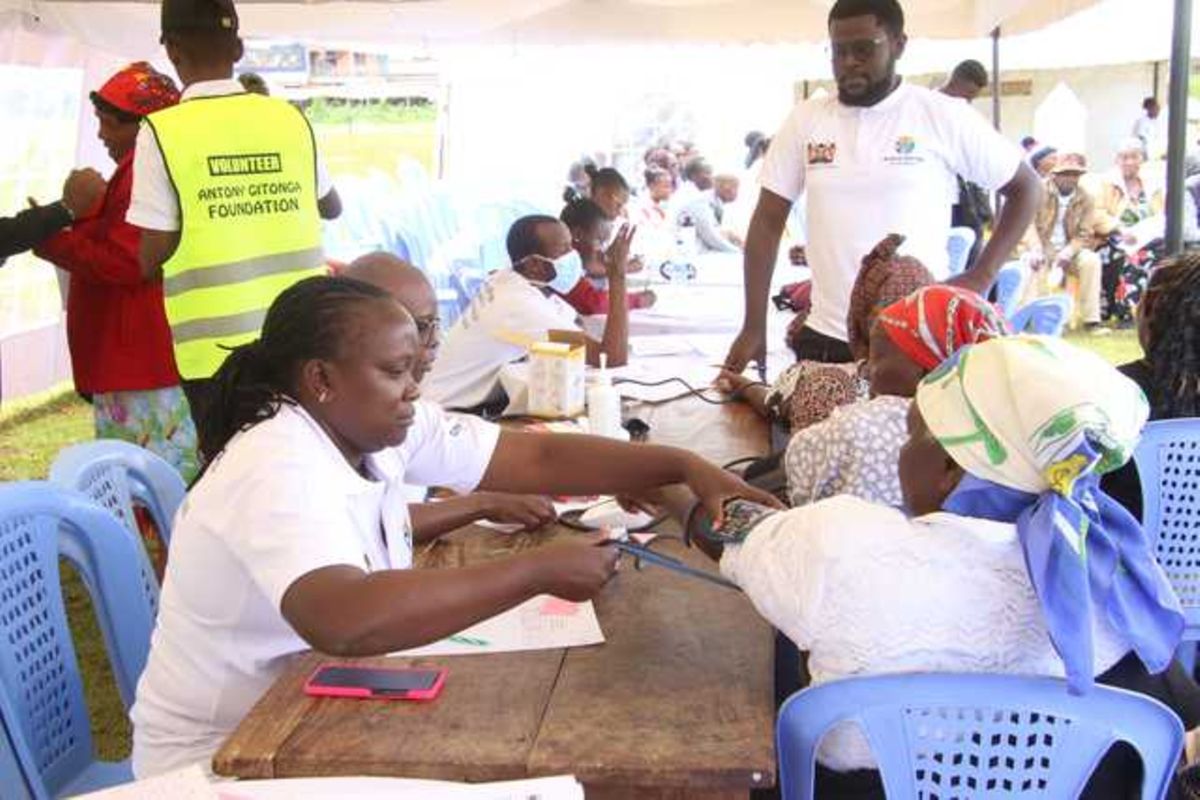
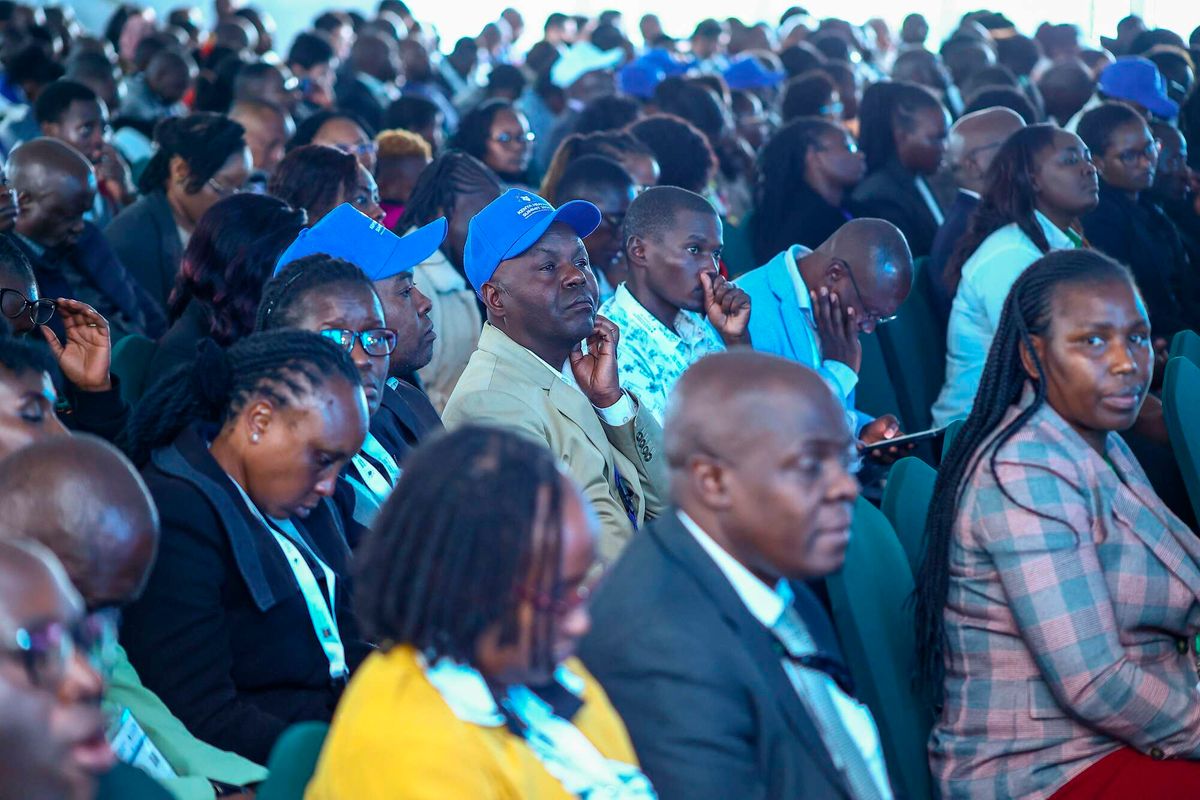
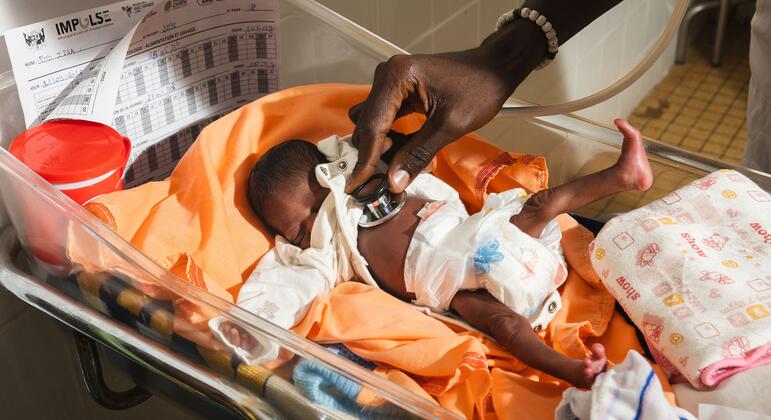
Key pointsThe new plan calls for coordinated investment to ensure countries have a skilled, motivated and adequately supported workforce capable of meeting Africa’s rapidly growing health needsThe agenda marks a shift from simply training more health workers to building sustainable, well-planned and equitably distributed health systems African health ministers also endorsed a new regional strategy to give every child the best possible start in lifeAdopted during the 76th session of the World Health Organization (WHO) Regional Committee for Africa, the Health Workforce Management Programme in Africa (2026–2035) aims to transform health-sector labour markets.The ministers approved a 10-year programme to train, employ and retain three million additional health workers in a major push to bolster health systems across the continent.“Our Member States have recognised that training health professionals is only the beginning,” said Dr. Mohamed Yakub Janabi, WHO regional director for Africa.“This programme turns evidence into concrete action and political commitment into sustainable investments for Africa’s health workforce and, ultimately, for the health and well-being of our populations,” More health workers, but still not enoughThe commitment comes as Africa’s health workforce has grown significantly over the past decade, reaching nearly 5.72 million professionals in 2024.Yet, the increase remains far short of what is needed. The continent currently has only about 46 per cent of the health workers required to meet its needs, leaving millions of people without adequate access to essential health services.Without decisive action, the shortfall could exceed six million professionals by 2035.