By
Ouma Oluga
Principal Secretary, State Department for Medical Services
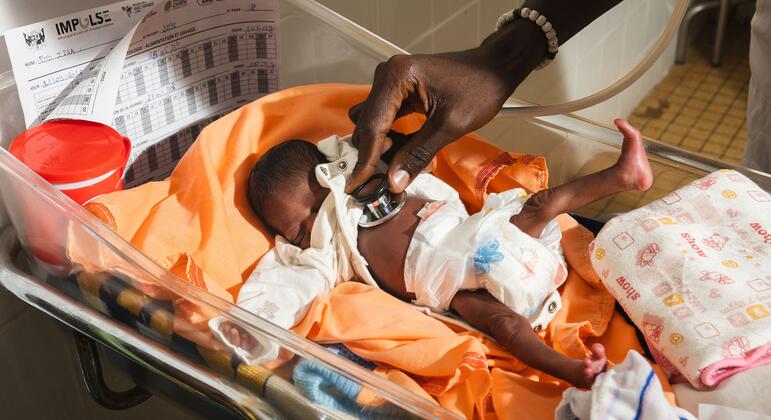
The countries that will lead the 21st century will not simply be those whose people live longer. They will be those whose people stay healthier for longer — able to learn, work, innovate, care for their families and participate fully in society. That is why the next frontier of development is not lifespan alone, but healthspan: the number of years people live in good health.
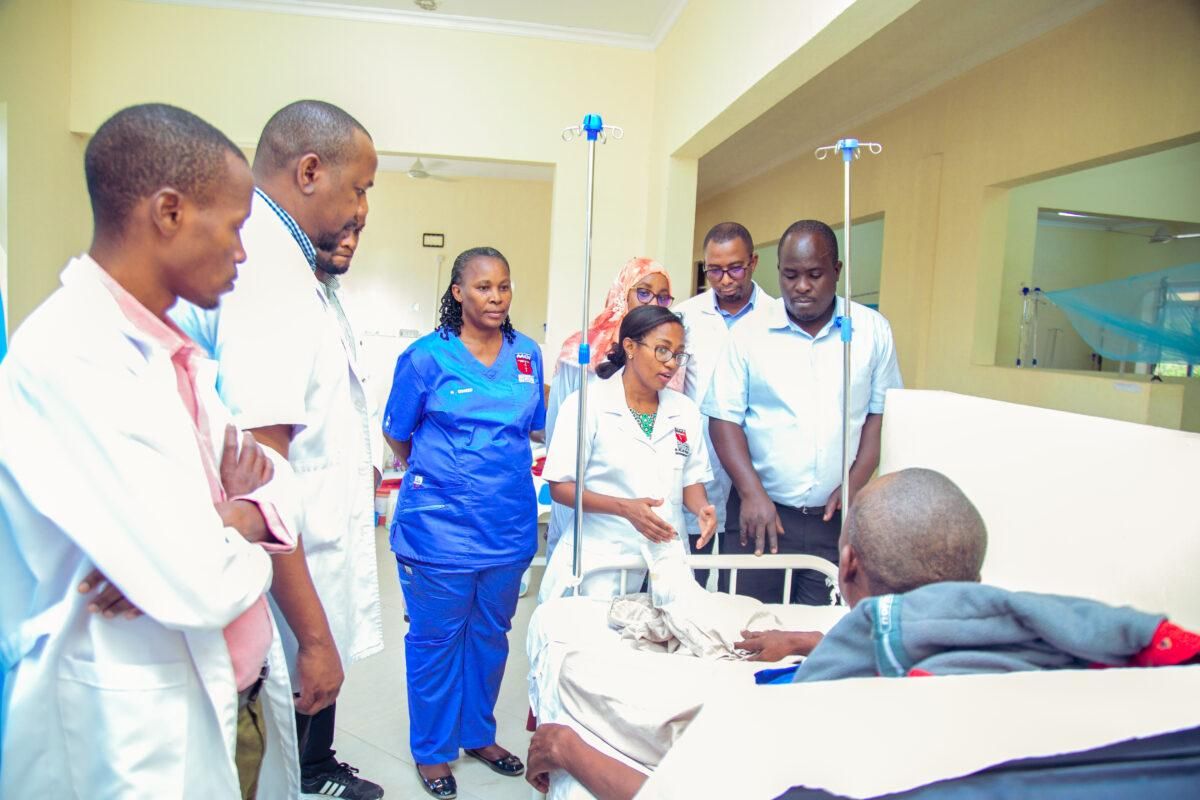
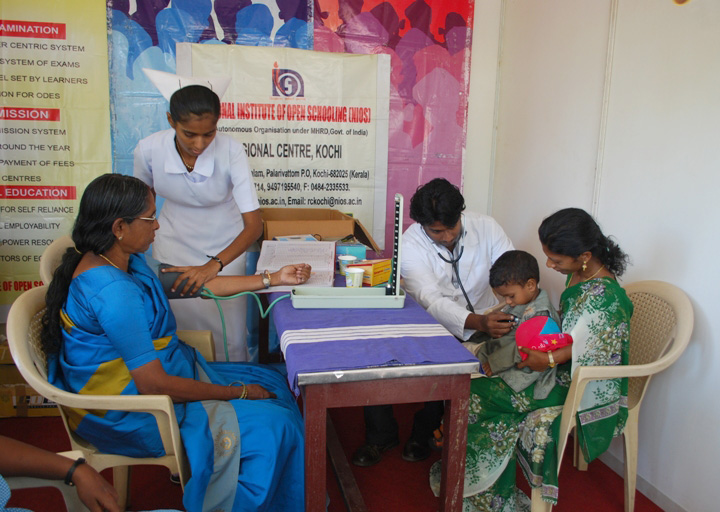
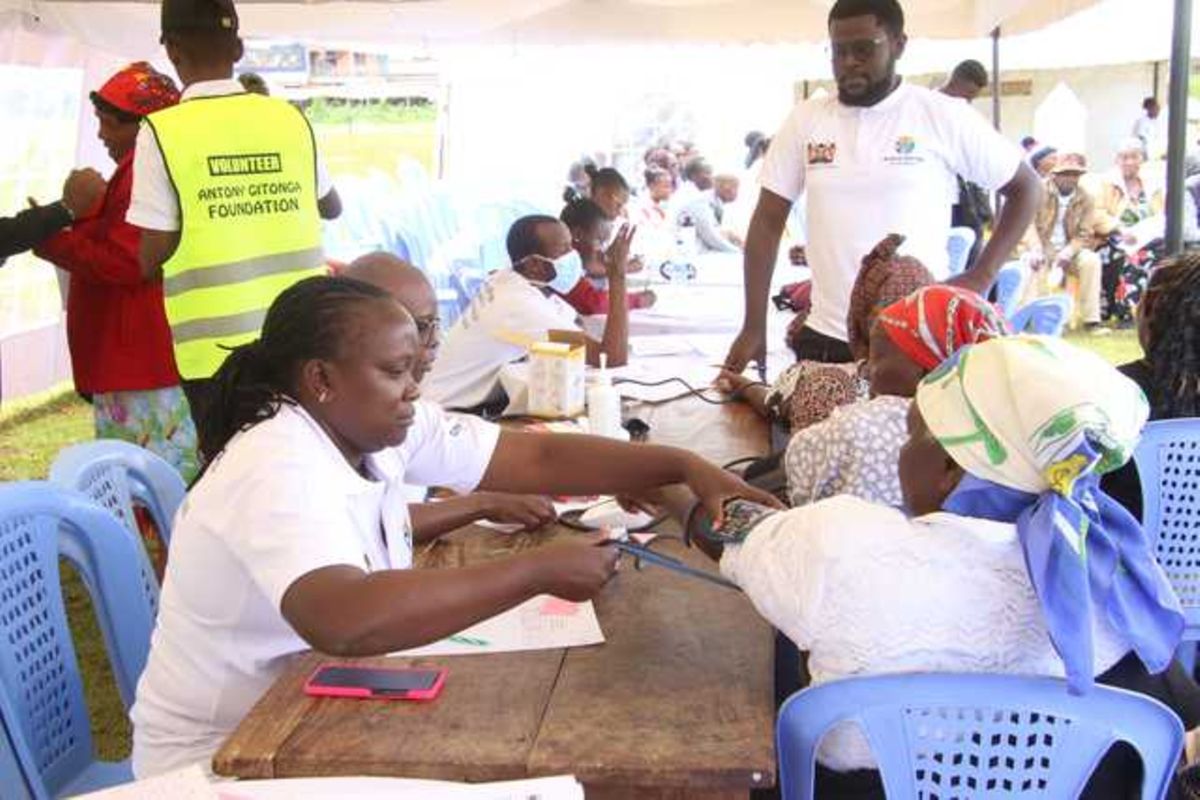
This is no longer a niche public health idea. It is fast becoming a global economic imperative. The World Health Organisation has shown that scaling up primary healthcare interventions in low- and middle-income countries could save 60 million lives and increase average life expectancy by 3.7 years by 2030, while most projected health gains under the Sustainable Development Goals could be achieved through primary healthcare.