Land models sprout as degradation threatens billions of livelihoods
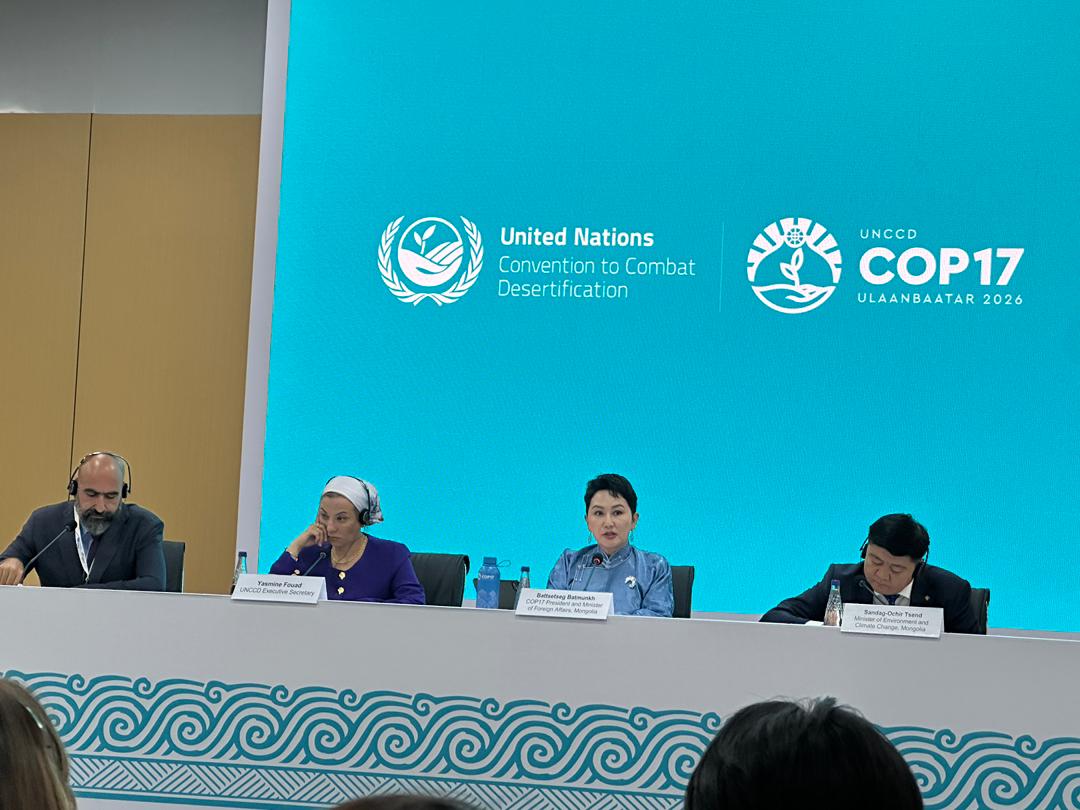
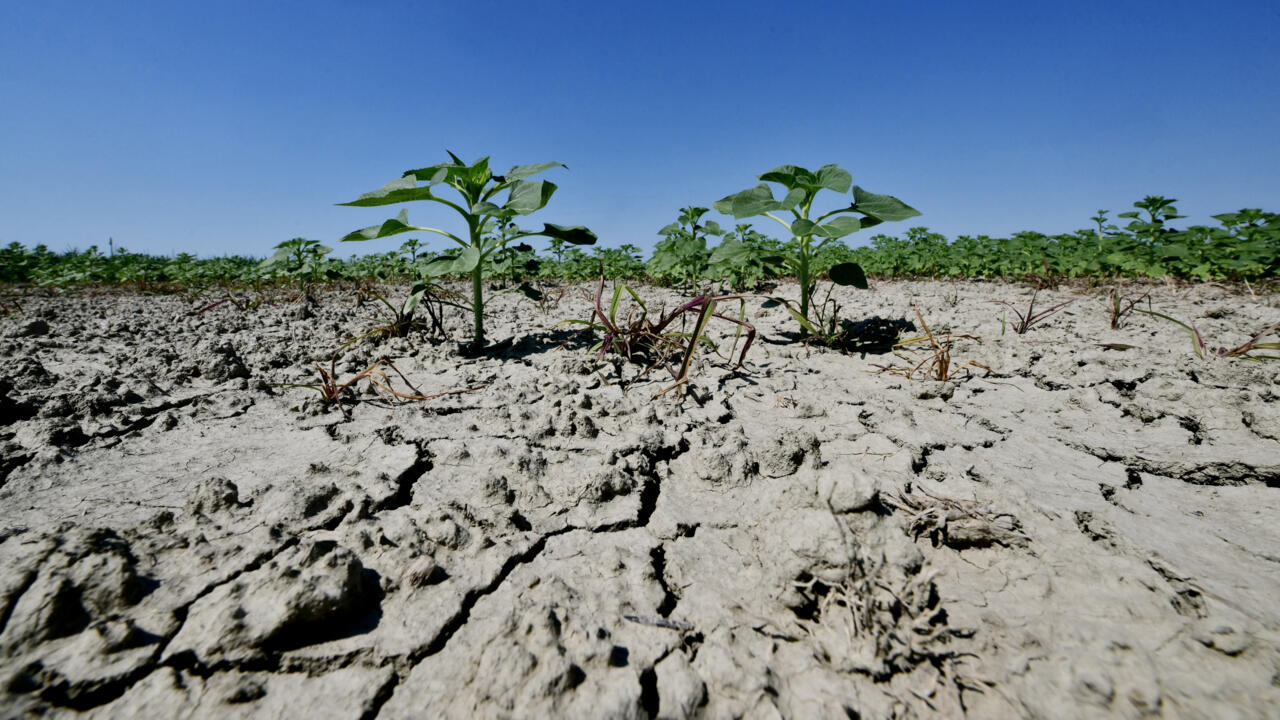
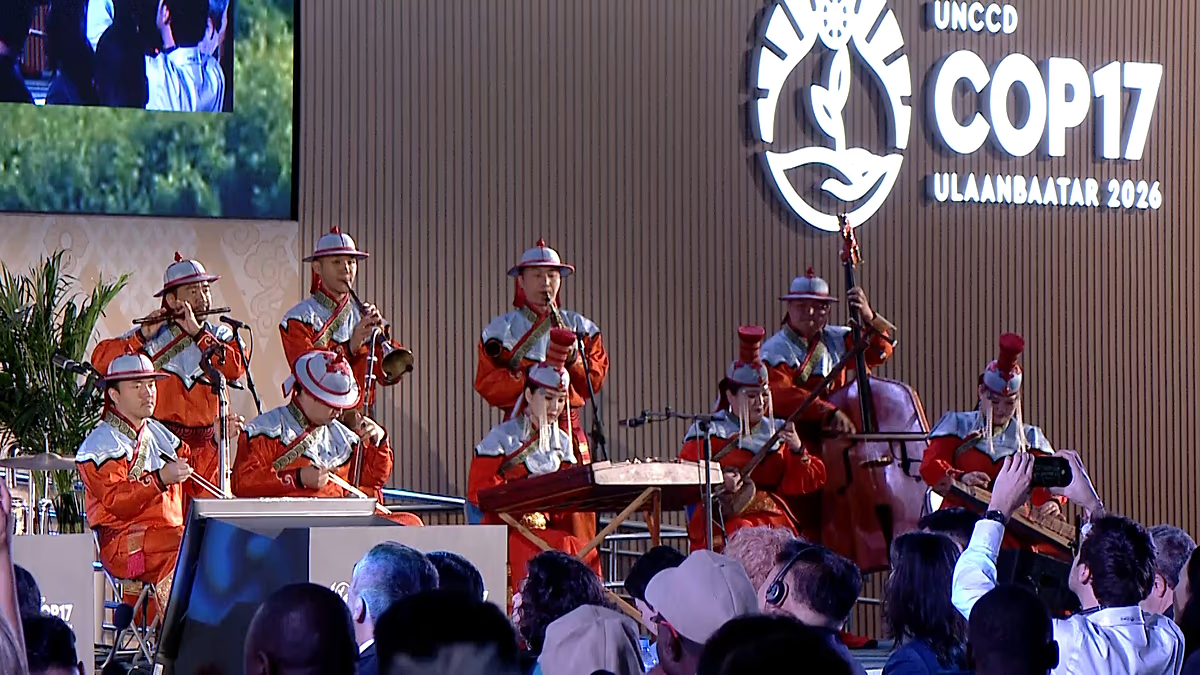
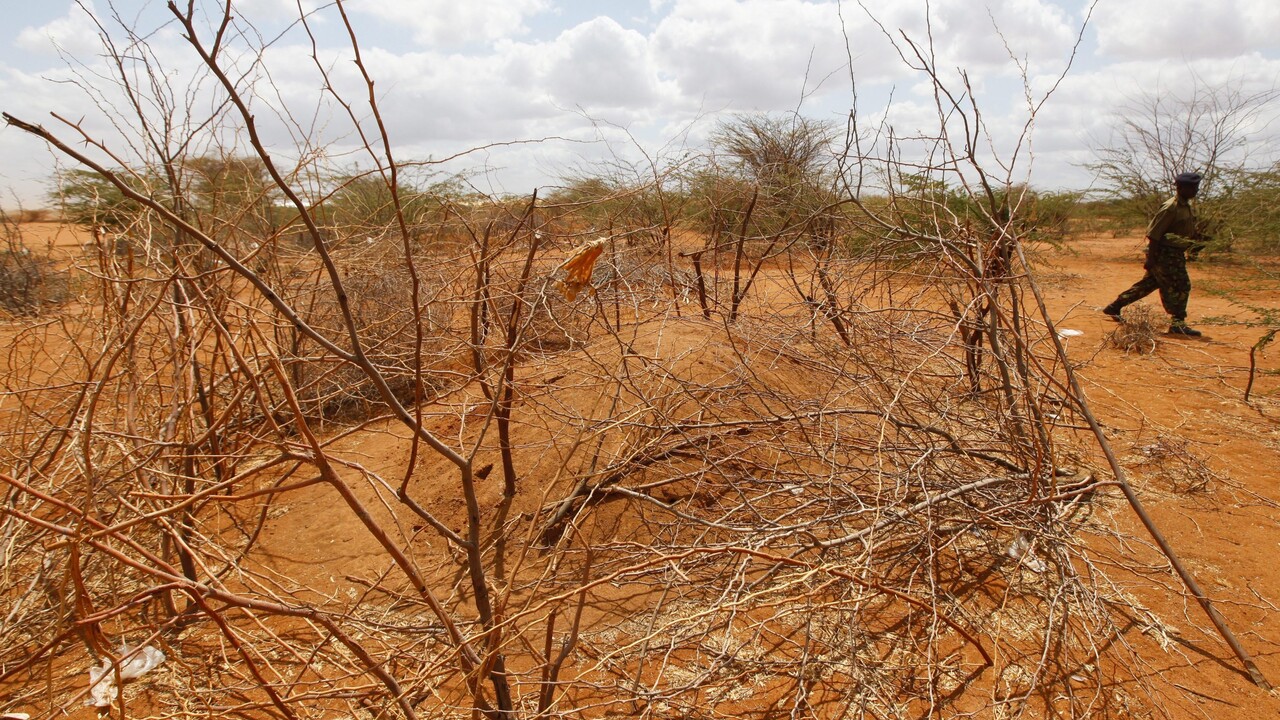
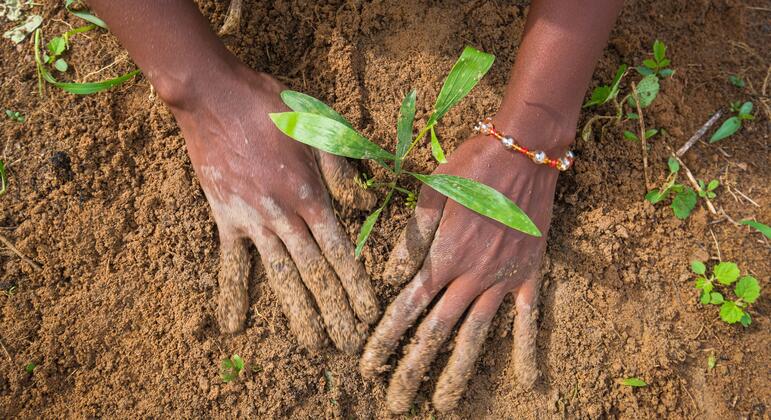
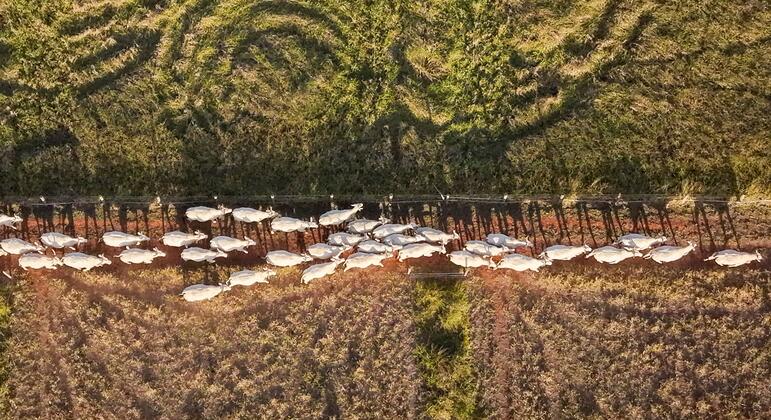
The UN desertification conference, running from 17 to 28 August in Mongolia, is has awarded three land rejuvenation programmes, which together aim to restore a total of almost five million hectares by 2030, an area equal to nearly seven million football fields.“These [programmes] show that restoration works,” UNCCD chief Yasmine Fouad said. “They demonstrate that investing in nature strengthens resilience, supports livelihoods and delivers tangible benefits for people and communities.”There is now a growing recognition that land degradation, drought and ecosystem loss are no longer just environmental concerns.They are fundamental challenges to food security, water security and economic stability, Ms. Fouad said, noting that the UN is committed to global goals of restoring one billion hectares of degraded land by 2030.Here’s a look at some of the gains already made by the World Restoration Flagships winners:Brazil: Rescuing world’s most biodiverse savannah The Cerrado covers about one quarter of Brazil’s total land area and is the world’s most biodiverse tropical savannah, but it has lost over half of its native vegetation due to large-scale land conversion and climate change, undermining Indigenous Peoples’ rights, food production and water availability. The initiative, Restoring Brazil's Cerrado Savannah, brings together over 180 partners to restore projects across nine Brazilian states through natural regeneration, direct seeding, restoration and agroforestry with native species.So far, the Restoring Brazil’s Cerrado Savannah has placed over 27,000 hectares under restoration and used seeds from more than 150 native plant species in restoration activities.Its overarching goal is restoring two million hectares by 2030.