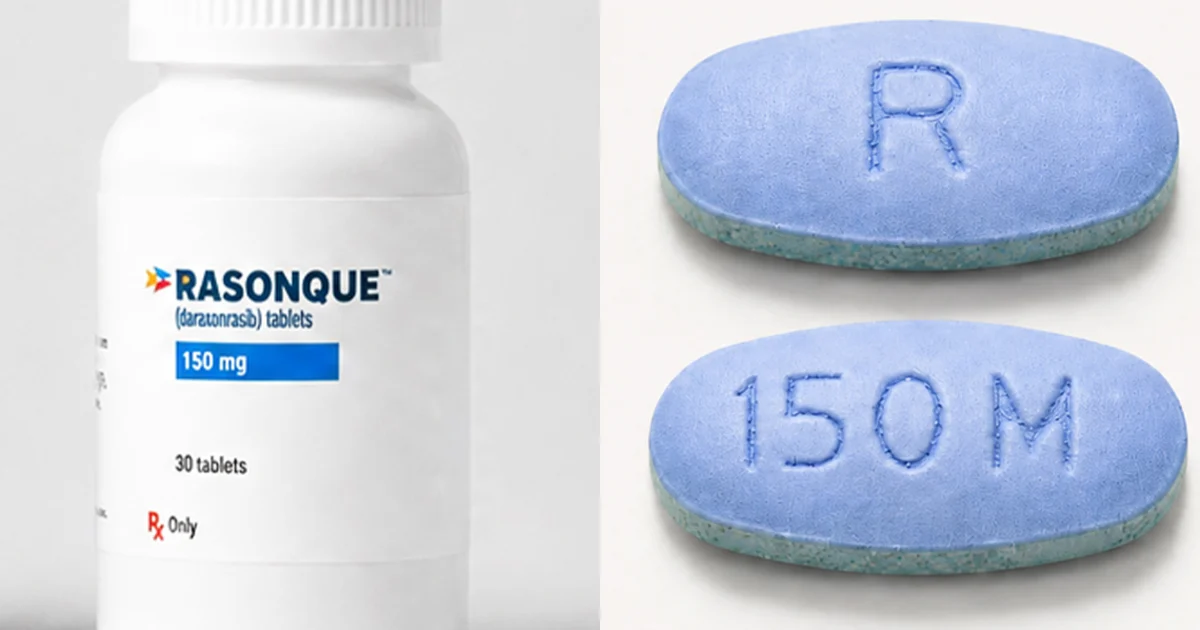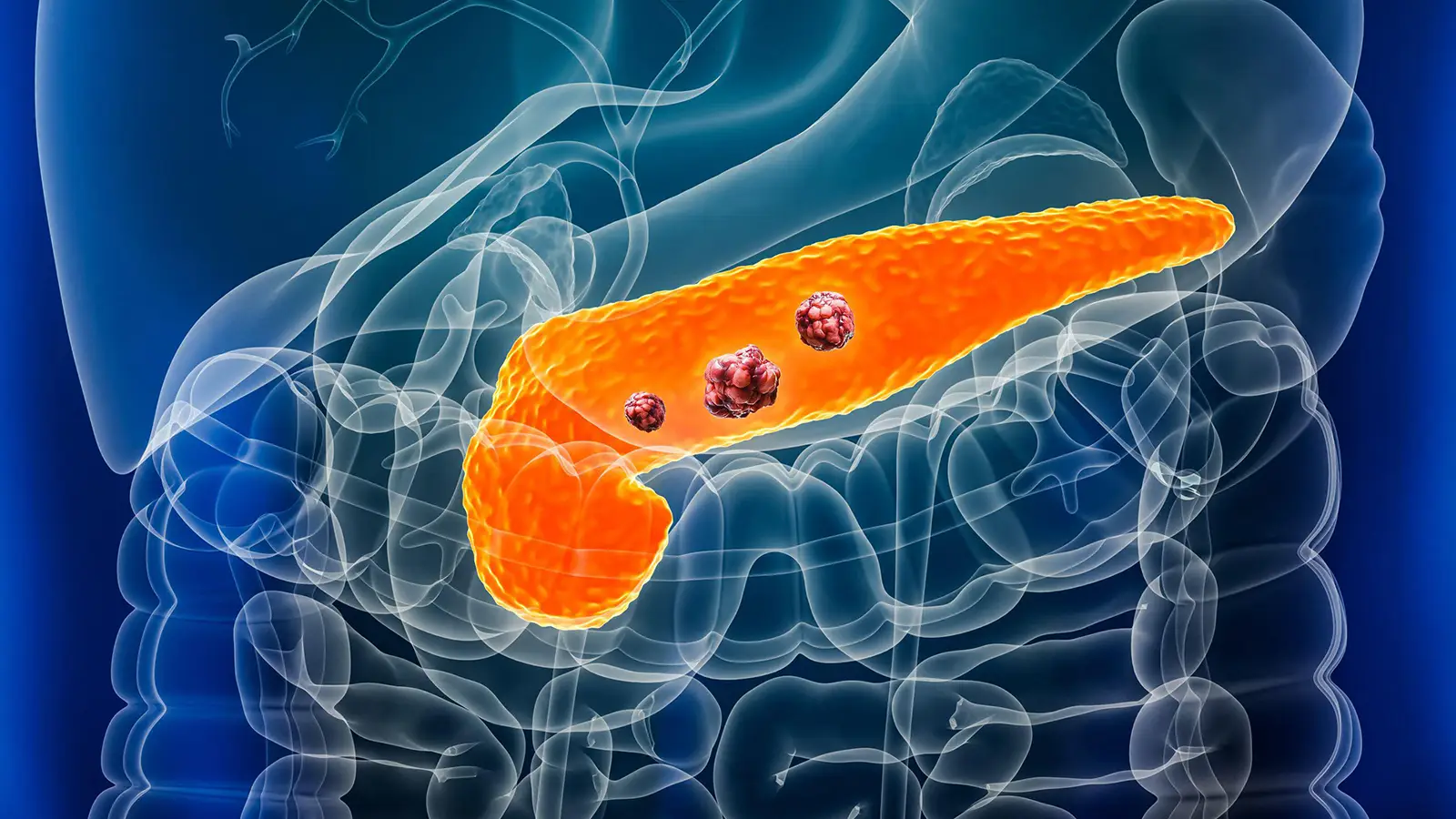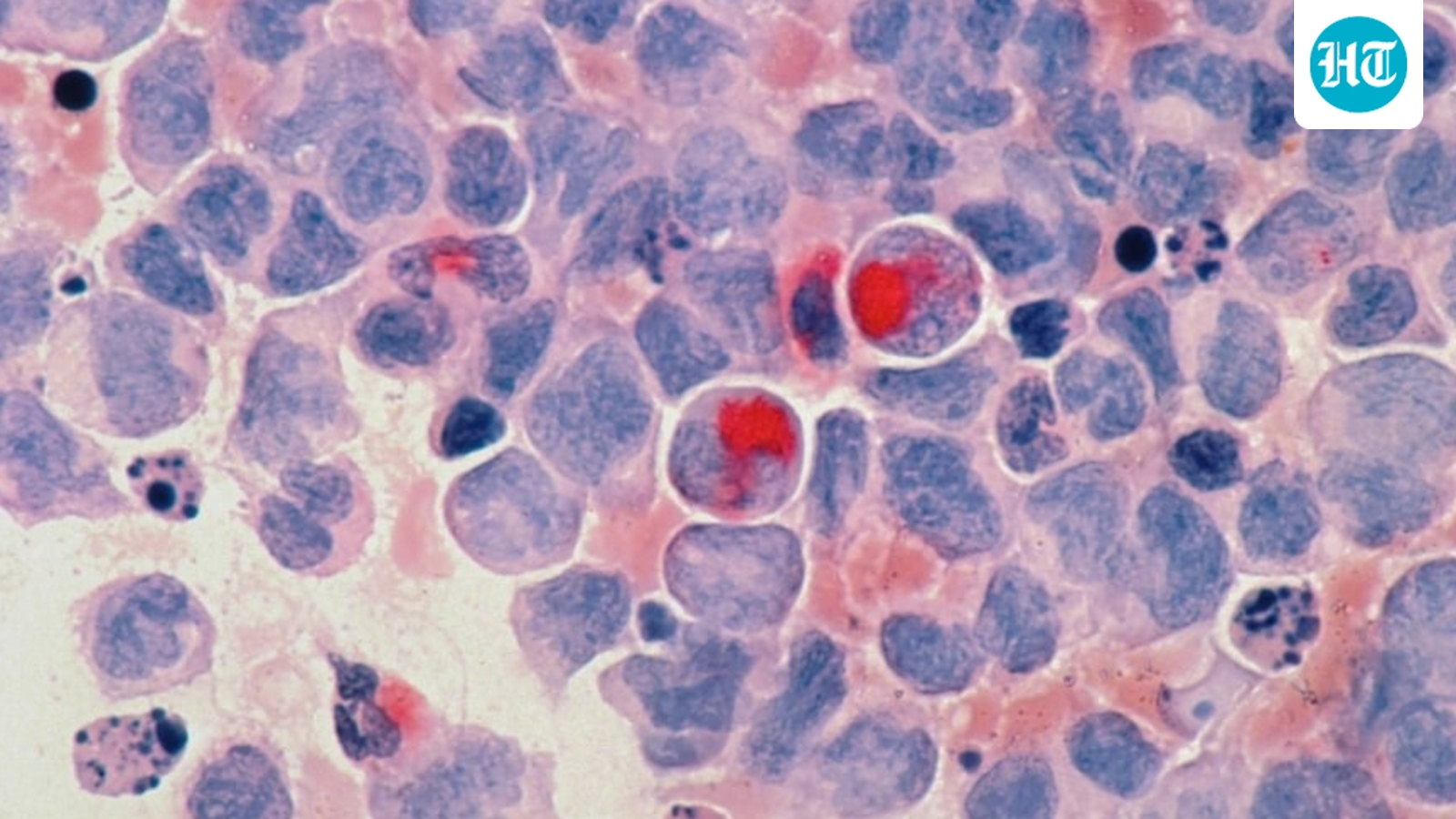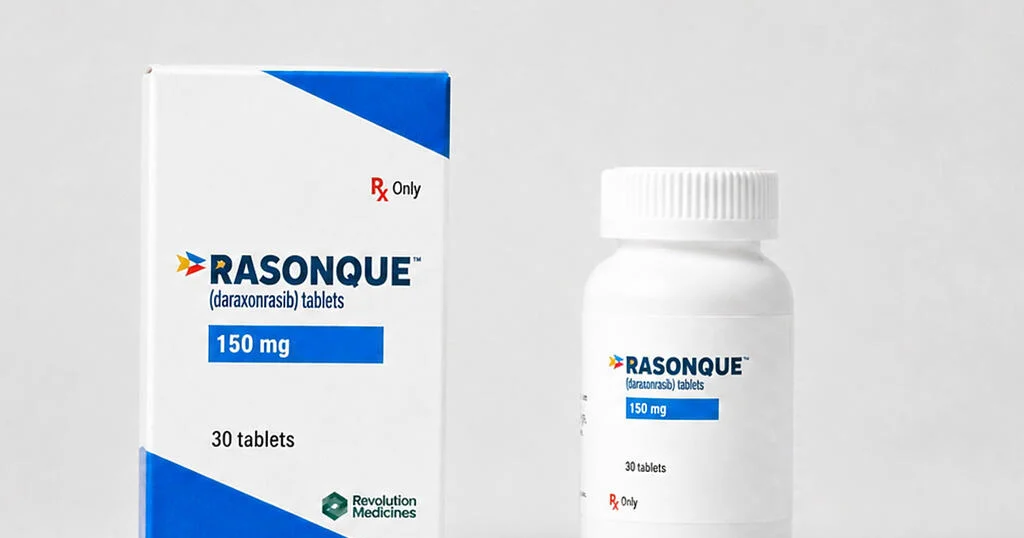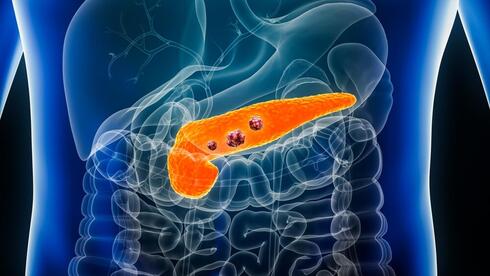
After decades of efforts to block the tumor-driving RAS protein, the FDA approved daraxonrasib after unprecedented survival gains in metastatic pancreatic cancer; treatment costs about NIS 90,000 a month, raising access concernsMajor news for pancreatic cancer patients: The FDA, the U.S. Food and Drug Administration, approved daraxonrasib on Wednesday, a new targeted drug for patients with metastatic pancreatic cancer, six and a half months ahead of the target date set for completing its review.The drug, taken as a pill once a day, is expected to become available for import to Israel soon, but its price could reach tens of thousands of shekels a month. In the video below, the audience rose to its feet and cheered when the study results were presented at the ASCO oncology conference in Chicago.The audience rose to its feet as the daraxonrasib trial results were presented (Video: From Mark Lewis’ X account)“Pancreatic cancer is considered one of the more difficult cancers today, and the statistics have not changed very much in recent years,” said Prof. Ido Wolf, director of the oncology division at Tel Aviv Sourasky Medical Center, Ichilov Hospital. “The chance of someone with metastatic disease being cured is close to zero, and life expectancy has been roughly somewhere between a year and a year and a half. I’m talking only about metastatic disease, because that is what the drug is for. Once a person is diagnosed with metastatic pancreatic cancer, the statistics point to limited survival, and the treatment is difficult chemotherapy.”About 80% to 90% of pancreatic tumors carry a mutation in a protein called RAS, which plays a central role in tumor growth.“It is like the gas pedal driving the tumor forward,” Wolf said.For decades, billions of dollars have been invested in attempts to develop drugs that inhibit the protein, without success. Only recently have drugs begun to emerge that can inhibit its mutated form, and daraxonrasib is the first to demonstrate effectiveness in a Phase 3 trial.Pancreatic cancer is considered a silent and deadly form of the disease (Photo: Shutterstock / MattL_Images)“One important thing to remember is that this is the first drug, and we already know there will be more drugs in the future,” Wolf said. “This is the first generation, a breakthrough, and many good things are still ahead of us.”One of the major challenges in developing drugs against RAS, he said, stems from the protein’s structure.“There is no way to inhibit the protein directly because it is a ‘smooth’ protein,” Wolf said. “Anything you try to put on it just slides off.”Daraxonrasib gets around that obstacle indirectly. The small molecule binds to an intracellular protein. Together, they form a structure that attaches to the active form of RAS and blocks the signaling that promotes tumor growth.“Instead of locking it with a lock, it is as though they put a helmet on it and sealed it off,” Wolf said.The Phase 3 trial included 500 patients with metastatic pancreatic cancer who had already received previous treatment. Daraxonrasib was given as a single oral treatment at a dose of 300 milligrams once a day.Median survival among patients who received the drug was 13.2 months, compared with 6.7 months among those who received standard chemotherapy.Prof. Ido Wolf
FDA approves breakthrough drug for metastatic pancreatic cancer: 'A real revolution'
After decades of efforts to block the tumor-driving RAS protein, the FDA approved daraxonrasib after unprecedented survival gains in metastatic pancreatic cancer; treatment costs about NIS 90,000 a month, raising access concerns
535 words~2 min read