Upgrading Kubernetes clusters across a large enterprise fleet is often a balancing act between staying current with security patches and avoiding outages. By default, Google Kubernetes Engine (GKE) rolls out automatic upgrades progressively according to Google Cloud regional timelines. While regional rollout works well for standalone clusters, it does not understand your organization's business topology. If you run staging clusters in us-central1 and critical production clusters in us-east1, a standard regional rollout could upgrade your production environment before your pre-production validation completes.
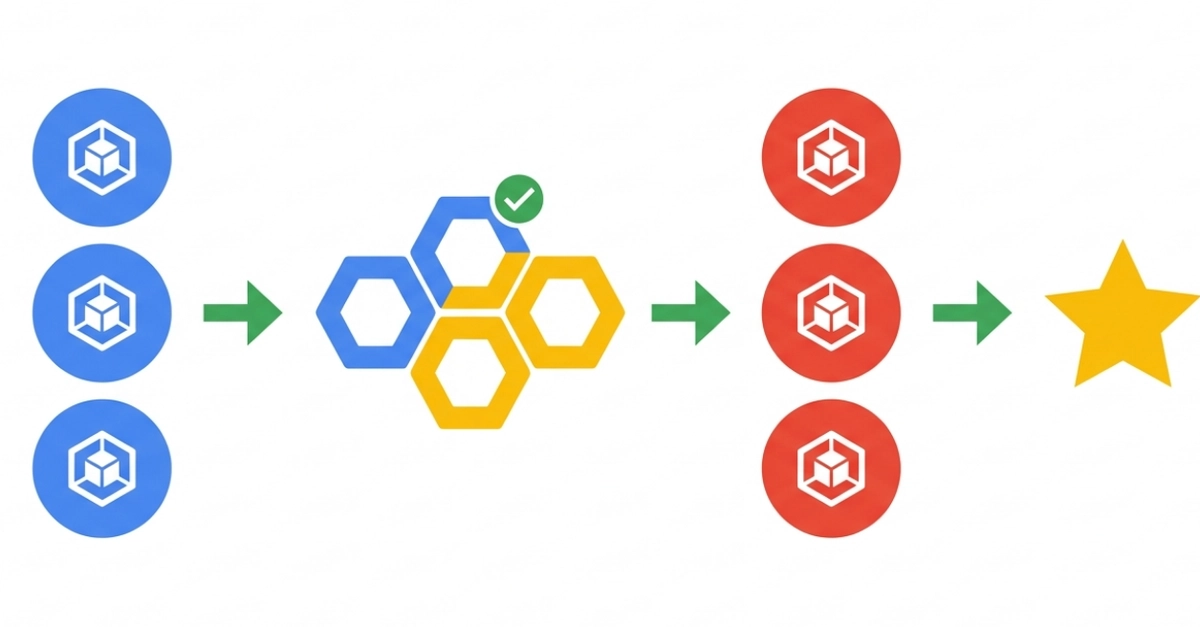
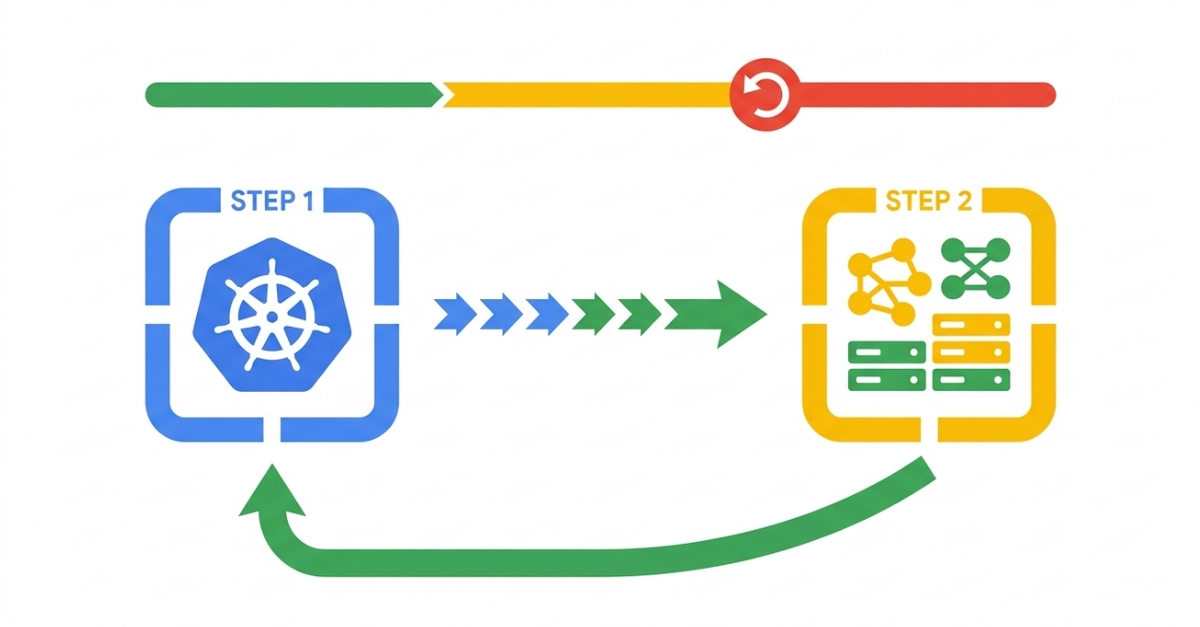
The General Availability (GA) release of GKE rollout sequencing with custom stages solves this challenge. It provides platform teams with declarative control to sequence cluster upgrades across fleets, environments, and even distinct Google Cloud organizations according to business criticality rather than cloud geography.
How rollout sequencing works
Rollout sequencing builds on GKE fleet management. Fleets serve as logical boundaries for environments such as development, staging, and production. With rollout sequencing, you define an ordered pipeline of upgrade stages managed by a central resource called RolloutSequence.


 aws.amazon.com