Story audio is generated using AI
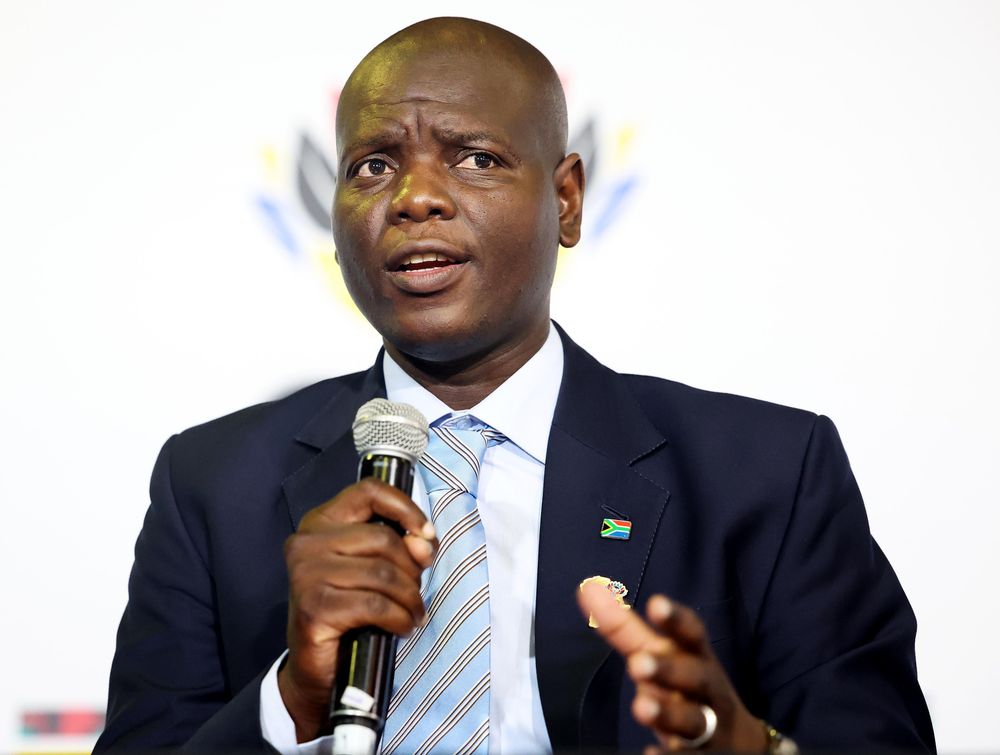
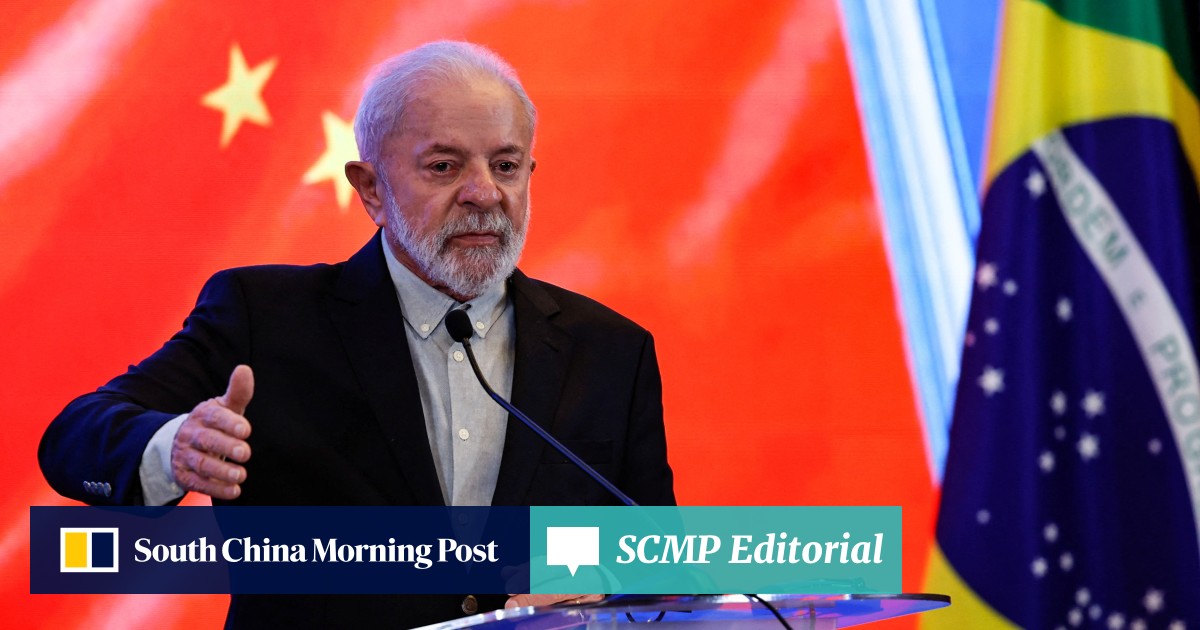
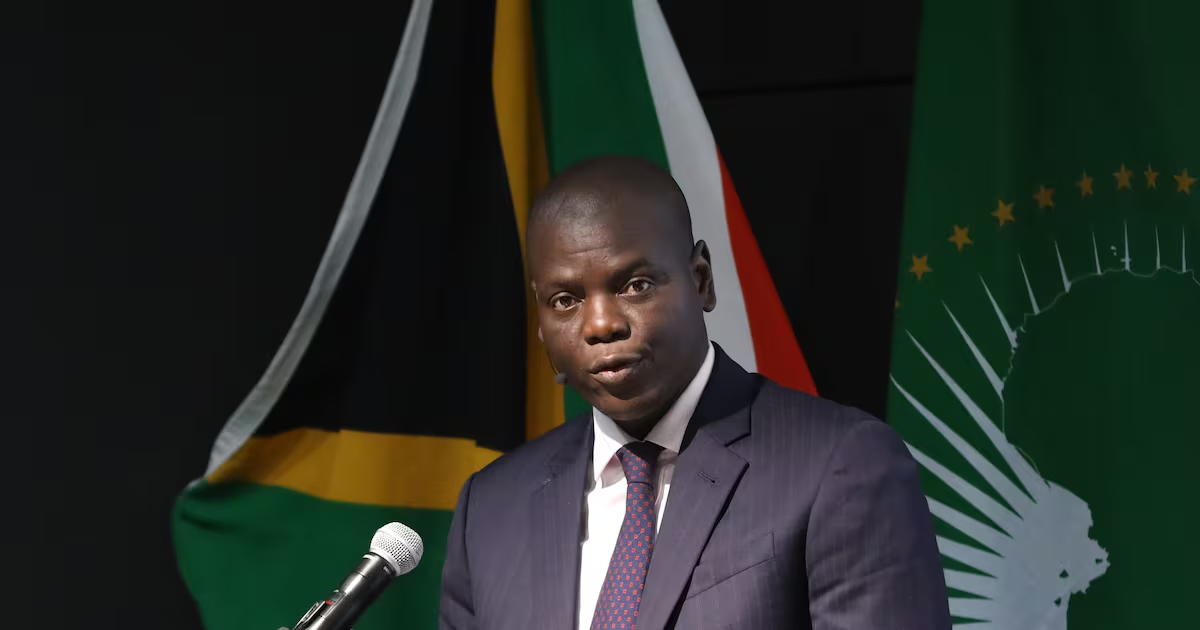
South Africa and Brazil temporarily put their trade wars on the back burner as they sought to deflect shared pressure from US-imposed tariffs.The two Brics members, arguably the largest economies in the Global South, on Wednesday said they are seeking to turn their political alignment into deeper economic and industrial co-operation, with trade, critical minerals, manufacturing and technology emerging as key areas for closer ties.The trade balance between the two countries heavily favours Brazil, resulting in a persistent deficit for South Africa.South Africa accuses its Brics ally of dumping frozen poultry on its market. Cane producers have also listed Brazil among the countries whose exports of subsidised sugar are undercutting South Africa’s cane industry.But according to sources in the department of international relations & co-operation (Dirco) who declined to be named, these differences were not on the table in the just-ended bilateral talks between the two countries. The push for closer ties took centre stage as both countries grapple with tariffs imposed by US President Donald Trump’s administration. South Africa faced a 30% tariff on many exports from August 2025, the highest rate on the continent, before a partial reversal earlier this year.Brazil was hit with a 25% tariff on most imports starting in July 2026, with the US accusing the South American country of unfair trade practices, including anticorruption enforcement and deforestation policy, which it has denied. The tariffs on Brazil were tied specifically to Trump’s objections to the domestic prosecution of a political ally, former president Jair Bolsonaro. The tariff pressure has pushed both governments toward diversifying trade relationships and deepening South-South co-operation as a hedge against US unpredictability. The push was outlined at the eighth session of the South Africa-Brazil Joint Commission, co-chaired by international relations minister Ronald Lamola and his Brazilian counterpart, Mauro Vieira. The meeting in Pretoria is reviewing existing bilateral agreements and memorandums of understanding while looking for areas where the relationship can be expanded.Bilateral trade between the two countries reached about $2bn in 2025, with Brazil now South Africa’s largest trading partner in Latin America and its second-largest in the Americas. Geopolitical tensions have also seen South Africa aggressively courting new export markets beyond its traditional partners. In August, Brics member India agreed to ease long-standing phytosanitary barriers on South African citrus after nearly a decade of negotiations, a breakthrough that industry figures hope will finally open access to a market of about 1.5-billion people. Brazil has sent a multisectoral trade mission to South Africa to assess opportunities for closer economic co-operation. The two countries want to increase bilateral trade while also raising the value of the goods they exchange, moving beyond a relationship centred on commodities.Lamola said South Africa and Brazil have an opportunity to work together on critical minerals needed for the global energy transition.Demand for critical minerals is expected to rise sharply as economies invest in clean energy and related technologies. Lamola said the two countries should avoid repeating a pattern in which developing economies export raw materials while higher-value manufacturing and wealth are created elsewhere.“Our regions and our countries are home to an abundance of the minerals that the world now needs for a green future,” he said, adding that demand for these minerals was likely to increase fourfold by 2040. “As this demand grows, Brazil and South Africa have an important opportunity to work together to ensure that it does not reproduce old patterns of extraction in which countries of the Global South supply raw materials while wealth and prosperity are generated elsewhere.”Vieira highlighted opportunities to deepen co-operation in science, technology and innovation, particularly in space science, ocean research and healthcare. Health co-operation has gained importance since the Covid-19 pandemic, with both countries seeking greater capacity to produce vaccines, medicines and other health technologies domestically.Brazil said it is prepared to expand co-operation with South Africa on vaccine production, technological development and local health manufacturing capacity. The two countries see the sector as an opportunity to strengthen health security across the Global South.“Both countries experienced firsthand the importance of strengthening national and regional capacities for the production of vaccines, medicines and other health technologies.“Brazil is prepared to deepen exchange with South Africa in this area, including through co-operation on vaccine production, technological development and the strengthening of local health manufacturing capacities,” Vieira said.“Brazil and South Africa have been targeted by tariffs that are political in nature and that attack our democratic institutions and our sovereignty. I am glad to say that in response, our countries have decided to move towards greater integration and openness, creating opportunities for our respective regions.”Agriculture and food security are also expected to form part of the expanded relationship. Lamola said South Africa and Brazil should use their influence in multilateral forums to advance the interests of developing economies. Their co-operation, he said, is based on a shared interest in reforming global governance and ensuring that developing countries have a greater role in shaping international economic and political decisions.Business Day