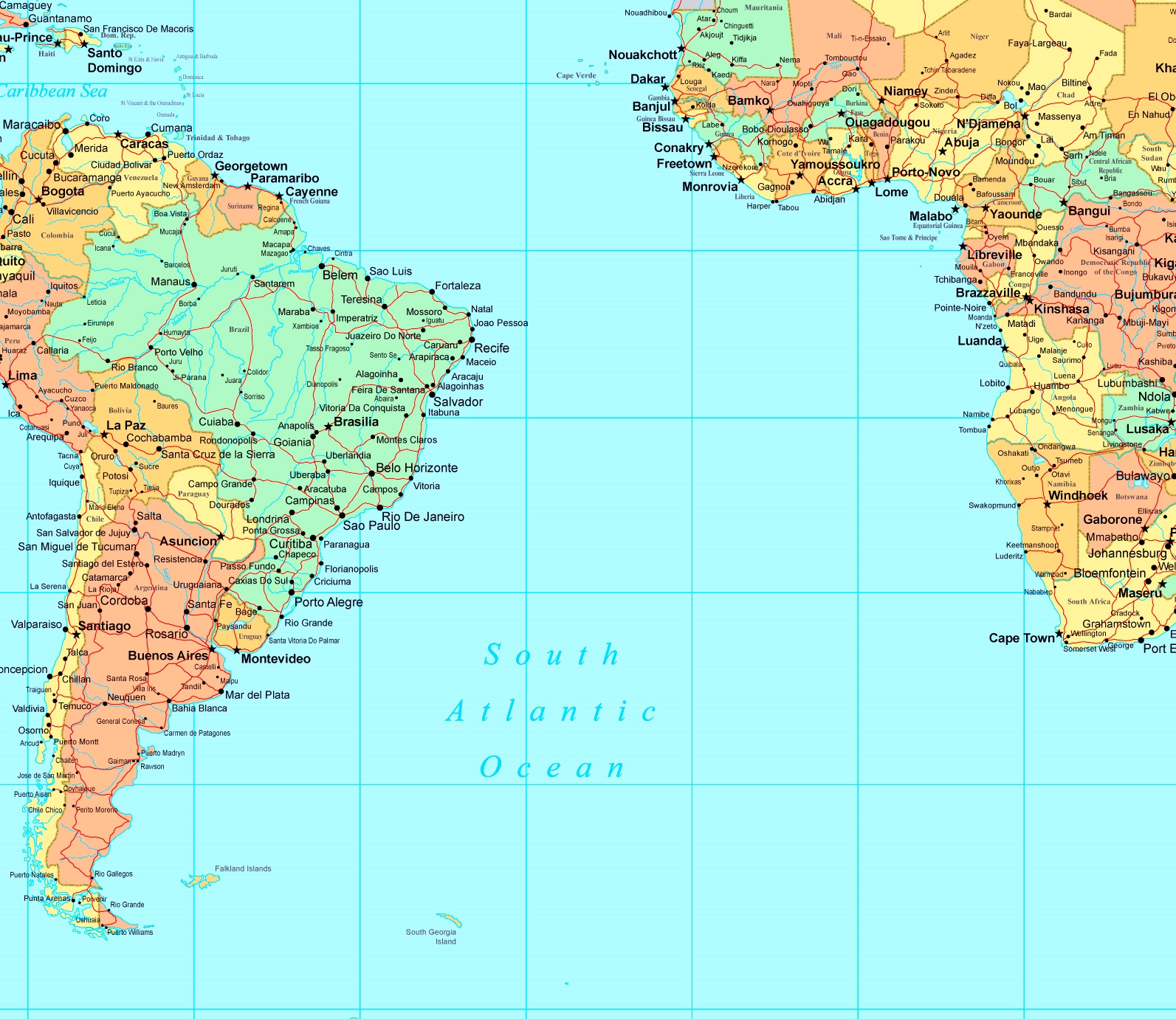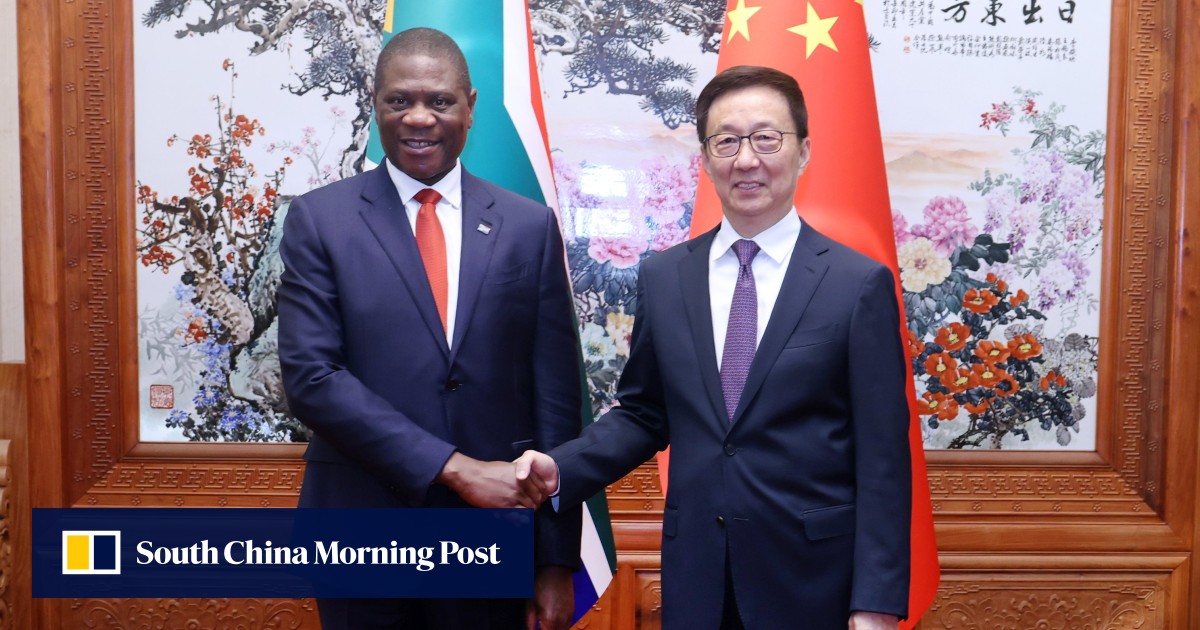
Brazil and South Africa describe each other as strategic partners. The trade numbers tell a more awkward story. In 2025, two-way trade reached R32.5bn, but South Africa sold only R5.2bn to Brazil and bought R27.3bn. President Cyril Ramaphosa’s state visit to Brazil in March put diversification back on the agenda. That is welcome, but another communiqué will not change who is able to trade.One practical place to start is payments. Brazil’s Pix and South Africa’s PayShap are domestic instant-payment systems, built for different markets and at quite different scales. They should not be merged, and South Africa does not need to “import” Pix. But the two countries could create a regulated bridge between them for smaller cross-border transactions.The basic idea is simple. A Brazilian company buying a service or product from South Africa would pay in reais through its usual bank or payment app. The South African supplier would receive rand. Licensed institutions in the middle would handle the currency conversion, compliance checks and settlement, with the exchange rate and total cost shown before the payment is confirmed. The same would work in the other direction.This is not a proposal to avoid foreign exchange rules or correspondent banking channels. It is a proposal to make a limited class of payments faster, more transparent and easier to reconcile.Pix shows what can happen when an instant payment system becomes part of everyday commerce. More than 170-million individuals have used it, and it processed more than seven-billion transactions in January. PayShap, launched in 2023, is younger and operates in a market where cash remains important. Its purpose is not to reproduce the Brazilian experience. It is to solve South African problems.Recent work by the South African Reserve Bank makes the timing interesting. The latest version of the QR+ standard supports integration with the PayShap rail and is intended to reduce fragmentation among payment providers. That gives South Africa a domestic foundation on which a carefully designed international pilot could eventually be built.The first users should not be large mining groups, commodity traders or multinationals. They already have banks, treasury teams and access to foreign exchange. The real test is whether the system can help a South African engineering firm collect a modest invoice from a Brazilian client, a software company sell a service, a tourism operator receive a booking or a small importer pay a supplier without losing time and margin in a chain of intermediaries.This matters because a new payments link could easily reinforce the existing imbalance. Brazil has the larger market and already sells far more to South Africa than it buys. A bridge designed mainly around Brazilian merchants would make a lopsided relationship more efficient without making it more balanced.South African exporters should therefore be at the table from the beginning. The pilot should focus on sectors in which they can realistically expand in Brazil, not only on the easiest payment flows to automate. Banks and fintechs should compete to provide the foreign exchange leg, but fees and spreads must be visible. A payment advertised as instant is not cheap if the customer quietly loses several percentage points on the currency conversion.There are limits to what payment infrastructure can achieve. It will not shorten the sea route, remove tariffs, align product standards or teach firms how to enter an unfamiliar market. These are major reasons bilateral trade remains narrow. A Pix-PayShap bridge would not close the gap by itself. It could remove one source of friction for companies that are currently too small to absorb it.The governance is harder than the technology. Cross-border instant payments raise questions about fraud, money laundering, data protection, sanctions screening, erroneous transfers and which institution is responsible when something goes wrong. Fast and irrevocable payments can turn a weak control into an immediate loss. Brazil has had to learn this as Pix has grown; South Africa is right to treat fraud prevention and consumer protection as part of the infrastructure rather than an afterthought.That is why the project should begin with a narrow business-to-business corridor, transaction limits and a small group of regulated participants. The Brazilian and South African central banks could set common performance measures: the full cost of a payment, settlement time, rejection rates, fraud losses and the share of transactions involving smaller firms. Expansion should depend on the results, not on a political deadline.It should also fit South Africa’s existing regional architecture. The country already participates in Southern African Development Community payment systems, including immediate low-value clearing and regional real-time gross settlement. A Brazil corridor should complement those rails and South Africa’s domestic modernisation, not become a separate Brics layer that adds another logo and another set of rules.The Brics relationship can help bring regulators and industry together, but the project should not be sold as a blow against the dollar or as a first step towards a common currency. The dollar will remain central to trade and liquidity. The economic case for a rand-real payment route is more modest and more credible: firms should have another option when there is enough demand to support it.Brazil must also approach the conversation with some humility. Pix is not a packaged product that can be installed abroad. Its useful lessons concern public standards, broad participation, low-cost account-to-account payments and sustained central-bank oversight. South Africa’s system must remain South African, and its design should reflect local competition, inclusion and security concerns.A successful bridge would not be measured by speeches about South-South co-operation. It would be measured by whether a South African business can sell to Brazil, receive rand at a fair rate and know exactly when the money will arrive. That is less dramatic than a Brics currency. It would also be far more useful.Pessoa is an economist and professor of economics at Fundação Getulio Vargas in São Paulo. He writes about financial infrastructure and international political economyBusiness Day
GUSTAVO PESSOA | A Pix-PayShap bridge must work for SA exporters
A balanced approach is key to avoiding further trade imbalances between SA and Brazil
974 words~4 min read