Story audio is generated using AI
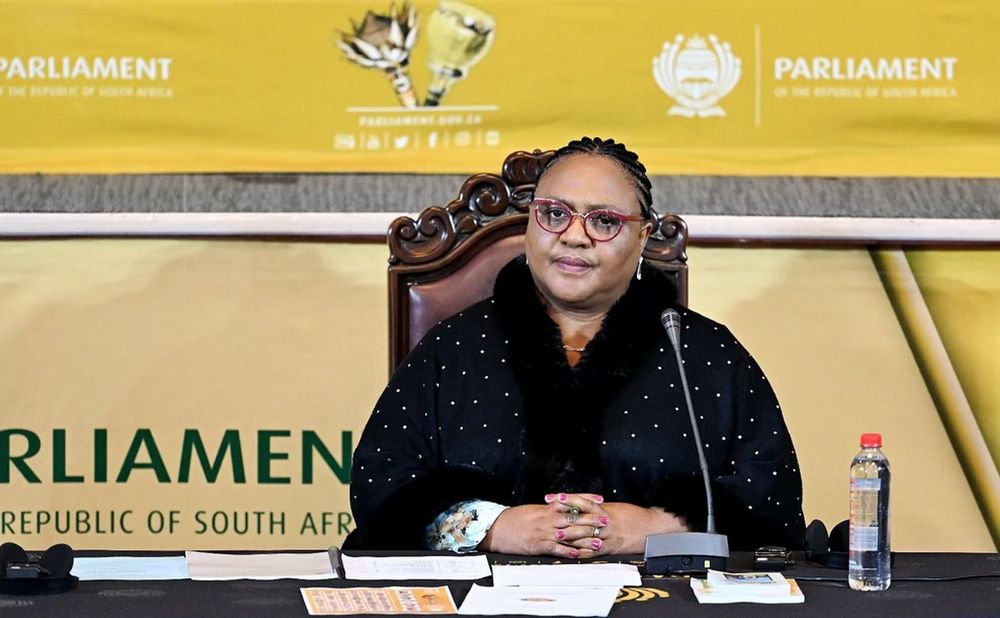
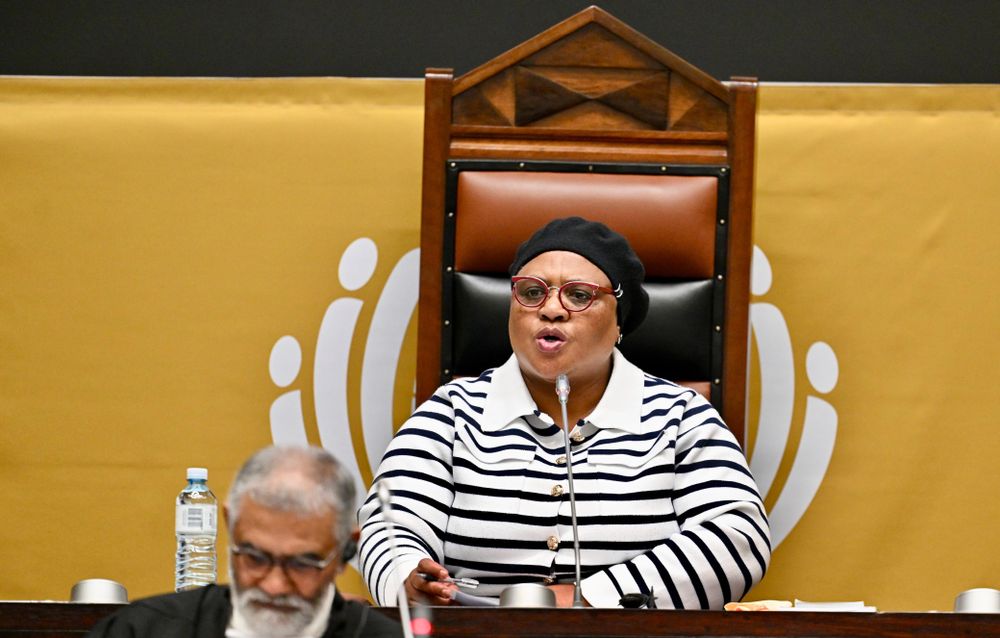
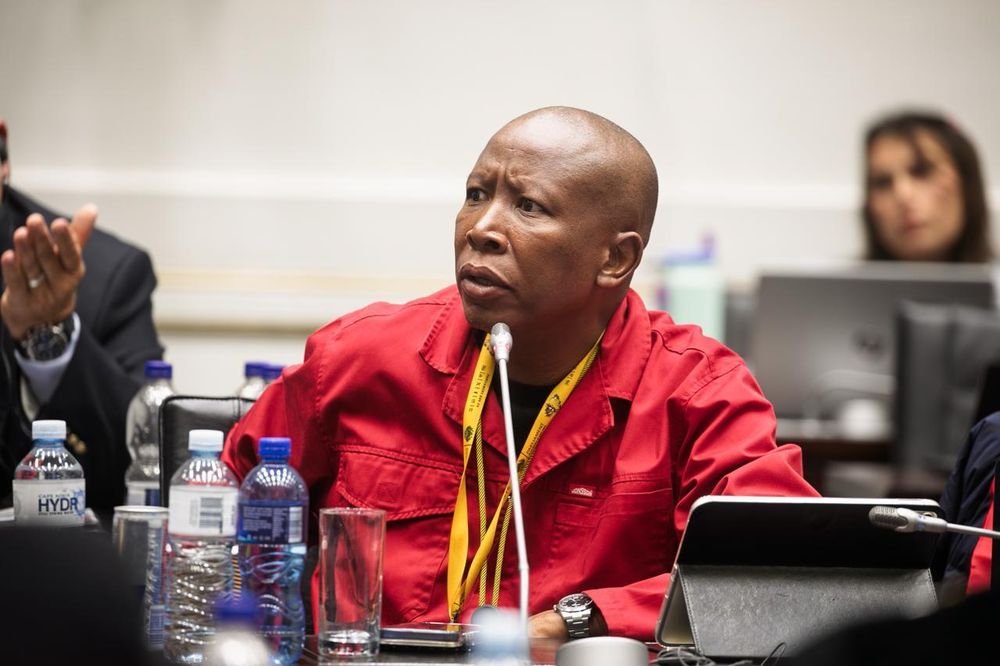
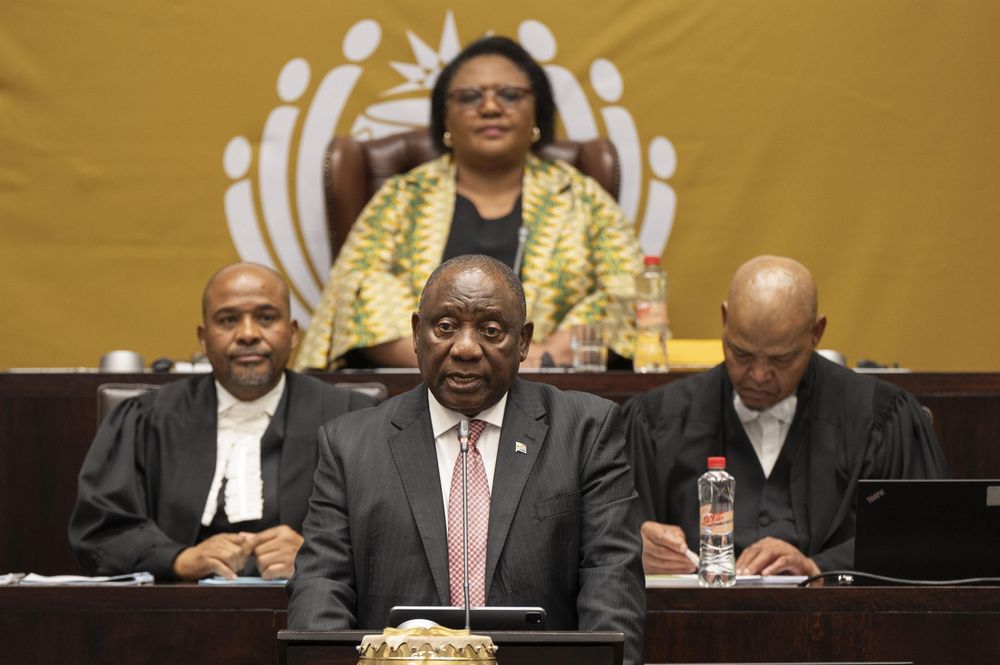
Speaker of the National Assembly Thoko Didiza has survived an EFF-led motion of no confidence after MPs voted overwhelmingly against her removal on Wednesday.The motion was defeated by 282 votes to 101, with no-confidence supporters failing to secure the majority required to remove Didiza from office.The EFF brought the motion under section 52(4) of the constitution, arguing that Didiza had failed to uphold parliament’s constitutional duty to hold the executive to account, particularly in relation to President Cyril Ramaphosa’s challenge to the section 89 impeachment process arising from the Phala Phala scandal.EFF leader Julius Malema told MPs that Didiza had prioritised the ANC and the president over the constitution and parliament’s oversight responsibilities.Malema accused Didiza of abdicating her responsibilities by failing to oppose Ramaphosa’s application to halt the work of the section 89 impeachment committee. He said the speaker, as head of the legislature, should have defended parliament’s authority against the executive.“The speaker must serve the constitution,” Malema said, arguing that Didiza’s decision to file a notice to abide by the outcome of the court proceedings demonstrated that she was acting in a partisan manner.He also criticised Didiza for seeking a second legal opinion after receiving advice that parliament should oppose the president’s application.ANC chief whip Mdumiseni Ntuli rejected the EFF’s argument, saying the motion ignored the factual record of the speaker’s handling of the impeachment process.Ntuli said Didiza had complied with the Constitutional Court’s judgment by transmitting the section 89 panel report to Ramaphosa, establishing the impeachment committee and formally referring the report to it.He said the committee was constituted on May 25 and held its first meeting on June 1, with Didiza formally referring the report to it on June 2.Ntuli argued that Didiza was not required to personally litigate against Ramaphosa once the impeachment committee had been constituted and had assumed responsibility for the matter.The committee itself had resolved to oppose the president’s application, while Didiza filed an explanatory affidavit setting out parliament’s position and the steps taken to comply with the Constitutional Court judgment.“The facts before us and before the people of South Africa confirm that to decide otherwise would be a dereliction of duty,” Ntuli said.The DA also voted against the motion, despite expressing serious reservations about Didiza’s handling of the litigation.DA chief whip Glynnis Breytenbach said the party believed Didiza should have opposed Ramaphosa’s application, but that this did not amount to grounds for her removal.“The question before us is not whether the speaker has made mistakes. She has,” Breytenbach said. “The question is whether those shortcomings are such in nature and magnitude that this House should conclude that she has fundamentally failed to discharge the responsibilities of her office.”The DA concluded that the threshold for removal had not been met.The IFP took a similar position, saying Didiza’s decision to abide by the court process warranted scrutiny but did not demonstrate that she had abandoned parliament’s accountability process.IFP chief whip Nhlanhla Hadebe said the speaker had implemented the Constitutional Court judgment and allowed the impeachment committee to operate independently.ActionSA parliamentary leader Athol Trollip also criticised Didiza’s decision to abide by rather than oppose Ramaphosa’s application, but said it did not justify removing her.Rise Mzansi, Bosa, Al Jama-ah and the PAC likewise opposed the motion, with MPs arguing that the speaker’s disputed litigation strategy did not meet the threshold for removal.Rise Mzansi leader Songezo Zibi said the impeachment committee had been established specifically to deal with the section 89 process and should therefore be allowed to determine its own legal strategy.Bosa MP Nobuntu Hlazo-Webster argued that a no-confidence motion should be reserved for a broader failure by a presiding officer to fulfil the constitutional responsibilities of the office.The motion did, however, receive support from several smaller parties.MK party chief whip Philasande Mkhize accused Didiza of abandoning parliament by filing a notice to abide rather than opposing Ramaphosa’s application.He argued that the speaker had disregarded legal advice recommending that parliament oppose the president’s application and had instead sought another opinion that supported her decision.The ACDP, ATM, NCC and UAT also supported the motion, arguing that Didiza had failed to protect parliament’s institutional independence.ACDP MP Steve Swart said Didiza should have stood alongside the impeachment committee in opposing Ramaphosa’s application and accused her of choosing “political convenience” over institutional defence.ATM MP Thandiswa Marawu similarly argued that the speaker’s responsibility was to defend parliament when its constitutional processes were challenged by the executive.The debate exposed a broader division over the role of the speaker in the section 89 impeachment process.Supporters of the motion argued that Didiza’s refusal to oppose Ramaphosa’s application undermined parliament’s independence and weakened its ability to hold the president accountable.Those opposing the motion argued that Didiza had complied with the Constitutional Court judgment, established the impeachment committee and then correctly allowed it to exercise its independent mandate.Business Day