Traditional herders in Nepal’s alpine rangelands face climate change, rising costs, labor shortages, disease and limited markets for yak products.Warming temperatures are altering water cycles, vegetation and soil carbon, while drying wetlands and glacier changes increase fire risk and reduce grazing areas for both domestic and wild yaks.Wild yaks face threats from habitat shrinkage, crossbreeding with domestic yaks, overharvesting of food sources like yartsa gunbu and declining rangeland quality, which could undermine their genetic purity and survival.
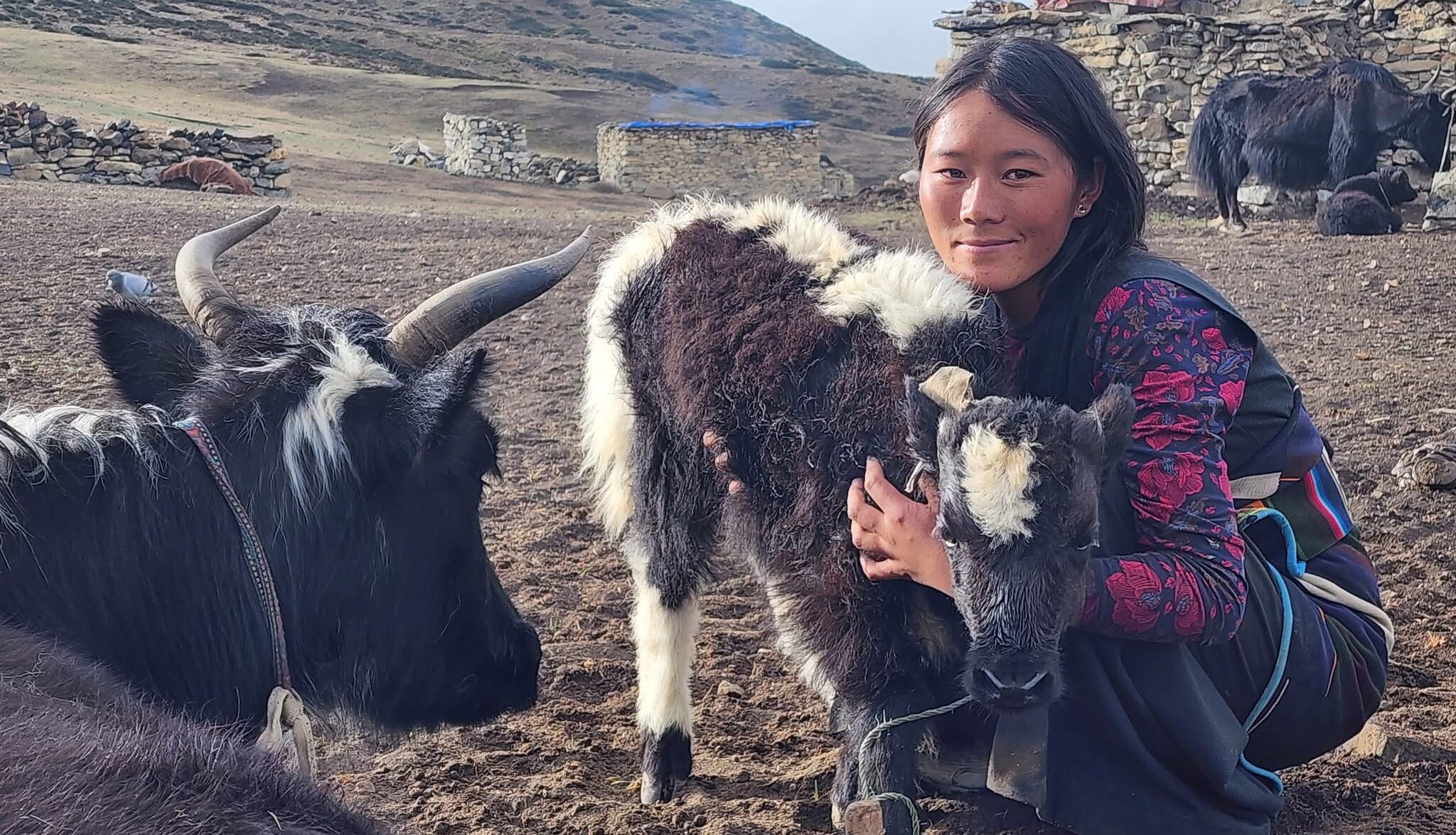
KATHMANDU — In the rugged mountains of the Dolpo region in western Nepal, Youngdung Jhama Lama spent her childhood herding nagton (domesticated yaks) across the vast alpine pastures.
Two decades on, mobile herding has greatly changed. “We only have four yaks left now,” said the 24-year-old resident of Vijer (Tra) village in Nepal’s largest and remotest district, Dolpa.
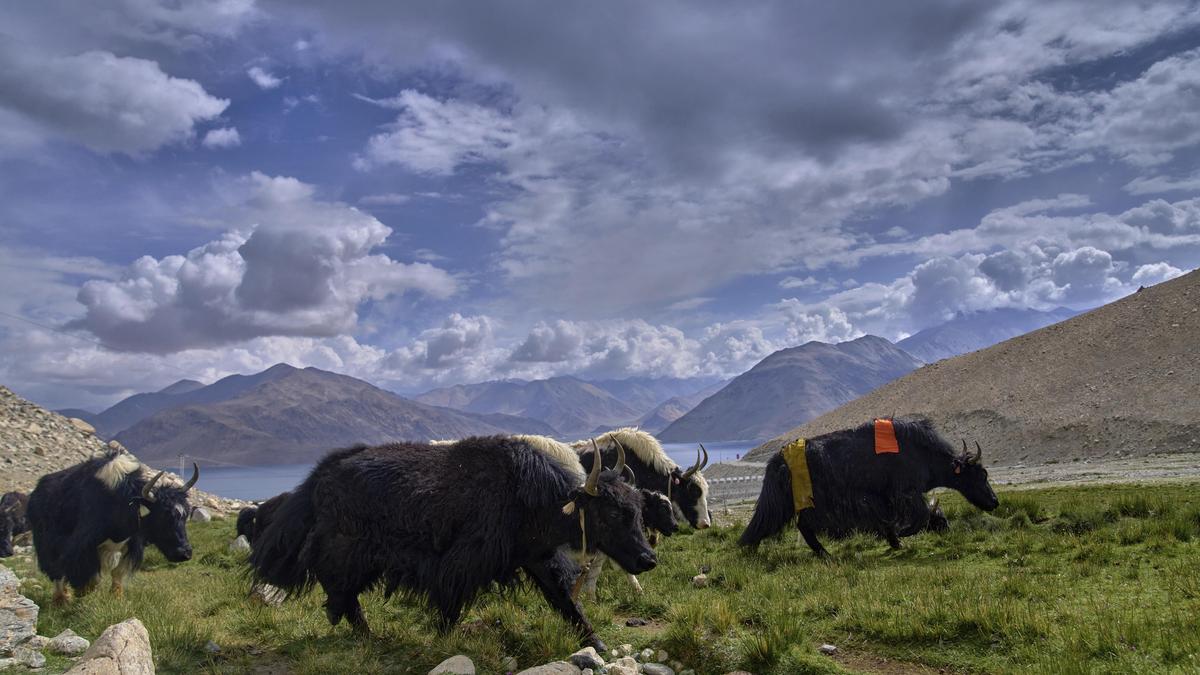
For traditional herders such as Lama, rearing yaks (Bos grunniens), valued for transport, meat and wool, is becoming challenging due to rising costs, climate change, lack of local markets for yak produce, frequent spread of diseases and other socioeconomic pressures. This has not only increased challenges for domesticated yaks, but also for their wild cousins (Bos mutus).