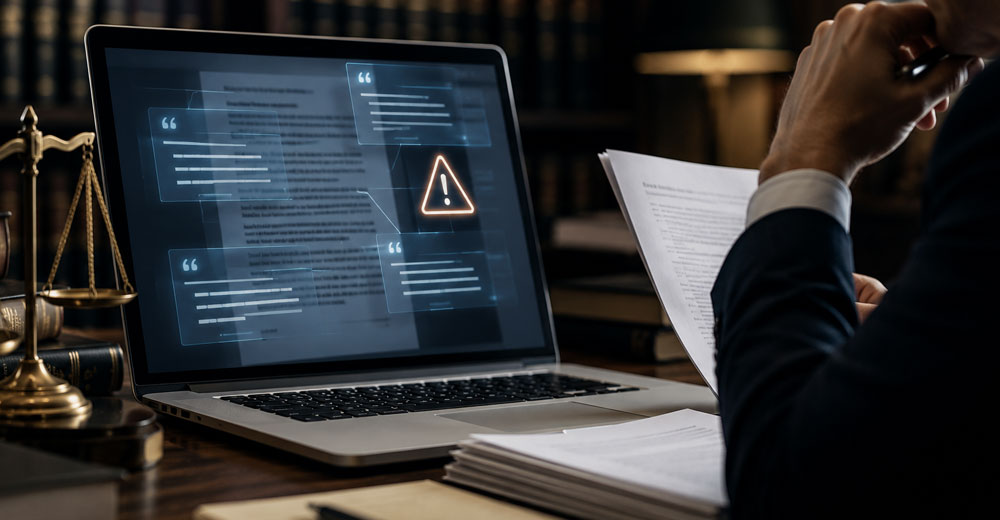
When legal AI tools hit the news cycle, the headline question is usually “can it draft a complaint?” A safer question for builders and buyers is whether the system leaves a verifiable citation trail, states a clear non-advice disclaimer, and forces a lawyer review gate before high-risk output ships.
This is not a product shootout. It is a governance checklist for anyone evaluating legal-adjacent AI in 2026.
The buzz is not “AI replaces lawyers”—it is whether evidence is visible
Legal AI errors are expensive in a different way than a bad email draft. If a team cannot see where a conclusion came from, they cannot defend it later. Before you trust any output near contracts, compliance memos, or litigation strategy, ask three baseline questions:
Does every key claim link to a source you can open and verify?