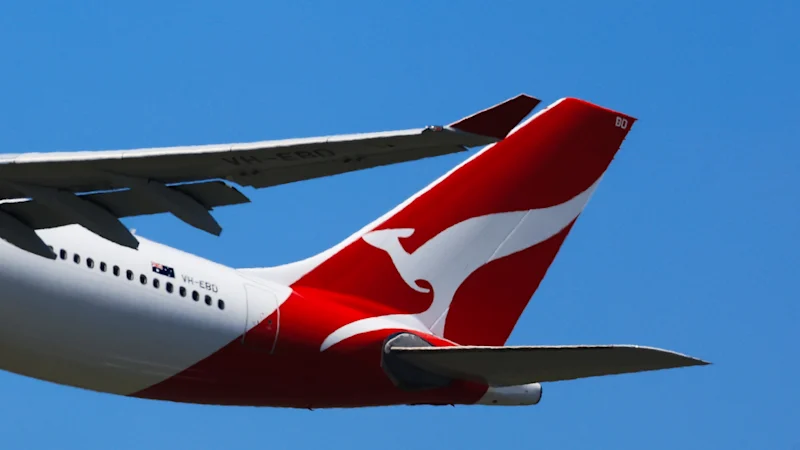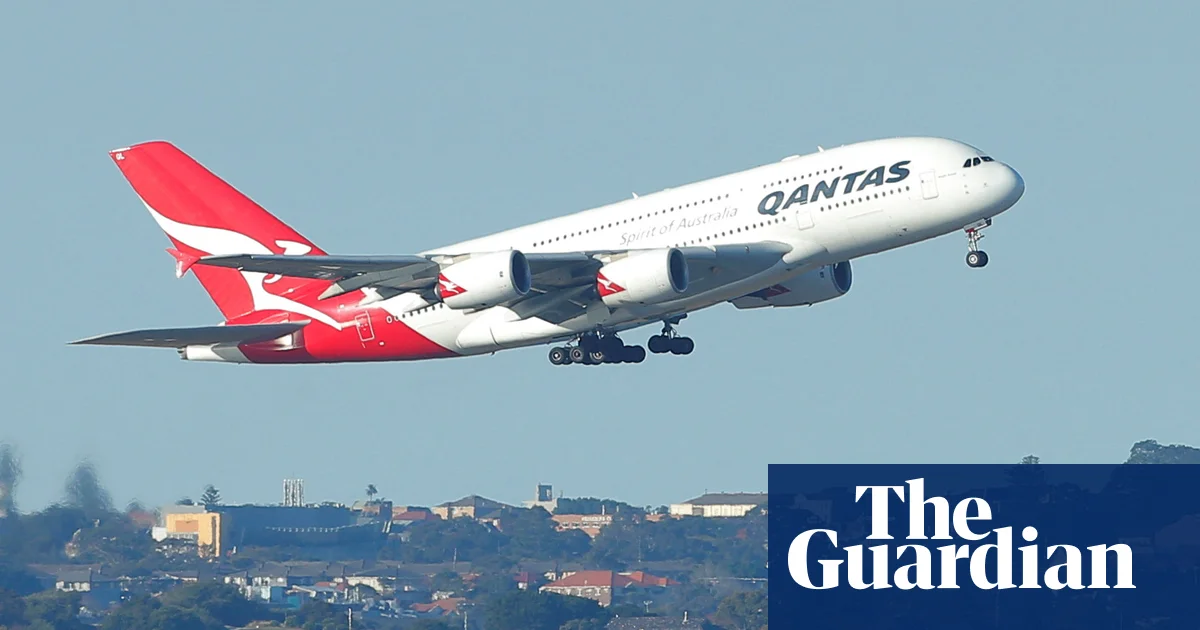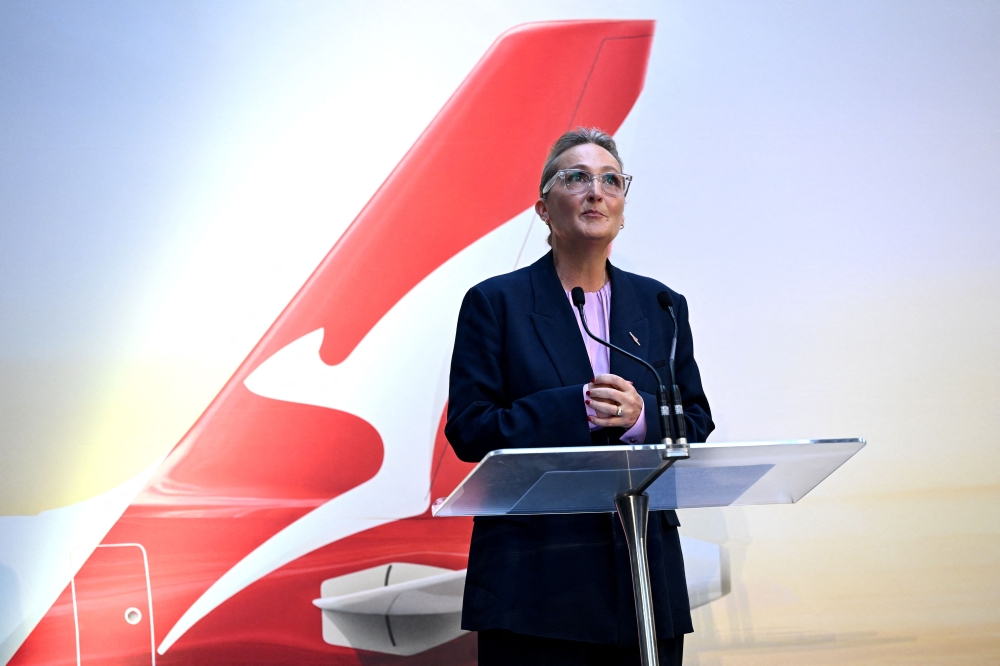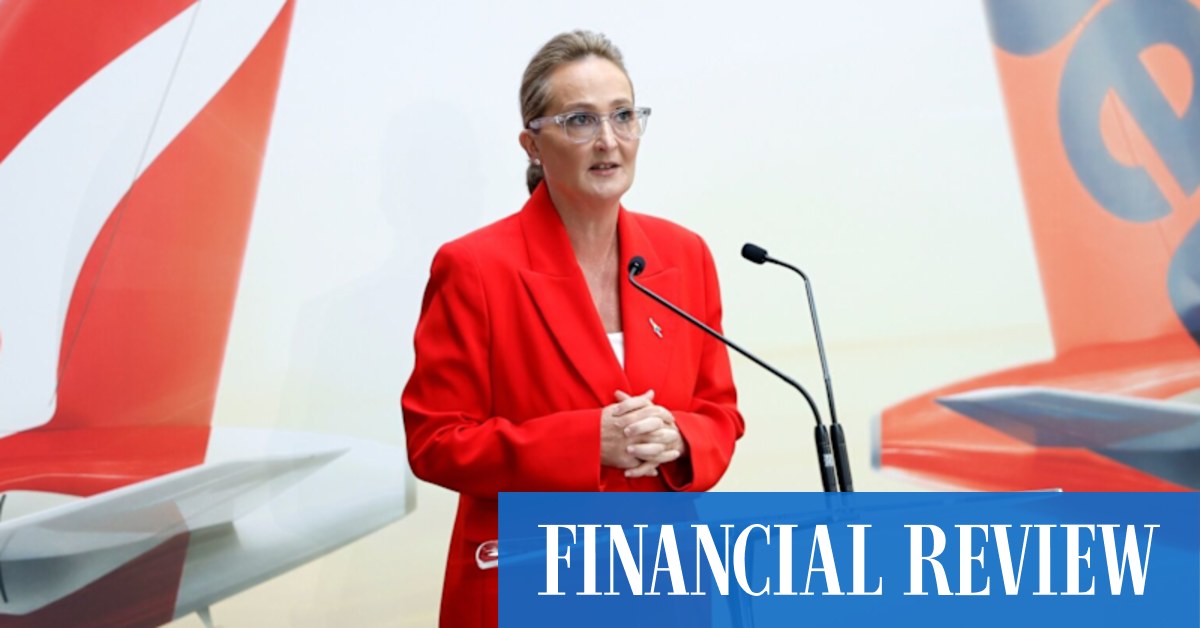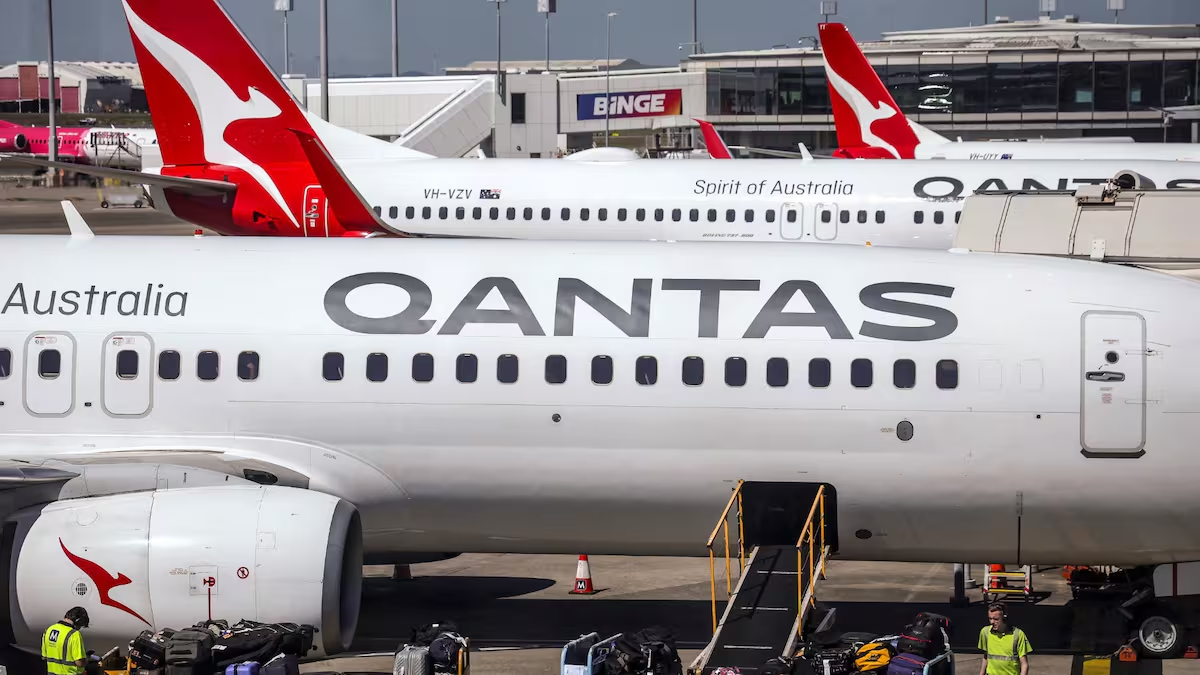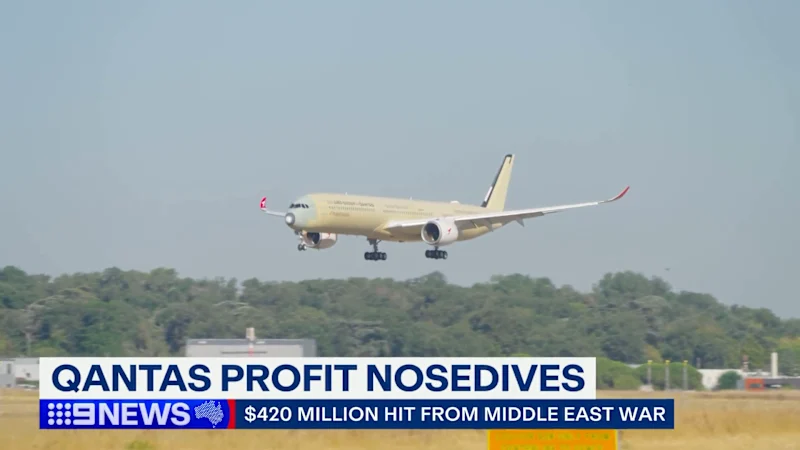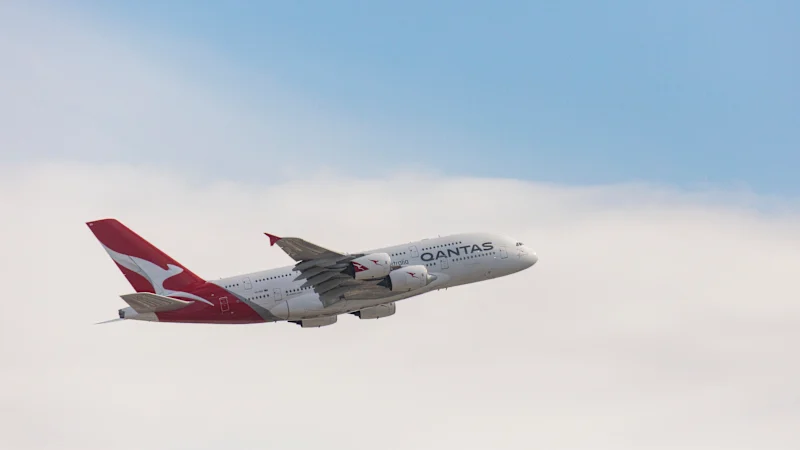
Updated August 27, 2026 — 10:48am,first published August 27, 2026 — 8:53amQantas profits have taken a hit as rising fuel costs outpaced the benefit of sustained demand for international travel while the airline confirmed it will retire the popular A380 fleet beginning in mid-2028.Underlying pre-tax profit fell 13.7 per cent to $2.06 billion in the year ended June 30, down from $2.39 billion in fiscal year 2025. Qantas shares are higher in early trade.Vanessa Hudson addresses media in Sydney on Thursday morning.BloombergThe company said its fuel bill jumped by more than $600 million as it was hit hard by the ramifications of the Middle East conflict. The airline forecast revenue growth of between 8 per cent and 10 per cent in the current year, helped by higher fares and a reduction in seats.The airline confirmed it plans to begin retiring the much-loved, but high-maintenance, A380 fleet from 2028 which will be “successively retired in the years beyond that”, according to Chief executive Vanessa Hudson.Hudson said the double-decker Airbus has had “such an important role and such an important role at the moment for the group in terms of responding to the impact and the growth in demand that we see as a result of the Middle Eastern conflict.”Qantas redeployed a number of its A380s to service the Sydney-Singapore-London route, when the conflict erupted in February, causing disruptions through the Mideast.“So that aircraft has been incredibly valuable to the group and much loved across the group and, and also with customers,” she said.The Middle East disruptions have driven up fuel prices - adding $610 million more in costs for Qantas - and accelerated the cost-of-living crisis in Australia, which had an effect on Qantas’ earnings.Hudson said: “The final four months of the year saw business and consumer confidence fall as the conflict and economic headwinds created uncertainty.”Qantas said this forced some large corporates and government customers to cut travel budgets. “In response to the surge in fuel prices, we quickly adjusted fares and capacity, and redeployed aircraft to give customers more options to fly to Europe,” Hudson said.Much-loved: Qantas’ A380.AP“These actions, along with other mitigations, limited the net impact on earnings to $420 million, despite a $610 million increase in our fuel bill.”In this climate, newer, more efficient planes help contain costs.In addition to the 12 Project Sunrise aircraft on order, Qantas now has firm orders for 12 more A350s and 12 Boeing 787s Dreamliners, with the first of those arriving in the 2028 financial year.Auckland-based Alton Aviation Consultancy director Clark Johns said high fuel prices make the “next-generation aircraft and associated fuel savings more substantial”.“They’ve already locked in those orders before the current fuel crisis, so if anything, it makes [them] more valuable with the ability to burn less fuel in this higher-price environment.”Carriers build their fleet plans with flexibility, said Johns.“If demand does go into a contractionary cycle, from a business perspective, airlines across the globe generally want to make sure they have the flexibility to retire aircraft earlier ... to contract the fleet and match supply with demand.”Hudson defended Jetstar’s decision to begin charging for priority access to overhead bins, announced earlier this month. ,saying the change will “improve on-time performance, and it will also improve, the safe loading and, and boarding, of that aircraft.”Hudson said 80 per cent of Jetstar customers only travel with one bag.The new business seats for its A321XLR.There was a “pain point” in the boarding of Jetstar planes in the previous system in which people loaded their carry-ons overhead.Hudson said Jetstar looks forward to “selling this new unbundled product” which is seeing “really strong take-up from customers” and will help keep fares low at Jetstar. Jetstar’s domestic earnings increased 15 per cent in the year.eToro Lead Analyst Josh Gilbert said: Qantas expects domestic and international unit revenue to rise in the first half, “but total capacity will be flat and domestic capacity will fall 3 per cent”.“Qantas is putting fares up and seats down, which is sensible while fuel remains expensive.”“The question is how much passengers will bear because their wallets aren’t bottomless and planes are already flying a little emptier.”Qantas said premium-cabin revenue is growing at twice the rate of economy revenue across Qantas’ international network. Consequently, newer planes will have a higher proportion of premium seats than the aircraft they replace.So far, seven extra-long-range, narrow-body Airbus A321XLR aircraft have entered service.The airline unveiled the suites to be featured on its A321XLRs, which will cater to transcontinental passengers flying to Perth. The new business suites will be arranged in a one-one configuration in an “angled herringbone layout”, and come with lie-flat beds and sliding privacy doors.“Customers are telling us how much these aircraft are improving the flying experience, and they’re a big part of what’s driving our financial performance too,” said Hudson.Loyalty boostEven as the cost of living rises, Qantas’ loyalty program has continued to function as a profit centre for the airline.Qantas Loyalty delivered 12 per cent underlying pre-tax earnings growth of $625 million, the company said. Beginning December 8, Qantas will allow frequent flyer members to earn status credits, which allow frequent flyers access to lounges and more perks, by shopping rather than just flying.With looming RBA changes to become effective on October 1, Qantas loyalty and customer CEO Andrew Glance revealed that half of frequent fliers using Qantas cards will see less than 10 per cent impact from the RBA change.“An amazing outcome given what we were staring into at the very start” [of the proposed changes].Uber had emerged as the fastest-growing partner with more than a million members earning points on rides, he said.Loyalty is forecast to generate underlying pre-tax earnings of 5 to 7 per cent in the 2027 fiscal year, with a 2030 pre-tax target of $800 million to $1 billion.The Business Briefing newsletter delivers major stories, exclusive coverage and expert opinion. Sign up to get it every weekday morning.Chris Zappone is a senior reporter covering aviation and business. He is former digital foreign editor.Connect via X, Facebook or email.From our partners
Qantas profit hit by fuel shock, ‘much-loved’ A380 to be retired
The company said its fuel bill jumped by more than $600 million while chief Vanessa Hudson defended Jetstar’s decision to begin charging for priority access to overhead bins.
1,006 words~5 min read